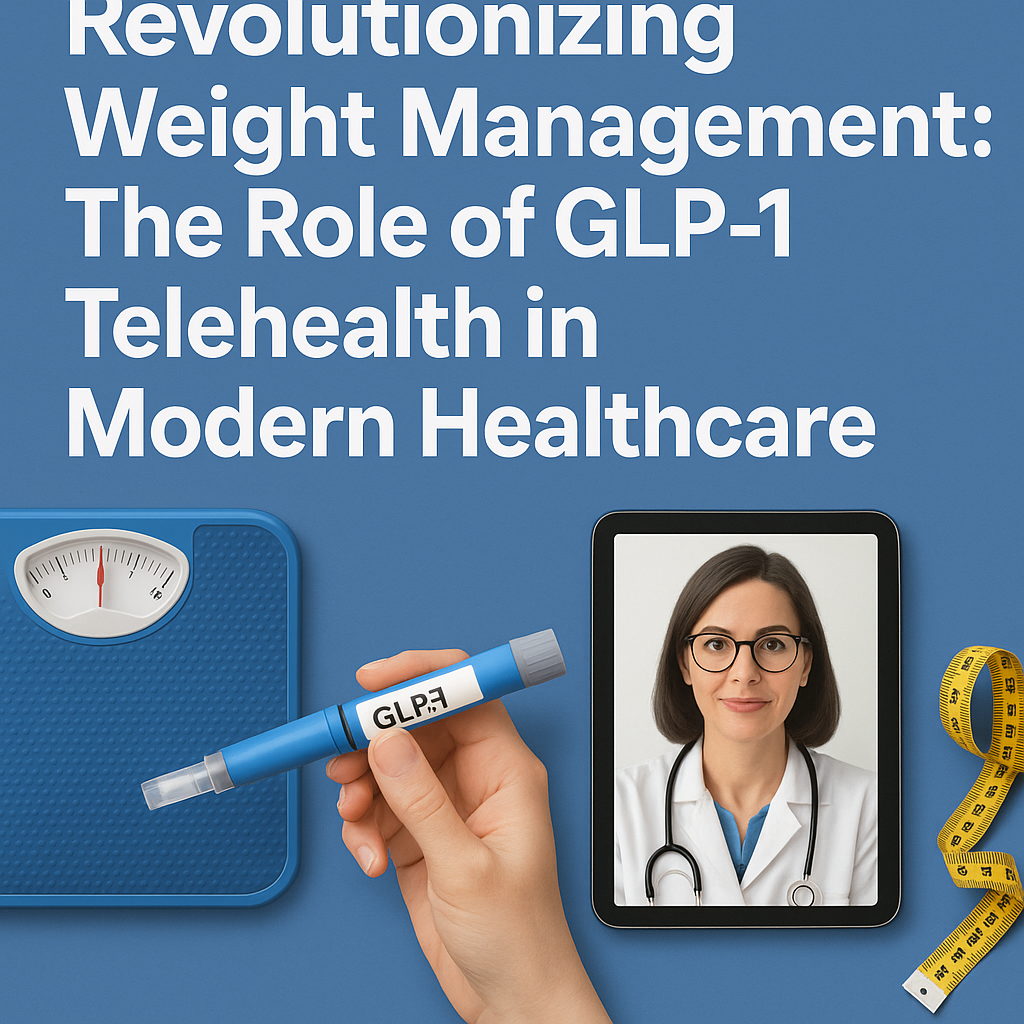
In today’s fast-paced world, weight management has become a significant concern for millions. Obesity and overweight conditions now affect nearly 40% of the adult population in the United States alone. As healthcare continues to evolve, innovative treatments and monitoring strategies are emerging. Among these developments, GLP-1 (glucagon-like peptide-1) receptor agonists combined with telehealth technologies are revolutionizing how we approach weight management.
Understanding GLP-1 and Its Benefits
GLP-1 is a hormone released in the gut in response to food intake. It has several critical functions:
- Stimulating insulin secretion from the pancreas.
- Inhibiting glucagon release, which reduces sugar production in the liver.
- Slowing gastric emptying to enhance satiety.
- Promoting feelings of fullness post-meal.
GLP-1 receptor agonists, such as semaglutide and liraglutide, have gained popularity as obesity treatment options. These medications not only aid in weight loss but also help improve metabolic health by reducing the risks associated with type 2 diabetes and cardiovascular diseases.
Telehealth: A Game Changer in Weight Management
Telehealth utilizes technology to provide healthcare services remotely. It has become especially vital during the COVID-19 pandemic, demonstrating that effective healthcare can be delivered without in-person visits. The integration of telehealth in weight management allows for:
- Increased access to healthcare professionals, regardless of geographical limitations.
- Convenience for patients to engage in consultations from the comfort of their homes.
- Regular monitoring and engagement, promoting adherence to treatment plans.
The Synergy of GLP-1 and Telehealth
Combining GLP-1 therapies with telehealth can provide a robust framework for weight management:
- Personalized Treatment Plans: Healthcare providers can tailor GLP-1 therapies based on individual health profiles and preferences during virtual consultations.
- Continuous Monitoring: Telehealth technologies can facilitate regular check-ins, allowing providers to monitor patient progress and adjust therapies as needed.
- Educational Resources: Patients can access a wealth of information online, helping them make informed choices about their diets and lifestyle changes.
Real-World Applications and Case Studies
Numerous case studies illustrate the effectiveness of GLP-1 telehealth interventions. For instance, a nationwide telehealth program incorporating GLP-1 treatments showed promising results:
- Participants experienced an average weight loss of over 15% within six months.
- Over 70% of patients reported improved dietary habits and increased physical activity.
Other studies have highlighted that patients using GLP-1 receptor agonists alongside telehealth support were more likely to adhere to their treatment plans than those reliant solely on in-person appointments.
Challenges and Considerations
Despite the incredible potential of GLP-1 telehealth interventions, there are challenges to be addressed:
- Access to Technology: Ensuring all patients have the necessary technology and connectivity for telehealth services can be a barrier, especially in rural or underserved areas.
- Insurance Coverage: Not all insurance plans cover telehealth services or GLP-1 medications, which can limit access for many patients.
- Patient Engagement: Maintaining patient motivation and adherence to a telehealth regimen can be challenging, requiring innovative solutions to keep individuals engaged.
The Future of GLP-1 Telehealth
The intersection of GLP-1 therapies and telehealth indicates an exciting future for weight management:
- Expanded Research: Ongoing studies are likely to deepen our understanding of GLP-1’s effects when combined with telehealth.
- Technological Integration: The emergence of wearable devices and health apps can further enhance remote monitoring, providing real-time feedback to healthcare providers.
- Policy Advancements: As telehealth gains traction, more policies may emerge to support its integration into standard healthcare practices and improve reimbursement strategies.
Conclusion
As we navigate the complexities of weight management, the combination of GLP-1 therapies and telehealth represents a substantial leap forward in modern healthcare. Through personalized approaches, improved accessibility, and continuous support, this integration can lead to better health outcomes for individuals struggling with obesity. As we continue to explore and expand these innovative solutions, GLP-1 telehealth is set to play a pivotal role in transforming weight management strategies for years to come.
Frequently Asked Questions (FAQs)
1. What are GLP-1 receptor agonists?
GLP-1 receptor agonists are medications that mimic the action of glucagon-like peptide-1, a hormone involved in appetite regulation and blood sugar control. They help enhance insulin secretion and promote weight loss.
2. How does telehealth work for weight management?
Telehealth allows patients to consult healthcare providers via video calls, phone calls, or messaging platforms. This makes it convenient for individuals to receive guidance on weight management from anywhere.
3. Are GLP-1 medications effective for everyone?
While GLP-1 medications can be effective for many, results can vary based on individual health status, adherence to treatment plans, dietary habits, and lifestyle changes.
4. How do I know if GLP-1 therapy is right for me?
Consultation with a healthcare provider is essential to evaluate your medical history, current health, and weight management goals to determine if GLP-1 therapy is appropriate.
5. Is telehealth safe?
Yes, telehealth is generally safe. Licensed healthcare providers conduct virtual consultations, ensuring that all patient information and interactions remain confidential and secure.
Leave a Reply