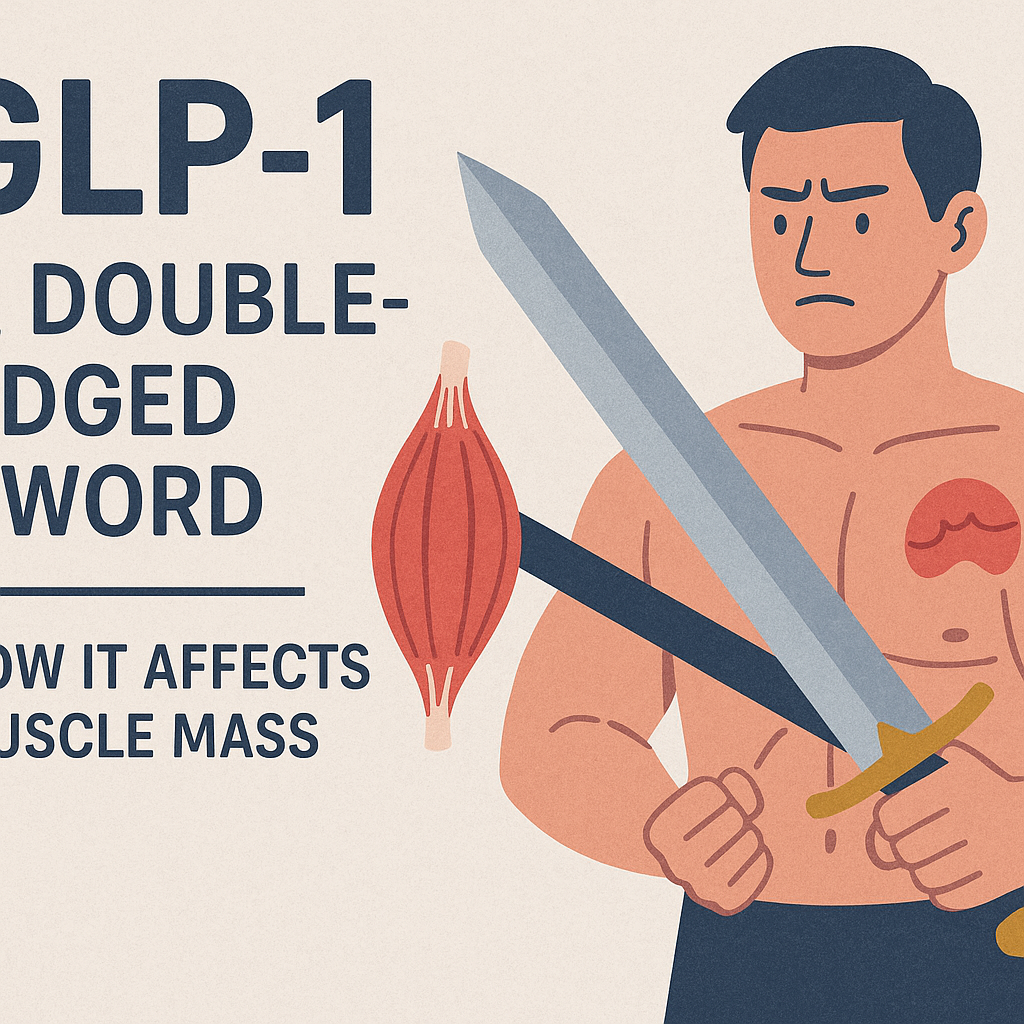
Glucagon-like peptide-1 (GLP-1) is a hormone produced in the gut that plays a significant role in glucose metabolism. As a member of the incretin family, it aids in insulin secretion, glucagon suppression, and appetite regulation. While its effects on weight loss and metabolic regulation have garnered attention, recent research has showcased the potential for GLP-1 agonists to act as a double-edged sword in terms of muscle mass.
What is GLP-1?
GLP-1 is secreted by the L-cells in the intestine in response to food intake. It promotes insulin secretion while inhibiting glucagon release, helping to regulate blood sugar levels. In addition to its role in glucose homeostasis, GLP-1 is instrumental in gastric emptying and reduces appetite, which is why GLP-1 receptor agonists have become popular treatments for obesity and Type 2 diabetes.
The Muscle Mass Connection
While GLP-1 and its analogs are celebrated for promoting weight loss, they can have varying effects on muscle mass, depending on several factors:
- Caloric Deficit: Weight loss often leads to a caloric deficit, which may cause muscle loss if protein intake and physical activity aren’t managed properly.
- Insulin Sensitivity: Improved insulin sensitivity from GLP-1 can positively affect muscle protein synthesis, but the overall caloric environment ultimately influences muscle preservation.
- Physical Activity Levels: Active individuals may maintain or even build muscle mass despite the weight loss seen with GLP-1 interventions.
How GLP-1 Agonists Work
GLP-1 agonists, including medications such as liraglutide and semaglutide, mimic the actions of naturally occurring GLP-1. By enhancing insulin secretion and reducing glucagon release, these drugs can lead to improved glucose control. However, the downside lies in their impact on muscle mass:
Benefits of GLP-1 Agonists
- Significant weight loss due to appetite suppression.
- Improved glycemic control and potential cardiovascular benefits.
- Convenient dosing options and favorable side effect profiles.
Possible Drawbacks
- Reduction in calorie intake may lead to unwanted muscle loss.
- Potential to promote muscle wasting, especially in older adults.
- Uncertain long-term effects on body composition.
Muscle Mass and Aging
The elderly population is particularly vulnerable to conditions that promote muscle wasting, such as sarcopenia. The introduction of GLP-1 agonists poses an interesting dilemma:
While these agents can give older adults significant weight loss benefits, they also risk accelerating the loss of muscle mass when combined with inadequate dietary protein and insufficient physical activity. Combining resistance training and a high-protein diet can mitigate the muscle loss associated with GLP-1 therapy.
Strategies to Preserve Muscle Mass
To better navigate the effects of GLP-1 on muscle mass, individuals using these medications should be proactive:
- Prioritize Protein: Ensure adequate protein intake to support muscle maintenance.
- Engage in Strength Training: Incorporate resistance exercises at least twice a week.
- Monitor Body Composition: Regularly track muscle mass and fat loss to identify any concerning trends.
Is GLP-1 for Everyone?
While GLP-1 has shown promise in treating obesity and Type 2 diabetes, it is not a one-size-fits-all solution. Individuals should consult healthcare providers to evaluate potential risks and benefits based on their unique situations. Potential candidates for GLP-1 therapy include those with obesity, prediabetes, or diabetes, but those who are active and focused on muscle maintenance might require a more cautious approach.
Conclusion
GLP-1 and its analogs are double-edged swords. They offer significant benefits in managing weight and improving glycemic control, but they can also lead to unintended consequences concerning muscle mass. Balancing the appetite-suppressing and metabolic benefits of GLP-1 therapy with a structured approach to nutrition and physical activity is crucial for maintaining muscle health. Individuals should be aware of the potential risks and proactively take steps to preserve muscle mass while enjoying the advantages that GLP-1 therapy could provide.
Frequently Asked Questions (FAQs)
1. What are the primary functions of GLP-1?
GLP-1 primarily regulates insulin secretion, suppresses glucagon release, slows gastric emptying, and reduces appetite, contributing to overall glucose metabolism.
2. How do GLP-1 agonists aid in weight loss?
GLP-1 agonists reduce appetite and caloric intake, leading to significant weight loss. They work by enhancing satiety and decreasing hunger, making it easier for individuals to lose weight.
3. Can GLP-1 therapy lead to muscle loss?
Yes, GLP-1 therapy can be associated with muscle loss, especially if caloric intake is significantly reduced and physical activity levels are not maintained.
4. How can individuals using GLP-1 agonists maintain muscle mass?
To maintain muscle mass, individuals should consume adequate protein, engage in regular strength training, and monitor body composition changes.
5. Who should consider GLP-1 therapy?
GLP-1 therapy is generally recommended for individuals with obesity or Type 2 diabetes, but it is essential to consult with a healthcare provider to evaluate individual circumstances and needs.
Leave a Reply