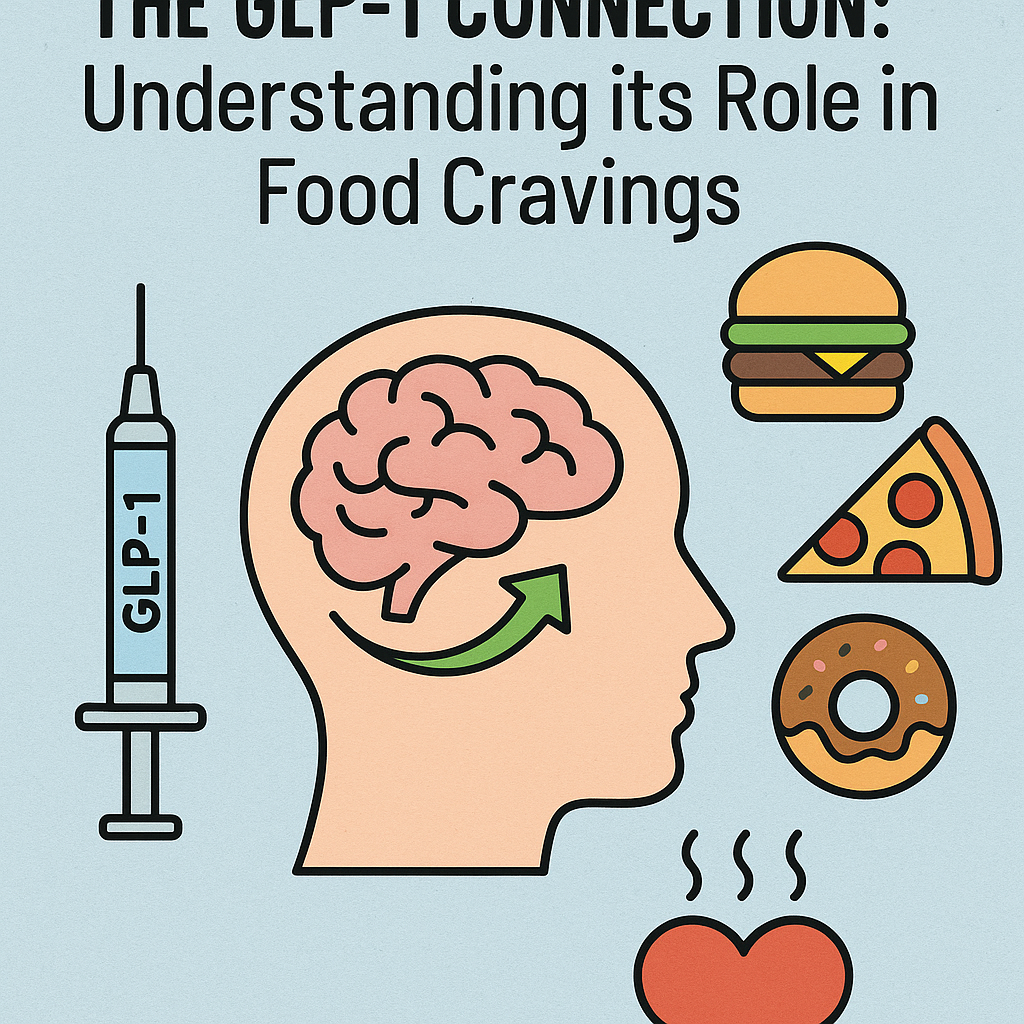
Understanding food cravings is essential for maintaining a healthy lifestyle and weight. One of the compounds in our body that significantly influences these cravings is GLP-1 (Glucagon-Like Peptide-1), a hormone released in response to food intake. This article delves into what GLP-1 is, how it works, and its connection to food cravings.
What is GLP-1?
GLP-1 is an incretin hormone produced in the intestines, particularly in the L cells of the ileum and colon. It plays a pivotal role in glucose metabolism as well as appetite regulation. Several functions of GLP-1 include:
- Enhancing insulin secretion from the pancreas
- Inhibiting glucagon secretion
- Slowing gastric emptying
- Reducing appetite and promoting satiety
The Mechanism of GLP-1
Upon food consumption, GLP-1 is released into the bloodstream. It helps manage blood sugar levels by signaling the pancreas to release insulin. Interestingly, GLP-1 also communicates with the brain, specifically the hypothalamus, which is the body’s appetite control center. The interplay between GLP-1 and the brain serves to reduce food intake by:
- Telling the brain that the stomach is full
- Disrupting the reward pathways associated with high-calorie food
- Reducing cravings for sugary foods
GLP-1 and Food Cravings
Food cravings can be driven by various factors including emotional states, habitual patterns, and biological processes. GLP-1 plays a crucial role in the physiological context of these cravings. When levels of GLP-1 are elevated, individuals experience a suppression of cravings, particularly for high-calorie and sugary foods. Here are some key points about the connection between GLP-1 and food cravings:
The Impact on Cravings
Research suggests that GLP-1 affects the brain’s reward system and decreases the craving for palatable foods. In clinical trials involving GLP-1 receptor agonists (medications that mimic the action of GLP-1), participants reported fewer cravings for high-calorie snacks and sweets, indicating that increased GLP-1 levels may help reduce the desire for unhealthy foods.
GLP-1 Agonists and Weight Management
GLP-1 medications, such as liraglutide and semaglutide, have been utilized for weight management in obese and overweight individuals. These medications mimic the effects of natural GLP-1 and help manage blood glucose levels while simultaneously reducing appetite and cravings. Not only do they help in weight loss, but they also support healthier eating habits by:
- Decreasing the overall desire for food
- Promoting longer durations of satiety after meals
- Encouraging healthier food choices
The Psychological Aspect
Food cravings are not purely physiological; they also have psychological components. Stress, mood disturbances, and external cues heavily influence what we crave and when. GLP-1’s ability to mitigate these cravings could offer a dual benefit: not only does it help with physiological regulation, but it may also influence emotional Attachment to food.
High GLP-1 levels can potentially lead to a reduction in emotional eating, as the hormone prompts the brain to feel satisfied after smaller amounts of food. This can be especially beneficial for those prone to overeating as a reaction to stress.
Factors Influencing GLP-1 Levels
A variety of factors can influence GLP-1 secretion, including diet, physical activity, and overall health. Here’s a closer look at how these factors affect GLP-1 levels:
Dietary Influences
Diet plays a significant role in GLP-1 secretion. Foods that are high in protein and fiber tend to stimulate GLP-1 release more effectively than simple carbohydrates and fats. Incorporating these foods into your diet can enhance GLP-1 levels:
- Lean meats
- Fish
- Legumes
- Whole grains
- Fruits and vegetables
Exercise and Physical Activity
Physical activity is another critical factor in promoting GLP-1 secretion. Regular exercise can enhance the secretion of this hormone and contribute to overall metabolic health. Studies have shown that both aerobic and resistance training can stimulate increased GLP-1 levels, encouraging appetite control and weight management.
Health Conditions
Certain health conditions can impact GLP-1 secretion. For instance, obesity and type 2 diabetes are often characterized by impaired GLP-1 function. People with these conditions may find it more challenging to manage food cravings or achieve satiety.
Moreover, gastrointestinal surgeries, such as gastric bypass, can lead to enhanced GLP-1 secretion, which is thought to contribute to weight loss and improved metabolic parameters in such patients.
Conclusion
The intricate relationship between GLP-1 and food cravings underscores the importance of this hormone in appetite regulation and metabolic health. By understanding how GLP-1 influences cravings and satiety, individuals can make informed dietary and lifestyle choices to optimize their health. The potential of GLP-1 receptor agonists to aid in weight management and reduce cravings highlights the promise of targeting this pathway for therapeutic interventions in obesity and related metabolic disorders. As research continues to unfold, we are likely to see more exciting developments in the role of GLP-1 in health and well-being.
FAQs
1. What are GLP-1 receptor agonists?
GLP-1 receptor agonists are medications that mimic the action of GLP-1 in the body. They are used primarily to treat type 2 diabetes and for weight management, promoting insulin secretion and reducing appetite.
2. Can lifestyle changes impact GLP-1 levels?
Yes, dietary choices and regular physical activity can significantly influence GLP-1 levels, enhancing its secretion and promoting feelings of fullness.
3. Are there any side effects associated with GLP-1 receptor agonists?
Common side effects may include nausea, vomiting, diarrhea, and abdominal pain. Patients should consult with their healthcare provider to discuss potential risks and benefits.
4. How quickly can changes in GLP-1 levels affect cravings?
The effect of GLP-1 on cravings may vary individually, but generally, enhancements in GLP-1 levels can lead to a noticeable reduction in appetite and cravings shortly after meals.
5. Can GLP-1 help with emotional eating?
GLP-1 may help reduce emotional eating by promoting satiety and altering the brain’s reward pathway, thereby decreasing cravings for high-calorie foods.
Leave a Reply