Author: tvm_mike

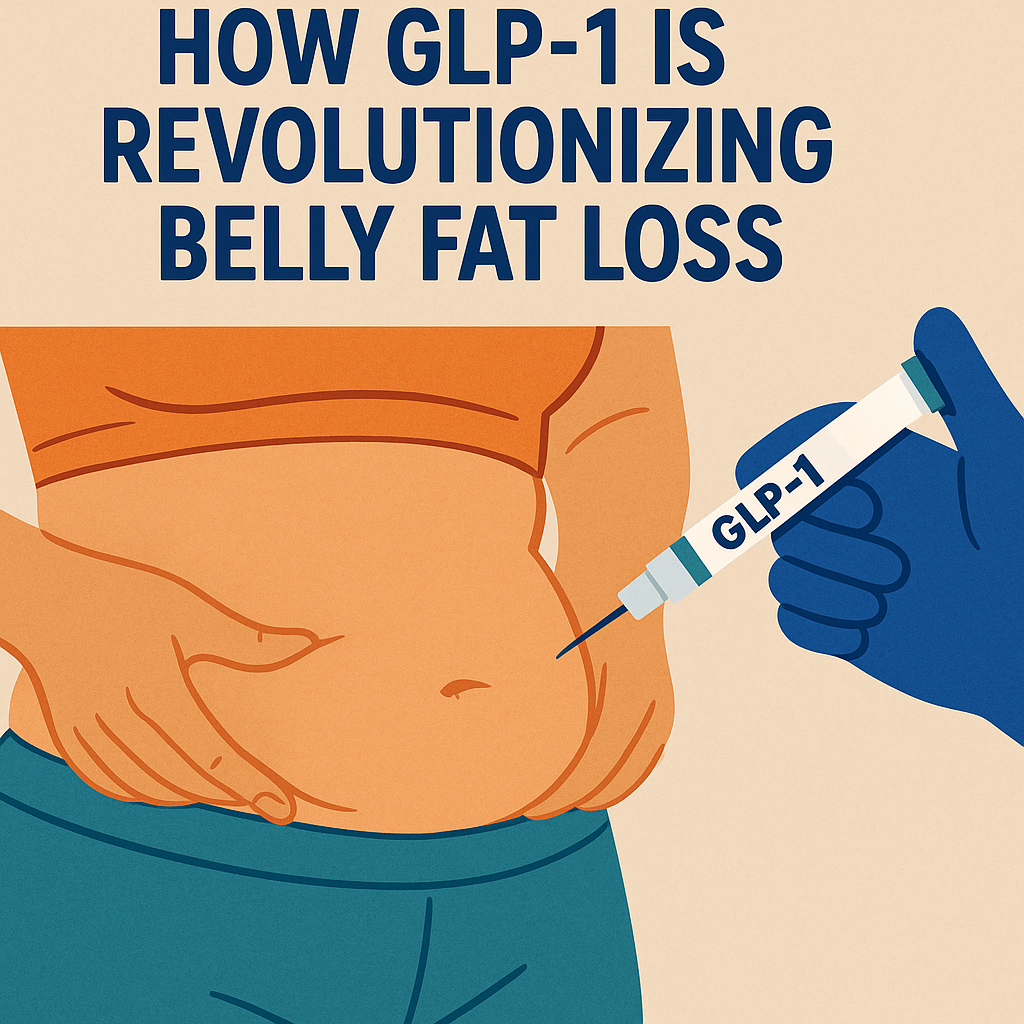
  • Transforming Your Waistline: How GLP-1 Is Revolutionizing Belly Fat Loss

    Transforming Your Waistline: How GLP-1 Is Revolutionizing Belly Fat Loss

    In the ongoing battle against obesity, science is uncovering new tools and methods to help individuals achieve their weight loss goals. One promising area of research centers around the hormone glucagon-like peptide-1 (GLP-1). Initially studied for its role in blood sugar regulation, GLP-1 has garnered attention for its potential in weight management, particularly for reducing belly fat. In this article, we will explore how GLP-1 works, its benefits in belly fat loss, and why it is gaining traction as a revolutionary approach in the field of weight loss.

    Understanding GLP-1

    GLP-1 is an incretin hormone produced in the intestines in response to food intake. Its primary functions include enhancing insulin secretion, promoting satiety, and inhibiting glucagon release. The overall effect is a reduction in blood sugar levels, making it particularly beneficial for individuals with type 2 diabetes.

    However, researchers have also identified another vital aspect of GLP-1: its role in appetite regulation. By signaling to the brain that the body is full, GLP-1 can help reduce food intake, thereby contributing to weight loss.

    The Relationship Between GLP-1 and Belly Fat

    Belly fat, or visceral fat, is a type of fat stored in the abdominal cavity and is linked to several health conditions, including heart disease, type 2 diabetes, and inflammation. Unlike subcutaneous fat, which lies just under the skin, visceral fat surrounds vital organs, presenting a significant health risk.

    Studies suggest that GLP-1 can play a crucial role in targeting this stubborn area of fat. By enhancing feelings of fullness and reducing appetite, GLP-1-based treatments have been shown to lead to considerable reductions in belly fat. This makes GLP-1 not merely a tool for weight loss, but a potential safeguard against the health risks associated with visceral fat.

    How GLP-1 Works

    GLP-1 works through several mechanisms:

    • Appetite Suppression: GLP-1 acts on specific brain regions responsible for hunger regulation, reducing the desire to eat.
    • Slowing Gastric Emptying: By slowing down food transit through the stomach, GLP-1 prolongs the feeling of fullness and reduces overall caloric intake.
    • Enhancement of Insulin Sensitivity: GLP-1 increases the body’s responsiveness to insulin, which can help manage blood sugar levels and reduce fat storage.
    • Promotion of Lipolysis: Some studies have indicated that GLP-1 can encourage fat breakdown, especially in fat tissues, which contributes to the loss of visceral fat.

    GLP-1 Agonists: A New Era in Weight Management

    This understanding of GLP-1’s functions has paved the way for the development of GLP-1 receptor agonists, which are medications designed to mimic the action of GLP-1 in the body. Notable examples include Semaglutide and Liraglutide, which have received approval for weight management in addition to their primary use in treating type 2 diabetes.

    Clinical trials have revealed promising outcomes. In such studies, participants treated with GLP-1 receptor agonists experienced significantly greater weight loss compared to those on placebo treatments. The results are particularly compelling regarding reducing visceral fat, which is often the most challenging area for many individuals.

    Numerous Benefits Beyond Weight Loss

    While weight loss is a primary concern, GLP-1 receptor agonists also present several other benefits:

    • Improved Metabolic Health: Weight loss through GLP-1 can lead to better blood sugar control, lower cholesterol levels, and decreased blood pressure.
    • Cardiovascular Benefits: Some studies suggest that GLP-1 medication can reduce the risk of cardiovascular events in people with type 2 diabetes.
    • Enhanced Quality of Life: Achieving and maintaining a healthier weight can lead to improved physical and mental health, thus enhancing overall quality of life.

    Challenges and Considerations

    Despite the promise of GLP-1 in weight management, there are several considerations to keep in mind:

    • Individual Variation: Not everyone responds to GLP-1 receptor agonists in the same way; some may experience more pronounced benefits than others.
    • Cost and Accessibility: GLP-1 medications can be expensive, and not all patients may have insurance coverage for them.
    • Side Effects: Some users of GLP-1 medications report side effects like nausea, vomiting, and gastrointestinal discomfort. It’s important to discuss these with a healthcare provider.
    • Integration with Lifestyle Changes: GLP-1 medications should complement a balanced diet and regular exercise for the best results.

    Conclusion

    The emergence of GLP-1 and its receptor agonists marks a significant evolution in the approach to weight management and belly fat loss. By exploiting the natural appetite-regulating properties of GLP-1, individuals can achieve meaningful and sustainable weight loss results. As research continues, GLP-1 represents not just a new medication, but a paradigm shift in the understanding of obesity and its treatment.

    When considering GLP-1 therapies, it’s crucial to engage in an open dialogue with healthcare professionals to ensure a safe, effective, and tailored weight loss approach. As more individuals seek effective solutions to manage their waistlines, GLP-1 offers hope and tangible benefits for addressing the challenges of belly fat loss.

    FAQs

    What are the main benefits of GLP-1 for weight loss?

    GLP-1 helps with weight loss by suppressing appetite, slowing gastric emptying, enhancing insulin sensitivity, and promoting fat breakdown, particularly in the abdominal area.

    Are there any side effects associated with GLP-1 medications?

    Some individuals may experience side effects such as nausea, vomiting, diarrhea, or abdominal pain. These effects often decrease over time but should be discussed with a healthcare provider.

    Can GLP-1 treatments replace a healthy diet and exercise?

    No, GLP-1 treatments are designed to complement a healthy diet and exercise program, not replace them. Combining these lifestyle changes with GLP-1 medications can enhance weight loss results.

    Is GLP-1 safe for everyone?

    GLP-1 medications are generally safe for most individuals, but those with specific medical conditions or who are pregnant should consult with their healthcare provider before starting treatment.

    How long does it take to see results from GLP-1 treatments?

    Results can vary, but many individuals begin to see meaningful weight loss within a few weeks of starting GLP-1 treatments, especially when combined with lifestyle changes.

  • Tirzepatide: The Game-Changer in Weight Loss? Exploring the Latest Breakthrough

    Tirzepatide: The Game-Changer in Weight Loss? Exploring the Latest Breakthrough

    Introduction

    In the quest for effective weight management solutions, tirzepatide has emerged as a groundbreaking contender. Approved by the FDA in May 2022 for the treatment of type 2 diabetes, this dual-action compound has gained attention for its potential in promoting significant weight loss in individuals, making it a topic of heated discussions among healthcare providers and patients alike. But what exactly is tirzepatide, how does it work, and what implications does it have for weight loss? This article aims to delve into the mechanisms of tirzepatide, its clinical trials, potential side effects, and its overall position in the landscape of weight loss treatments.

    What is Tirzepatide?

    Tirzepatide is a novel compound designed to mimic two naturally occurring hormones: GLP-1 (glucagon-like peptide-1) and GIP (gastric inhibitory polypeptide). These hormones play essential roles in regulating glucose metabolism and appetite. By activating the GLP-1 and GIP receptors, tirzepatide not only helps improve insulin sensitivity and reduce blood sugar levels but also induces feelings of fullness, leading to reduced caloric intake. This dual action offers a comprehensive approach to weight management, addressing both metabolic and appetitive aspects.

    Clinical Trials and Efficacy

    KEYNOTE Trials

    The efficacy of tirzepatide has been demonstrated in several key clinical trials. One of the most noteworthy studies was the SURPASS-1 trial, where participants treated with tirzepatide exhibited significant weight loss compared to those receiving a placebo. The results indicated an average weight loss of up to 15% over a period of 72 weeks, remarkable when considering the average weight loss with traditional methods.

    Pivotal Findings

    The SURPASS 2 trial, assessing tirzepatide in comparison to other GLP-1 receptor agonists, showed a considerable reduction in body weight when patients were administered a weekly dose. Importantly, tirzepatide’s impact goes beyond just weight loss; it also resulted in improved metabolic parameters, such as lower triglyceride levels and better blood pressure control, offering a holistic approach to managing obesity and its associated comorbidities.

    Mechanism of Action

    Tirzepatide operates through multiple mechanisms. Its primary action involves stimulating the GLP-1 and GIP receptors, which leads to increased insulin secretion in response to meals, thereby lowering blood sugar levels. Additionally, this dual action helps to slow gastric emptying, contributing to prolonged feelings of satiety. As a result, users may feel less hungry, naturally leading to reduced caloric intake and promoting weight loss.

    Moreover, tirzepatide’s unique interaction with the central nervous system can also influence appetite regulation. This modulation at various levels of metabolic control sets tirzepatide apart from existing weight loss medications, making it an appealing option for those struggling with obesity.

    Potential Side Effects

    As with any medication, tirzepatide is not without its potential side effects. Commonly reported adverse events include gastrointestinal issues such as nausea, vomiting, diarrhea, and abdominal pain. While these effects may diminish over time as the body adjusts to the medication, it’s essential for healthcare providers and patients to be aware of them.

    Serious side effects, although rare, may also occur, including pancreatitis and kidney problems. As tirzepatide is a relatively new drug, ongoing studies will shed more light on its long-term safety and any rare or emerging side effects.

    Comparative Analysis with Other Treatments

    Traditional Weight Loss Medications

    Compared to traditional weight loss medications, tirzepatide’s dual action provides unique advantages. Medications such as phentermine work primarily by suppressing appetite but may come with risks of dependence and cardiovascular complications. Meanwhile, liraglutide, another GLP-1 receptor agonist, has been previously used for weight management but has shown less efficacy compared to tirzepatide.

    Surgical Interventions

    While surgical options, such as bariatric surgery, offer substantial weight loss, they come with significant risks and require considerable lifestyle changes pre- and post-operation. In contrast, tirzepatide presents a less invasive method that individuals can incorporate into their existing lifestyle, making it an accessible option for many.

    The Future of Tirzepatide in Weight Management

    As tirzepatide continues to make waves in the realm of obesity management, its future seems promising. Ongoing research is exploring its efficacy in various populations, including those without diabetes, to understand its broader applications. Furthermore, studies are likely to examine the long-term effects of tirzepatide to provide more comprehensive safety data.

    The drug’s mechanism of action positions it favorably in a market increasingly focused on personalized medicine. Tailoring weight management strategies to individual metabolic profiles could be a game-changer in treating obesity, and tirzepatide could play an essential role in this paradigm shift.

    Conclusion

    Tirzepatide represents a significant advancement in the landscape of weight loss therapies, offering a powerful new option for those struggling with obesity and metabolic disorders. Its dual-action mechanism addresses the physiological factors contributing to weight gain, setting it apart from traditional treatments. While promising, the emergence of this new compound requires ongoing research to fully understand its long-term effects and safety profile.

    As the medical community and patients navigate the complexities of weight management, tirzepatide serves as a beacon of hope, signaling a shift toward more effective, targeted, and sustainable solutions.

    FAQs

    What is tirzepatide used for?

    Tirzepatide is primarily used for the management of type 2 diabetes and has demonstrated effectiveness in promoting weight loss in individuals with obesity.

    How does tirzepatide aid in weight loss?

    Tirzepatide mimics two hormones that control glucose metabolism and appetite, leading to improved insulin sensitivity and reduced caloric intake.

    Are there any side effects associated with tirzepatide?

    Common side effects include gastrointestinal issues, while serious side effects may involve pancreatitis and kidney problems. Always consult your healthcare provider for personalized advice.

    How does tirzepatide compare to other weight loss medications?

    Compared to traditional weight loss medications, tirzepatide offers a dual action of enhancing metabolism and reducing appetite, making it potentially more effective.

    Is tirzepatide safe for everyone?

    Tirzepatide has been shown to be safe in clinical trials; however, it may not be suitable for everyone. Consult with a healthcare professional to evaluate if it’s appropriate for your needs.

  • Semaglutide: The Game-Changer in Weight Loss Solutions

    Semaglutide: The Game-Changer in Weight Loss Solutions

    In recent years, the focus on obesity and related health challenges has become more pronounced than ever. As life expectancy increases, the necessity for effective weight management solutions has surged. Among the numerous options available, Semaglutide has emerged as a groundbreaking pharmaceutical agent that has revolutionized weight loss treatment. This article explores Semaglutide in detail, delves into its mechanism of action, benefits, and potential side effects, and highlights its role as a game-changer in weight loss solutions.

    Understanding Semaglutide

    Semaglutide is a glucagon-like peptide-1 (GLP-1) receptor agonist initially developed for managing type 2 diabetes. It helps in regulating blood sugar levels but has gained attention for its significant impact on weight loss. The drug mimics the effects of the natural hormone GLP-1, which plays a crucial role in appetite regulation and energy balance.

    Mechanism of Action

    The pharmacological action of Semaglutide hinges on stimulating the GLP-1 receptors found in various parts of the body, particularly in the brain and the digestive tract. Here’s how it works:

    • Appetite Suppression: Semaglutide signals to the brain that the body is full, reducing hunger, and promoting satiety. This helps individuals consume fewer calories throughout the day.
    • Delayed Gastric Emptying: By slowing down the movement of food from the stomach to the intestines, Semaglutide enhances feelings of fullness and reduces the frequency of hunger pangs.
    • Improved Glycemic Control: Initially aimed at controlling blood glucose in diabetic patients, Semaglutide helps stabilize blood sugar levels, thereby reducing cravings for high-calorie foods.

    Clinical Evidence Supporting Weight Loss

    Multiple clinical trials have demonstrated the efficacy of Semaglutide as a weight loss solution. A landmark study published in the New England Journal of Medicine in 2021 revealed astounding results:

    • Participants who received weekly injections of Semaglutide for 68 weeks lost an average of 15-20% of their body weight, surpassing traditional weight loss methods.
    • A significant portion of the participants achieved at least a 5% reduction in body weight, which is often sufficient to improve obesity-related health issues.

    Such results indicate a profound impact, making Semaglutide a compelling option for those struggling with obesity or weight management issues.

    Additional Benefits of Semaglutide

    Beyond weight loss, Semaglutide presents several additional health benefits:

    • Reduction in Cardiovascular Risk: Studies reveal that weight loss achieved through Semaglutide can lower cardiovascular risk factors, such as high blood pressure and elevated cholesterol levels.
    • Improved Quality of Life: Many users report enhanced overall well-being, physical fitness, and mental health, contributing to a more active lifestyle.
    • Potential for Diabetes Remission: For those with pre-diabetes or type 2 diabetes, effective weight management through Semaglutide may lead to remission, reducing the need for associated medications.

    Administration and Dosage

    Semaglutide is administered via a subcutaneous injection, typically in the abdomen, thigh, or upper arm. The initial dosing typically starts lower to allow for adjustment and reduce the risk of gastrointestinal side effects. The dosage can gradually be increased based on individual tolerance and prescribed by healthcare professionals.

    Side Effects and Considerations

    While Semaglutide presents many benefits, it’s essential to consider potential side effects:

    • Gastrointestinal Issues: Common side effects include nausea, diarrhea, and vomiting. These symptoms usually decrease over time as the body adjusts to the medication.
    • Pancreatitis Risk: There have been reports of pancreatitis in some users, highlighting the importance of monitoring for stomach pain or persistent nausea.
    • Kidney Function: Some studies have suggested a correlation between Semaglutide use and kidney issues; thus, regular checks are necessary.

    Consultation with healthcare providers is crucial for assessing individual suitability for this medication and monitoring any adverse effects.

    Who Should Consider Semaglutide?

    Semaglutide is generally prescribed for individuals with a body mass index (BMI) of 30 or greater (obesity) or a BMI of at least 27 with weight-related health issues, such as type 2 diabetes, hypertension, or dyslipidemia. It is not suitable for pregnant individuals, those with a personal history of medullary thyroid carcinoma, or certain other medical conditions.

    Conclusion

    Semaglutide has emerged as a revolutionary medication in the realm of weight loss, providing an effective tool for individuals struggling with obesity and related health issues. Its dual benefits of weight loss and improved glycemic control make it a comprehensive solution for weight management. While it is imperative to weigh the benefits against potential side effects, Semaglutide holds promise for transforming the lives of many individuals seeking healthier lifestyles.

    FAQs

    What is Semaglutide used for?

    Semaglutide is primarily used as a treatment for type 2 diabetes and has also been found effective for weight loss in individuals with obesity or excess weight. It helps regulate appetite and promotes significant weight loss.

    How long does it take to see results from Semaglutide?

    Many users start to notice weight loss results within the first few weeks of treatment. However, significant changes are typically observed after about 12 to 16 weeks of consistent use.

    Is Semaglutide safe to use?

    Semaglutide is generally considered safe for most individuals when used under proper medical supervision. However, it is vital to discuss individual medical histories with healthcare providers to assess any risks or contraindications.

    Can I take Semaglutide with other medications?

    Semaglutide can be used alongside other medications, but it’s essential to consult with a healthcare provider who can evaluate potential interactions and adjust treatment plans accordingly.

    How does Semaglutide compare to other weight loss medications?

    Semaglutide has shown superior weight loss results compared to many other weight loss medications on the market. It’s crucial to consult a healthcare professional to determine the best weight loss option for individual needs.

    © 2023 Semaglutide Research Review

  • Revolutionizing Weight Loss: How GLP-1 Medications Are Changing the Game

    Revolutionizing Weight Loss: How GLP-1 Medications Are Changing the Game

    Obesity has reached epidemic proportions globally, with millions of individuals struggling to achieve and maintain weight loss. Traditional methods, such as diet and exercise, have often proven insufficient for many, leading to an ongoing search for effective solutions. In recent years, GLP-1 (Glucagon-like peptide-1) medications have garnered attention for their potential to revolutionize weight loss strategies. These medications, originally developed for the treatment of type 2 diabetes, are now being recognized for their efficacy in weight management. This article delves into the mechanisms, benefits, and implications of GLP-1 medications in the realm of weight loss.

    Understanding GLP-1 Medications

    GLP-1 is a hormone produced in the intestines, playing a crucial role in glucose metabolism. When we eat, GLP-1 is released from the gut and helps regulate blood sugar levels by enhancing insulin secretion and suppressing glucagon release (a hormone that raises blood sugar levels). However, its effects extend beyond blood sugar control; GLP-1 also influences appetite and satiety.

    GLP-1 medications are synthetic versions of this hormone, designed to mimic its effects. The most well-known GLP-1 medications include:

    • Semaglutide (brand name Ozempic and Wegovy)
    • Liraglutide (brand name Saxenda)
    • Dulaglutide (brand name Trulicity)
    • Exeatide (brand name Byetta and Bydureon)

    Mechanism of Action

    GLP-1 medications work through several mechanisms to facilitate weight loss:

    • Appetite Suppression: GLP-1 medications act on the brain’s appetite centers, helping to reduce hunger and enhance feelings of fullness. This leads to a decrease in food intake.
    • Slower Gastric Emptying: These medications slow down the rate at which the stomach empties, prolonging satiety and further reducing the desire to eat.
    • Improved Insulin Sensitivity: By enhancing insulin secretion in response to meals, GLP-1 medications help stabilize blood sugar levels, which can aid in managing cravings and overeating.

    Benefits of GLP-1 Medications for Weight Loss

    The introduction of GLP-1 medications for weight loss can be a game-changer for many individuals. Here are some of the primary benefits:

    • Significant Weight Loss: Clinical studies have shown that individuals using GLP-1 medications can achieve an average weight loss of 10-20% of their body weight. This is considerably higher than what is typically achieved through lifestyle interventions alone.
    • Maintenance of Weight Loss: One of the significant challenges in weight loss is maintaining it over time. GLP-1 medications have been associated with improved weight maintenance, offering hope for those who have struggled with yo-yo dieting.
    • Metabolic Improvements: Aside from weight loss, GLP-1 medications can improve other metabolic parameters, such as lowering blood pressure, cholesterol levels, and improving glycemic control.
    • Cardiovascular Benefits: Some studies indicate that GLP-1 medications may offer cardiovascular protection, reducing the risk of heart disease for individuals with obesity.

    Challenges and Considerations

    While the benefits of GLP-1 medications are promising, there are important considerations to keep in mind:

    • Side Effects: Some individuals may experience gastrointestinal side effects such as nausea, vomiting, and diarrhea. These effects typically diminish over time but can be challenging for new users.
    • Cost: GLP-1 medications can be expensive, and not all insurance plans cover them for weight loss. This financial barrier may prevent access for some individuals.
    • Not a Standalone Solution: While GLP-1 medications can enhance weight loss efforts, they should not be viewed as a “magic pill.” A comprehensive approach, including dietary and lifestyle changes, remains crucial for long-term success.

    The Future of Weight Loss with GLP-1 Medications

    The landscape of weight management is evolving as more research emerges around GLP-1 medications. Their potential not only addresses obesity but also has implications for associated conditions such as type 2 diabetes, hypertension, and cardiovascular disease. As awareness grows and more clinical guidelines incorporate these medications, we may see a shift in how healthcare providers approach obesity treatment.

    Moreover, ongoing research is focused on understanding the long-term effects and exploring combination therapies that integrate GLP-1 medications with lifestyle interventions. Such strategies aim to optimize weight loss outcomes and improve overall health.

    Patient Experiences and Real-World Outcomes

    Many patients report transformative experiences after starting GLP-1 medications. Success stories often highlight the combination of reduced appetite, increased energy, and improved mood. Patients express feelings of empowerment as they engage in healthier eating habits and participate in physical activities.

    One common thread among these stories is the sense of community and support. Many patients are encouraged by group programs or telehealth options that provide continuous feedback and motivation. This social aspect contributes to sustained behavior changes, amplifying the effects of GLP-1 medications.

    Conclusion

    The emergence of GLP-1 medications marks a significant shift in the battle against obesity. By targeting multiple mechanisms related to appetite, satiety, and metabolic function, these medications offer a compelling option for individuals who have struggled to achieve long-term weight loss through traditional methods. As more research continues to unfold, and as healthcare providers become more familiar with these treatments, GLP-1 medications hold the promise of a brighter future for weight management.

    Nevertheless, it is essential for individuals considering GLP-1 medications to consult healthcare professionals to determine the most effective and personalized approach to their weight loss journey. Together, with lifestyle modifications, GLP-1 medications can be a critical component in achieving lasting weight management success.

    FAQs

    1. What are GLP-1 medications?

    GLP-1 medications are synthetic forms of the hormone glucagon-like peptide-1, designed to regulate blood sugar levels and aid in weight loss by suppressing appetite and enhancing satiety.

    2. Who can benefit from GLP-1 medications?

    GLP-1 medications are generally prescribed for individuals with obesity or overweight conditions, especially those with comorbidities such as type 2 diabetes, hypertension, or cardiovascular disease.

    3. Are there side effects associated with GLP-1 medications?

    Yes, some individuals experience gastrointestinal issues, such as nausea or diarrhea. However, these side effects may decrease over time as the body adjusts.

    4. How much weight can I expect to lose with GLP-1 medications?

    Clinical studies have shown average weight loss ranging from 10-20% of body weight, although individual results can vary based on several factors including diet and lifestyle.

    5. Are GLP-1 medications a standalone solution for weight loss?

    No, while GLP-1 medications can enhance weight loss, they work best in conjunction with lifestyle changes like healthy eating and regular exercise.

    © 2023 Revolutionizing Weight Loss Insights