Introduction
In recent years, GLP-1 (glucagon-like peptide-1) receptor agonists have gained significant attention in the management of type 2 diabetes and obesity. These medications not only help regulate blood sugar levels but also induce weight loss. However, one of the common side effects that patients may experience is gastrointestinal discomfort, particularly nausea. Understanding the relationship between GLP-1 receptor agonists and digestive health can empower patients and their healthcare providers to make informed decisions regarding treatment options.
What are GLP-1 Receptor Agonists?
GLP-1 receptor agonists are a class of medications that mimic the action of incretin hormones, which are released after eating. These hormones stimulate insulin secretion in response to glucose, inhibit glucagon release, slow gastric emptying, and promote satiety, making them invaluable in managing type 2 diabetes. Examples of GLP-1 receptor agonists include:
- Exenatide (Byetta, Bydureon)
- Liraglutide (Victoza, Saxenda)
- Dulaglutide (Trulicity)
- Semaglutide (Ozempic, Wegovy)
These agents are typically prescribed alongside lifestyle interventions such as diet and exercise to enhance glycemic control and promote weight loss.
Understanding Nausea as a Side Effect
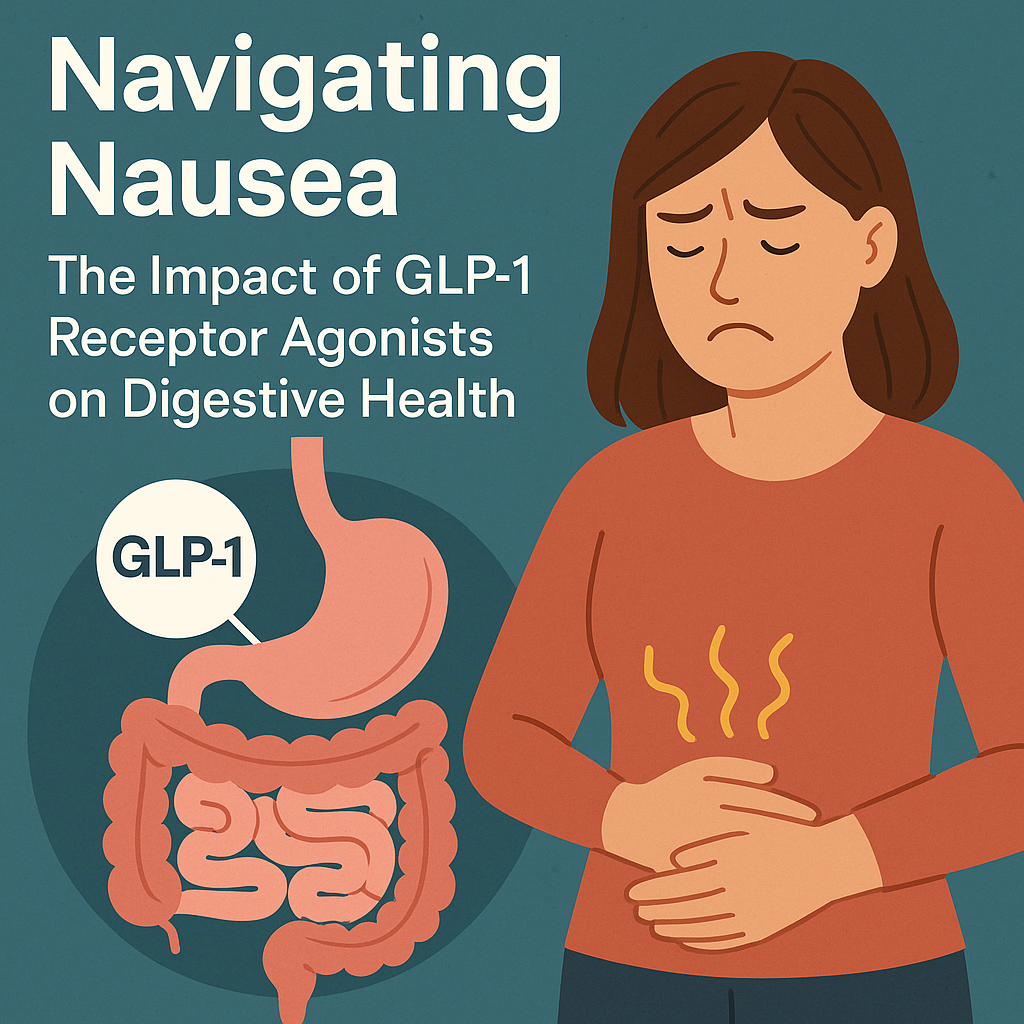
Despite their therapeutic benefits, many patients report experiencing nausea when starting GLP-1 receptor agonists. This adverse effect can significantly impact the quality of life and adherence to treatment. Nausea is often attributed to delayed gastric emptying, which is a physiological effect of these medications.
When food stays in the stomach longer, it can lead to feelings of fullness and discomfort, triggering nausea. Studies indicate that nausea is most prevalent in the initial weeks of treatment and typically diminishes over time as the body adjusts to the medication.
Mechanisms Behind Nausea
The nausea induced by GLP-1 receptor agonists can be explained through various biological mechanisms:
- Gastric Emptying: GLP-1 slows gastric emptying, which prolongs the time food spends in the stomach and can result in feelings of fullness and nausea.
- Central Nervous System Effects: GLP-1 receptors in the brain may also influence the central pathways that regulate nausea and vomiting.
- Interaction with Other Hormones: GLP-1 interacts with other gut hormones that regulate appetite and satiety, potentially amplifying sensations of nausea.
Managing Nausea While on GLP-1 Receptor Agonists
While nausea may be a common side effect, there are several strategies that patients can adopt to manage this discomfort:
- Start Low, Go Slow: Gradually increasing the dose of GLP-1 receptor agonists can help the body acclimate to the new medication and minimize nausea.
- Eat Smaller Meals: Consuming smaller, more frequent meals can reduce the load on the stomach, decreasing the likelihood of nausea.
- Choose the Right Foods: High-fat and high-fiber foods may exacerbate nausea. Opt for bland and easy-to-digest foods when experiencing symptoms.
- Stay Hydrated: Maintaining proper hydration can also mitigate feelings of nausea. Sufficient fluid intake can help stomach contents move more comfortably.
- Taking Medications with Food: If permitted by the prescribing doctor, taking GLP-1 receptor agonists with food may help to counteract nausea.
Long-Term Implications of Nausea
While nausea is generally a transient side effect, its long-term implications can be significant for some patients. Chronic nausea may lead to:
- Reduced Medication Adherence: Persistent nausea can discourage regular use of GLP-1 receptor agonists, jeopardizing glycemic control and weight management.
- Impact on Quality of Life: The frustration and discomfort related to persistent nausea can affect daily activities, social interactions, and overall mental health.
- Nutritional Deficiencies: If nausea leads to decreased appetite and food intake, patients may become at risk for deficiencies in vital nutrients.
When to Consult a Healthcare Provider
Patients experiencing nausea should feel empowered to communicate with their healthcare providers. It’s crucial to consult a provider if:
- Nausea persists beyond the initial treatment phase.
- Nausea is severe enough to cause vomiting or is influencing nutritional intake.
- Other concerning symptoms develop, such as abdominal pain or unusual changes in bowel habits.
- Medication adjustment or alternative treatments may be necessary.
Conclusion
GLP-1 receptor agonists present a beneficial pharmacological option for individuals managing type 2 diabetes and obesity. While nausea is a common side effect, understanding its mechanisms and an array of management strategies can empower patients in their treatment decisions. Open communication with healthcare providers is essential to navigate the challenges posed by nausea and to maximize the overall benefits of GLP-1 receptor agonists for digestive health.
FAQs
1. Are all patients on GLP-1 receptor agonists likely to experience nausea?
No, while nausea is a common side effect, not all patients will experience it. Individual responses to medication can vary significantly.
2. How long does nausea typically last when starting GLP-1 receptor agonists?
Nausea often occurs during the first few weeks of treatment and may improve as the body adjusts. If nausea persists, it’s important to consult a healthcare provider.
3. Can nausea lead to weight loss?
While some weight loss can occur due to decreased appetite and food intake from nausea, it’s important to avoid unintentional or excessive weight loss that can lead to nutritional deficiencies.
4. Are there any medications to help reduce nausea while on GLP-1 receptor agonists?
Some anti-nausea medications may be prescribed by healthcare providers to help manage symptoms. Always consult a healthcare provider before adding any medications.
5. What lifestyle changes can help mitigate nausea?
Implementing a balanced diet, eating smaller meals, staying hydrated, and gradually increasing the dosage of GLP-1 receptor agonists can help manage nausea effectively.
Leave a Reply