Introduction
In recent years, the emphasis on healthy eating has shifted significantly, focusing on how certain diets can improve overall health and well-being. One of the most effective regimes gaining traction is the high-protein GLP-1 diet. This approach not only aims at promoting weight loss but also enhances metabolic health, making it an appealing choice for many. In this article, we will explore the intricacies of the high-protein GLP-1 diet, its benefits, and how to effectively incorporate it into your meal plan.
Understanding GLP-1
GLP-1, or glucagon-like peptide-1, is a hormone produced in the intestines in response to food intake. Its primary role is to regulate appetite and insulin secretion, making it a key player in blood sugar management. Higher levels of GLP-1 trigger feelings of fullness, thereby reducing food intake and helping with weight management.
A diet that supports GLP-1 production can lead to more stable blood sugar levels, reduced cravings, and ultimately a more controlled caloric intake. This is where the concept of combining high-protein foods with a GLP-1-focused diet comes into play.
The Role of Protein
Protein is essential for muscle repair, hormone production, and overall bodily functions. When incorporated into a meal plan, protein plays a significant role in enhancing satiety and promoting muscle growth, which is crucial for maintaining a healthy metabolism. High-protein meals tend to take longer to digest, leading to prolonged feelings of fullness.
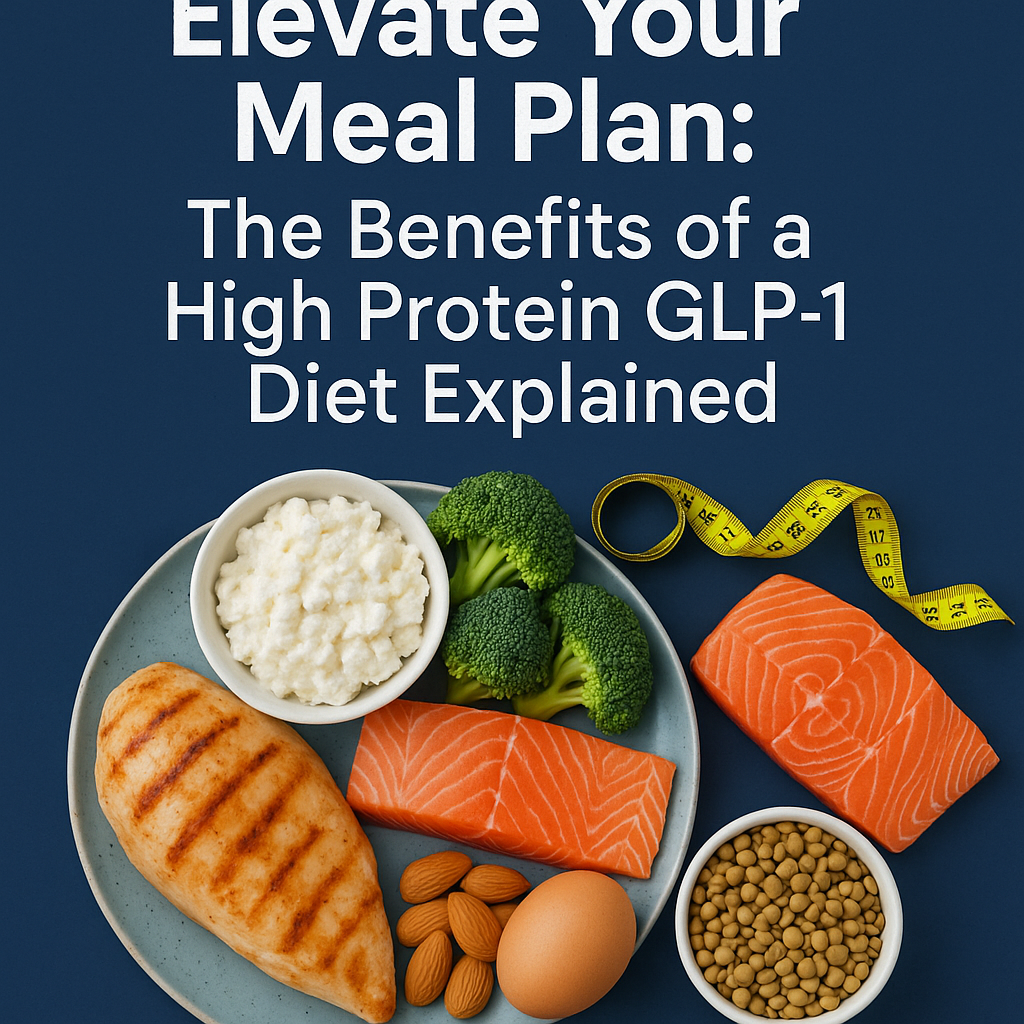
On average, a high-protein diet consists of at least 25% of daily caloric intake from protein sources, such as lean meats, fish, dairy products, legumes, and plant-based proteins. Not only does this provide the body with the necessary amino acids, but it also works synergistically with GLP-1 to promote better metabolic health.
Benefits of a High-Protein GLP-1 Diet
1. Enhanced Weight Loss
Integrating high-protein foods into your meal plan boosts satiety, effectively curtailing hunger throughout the day. Research indicates that those on a high-protein diet tend to consume fewer calories overall, leading to gradual and sustainable weight loss.
2. Improved Blood Sugar Control
Foods high in protein can help regulate blood sugar levels. When consumed, protein triggers the release of GLP-1, which in turn slows down gastric emptying. This means sugars and carbohydrates enter the bloodstream more gradually, preventing insulin spikes and crashes.
3. Muscle Preservation
In weight loss scenarios, preserving lean muscle mass is essential. High-protein diets contribute to muscle retention while promoting fat loss. This is critical, especially for older adults, as it helps prevent sarcopenia or age-related muscle loss.
4. Next-Level Satiety
Studies have shown that high-protein meals lead to greater feelings of fullness compared to those rich in carbohydrates or fats. This added satiety helps reduce overall caloric intake, further supporting weight management goals.
5. Improved Mood and Mental Clarity
Protein is associated with the production of neurotransmitters that play a role in mood regulation. Moreover, stable glucose levels result from effective blood sugar control, helping to mitigate mood swings and promote mental clarity.
How to Incorporate a High Protein GLP-1 Diet
Choose High-Quality Protein Sources
Opt for lean meats, fish, eggs, nuts, seeds, and legumes. Aim to include a source of protein at every meal to maximize its benefits.
Incorporate Fiber-Rich Foods
Combining high-protein foods with fiber-rich options such as vegetables, whole grains, and legumes further aids in digestion and helps sustain GLP-1 levels.
Meal Prep for Success
Preparation is key to maintaining a high-protein GLP-1 diet. Dedicate a day for meal prepping to ensure you have healthy options readily available, reducing the temptation of reaching for quick, less nutritious choices.
Monitor Your Progress
Keeping a food diary or using apps designed for tracking meals can help you stay accountable. Note how your body feels post-meals, your energy levels, and any changes in mood or hunger spikes.
Consult a Healthcare Professional
Before starting any new diet, especially one aimed at significant weight loss or health changes, consider seeking advice from a healthcare provider or a registered dietitian. This ensures the plan aligns with your personal health needs and goals.
Conclusion
Elevating your meal plan through a high protein GLP-1 diet can have numerous beneficial effects on your overall well-being. From enhanced weight loss and improved blood sugar control to better mood regulation, the potential advantages are compelling. This dietary approach not only aids in physical health but also supports mental clarity and emotional well-being. While transitioning to a high-protein GLP-1 diet may require some adjustments, the long-term benefits make it a worthwhile investment in your health journey.
FAQs
1. What foods are considered high in protein?
Foods rich in protein include lean meats (like chicken and turkey), fish (like salmon and tuna), eggs, dairy products (like Greek yogurt and cottage cheese), legumes (like beans and lentils), nuts, and seeds.
2. How does the GLP-1 diet aid in weight loss?
The GLP-1 diet aids in weight loss by regulating appetite, improving insulin sensitivity, and promoting feelings of fullness, which reduces overall caloric intake.
3. Are there any side effects of a high-protein diet?
Some may experience digestive issues, such as constipation or increased protein in the kidneys. It’s important to include fiber and drink sufficient water to alleviate any such discomfort.
4. Can I follow a high-protein GLP-1 diet if I’m vegetarian or vegan?
Absolutely! Vegetarians and vegans can focus on high-protein plant foods like legumes, tofu, tempeh, quinoa, nuts, and seeds to maximize their protein intake without compromising their dietary preferences.
5. How quickly can I expect results from a high-protein GLP-1 diet?
Results may vary depending on individual goals, adherence to the diet, and physical activity levels. However, many people start to notice weight loss and other health improvements within a few weeks.
Leave a Reply