Introduction
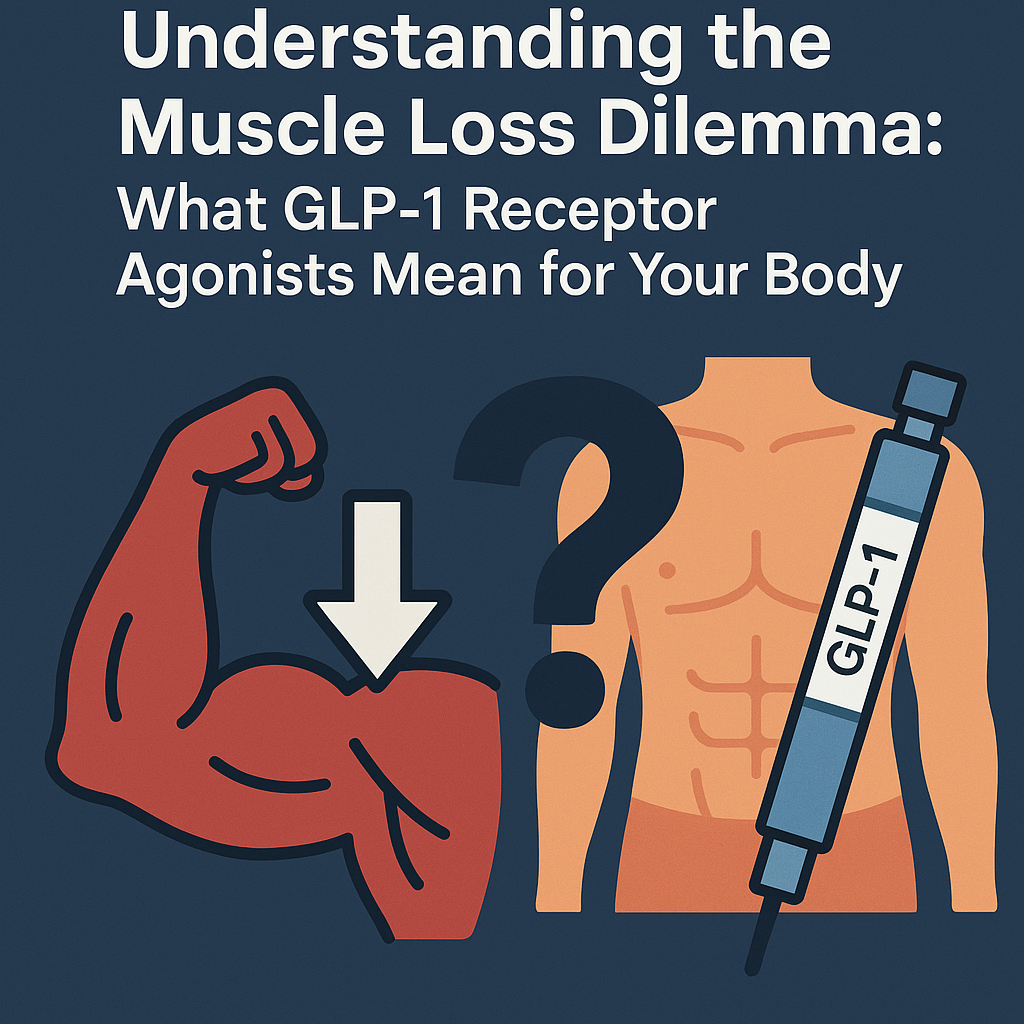
In recent years, GLP-1 receptor agonists have gained popularity as a treatment for type 2 diabetes and obesity. Medications like semaglutide and liraglutide act on the glucagon-like peptide-1 receptor to help regulate insulin secretion, appetite, and glucose metabolism. While they can be beneficial, one significant concern is their impact on muscle mass. In this article, we will delve into understanding the muscle loss dilemma associated with GLP-1 receptor agonists and evaluate their implications for your body.
What Are GLP-1 Receptor Agonists?
GLP-1 receptor agonists are a class of medications that mimic the action of the naturally occurring hormone GLP-1. This hormone plays a key role in the body’s ability to regulate blood sugar levels. GLP-1 receptor agonists work through several mechanisms:
- Stimulating insulin secretion when blood glucose levels are high.
- Inhibiting glucagon release, which reduces glucose production in the liver.
- Slowing gastric emptying, which helps to curb appetite.
By doing so, they can lead to weight loss and improved glycemic control, which can be particularly beneficial for individuals struggling with obesity and type 2 diabetes.
How Do GLP-1 Agonists Affect Muscle Mass?
One of the less discussed but critical concerns about GLP-1 receptor agonists is their potential effect on muscle mass. Research suggests that while these medications can lead to significant weight loss, some individuals may experience muscle loss as well. Here are several reasons why this may happen:
- Caloric Deficit: The appetite-suppressing effects of GLP-1 receptor agonists can lead to a caloric deficit. When the body is in a caloric deficit, it prioritizes fat loss over muscle preservation, potentially leading to muscle loss over time.
- Increased Fat Oxidation: GLP-1 receptor agonists promote increased fat oxidation, which means that the body may preferentially burn fat for energy instead of using muscle protein, particularly if protein intake is inadequate.
- Inadequate Nutritional Intake: Patients on GLP-1 agonists may unintentionally reduce their intake of protein-rich foods, which are essential for muscle maintenance and growth. Without sufficient protein, muscle protein synthesis can decrease.
- Decreased Physical Activity: Weight loss can lead some individuals to become less active, resulting in decreased muscle stimulus and possibly leading to muscle atrophy.
Risk Factors for Muscle Loss
Certain populations may be at a higher risk for muscle loss when using GLP-1 receptor agonists:
- Older Adults: Aging is associated with a natural decline in muscle mass (sarcopenia), and older adults taking GLP-1 receptor agonists may find this decline to be exacerbated.
- Low-Protein Diets: Individuals who do not consume sufficient protein are at a higher risk for muscle loss, especially when caloric intake is also reduced.
- Pre-Existing Conditions: Those with pre-existing muscle-wasting conditions or chronic diseases may be more susceptible to muscle loss.
Preventing Muscle Loss While Using GLP-1 Agonists
If you are prescribed a GLP-1 receptor agonist but are concerned about potential muscle loss, there are several strategies you can implement to help preserve muscle mass:
- Prioritize Protein Intake: Aim for a diet that includes high-quality protein sources. Recommendations suggest approximately 1.2 to 2.2 grams of protein per kilogram of body weight for optimal muscle maintenance.
- Engage in Resistance Training: Regular resistance training can help stimulate muscle growth and preserve lean muscle mass. Aim for two to three sessions per week, incorporating exercises that target all major muscle groups.
- Monitor Caloric Intake: Maintain a balanced diet that provides adequate calories to support energy needs and muscle health. Use tools or consult dietitians to ensure you’re meeting nutritional goals.
- Stay Hydrated: Hydration is essential for overall health, including muscle function. Ensure you drink enough fluids throughout the day.
Consult Healthcare Professionals
It’s vital to work closely with healthcare providers when starting GLP-1 receptor agonist therapy. They can help monitor your health, assess body composition, and make recommendations tailored to your individual needs. Regular follow-ups can ensure that you remain on track and can help prevent adverse effects such as muscle loss.
Conclusion
GLP-1 receptor agonists offer promising benefits for weight loss and diabetes management; however, it is crucial to be aware of the potential for muscle loss. Understanding the underlying mechanisms and implementing preventive strategies can help mitigate this risk. Prioritizing nutrition, engaging in regular resistance training, and consulting healthcare professionals can empower individuals to achieve their weight loss goals while maintaining muscle mass. Always remember that every individual’s response to medication can vary, so personalized care is essential.
FAQs
1. What are the common side effects of GLP-1 receptor agonists?
Common side effects include nausea, vomiting, diarrhea, and sometimes abdominal pain. These side effects typically decrease over time as the body adjusts to the medication.
2. Can GLP-1 receptor agonists be used for weight loss in non-diabetic individuals?
Yes, some GLP-1 receptor agonists are approved for weight management in individuals without diabetes, but it’s essential to consult a healthcare provider for personalized advice.
3. How long does it take to see weight loss results with GLP-1 receptor agonists?
Weight loss can vary, but many individuals begin to see results within the first few weeks of treatment; however, full benefits may take several months of consistent use.
4. Are there alternatives to GLP-1 receptor agonists for weight loss?
Yes, alternatives include lifestyle modifications (diet and exercise), other medications, and surgical options. Each option should be discussed with a healthcare provider to determine the best fit.
5. Is muscle loss inevitable when using GLP-1 receptor agonists?
No, muscle loss is not inevitable. By taking proactive measures such as adequate protein intake and resistance training, individuals can help preserve muscle mass while benefiting from the medication.
Leave a Reply