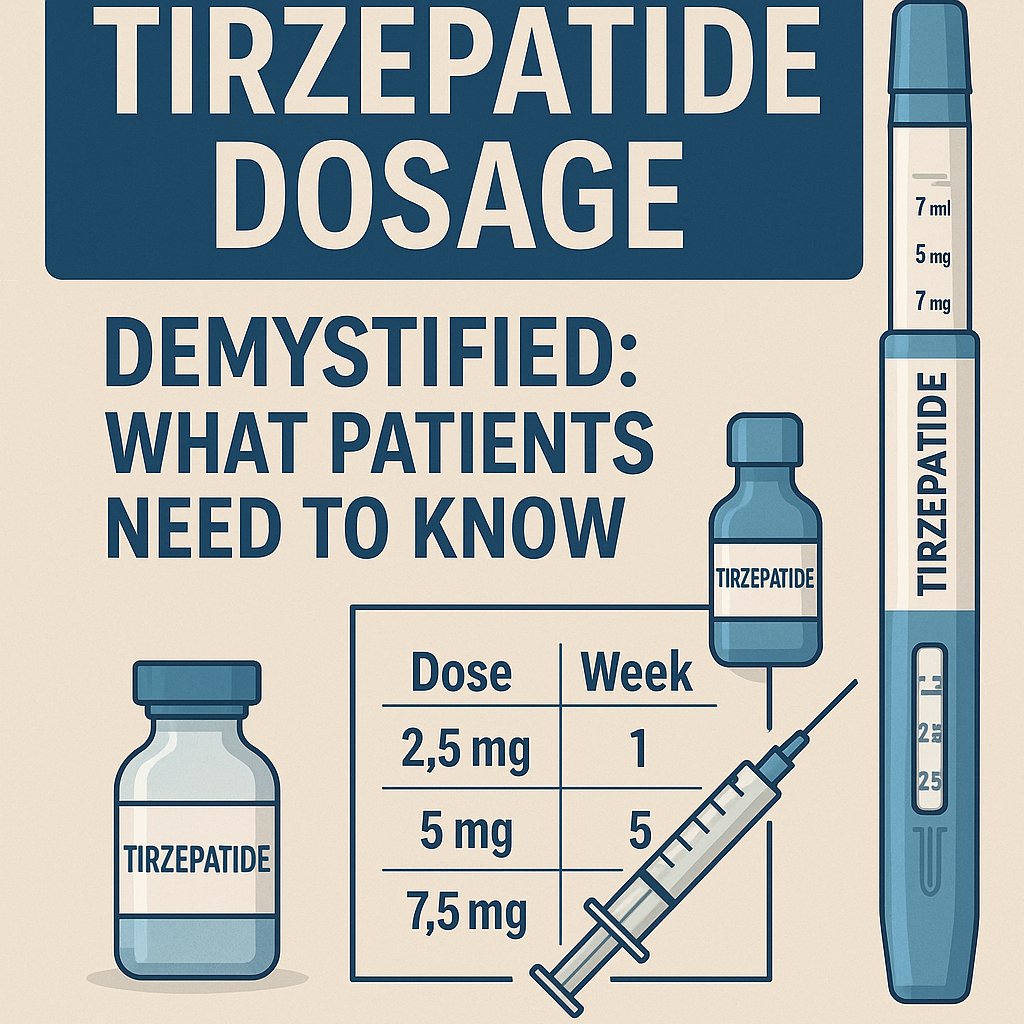
Tirzepatide, a once-weekly injectable medication, has garnered attention for its ability to manage blood sugar levels in individuals with type 2 diabetes and help with weight loss. As with any medication, understanding the correct dosage is crucial for maximizing its effectiveness while minimizing potential side effects. This article will demystify tirzepatide dosage, detailing what patients need to know to use this medication safely and effectively.
Understanding Tirzepatide
Tirzepatide is a novel medication that acts as a dual agonist for the glucagon-like peptide-1 (GLP-1) and glucose-dependent insulinotropic peptide (GIP) receptors. These hormones play a significant role in regulating blood sugar levels and appetite. By enhancing insulin secretion, inhibiting glucagon release, and promoting feelings of fullness, tirzepatide offers a comprehensive approach to managing type 2 diabetes and obesity.
Starting Dosage
The recommended starting dosage of tirzepatide for adults with type 2 diabetes is typically 2.5 mg, administered once weekly. This low dose is designed to help patients adjust to the medication and minimize potential gastrointestinal side effects, which are common when initiating GLP-1 receptor agonists.
Titration to Optimal Dosage
After the initial four weeks on the 2.5 mg dosage, healthcare providers may recommend an increase to 5 mg once weekly if further glycemic control is needed. The titration schedule is as follows:
- Weeks 1-4: 2.5 mg once weekly
- Weeks 5-8: 5 mg once weekly (if needed)
- Weeks 9-12: 7.5 mg once weekly (if needed)
- Weeks 13-16: 10 mg once weekly (if needed)
The maximum recommended dosage is 15 mg once weekly, which can be reached after evaluating patient response and tolerability.
Administration of Tirzepatide
Tirzepatide is administered subcutaneously, typically in the abdomen, thigh, or upper arm. Patients should follow these guidelines for best practices:
- Rotate injection sites to avoid tissue damage.
- Do not inject into areas that are bruised, swollen, or scarred.
- Store unused pens in the refrigerator, but once in use, they can be kept at room temperature for up to 30 days.
Factors Influencing Dosage
Several factors can influence the dosage of tirzepatide that a patient may need:
- Body Weight: Patients with higher BMI may require higher dosages for optimal effects.
- Glycemic Control: Patients who achieve target blood sugar levels may not need to titrate to higher doses.
- Side Effects: If side effects are intolerable, the healthcare provider may recommend staying at a lower dose.
Common Side Effects
While tirzepatide is generally well-tolerated, some patients may experience side effects. Common issues include:
- Nausea
- Vomiting
- Diarrhea
- Constipation
- Abdominal pain
Most side effects are mild to moderate and tend to decrease over time as the body adjusts to the medication. If severe or persistent side effects occur, patients should consult their healthcare provider.
Possible Drug Interactions
It is important to disclose all medications and supplements to healthcare providers to minimize the risk of drug interactions. Some key considerations include:
- Medications that may lower blood sugar levels, such as insulin or sulfonylureas, may need dose adjustments.
- Patients taking oral medications for diabetes should inform their physician, as combinations may require close monitoring.
Monitoring and Follow-Up
Regular monitoring is essential when starting tirzepatide. Patients should schedule follow-up appointments to:
- Assess blood sugar levels regularly.
- Review any side effects or concerns with their provider.
- Discuss weight loss outcomes as part of their overall diabetes management plan.
Special Considerations
Patients with a history of pancreatitis, gallbladder disease, or thyroid cancer should discuss these conditions with their healthcare provider, as these may impact the suitability of tirzepatide. Pregnant or breastfeeding women should also consult their doctors before starting this medication.
Conclusion
Tirzepatide opens new avenues for managing type 2 diabetes and aiding weight loss, through a thoughtful and personalized dosage strategy. Understanding the dosage and administration of this medication is vital for effectively managing diabetes and enhancing the quality of life. Regular consultations with healthcare providers will ensure that patients receive optimal care tailored to their unique medical needs. Always remember that any medication’s effectiveness is maximized through informed decision-making and adherence to prescribed dosages.
FAQs
1. What should I do if I miss a dose of tirzepatide?
If you miss a dose, take it as soon as you remember. However, if it’s almost time for your next dose, skip the missed dose and resume your regular schedule. Do not take two doses at the same time.
2. Can tirzepatide be used with other diabetes medications?
Yes, tirzepatide can be used with other diabetes medications, but it’s important to consult your healthcare provider for appropriate adjustments and monitoring.
3. How long will I need to take tirzepatide?
The duration of treatment varies depending on individual response and the management of blood sugar levels. Your healthcare provider will guide you on how long treatment is necessary.
4. What lifestyle changes should accompany tirzepatide treatment?
Along with tirzepatide, adopting a balanced diet and a regular exercise regime can significantly enhance blood sugar control and weight management.
5. Are there any long-term studies on the safety of tirzepatide?
As of now, tirzepatide has undergone extensive clinical trials, and ongoing studies are assessing its long-term safety and efficacy. Patients should stay informed and discuss any concerns with their healthcare providers.
Leave a Reply