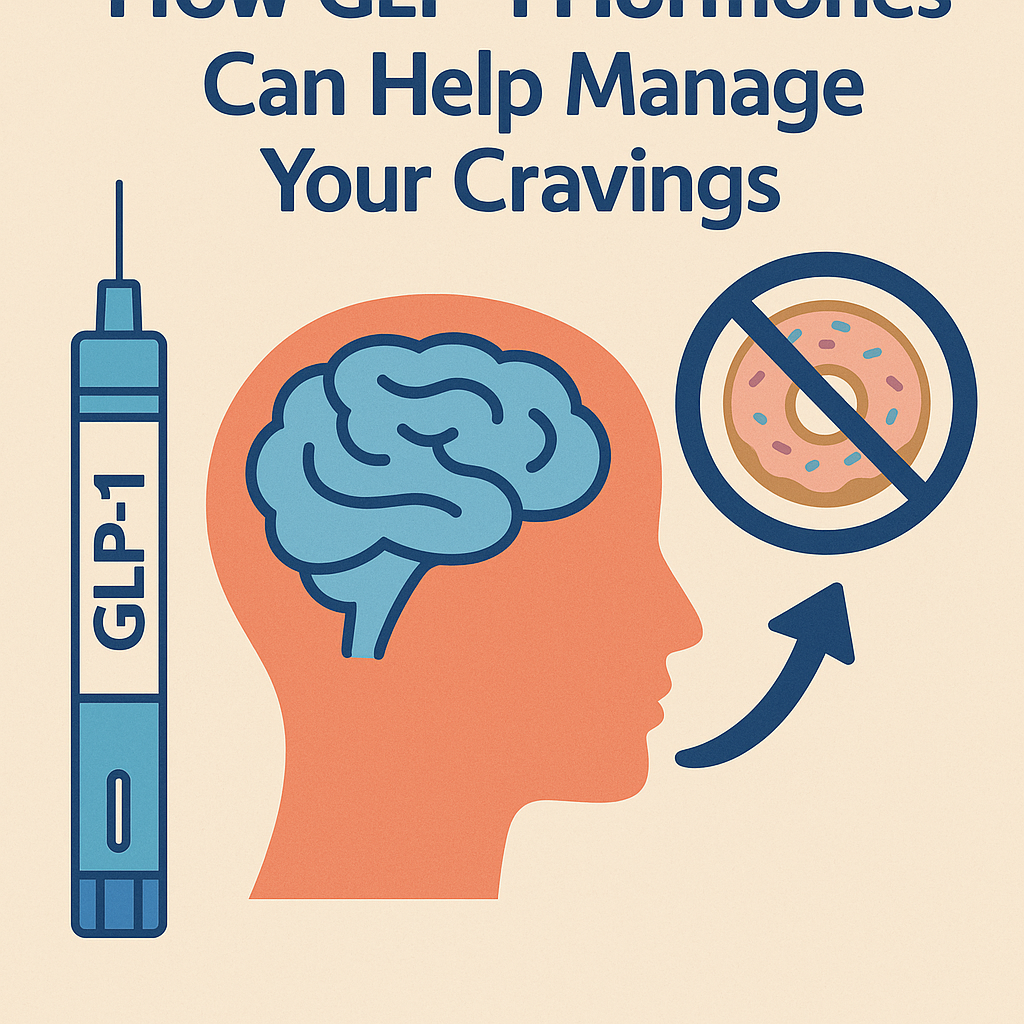
The world of hormones is intricate and often interconnected, with diverse influences on our physiology and behaviors. One group of hormones that has garnered attention recently is the GLP-1 (Glucagon-Like Peptide-1) hormones. These hormones play a significant role in managing appetite, blood sugar levels, and cravings, making them a crucial focus in research on obesity, type 2 diabetes, and metabolic health.
What Are GLP-1 Hormones?
GLP-1 is a peptide hormone produced in the gut in response to food intake. It is classified as an incretin hormone, which means it stimulates insulin secretion in the pancreas after meals. This helps lower blood glucose levels. Besides its role in insulin regulation, GLP-1 also affects appetite regulation through several mechanisms:
- Inhibition of Gastric Emptying: GLP-1 slows down the emptying of the stomach, leading to prolonged feelings of fullness.
- Promotion of Satiety: GLP-1 activates areas in the brain that signal satiety, thereby reducing hunger.
- Decrease in Appetite Stimulation: It reduces the overall desire to consume foods, particularly high-calorie and sugary foods.
How GLP-1 Hormones Affect Cravings
Cravings can often derail dietary objectives, particularly when managing weight or blood sugar levels. The role of GLP-1 hormones in controlling these cravings can be pivotal. Here’s how they do it:
1. Effects on Appetite Regulation
The GLP-1 hormone communicates with the brain to reduce hunger signals. This interaction causes a decrease in the desire to eat. When GLP-1 levels are elevated, typically post-meal, individuals are likely to experience fewer cravings for additional food, particularly for unhealthy snacks. This natural feedback loop promotes healthier eating behaviors.
2. Emotional and Psychological Factors
Cravings are not solely physiological; they can also be driven by emotional or psychological factors. Certain studies suggest that GLP-1 may influence mood and cognitive function, potentially helping to reduce stress-related eating. By stabilizing mood and lowering the urge to seek comfort in food, GLP-1 can aid in managing cravings that arise from emotional distress.
3. Impacts on Food Choices
People with higher GLP-1 levels tend to make healthier food choices. The hormone’s ability to improve satiety may lead to less consumption of calorific and processed foods. Instead, individuals might gravitate towards more nutritious options, reducing the likelihood of engaging in binge eating or succumbing to cravings triggered by processed foods.
The Science Behind GLP-1 Receptor Agonists
Researchers have capitalized on the effects of GLP-1 hormones in developing medications known as GLP-1 receptor agonists, which mimic the action of GLP-1 in the body. These medications, such as liraglutide and semaglutide, activate GLP-1 receptors in the brain and gut and offer several benefits:
- Weight Reduction: Clinical trials have shown that individuals using GLP-1 receptor agonists can lose significant weight, largely due to reduced caloric intake stemming from decreased cravings.
- Improved Blood Sugar Control: These medications enhance insulin secretion and slow glucose absorption, promoting better glycemic control.
- Reduced Risk of Cardiovascular Issues: Using GLP-1 receptor agonists has demonstrated potential cardiovascular benefits, such as reducing the risk of heart disease.
Implementing GLP-1 Hormone Management
Understanding GLP-1 hormones opens avenues for individuals struggling to manage cravings. Here are some strategies to enhance your body’s natural GLP-1 production:
1. Meal Timing and Composition
Eating smaller, balanced meals throughout the day can encourage GLP-1 secretion. Focus on including a mix of proteins, fiber, and healthy fats. Foods rich in fiber, such as whole grains, fruits, and vegetables, can significantly boost GLP-1 levels.
2. Regular Physical Activity
Exercise is another natural way to enhance GLP-1 secretion. Regular physical activity can improve your overall metabolic health, reduce body weight, and, by extension, help manage cravings.
3. Mindful Eating
Practicing mindfulness can help in recognizing emotional triggers for cravings. When you practice mindful eating, you are more aware of your body’s signals, allowing for more degree of control over cravings.
4. Adequate Sleep
Lack of sleep can disrupt various hormones, including those involved in appetite regulation. Getting enough restful sleep is crucial for maintaining balanced hunger and satiety hormones, including GLP-1.
Potential Considerations and Side Effects
While the benefits of GLP-1 hormones are clear, it’s essential to approach management options with caution. Potential side effects of GLP-1 receptor agonists can include:
- Nausea and vomiting
- Diarrhea
- Abdominal pain
- Weight loss concerns
Consultation with a healthcare provider is crucial before initiating any treatment that involves GLP-1 receptor agonists to ensure it aligns with your health goals and conditions.
Conclusion
GLP-1 hormones stand out as a transformative factor in the battle against cravings and appetite regulation. Their multifaceted role in promoting satiety, enhancing mood, and influencing food choices showcases their potential in dietary interventions. As research continues to illuminate the benefits of GLP-1 and its receptor agonists, individuals can better equip themselves in the ongoing journey toward managing cravings and improving overall health. By combining natural methods for boosting GLP-1 levels with mindful practices, one can create a sustainable approach to healthier eating and cravings management.
Frequently Asked Questions (FAQs)
1. What are GLP-1 hormones?
GLP-1 hormones are incretin hormones produced in the gut that help regulate insulin secretion, appetite control, and gastric emptying.
2. How do GLP-1 hormones help with cravings?
GLP-1 hormones can reduce hunger signals, promote feelings of fullness, and positively influence food choices, which can help manage cravings.
3. Are there any medications that mimic GLP-1 hormones?
Yes, GLP-1 receptor agonists like liraglutide and semaglutide are medications designed to mimic the effects of GLP-1 in the body.
4. Can lifestyle changes increase GLP-1 levels?
Yes, adopting habits such as eating balanced meals, exercising regularly, practicing mindfulness, and ensuring adequate sleep can enhance GLP-1 secretion.
5. What are the side effects of GLP-1 receptor agonists?
Side effects can include nausea, diarrhea, abdominal pain, and weight loss concerns. Always consult a healthcare provider before starting any medication.
Leave a Reply