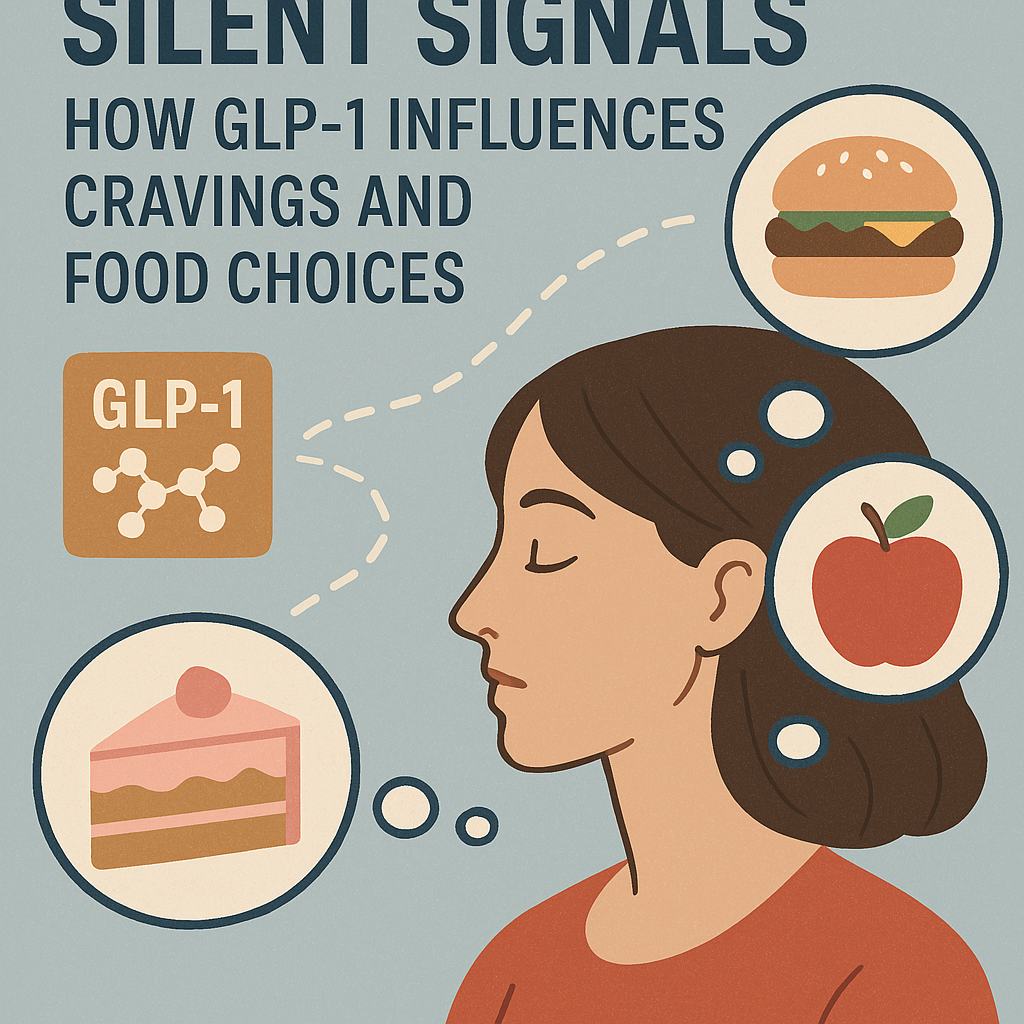
The quest for understanding our eating behaviors and cravings has long perplexed researchers and health enthusiasts alike. Central to this investigation is a hormone known as Glucagon-like peptide-1 (GLP-1). Beyond its traditional role in glucose metabolism, emerging evidence suggests that GLP-1 plays a vital role in regulating appetite, cravings, and food choices. In this article, we will delve deeper into the relationship between GLP-1, cravings, and the psychological and physiological factors that influence our food choices.
Understanding GLP-1
GLP-1 is an incretin hormone produced in the intestines in response to food intake. It serves multiple purposes, including stimulating insulin secretion, slowing gastric emptying, and increasing feelings of fullness or satiety. These functions position GLP-1 as a key player in appetite regulation.
The secretion of GLP-1 occurs primarily postprandially (after meals), emphasizing its role in the digestive process. Research indicates that GLP-1 is not only instrumental in managing blood sugar levels but also significantly impacts how we perceive hunger and satiety.
The Link Between GLP-1 and Appetite Regulation
One of the standout features of GLP-1 is its ability to influence appetite through various neurological pathways in the brain. Studies show that GLP-1 acts on the hypothalamus, a region responsible for balancing hunger and satiety signals. By communicating with neurons in the hypothalamus, GLP-1 helps regulate food intake and influences cravings.
When GLP-1 levels rise after food consumption, a series of biochemical signals are engaged to reduce hunger. The following highlights the mechanisms through which GLP-1 influences appetite:
- Reduced Gastric Emptying: By slowing down the rate at which food leaves the stomach, GLP-1 prolongs feelings of fullness.
- Impact on Reward Pathways: GLP-1 modulates dopaminergic pathways in the brain, thus affecting the pleasure derived from eating.
- Hormonal Interaction: GLP-1 interacts with other hormones involved in appetite control, like ghrelin and peptide YY.
The Role of GLP-1 in Cravings
Cravings go beyond mere hunger; they often manifest as intense desires for specific foods, frequently linked to emotions and psychological states. GLP-1 influences these cravings by altering the neurological and hormonal landscape of the body. Here’s how GLP-1 impacts cravings:
- Satiety Signaling: Elevated levels of GLP-1 enhance feelings of fullness, which can reduce cravings for high-calorie, less nutritious foods.
- Negative Feedback Loop: As GLP-1 curbs appetite, it helps break the cycle of continuous snacking or emotional eating.
- Stability in Blood Sugar Levels: By regulating blood sugar fluctuations, GLP-1 can mitigate cravings that arise from energy dips.
Food Choices and GLP-1
Food choices are influenced by a multitude of factors including taste, preference, cultural influences, and psychological conditions. GLP-1 can subtly steer these choices in several ways:
- Preference for Healthy Foods: Higher GLP-1 levels have been associated with a preference for healthier, low-calorie foods over indulgent, high-calorie options.
- Mindful Eating: By promoting satiety and reducing cravings, GLP-1 may encourage individuals to engage in mindful eating practices, resulting in improved dietary choices.
- Improved Dietary Adherence: When GLP-1 signaling is intact, individuals find it easier to stick to prescribed dietary plans, particularly in weight management programs.
GLP-1 and Weight Management
The implications of GLP-1 in weight management and obesity treatment are significant. Therapeutics targeting GLP-1, such as GLP-1 receptor agonists, have been developed to assist in weight loss and diabetes management. These medications exploit the hormone’s natural mechanisms to promote satiety, reduce cravings, and improve food choices.
Data from clinical studies suggest that individuals using GLP-1 receptor agonists experience noticeable weight loss, not only due to reduced caloric intake but also due to a change in their relationship with food:
- Reduced Caloric Intake: Patients report consuming fewer calories due to decreased hunger and urges to snack.
- Improved Nutritional Choices: Users of GLP-1 medications often gravitate towards healthier food options.
- Sustained Weight Loss: Long-term application of GLP-1 therapies aids in maintaining weight loss once achieved.
Psychological Factors and GLP-1
Beyond the physiological effects, the psychological landscape plays a crucial role in how GLP-1 impacts food choices. Factors such as stress, mood, and emotional well-being contribute significantly to eating behavior. Stress, for instance, may lead to increased cravings for high-calorie, comfort foods, often compromising the benefits of GLP-1 signaling.
Interventions aiming to enhance GLP-1 signaling, alongside psychological support, can create a more holistic approach to weight management and healthy eating behaviors. Cognitive behavioral therapy (CBT) targeting emotional eating can be paired with GLP-1-focused treatments to address both the physical and emotional aspects of eating.
Future Directions and Research
As research on GLP-1 continues to evolve, understanding its role in eating behavior will facilitate the development of more effective dietary interventions and appetite management strategies. Future studies might explore:
- Individual Variations: Understanding how genetic, environmental, and lifestyle factors modulate GLP-1 responses.
- Long-Term Impacts: Investigating the long-term effects of GLP-1 therapies on eating behaviors and general health.
- Combination Therapies: Assessing the efficacy of combining GLP-1 agonists with behavioral therapies for comprehensive weight management.
Conclusion
GLP-1 emerges as a significant player in the intricate dance between hormones, cravings, and food choices. By promoting satiety and influencing appetite regulation, GLP-1 has the potential to transform how we understand and manage eating behaviors. As research unfolds, the insights gained from studying GLP-1 may pave the way for innovative strategies in weight management and dietary health, ultimately contributing to better public health outcomes.
FAQs
What is GLP-1?
GLP-1 (Glucagon-like peptide-1) is an incretin hormone primarily produced in the intestines that plays a critical role in regulating insulin secretion, appetite, and gastric emptying.
How does GLP-1 influence cravings?
GLP-1 influences cravings by promoting feelings of fullness, stabilizing blood sugar levels, and modulating neurological signals that govern appetite, thereby reducing the likelihood of intense cravings for specific foods.
Can GLP-1 help with weight loss?
Yes, GLP-1 receptor agonists are utilized in clinical settings to promote weight loss and improve dietary adherence due to their ability to enhance satiety and regulate appetite.
Are there any side effects associated with GLP-1 treatments?
While generally well-tolerated, common side effects of GLP-1 receptor agonists can include nausea, vomiting, diarrhea, and potential pancreatitis. Always consult a healthcare provider before starting any treatment.
What role does psychology play in eating behaviors influenced by GLP-1?
Psychological factors, such as stress and emotional well-being, significantly impact eating behaviors. Addressing these factors alongside GLP-1 treatments can enhance outcomes related to cravings and healthy eating choices.
Leave a Reply