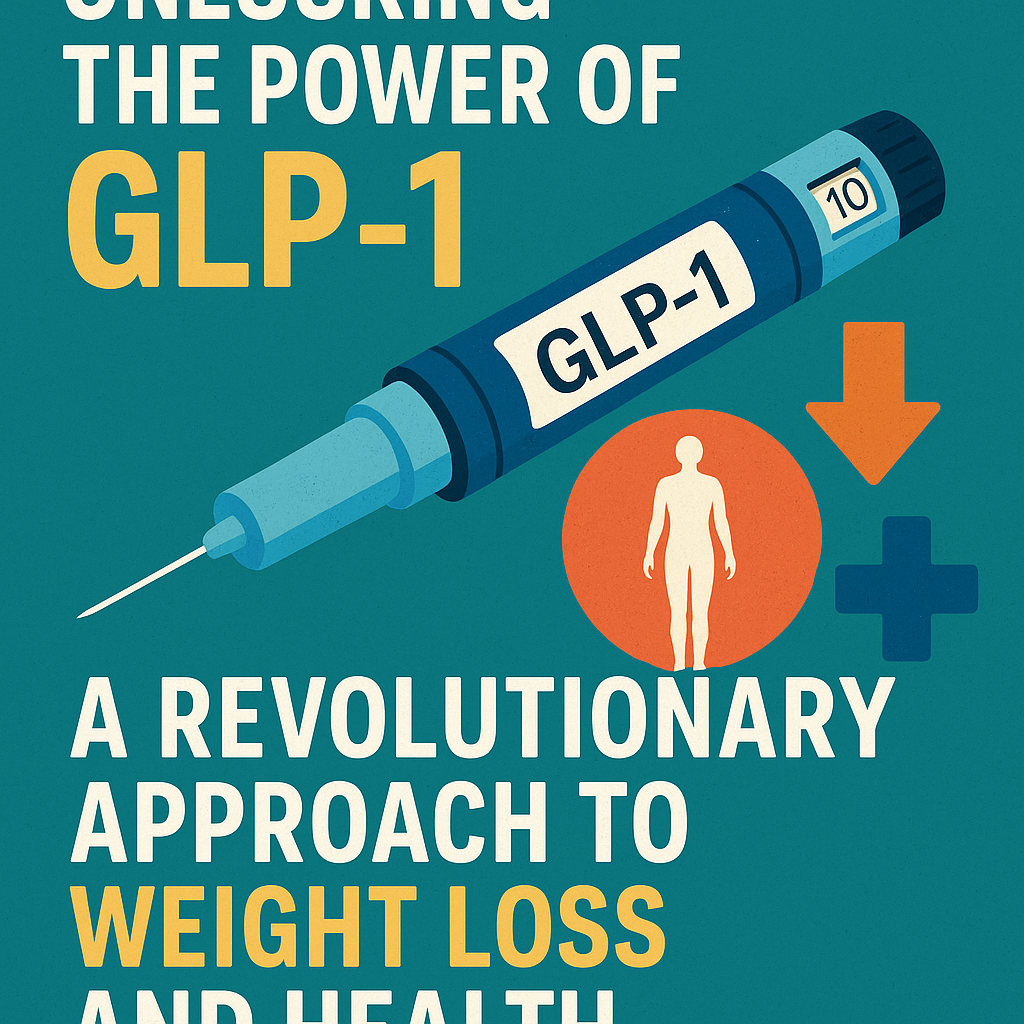
In the realm of health and wellness, innovative solutions are always sought after to combat the rising prevalence of obesity and associated health issues. One such breakthrough comes in the form of Glucagon-Like Peptide-1 (GLP-1), a naturally occurring hormone that plays a pivotal role in glucose metabolism, appetite regulation, and weight loss. As research continues to unfold, GLP-1 therapies have emerged as a revolutionary approach to manage weight and improve overall health.
Understanding GLP-1
GLP-1 is an incretin hormone produced in the intestines in response to nutrient intake. Its primary functions include enhancing insulin secretion from the pancreas, inhibiting glucagon release (another hormone that raises blood sugar levels), and inducing a feeling of fullness or satiety. These mechanisms not only facilitate better blood sugar control but also provide powerful tools for weight management.
How GLP-1 Works for Weight Loss
The synergy of GLP-1 in weight loss revolves around three key functions:
- Appetite Suppression: GLP-1 signals the brain to reduce hunger, resulting in lower food intake. By activating specific receptors in the hypothalamus, it modifies the body’s hunger signals.
- Reduced Gastric Emptying: Post-meal, GLP-1 slows down gastric emptying, prolonging the feeling of fullness. This delay helps prevent overeating by maintaining a steady release of nutrients into the bloodstream.
- Improved Insulin Sensitivity: By enhancing insulin secretion when needed and improving overall insulin sensitivity, GLP-1 helps in maintaining stable blood sugar levels. This lower blood sugar fluctuation can mitigate cravings and promote healthier eating habits.
Clinical Evidence Supporting GLP-1 Therapies
Numerous clinical trials have examined the efficacy of GLP-1 receptor agonists, a class of medications designed to mimic the effects of GLP-1 in the body. Popular examples include drugs like semaglutide and liraglutide. Studies have shown that these medications can lead to significant weight loss, with many participants losing 15-20% of their body weight over the course of extended trials.
Additionally, these studies reveal improvements in cardiovascular health, better glycemic control, and even enhancements in the overall quality of life. Notably, the incidence of side effects is generally low, and they mainly include gastrointestinal issues, which tend to diminish over time as the body adjusts.
Benefits Beyond Weight Loss
While weight loss is a significant driver for the popularity of GLP-1 therapies, the potential health benefits go far beyond the scale:
- Cardiovascular Health: Studies have indicated that GLP-1 receptor agonists may lower the risk of cardiovascular events, such as heart attacks and strokes. This is particularly vital for individuals with Type 2 Diabetes, who often face heightened cardiovascular risks.
- Improved Metabolic Health: These therapies are instrumental in improving markers of metabolic health, including blood pressure and cholesterol levels, therefore offering additional protective effects against various metabolic diseases.
- Enhanced Mental Well-being: The psychological consequences of obesity often lead to conditions like anxiety and depression. Weight loss achieved through GLP-1 therapies can foster better mental health, improving self-esteem and overall emotional well-being.
Implementing GLP-1 Therapies: What to Expect
If you’re considering GLP-1 based therapies for weight loss or health benefits, it’s essential to approach them as part of a comprehensive lifestyle change. Here’s what to expect:
- Consultation: Start with a consultation with a healthcare provider who can assess your individual needs and determine if GLP-1 therapy is suitable for you.
- Injection or Oral Medications: GLP-1 therapies are available in various forms, including weekly injections or daily oral medications, depending on the specific drug prescribed.
- Diet and Exercise: For optimal results, GLP-1 therapies should be used alongside a balanced diet and regular physical activity. The integration of healthy habits supports the effectiveness of the medication.
- Regular Monitoring: Consistent monitoring of weight, blood sugar levels, and overall health will enable adjustments to the treatment plan as needed.
Conclusion
The advent of GLP-1 therapies marks a significant step forward in the battle against obesity and related health conditions. By tapping into the body’s natural mechanisms for appetite control, glucose regulation, and metabolic health, these therapies offer a multi-faceted approach to weight loss that is both effective and sustainable. With ongoing research, increasing evidence points to GLP-1’s potential not just for shedding pounds but for dramatically enhancing overall health and well-being. As we continue to explore and understand this hormone’s full capabilities, GLP-1 stands poised to reshape the landscape of weight management and preventive health care for years to come.
FAQs
What is GLP-1?
GLP-1 (Glucagon-Like Peptide-1) is a hormone naturally produced in the intestines that helps regulate blood sugar levels, appetite, and satiety.
How do GLP-1 receptor agonists work?
GLP-1 receptor agonists mimic the effects of GLP-1, enhancing insulin secretion, inhibiting glucagon release, and promoting a feeling of fullness to aid in weight loss.
Are there any side effects of GLP-1 therapy?
Most side effects are gastrointestinal and may include nausea, vomiting, or diarrhea. These effects often diminish as the body adjusts to the medication.
Who can benefit from GLP-1 therapies?
Individuals with obesity, Type 2 Diabetes, or those looking to improve their metabolic health may benefit from GLP-1 therapies. However, it’s essential to consult with a healthcare provider for personalized advice.
Can GLP-1 therapy replace a healthy lifestyle?
No, GLP-1 therapy should be viewed as a component of a comprehensive health strategy that includes a balanced diet and regular physical activity for the best results.
Leave a Reply