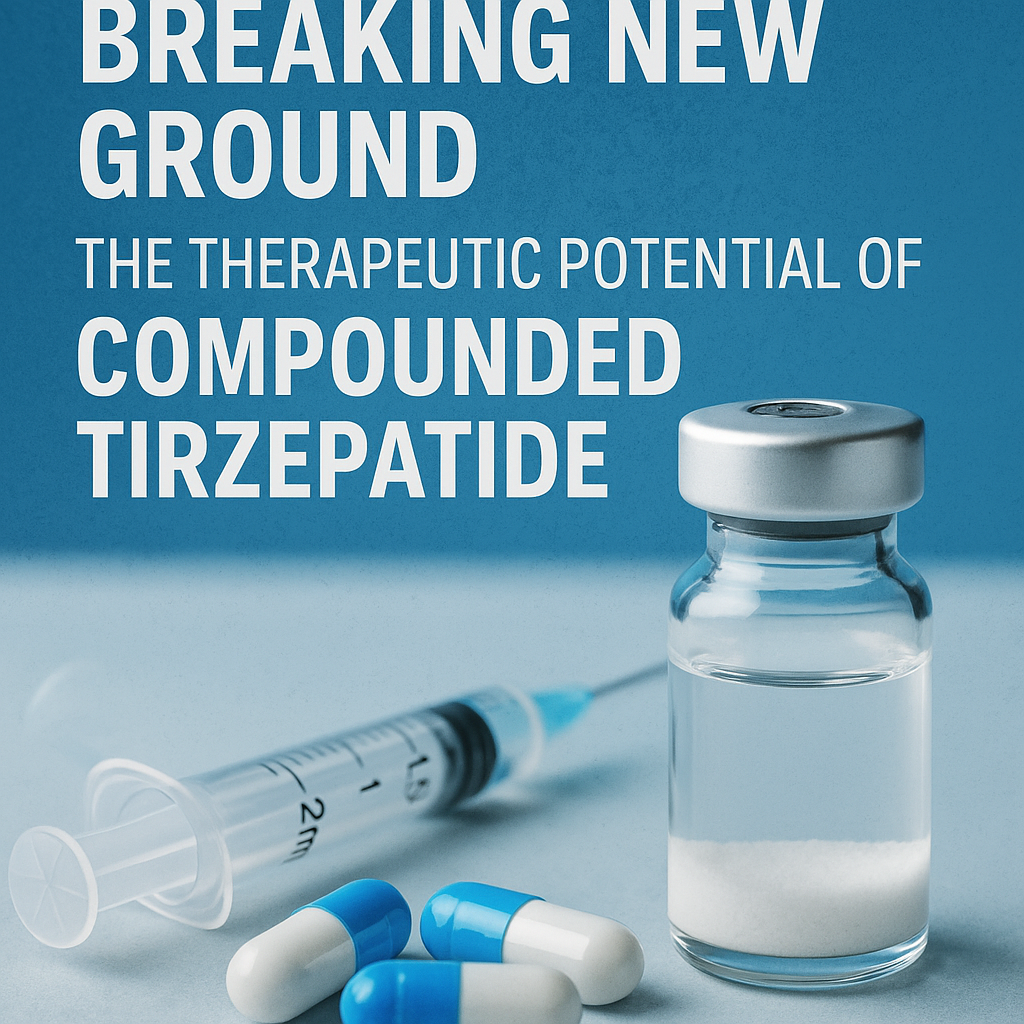
Tirzepatide is an innovative peptide drug that has gained significant attention in the field of diabetes management and weight loss. Approved by the FDA for the treatment of type 2 diabetes, this compound has demonstrated remarkable efficacy in clinical trials. However, the potential therapeutic benefits extend beyond diabetes management, establishing a case for its use in compounded formulations. This article explores the therapeutic potential of compounded tirzepatide and examines the implications for patients and healthcare professionals alike.
Understanding Tirzepatide
Tirzepatide is a dual GIP and GLP-1 receptor agonist, which means it engages with two vital receptors that regulate insulin secretion, appetite, and glucose metabolism. The drug mimics the action of incretin hormones, which are critical in maintaining healthy glucose levels.
Mechanism of Action
The dual action of tirzepatide is highly beneficial because it not only helps in controlling blood sugar levels but also promotes weight loss—one of the crucial challenges for those with type 2 diabetes. By stimulating insulin secretion in response to meals and reducing appetite, tirzepatide helps in achieving a balanced metabolic state.
Clinical Efficacy
Clinical studies have shown that tirzepatide can significantly improve HbA1c levels (a measure of blood sugar control) and lead to substantial weight loss. In trials, participants experienced an average weight loss of up to 15% of their body weight over a period of several months. These results may revolutionize the treatment paradigm for patients struggling with obesity and concomitant diabetes.
The Role of Compounding in Tirzepatide Therapy
Compounding refers to the practice of customizing medications to meet the unique needs of individual patients. In the context of tirzepatide, compounding can provide specialized dosage forms that enhance patient adherence and outcomes.
Customization of Dosage Forms
Compounded tirzepatide can be tailored into different dosage forms, including:
- Topical Formulations: For patients who are needle-averse, topical applications could be beneficial.
- Oral Capsules: Compounding tirzepatide into capsule form allows for ease of use and increased patient adherence.
- Sublingual Preparations: These formulations can enhance absorption and provide a quicker onset of action.
Adapting to Individual Needs
Each patient presents a unique profile regarding body weight, metabolic condition, and response to medications. Compounded formulations of tirzepatide allow healthcare providers to adjust dosages that fit specific patient requirements, optimizing treatment outcomes. This personalized approach can be particularly beneficial for elderly patients or those with comorbidities.
Potential Therapeutic Benefits Beyond Diabetes
While the primary indication for tirzepatide is type 2 diabetes, its potential therapeutic applications extend beyond glucose management.
Weight Management
The weight loss associated with tirzepatide not only aids in diabetes control but also improves the risk profile for cardiovascular diseases, hypertension, and other obesity-related conditions. Patients experiencing significant weight loss may reduce their dependency on antihypertensive medications and achieve better overall health outcomes.
Impact on Non-Alcoholic Fatty Liver Disease (NAFLD)
Emerging research suggests that tirzepatide might help improve liver function and reduce fat accumulation in the liver, making it a potential therapy for non-alcoholic fatty liver disease (NAFLD). Patients with NAFLD often struggle with weight management and diabetes, making tirzepatide a promising option for this population as well.
Challenges and Considerations
Despite the promising landscape of compounded tirzepatide, several challenges exist that must be addressed.
Regulatory Landscape
The compounding of medications is heavily regulated. Healthcare professionals need to navigate these regulations while ensuring that compounded tirzepatide remains effective and safe for patients.
Cost Considerations
Compounded formulations can often be more expensive than commercially available alternatives. Patients need to weigh the benefits of personalized medicine against the economic impact.
Conclusion
Compounded tirzepatide represents a significant advancement in personalized medicine, particularly in the realms of diabetes management and weight loss. By allowing for customized formulations, healthcare providers can tailor treatments to patients’ unique needs, thereby enhancing adherence and outcomes. While challenges such as regulatory considerations and cost persist, the therapeutic potential of compounded tirzepatide is vast. As more research unfolds regarding its efficacy across a broader spectrum of conditions, the hope is that this groundbreaking therapy will pave the way for improved health outcomes for myriad patients.
Key Takeaways
- Tirzepatide demonstrates dual action in managing blood glucose and facilitating weight loss.
- Compounded tirzepatide offers personalized treatment options to better meet individual patient needs.
- Potential applications extend beyond diabetes, aiming to improve conditions such as obesity and NAFLD.
- Regulatory and cost considerations must be thoughtfully navigated for successful implementation.
FAQs
What is tirzepatide used for?
Tirzepatide is primarily used for the treatment of type 2 diabetes. It helps control blood sugar levels and promotes weight loss.
What are compounded medications?
Compounded medications are customized formulations tailored to meet the unique needs of individual patients, allowing for different forms and dosages.
Are compounded medications covered by insurance?
Compounding coverage varies by insurance provider. Patients should consult their insurance plans to determine what is covered.
Can tirzepatide be used for weight loss?
Yes, tirzepatide has demonstrated significant weight loss in clinical trials, making it a valuable option for patients with obesity and type 2 diabetes.
Are there any side effects of tirzepatide?
As with any medication, tirzepatide may have side effects, including nausea, vomiting, and diarrhea, among others. Patients should consult their healthcare provider for a comprehensive list of potential side effects.
Leave a Reply