Author: tvm_mike

  • GLP-1: The Game-Changer in Your Battle Against Belly Fat

    Belly fat is often a stubborn enemy in the quest for a healthier lifestyle. Numerous diets and exercise regimes promise quick fixes, yet many individuals find it challenging to achieve sustainable weight loss. However, a groundbreaking class of medications known as GLP-1 receptor agonists may offer a transformative solution not only for weight loss but also for overall metabolic health.

    Understanding GLP-1

    GLP-1, or glucagon-like peptide-1, is a hormone produced in the intestines in response to food intake. It plays several critical roles in regulating appetite and glucose metabolism. Here’s how GLP-1 functions:

    • Appetite Regulation: GLP-1 reduces hunger by promoting feelings of fullness and satiety.
    • Insulin Secretion: It stimulates insulin production from the pancreas when blood sugar levels rise, which helps lower glucose levels.
    • Gastric Emptying: GLP-1 slows down gastric emptying, which means that food stays in the stomach longer, promoting a longer feeling of fullness.

    The Role of GLP-1 in Weight Loss

    As scientists studied GLP-1, a clear connection to weight management emerged. Researchers found that using GLP-1 receptor agonists—a synthetic form of GLP-1—could lead to significant weight loss. These medications mimic the natural hormone and activate the same receptors in the brain and pancreas, amplifying the hormone’s effects.

    Clinical trials and studies have demonstrated substantial weight loss among participants using GLP-1 agonists. In one landmark study, participants who took GLP-1 medications lost an average of 15% of their body weight over a 68-week period, with many reporting sustained weight loss even after discontinuing the medication.

    Benefits Beyond Weight Loss

    GLP-1 receptor agonists also provide several additional health benefits beyond shedding pounds:

    • Improved Glycemic Control: These medications excel in controlling blood sugar levels, making them particularly beneficial for those with type 2 diabetes.
    • Cardiovascular Health: Studies have indicated that GLP-1 receptor agonists can lower the risk of major cardiovascular events, including heart attack and stroke.
    • Reduced Fatty Liver Disease: Some research suggests that GLP-1 can help reduce liver fat, assisting individuals suffering from non-alcoholic fatty liver disease (NAFLD).

    How to Incorporate GLP-1 Treatments

    If you’re considering GLP-1 receptor agonists as part of your weight loss journey, it’s crucial to consult with a healthcare provider. While they can be highly effective, they may not be suitable for everyone. A medical professional can help determine if these medications align with your health goals and conditions.

    Common GLP-1 receptor agonists include:

    • Exenatide (Byetta, Bydureon)
    • Liraglutide (Saxenda, Victoza)
    • Dulaglutide (Trulicity)
    • Semaglutide (Wegovy, Ozempic)

    These medications are typically administered via injections and vary in dosing frequency—from once daily to once weekly—depending on the specific drug chosen.

    Potential Side Effects

    While GLP-1 receptor agonists can be transformative, they are not without potential side effects. Common side effects include:

    • Nausea
    • Vomiting
    • Diarrhea
    • Constipation
    • Stomach pain

    Most side effects tend to decrease over time as the body adjusts to the medication. However, it is essential to monitor these effects closely and communicate with your healthcare provider about any concerns.

    The Importance of a Holistic Approach

    While GLP-1 receptor agonists represent a significant advancement in weight management and metabolic health, they should not be viewed as standalone solutions. Combining medication with healthy lifestyle changes is crucial for long-term success. This includes:

    • Nutrition: Eat a balanced diet rich in whole foods, including vegetables, fruits, lean proteins, and whole grains.
    • Physical Activity: Engage in regular exercise—aim for a mix of cardio and strength training activities.
    • Mental Well-being: Address psychological factors related to eating, such as stress, depression, or emotional eating through counseling or support groups.

    Conclusion

    GLP-1 receptor agonists are indeed game-changers in the battle against belly fat and obesity-related health conditions. By mimicking a natural hormone that regulates appetite and blood sugar levels, these medications offer an effective approach to weight loss and overall health improvement. However, it is essential to adopt a holistic strategy that includes proper nutrition and exercise to achieve lasting results.

    As you explore treatment options for weight loss and metabolic health, consult with a healthcare provider to ensure that you select an approach that is safe, effective, and suited to your individual needs.

    FAQs

    What is GLP-1?

    GLP-1, or glucagon-like peptide-1, is a hormone produced in the intestines that helps regulate appetite and glucose metabolism.

    How do GLP-1 receptor agonists work?

    They mimic natural GLP-1, enhancing the hormone’s effects to reduce appetite, increase feelings of fullness, and improve insulin secretion.

    Are there any side effects associated with GLP-1 receptor agonists?

    Common side effects include nausea, vomiting, diarrhea, constipation, and stomach pain, but these often diminish over time.

    Can anyone take GLP-1 receptor agonists?

    No, it’s essential to consult a healthcare provider, as these medications may not be suitable for individuals with certain health conditions.

    Should GLP-1 medications be used alone for weight loss?

    No, they work best when combined with a healthy diet and regular exercise for optimal results.

  • Tirzepatide: A New Hope for Sustainable Weight Loss?

    The global rise in obesity rates has made sustainable weight loss a significant public health concern. Conventional methods like dietary changes, increased physical activity, and medications have proven less effective for many individuals. Enter tirzepatide—an investigational medication that has recently generated excitement for its potential to facilitate weight loss. This article will delve into what tirzepatide is, how it works, its benefits and potential risks, and whether it truly represents a new hope for those looking to achieve and maintain a healthy weight.

    What is Tirzepatide?

    Tirzepatide is a novel dual glucose-dependent insulinotropic polypeptide (GIP) and glucagon-like peptide-1 (GLP-1) receptor agonist developed by Eli Lilly and Company. It was initially designed to manage type 2 diabetes but has shown considerable promise for weight loss as a secondary effect. Since its announcement and subsequent clinical trials, tirzepatide has garnered attention as an innovative therapy for obesity, a condition affecting millions globally.

    How Does Tirzepatide Work?

    Tirzepatide functions by mimicking the action of two hormones: GIP and GLP-1. Both hormones play a role in regulating blood sugar levels and appetite. When administered, tirzepatide stimulates insulin secretion in a glucose-dependent manner, which helps lower blood sugar levels. Simultaneously, it promotes the feeling of fullness, or satiety, thereby reducing appetite and food intake.

    Mechanism of Action

    The effectiveness of tirzepatide can be attributed to its ability to:

    • Increase insulin sensitivity and secretion.
    • Decrease glucagon release, which reduces glucose production in the liver.
    • Slow gastric emptying, prolonging satiety after meals.
    • Regulate appetite through central nervous system pathways.

    These mechanisms make tirzepatide a powerful ally in the long-term management of weight, particularly in individuals who struggle to maintain a healthy weight through traditional means.

    Clinical Trials and Results

    Clinical trials of tirzepatide have yielded compelling results, particularly in patients with obesity or overweight conditions. The most notable study, the SURPASS-2 trial, focused on patients with type 2 diabetes and observed significant weight loss in participants administered tirzepatide compared to those receiving a placebo.

    Results Highlights

    Key findings from the trials include:

    • Participants taking tirzepatide experienced weight loss of up to 15-20% of their total body weight after 72 weeks.
    • The medication demonstrated a favorable safety profile, with common side effects being nausea and gastrointestinal issues.
    • Tirzepatide proved effective regardless of baseline weight, making it a versatile option for many individuals.

    The outcomes suggest that tirzepatide could offer a unique approach to weight loss, making it easier for individuals to achieve and maintain a healthier weight in the long run.

    Benefits of Tirzepatide

    The benefits of tirzepatide go beyond simple weight loss. Some of the most notable advantages include:

    • Sustainable Weight Loss: Unlike traditional diet and exercise regimes that often result in short-term weight loss followed by a regain, tirzepatide appears to facilitate a more sustainable approach to weight management.
    • Improved Metabolic Health: Participants have demonstrated improvements in metabolic markers such as blood glucose levels, triglycerides, and other key indicators associated with type 2 diabetes.
    • Versatility: Its dual action on both GLP-1 and GIP pathways can benefit a wide range of patients with different metabolic disorders.
    • Increased Quality of Life: Many participants report improved energy levels and overall well-being alongside weight loss.

    Potential Risks and Considerations

    As with any medication, tirzepatide comes with its own set of potential risks and side effects. While the majority of participants in clinical trials experienced manageable side effects, individuals should be aware of the following:

    • Gastrointestinal Issues: Common side effects include nausea, diarrhea, and vomiting, particularly when initiating treatment.
    • Potential for Pancreatitis: There have been concerns about the risk of pancreatitis in patients taking GLP-1 agonists, including tirzepatide.
    • Long-term Implications: While studies have shown positive results in the short to medium term, long-term safety and efficacy data is still being collected.
    • Cost and Accessibility: As an investigational drug, tirzepatide may not be covered by all insurance plans, causing financial barriers for some patients.

    Consultation with a healthcare provider is crucial for individuals considering tirzepatide as part of their weight management strategy, factoring in personal health history and goals.

    Conclusion

    Tirzepatide is emerging as a promising option for sustainable weight loss and overall metabolic health. By utilizing a dual-action approach to regulate appetite and enhance insulin sensitivity, it offers individuals who struggle with obesity a tool that may yield long-lasting results. Although the potential benefits are significant, it is essential to consider the associated risks and consult healthcare professionals to make informed decisions regarding its use. As more research is conducted and data becomes available, tirzepatide may transform the landscape of obesity treatment, providing hope for millions seeking effective solutions for lasting weight loss.

    FAQs

    What is the mechanism of action for tirzepatide?

    Tirzepatide acts as an agonist for both the GIP and GLP-1 receptors, which helps increase insulin secretion, decrease appetite, and slow gastric emptying, ultimately leading to weight loss.

    Who can benefit from tirzepatide?

    Tirzepatide is primarily designed for individuals with obesity or overweight conditions, especially those with type 2 diabetes. However, it may also benefit others looking for weight management support.

    What are the side effects of tirzepatide?

    Common side effects include gastrointestinal issues like nausea, diarrhea, and vomiting. More serious risks, though rare, include pancreatitis.

    How does tirzepatide compare to other weight loss medications?

    Tirzepatide differs from other weight loss medications by its dual action on GIP and GLP-1 pathways, potentially offering enhanced weight loss and metabolic benefits compared to single-acting drugs.

    Is tirzepatide approved for general weight loss?

    As of now, tirzepatide is still under investigation for weight loss and is not yet widely available specifically for this purpose. Consultation with a healthcare provider is advised.

  • Is Semaglutide the Answer to Your Weight Loss Struggles?

    Is Semaglutide the Answer to Your Weight Loss Struggles?

    In recent years, the quest for effective weight loss solutions has taken center stage. As obesity rates continue to soar globally, medications such as Semaglutide have emerged as potential game-changers for individuals struggling with weight management. Originally developed for type 2 diabetes, Semaglutide’s influence on appetite and weight loss has attracted significant attention. But is it the magic bullet for everyone? In this article, we delve deep into Semaglutide, exploring its mechanisms, benefits, limitations, and what you need to know before considering it as part of your weight loss strategy.

    Understanding Semaglutide: What It Is and How It Works

    Semaglutide is a glucagon-like peptide-1 (GLP-1) receptor agonist. While it was primarily designed to treat type 2 diabetes, clinical trials have shown that it can also lead to significant weight loss in overweight and obese patients. But how does it work?

    GLP-1 is a hormone that your gut releases when you eat. It plays several roles, including:

    • Stimulating insulin secretion based on blood sugar levels
    • Slowing down gastric emptying, which helps to promote feelings of fullness
    • Reduces appetite by acting on areas of the brain that control food intake

    By mimicking this hormone, Semaglutide can help regulate appetite and caloric intake, making it easier for individuals to adhere to a reduced-calorie diet.

    Clinical Evidence Supporting Semaglutide for Weight Loss

    The efficacy of Semaglutide in promoting weight loss has been backed by numerous clinical studies. The most notable is the STEP (Semaglutide Treatment Effect in People with Obesity) program, a series of trials focusing on its effects in non-diabetic populations. Results showed that participants treated with Semaglutide experienced:

    • Average weight loss of 15-20% over 68 weeks
    • Improved metabolic health markers, including blood glucose levels and blood pressure
    • Enhanced quality of life and self-esteem due to weight loss

    These studies confirmed that Semaglutide not only helps in reducing weight but also has the potential to improve overall health outcomes.

    Benefits of Using Semaglutide for Weight Loss

    While no weight loss solution is flawless, Semaglutide presents several advantages:

    • Effective Weight Loss: As highlighted in clinical trials, it’s effective in achieving substantial weight loss results.
    • Improved Health Markers: Alongside weight loss, it can improve other health markers like blood sugar and cholesterol levels.
    • Convenient Administration: Semaglutide is typically administered via a once-weekly injection, making it easier to integrate into a weekly routine compared to daily medications.
    • Support for Lifestyle Changes: When combined with a calorie-reduced diet and increased physical activity, Semaglutide can enhance the effects of lifestyle interventions.

    Considerations and Side Effects

    Despite the many advantages, Semaglutide is not for everyone. Potential side effects can include:

    • Nausea and vomiting
    • Diarrhea or constipation
    • Abdominal pain
    • Potential for pancreatitis

    Additionally, it’s crucial to consider the following:

    • Long-term Commitment: Weight loss medications often yield the best results when accompanied by dietary changes and exercise.
    • Cost: Semaglutide can be expensive, and insurance coverage may vary, potentially limiting access for some individuals.
    • Medical Conditions: It’s not recommended for individuals with a personal or family history of certain medical conditions, including certain types of thyroid cancer or Multiple Endocrine Neoplasia syndrome.

    How to Incorporate Semaglutide into Your Weight Loss Program

    If you’re considering Semaglutide, the first step is to consult your healthcare provider. They’ll evaluate your individual health status and discuss whether Semaglutide is appropriate for you. If you proceed with the treatment, it’s essential to:

    • Adopt a Healthy Diet: Focus on a balanced diet rich in fruits, vegetables, whole grains, and lean proteins. This will enhance the efficacy of Semaglutide in promoting weight loss.
    • Increase Physical Activity: Regular exercise complements the effects of Semaglutide and contributes to improved metabolic health.
    • Monitor Your Progress: Regularly check in with your healthcare provider to assess your progress and make necessary adjustments to your treatment plan.

    Conclusion

    The rise in obesity rates and health-related complications signals a pressing need for effective weight management solutions. Semaglutide has proven effective in promoting significant weight loss for many individuals, offering a viable option alongside lifestyle changes such as diet and exercise. However, it’s not a one-size-fits-all solution. Its use must be tailored to the individual, and it should always be pursued under medical supervision.

    While it may alleviate some weight loss challenges, the best approach to lasting weight management often involves a combination of strategies focusing on both dietary changes and lifestyle modifications. If you’re struggling with weight loss, Semaglutide might be worth discussing with your healthcare provider to see if it aligns with your health goals.

    FAQs

    1. What is Semaglutide used for?

    Semaglutide is primarily used to treat type 2 diabetes and has also been approved for weight management in adults with a BMI indicating obesity or overweight.

    2. How much weight can you lose with Semaglutide?

    Clinical trials have shown that individuals can lose between 15-20% of their body weight on average over approximately 68 weeks when using Semaglutide alongside dietary changes and exercise.

    3. Are there any side effects of Semaglutide?

    Common side effects include nausea, vomiting, diarrhea, and abdominal pain. Some serious side effects can involve pancreatitis or thyroid tumors but are less common.

    4. Can anyone take Semaglutide?

    Not everyone is eligible for Semaglutide. Individuals with a history of certain medical conditions, such as a family history of thyroid cancer or Multiple Endocrine Neoplasia syndrome, should avoid it. Always discuss with your healthcare provider.

    5. Is Semaglutide a lifelong treatment?

    The long-term use of Semaglutide for weight management is still being researched. Many individuals may require ongoing treatment to maintain weight loss; discontinuing the medication can often lead to weight regain.

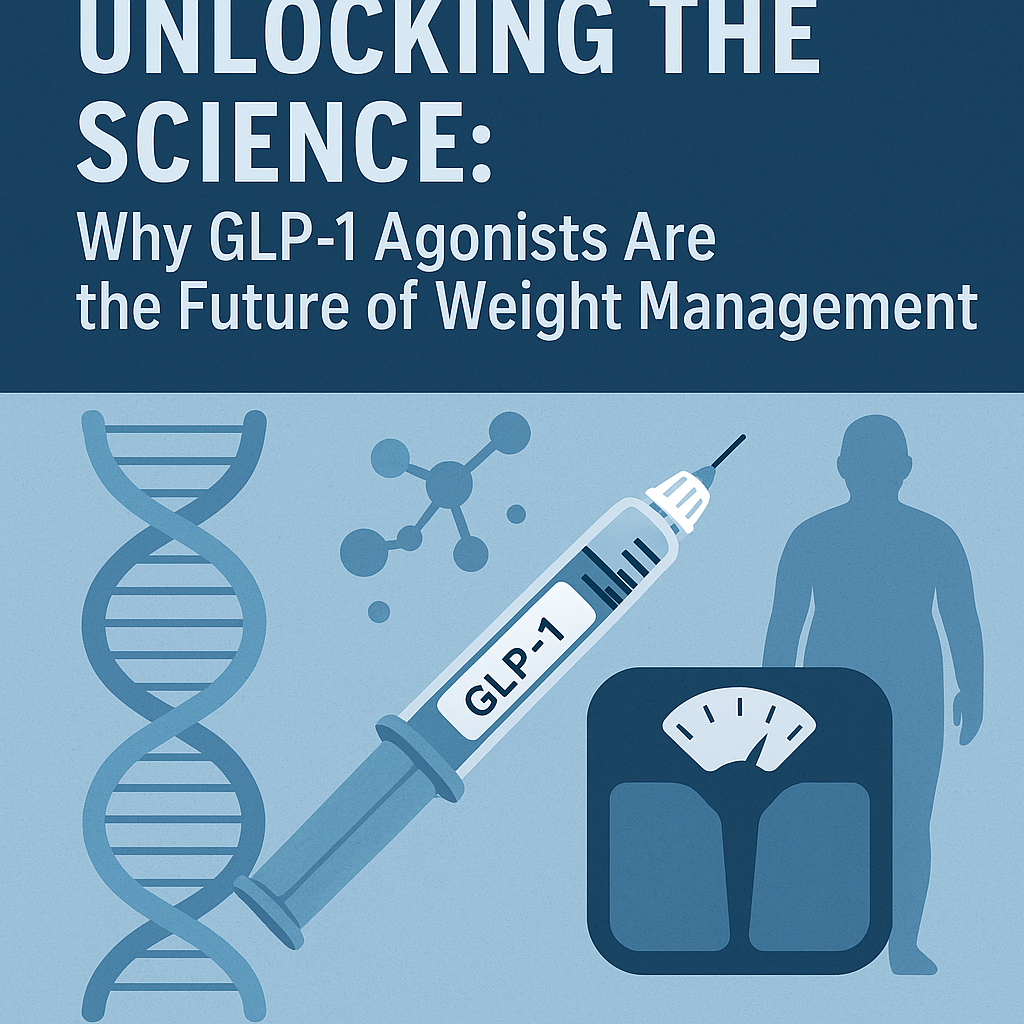
  • Unlocking the Science: Why GLP-1 Agonists Are the Future of Weight Management

    Unlocking the Science: Why GLP-1 Agonists Are the Future of Weight Management

    In a world where obesity rates are climbing significantly, innovative solutions for weight management are becoming increasingly critical. One significant breakthrough in this area is the development and usage of GLP-1 (glucagon-like peptide-1) agonists. Originally designed for treating type 2 diabetes, these medications are now establishing a reputation as promising agents for weight management. This article aims to explore the science behind GLP-1 agonists, their mechanisms of action, benefits, challenges, and the potential they hold for the future.

    Understanding GLP-1 Agonists

    GLP-1 is an incretin hormone released from the intestines that plays a key role in glucose metabolism and appetite regulation. When we eat, GLP-1 signals the pancreas to release insulin, which helps lower blood sugar levels. In addition, it reduces gastric emptying and enhances feelings of satiety, which can assist in controlling hunger.

    GLP-1 agonists are synthetic versions of this hormone designed to activate its receptors in the same way natural GLP-1 does. Common GLP-1 agonists include:

    • Semaglutide (Ozempic, Wegovy)
    • Liraglutide (Saxenda)
    • Dulaglutide (Trulicity)

    Mechanism of Action

    GLP-1 agonists achieve weight loss through multiple mechanisms:

    • Increased Satiety: By enhancing signals of fullness in the brain, these medications help individuals feel satisfied with smaller portions.
    • Reduced Appetite: GLP-1 agonists can directly inhibit appetite centers in the hypothalamus.
    • Slowed Gastric Emptying: The delay in digestion contributes to prolonged feelings of fullness.
    • Improved Insulin Sensitivity: By regulating glucose levels, GLP-1 agonists help stabilize blood sugar, which can help manage cravings.

    Clinical Evidence Supporting Efficacy

    Numerous clinical trials demonstrate the effectiveness of GLP-1 agonists for weight loss. Studies indicate that individuals using GLP-1 agonists can experience significant weight reductions—with some participants losing up to 15% of their body weight over a 68-week period.

    The STEP (Semaglutide Treatment Effect in People with Obesity) trials, in particular, displayed remarkable results. Participants taking semaglutide lost an average of 15-20% of their body weight, compared with placebo groups which recorded minimal weight loss changes.

    Safety Profile and Side Effects

    While GLP-1 agonists have shown impressive results, they are not without side effects. Commonly reported adverse effects include:

    • Nausea and vomiting
    • Diarrhea
    • Constipation
    • Abdominal pain

    Most side effects are mild to moderate and tend to decrease over time. However, there is potential for more serious complications, including pancreatitis and kidney injury. It’s essential for individuals considering these medications to discuss risks with their healthcare providers.

    Barriers to Access and Implementation

    Despite the promising results, several barriers obstruct the widespread use of GLP-1 agonists in clinical practice:

    • Cost: Currently, GLP-1 agonists are often expensive, leading to limited access for some patients.
    • Insurance Coverage: Many insurers do not cover weight management medications, restricting patient access even further.
    • Awareness and Education: A lack of awareness about the potential benefits of GLP-1 agonists among primary care providers can hinder timely prescriptions.
    • Cultural Stigmas: Societal stigma around obesity can lead to apprehension among patients when seeking help.

    Future Implications and the Role of GLP-1 Agonists in Healthcare

    As the healthcare community increasingly recognizes the importance of addressing obesity as a chronic disease, GLP-1 agonists may play a critical role in comprehensive treatment plans. Here are a few implications to consider:

    • Integrated Approach: GLP-1 agonists should ideally be used alongside behavioral therapies and lifestyle changes for optimal outcomes.
    • Long-term Data: Ongoing research is necessary to determine the long-term effects and safety profiles of these medications, as well as their place in weight management.
    • Personalized Medicine: Future studies may pave the way for tailored weight management strategies, considering individual genetics and metabolic profiles, enhancing efficacy.
    • Wider Acceptance: As evidence mounts, healthcare providers may become more inclined to prescribe these medications, leading to better access for patients.

    Conclusion

    GLP-1 agonists represent a significant advancement in the ongoing battle against obesity. With their ability to promote weight loss effectively while addressing related metabolic conditions, they hold the promise of improving long-term health outcomes for millions. As we unlock the science behind these medications, the challenge remains: ensuring access, awareness, and education to maximize their benefits. The future of weight management is here, and GLP-1 agonists are leading the way.

    FAQs

    1. Can GLP-1 agonists be used for all individuals seeking weight loss?

    GLP-1 agonists are primarily recommended for individuals with obesity or overweight who have related health conditions. Consult a healthcare provider for personalized medical advice.

    2. Are there alternatives to GLP-1 agonists for weight management?

    Yes, alternatives include lifestyle changes, behavioral therapy, and other weight management medications. Always consult a healthcare provider for the best approach.

    3. How long must one take GLP-1 agonists for successful weight management?

    Results vary per individual, but many exhibit significant weight loss after a few months. Long-term maintenance may be needed, requiring ongoing consultation with a healthcare provider.

    4. What are the main side effects of GLP-1 agonists?

    Common side effects are gastrointestinal in nature, including nausea, vomiting, diarrhea, and constipation. Most side effects diminish over time.

    5. Will health insurance cover GLP-1 agonists for weight loss?

    Coverage varies by insurance plans and regions. It’s essential to verify with the insurance provider regarding coverage for weight management medications.

  • Tackling Stubborn Belly Fat: Tips and Tricks for Lasting Change

    Tackling Stubborn Belly Fat: Tips and Tricks for Lasting Change

    Belly fat is a common struggle for many individuals, regardless of age or fitness level. It is not just a cosmetic issue; having excess fat around the midsection can lead to serious health problems such as type 2 diabetes, heart disease, and other metabolic syndromes. This article explores practical tips and tricks for tackling that stubborn belly fat and achieving lasting change.

    Understanding Belly Fat

    Before diving into solutions, it’s crucial to understand different types of belly fat. Generally, belly fat is categorized into two types: subcutaneous fat and visceral fat. Subcutaneous fat is the fat that you can pinch, while visceral fat lies deeper around the organs and is associated with potential health risks. Aiming to reduce both types is essential for overall health and well-being.

    Nutrition: The Foundation of Fat Loss

    1. Eat a Balanced Diet

    A balanced diet is critical for weight loss. Focus on incorporating lean proteins, whole grains, healthy fats, and a variety of fruits and vegetables into your meals. Protein helps in building and repairing tissues, and it can also curb your appetite by making you feel full longer.

    2. Reduce Sugar and Refined Carbohydrates

    High sugar intake and refined carbs can lead to weight gain, particularly in the belly area. Limiting foods like sugary drinks, candies, white bread, and pastries can have a significant impact on belly fat. Instead, opt for whole foods that are nutrient-dense.

    3. Focus on Fiber

    Dietary fiber is essential for maintaining a healthy digestive system and can help you feel fuller for longer. Foods high in soluble fiber, such as oats, flaxseeds, avocados, and legumes, can reduce hunger and may help reduce abdominal fat.

    Activity: Move More, Stress Less

    4. Incorporate Regular Exercise

    Exercise is a powerful tool in fighting belly fat. Aim for a combination of aerobic exercises, such as walking, running, swimming, or biking, along with strength training exercises that can boost your metabolism and increase muscle mass. Engaging in physical activity for at least 150 minutes per week is a good guideline.

    5. High-Intensity Interval Training (HIIT)

    HIIT is an effective way to burn calories and reduce belly fat. This method involves short bursts of intense exercise followed by periods of rest or low-intensity activity. Research indicates that HIIT can help reduce abdominal fat more effectively than steady-state exercise.

    6. Manage Stress through Exercise

    Stress can lead to weight gain, especially in the belly area. Engaging in regular physical activity can serve as a stress-reliever, helping to minimize the production of the stress hormone cortisol, which is associated with fat accumulation in the abdomen.

    Consistency: The Key to Lasting Change

    7. Set Realistic Goals

    Setting attainable goals can help you stay focused and motivated. Instead of aiming for drastic weight loss, consider setting smaller, manageable objectives that can be sustained over time, such as losing 1-2 pounds per week or incorporating vegetables into every meal.

    8. Track Your Progress

    Keeping a journal can help you monitor not only your food intake and exercise but also your feelings, moods, and challenges. Tracking your progress can provide valuable insights and help you stay accountable.

    9. Build a Routine

    Creating a consistent routine can play a significant role in your journey to lose belly fat. Schedule your meals and exercise sessions just like you would any important appointment. This helps with adherence and can lead to long-term success.

    Lifestyle Changes for Lasting Results

    10. Prioritize Sleep

    A lack of quality sleep is linked to weight gain and the accumulation of belly fat. Aim for 7-9 hours of sleep per night to support your overall health, improve metabolism, and aid fat loss.

    11. Stay Hydrated

    Drinking water is essential for overall health and can assist in weight loss. Hydration fuels your metabolism, helps in detoxification, and can curb unnecessary snacking. Aim to drink at least eight 8-ounce glasses of water per day, adjusting based on your activity level and climate.

    12. Limit Alcohol Intake

    Alcohol can add extra empty calories and contribute to belly fat. Reducing your alcohol consumption can help with weight loss and improve your overall health. Consider opting for alcohol-free days or choosing lower-calorie options when you do indulge.

    Conclusion

    Tackling stubborn belly fat requires a multifaceted approach, including diet, exercise, lifestyle changes, and consistency. Embracing a balanced diet with whole foods, engaging in regular physical activity, and addressing stress and sleep can help pave the way for lasting change. Remember, patience and persistence are key to achieving and maintaining a healthy weight and a happier, healthier you.

    FAQs

    1. How long does it take to lose belly fat?

    The time it takes to lose belly fat varies from person to person. Factors such as age, genetics, diet, and physical activity level influence how quickly you see results. Generally, a safe rate of weight loss is about 1 to 2 pounds per week.

    2. Are there specific exercises to target belly fat?

    While no exercise can specifically target belly fat, combining cardiovascular exercises with strength training can help reduce overall body fat, which will include fat in the belly area. Core exercises like planks and crunches can strengthen your abdominal muscles but won’t specifically melt away belly fat.

    3. Is it possible to lose belly fat without dieting?

    While diet plays a crucial role in weight loss, engaging in regular exercise and making lifestyle changes can contribute to fat loss. However, combining both diet and exercise is the most effective approach for losing belly fat and improving overall health.

    4. Should I consult a healthcare provider before starting a weight loss program?

    Yes, it’s a good idea to consult with a healthcare provider or registered dietitian before starting any weight loss program, especially if you have pre-existing health conditions or concerns.

  • Belly Fat Be Gone: Proven Methods to Trim Your Tummy

    Belly Fat Be Gone: Proven Methods to Trim Your Tummy

    Belly fat, also known as visceral fat, is not just a cosmetic concern; it poses significant health risks. High levels of belly fat are linked to various conditions, including heart disease, diabetes, and metabolic syndrome. However, the good news is that there are proven strategies to effectively reduce belly fat and improve overall health. This article will explore various methods to help you trim your tummy, discussing dietary changes, exercise routines, lifestyle adjustments, and more.

    Understanding Belly Fat

    Before diving into the methods to lose belly fat, it’s essential to understand what it is and why it matters. Belly fat can be divided into two categories:

    • Subcutaneous fat: This is the fat that lies just under the skin and can be pinched. While it isn’t harmless, it poses fewer health risks compared to visceral fat.
    • Visceral fat: This fat is stored deep within the abdominal cavity and surrounds your organs, making it more dangerous in terms of health. It can produce hormones and inflammatory substances that can lead to serious health issues.

    The Health Risks of Excess Belly Fat

    Excess belly fat is linked to several health problems, including:

    • Cardiovascular disease
    • Type 2 diabetes
    • High blood pressure
    • Inflammation
    • Certain cancers

    For this reason, losing belly fat should be a priority for anyone wishing to live a healthier lifestyle.

    Proven Methods to Trim Your Tummy

    1. Diet Changes

    Your diet plays a crucial role in how much belly fat you carry. Here are some dietary changes you can implement:

    • Reduce Sugar Intake: High sugar intake can contribute to increased belly fat. Aim to cut down on sugary drinks and snacks, and opt for natural sugar sources like fruits.
    • Eat More Protein: Protein can help you feel fuller for longer and increases your metabolic rate. Include lean meats, eggs, beans, and legumes in your diet.
    • Incorporate Healthy Fats: Monounsaturated and polyunsaturated fats can actually help in reducing belly fat. Sources include avocados, olive oil, nuts, and fatty fish.
    • Increase Fiber Intake: Soluble fiber can help reduce fat, especially in the belly area. Foods high in fiber include fruits, vegetables, and whole grains.

    2. Regular Exercise

    Exercise is another essential factor in losing belly fat. Here are some effective exercises:

    • Cardiovascular Exercises: Activities such as running, walking, cycling, and swimming can help reduce overall body fat, including belly fat.
    • Strength Training: Lifting weights or performing bodyweight exercises helps build muscle, which increases metabolism and reduces fat.
    • High-Intensity Interval Training (HIIT): Short bursts of intense exercise followed by rest can be particularly effective for fat loss.

    3. Lifestyle Changes

    Implementing lifestyle changes can significantly impact belly fat reduction:

    • Get Enough Sleep: Lack of sleep can lead to weight gain, including belly fat. Aim for 7 to 9 hours of quality sleep each night.
    • Manage Stress: When stressed, your body releases cortisol, which can lead to increased belly fat. Practice stress reduction techniques such as yoga, meditation, or deep breathing exercises.
    • Stay Hydrated: Drinking plenty of water can help control hunger and increase metabolism. Aim for at least 8 glasses of water a day.

    4. Consider Professional Guidance

    Consulting with healthcare professionals such as dietitians or personal trainers can provide tailored guidance based on individual needs. They can help create a personalized plan that aligns with your goals and lifestyle.

    5. Be Consistent and Patient

    All these methods require a commitment to change. Belly fat loss takes time, and results won’t happen overnight. Setting realistic goals and tracking your progress can help keep you motivated.

    Conclusion

    Removing belly fat is a journey that encompasses various aspects of health, from diet and exercise to lifestyle changes. Understanding the science behind belly fat can empower you to take control of your health and create lasting changes. By incorporating proven methods such as healthy eating, regular exercise, and lifestyle adjustments, you can successfully trim your tummy and improve your overall health.

    Remember, everyone’s body is different, and weight loss methods may vary from person to person. Patience and consistency are key ingredients in ensuring long-term success. With the right approach, your journey to a healthier you can be both effective and enjoyable!

    FAQs

    1. How long does it take to lose belly fat?

    The time required to lose belly fat varies widely among individuals. Generally, noticeable changes can take a few weeks to a few months, depending on your commitment to dietary and exercise changes. Consistency is vital.

    2. Can I target belly fat with specific exercises?

    While specific exercises can help strengthen and tone abdominal muscles, spot reduction is largely a myth. A combination of overall fat loss through cardio and strength training alongside a healthy diet is the best approach.

    3. Is it possible to lose belly fat without exercise?

    While it can be difficult, it’s possible to lose belly fat primarily through dietary changes. However, integrating some form of physical activity greatly enhances fat loss and overall health benefits.

    4. How important is hydration in losing belly fat?

    Hydration plays a crucial role in weight loss. Drinking water can help you feel full, reduce calorie intake, and play a part in increasing metabolic rate, thus assisting in belly fat loss.

    5. Are there any supplements that help target belly fat?

    While some supplements claim to help with fat loss, they aren’t as effective as basic lifestyle changes. Always consult with a healthcare provider before starting any supplement regimen.

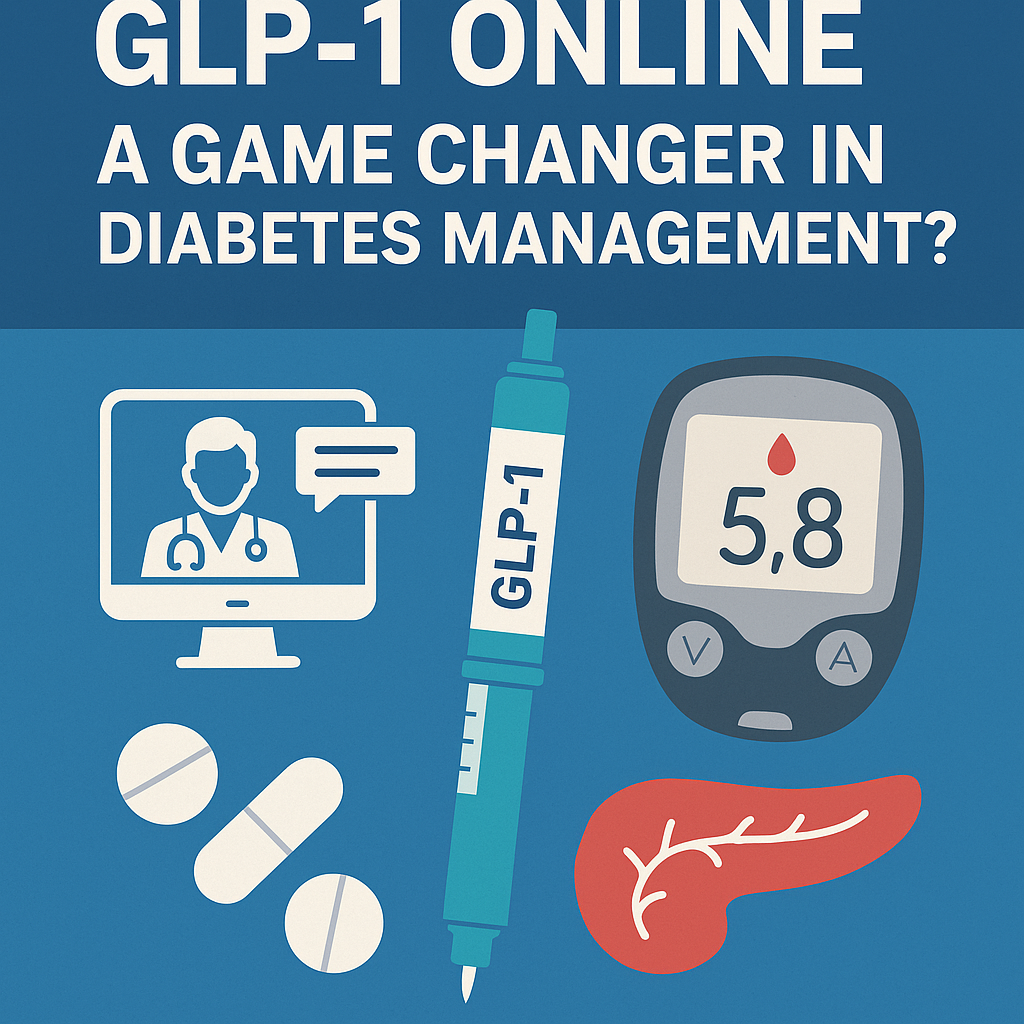
  • GLP-1 Online: A Game Changer in Diabetes Management?

    GLP-1 Online: A Game Changer in Diabetes Management?

    Diabetes management has long been a challenge, with millions of individuals worldwide grappling with this chronic condition. The emergence of new treatments has transformed the landscape of diabetes care, with Glucagon-Like Peptide-1 (GLP-1) receptor agonists leading the charge. This class of medications is designed to improve glycemic control while also offering additional benefits like weight loss, making it a potentially crucial player in diabetes management. In recent times, the availability of GLP-1 medications online has also prompted discussions about access and convenience in diabetes care.

    Understanding GLP-1

    GLP-1 is a hormone produced in the intestinal tract that plays a vital role in glucose metabolism. When you eat, GLP-1 is released, stimulating insulin secretion and inhibiting glucagon release, which are crucial for lowering blood sugar levels. Additionally, GLP-1 slows gastric emptying and increases satiety, contributing to appetite control and weight loss.

    The Mechanism Behind GLP-1 Receptor Agonists

    GLP-1 receptor agonists are designed to mimic the action of the natural GLP-1 hormone. They work by:

    • Increasing insulin secretion in response to meals.
    • Suppressing glucagon release, thereby reducing glucose production by the liver.
    • Slowing gastric emptying, which aids in weight management.
    • Enhancing satiety, which reduces overall caloric intake.

    These actions address the multifaceted nature of diabetes, targeting both insulin resistance and appetite control. Common GLP-1 receptor agonists include medications like Liraglutide and Semaglutide, which have been shown to be effective in managing Type 2 diabetes.

    Benefits of GLP-1 Therapy

    There are several noteworthy benefits associated with GLP-1 receptor agonists:

    • Improved Glycemic Control: Clinical studies indicate significant reductions in HbA1c levels among patients using GLP-1 therapies.
    • Weight Loss: Unlike many other diabetes medications, GLP-1 receptor agonists can promote weight loss, a significant benefit for patients dealing with obesity alongside diabetes.
    • Cardiovascular Benefits: Some studies have suggested that GLP-1 therapies may reduce cardiovascular risks, which is crucial given that people with diabetes are at a higher risk for heart-related complications.
    • Lower Risk of Hypoglycemia: Compared to sulfonylureas and insulin, GLP-1 receptor agonists have a lower risk of causing hypoglycemia, a common concern for diabetes patients.

    GLP-1 Medications Online: A New Era of Accessibility

    The advent of telemedicine and online pharmacies has revolutionized the way patients access diabetes medications, including GLP-1 receptor agonists. Several factors contribute to this trend:

    Convenience

    With busy schedules and accessibility issues, many patients may find it difficult to visit their physician regularly or pick up medications from a pharmacy. Online options allow for easier access and potentially quicker initiation of treatment.

    Increased Privacy

    For some individuals, discussing diabetes management and medications can be uncomfortable. Online consultations and prescriptions can provide a more private and judgment-free environment, reducing stigma.

    Cost-Effectiveness

    Some online pharmacies offer competitive pricing that may help patients find more affordable options for GLP-1 medications. However, it’s crucial to ensure that online pharmacies are reputable and that prescriptions are obtained legally.

    Potential Drawbacks and Risks

    While the online availability of GLP-1 medications is promising, it’s essential to recognize potential drawbacks:

    Lack of Face-to-Face Consultations

    Diagnostic evaluations and personalized treatment plans are often more effective when conducted in person. Health care providers can establish a rapport and detect potential complications more efficiently.

    Risks of Fraudulent Pharmacies

    The internet is rife with fraudulent pharmacies that may sell counterfeit or expired medications. Patients must do due diligence to verify that they are purchasing from legitimate sources.

    Medical Management and Monitoring

    Effective diabetes management often involves more than just medication; it requires monitoring blood sugar levels, making lifestyle changes, and understanding when adjustments in therapy are necessary. Online interactions may limit the comprehensive care that patients need.

    GLP-1 and Lifestyle Changes

    While GLP-1 medications can significantly enhance glycemic control and promote weight loss, they should not be seen as standalone solutions. A comprehensive diabetes management plan typically includes lifestyle modifications such as:

    • Dietary Adjustments: Implementing a balanced diet rich in whole foods, fruits, and vegetables.
    • Regular Exercise: Engaging in physical activity for at least 150 minutes per week, as recommended by health professionals.
    • Regular Monitoring: Keeping track of blood sugar levels to understand how lifestyle changes and medications impact overall health.

    Conclusion

    GLP-1 receptor agonists represent a significant advancement in diabetes management, offering not only improved glycemic control but also potential weight loss and cardiovascular benefits. The convenience of accessing these medications online brings new opportunities but also raises essential considerations regarding the quality of care.

    Ultimately, while GLP-1 therapy may be a game changer for many, it should complement a holistic approach to diabetes management that includes lifestyle changes. Patients are encouraged to collaborate closely with healthcare providers to tailor their treatment plans, ensuring they receive comprehensive care tailored to their needs.

    FAQs

    What are GLP-1 receptor agonists?

    GLP-1 receptor agonists are a class of medications that mimic the action of the GLP-1 hormone, helping to regulate blood sugar levels, promote insulin secretion, and support weight loss.

    How do I know if GLP-1 therapy is right for me?

    Consultation with a healthcare provider is essential to determine the appropriateness of GLP-1 therapy based on individual health needs, medical history, and diabetes management goals.

    Can I purchase GLP-1 medications online safely?

    While online pharmacies offer convenience, it is crucial to ensure that they are licensed and reputable. Always check for certifications like the Verified Internet Pharmacy Practice Sites (VIPPS).

    What lifestyle changes should I consider along with GLP-1 therapy?

    Incorporating a balanced diet, regular exercise, and proper monitoring of blood sugar levels are crucial in managing diabetes effectively alongside GLP-1 therapy.

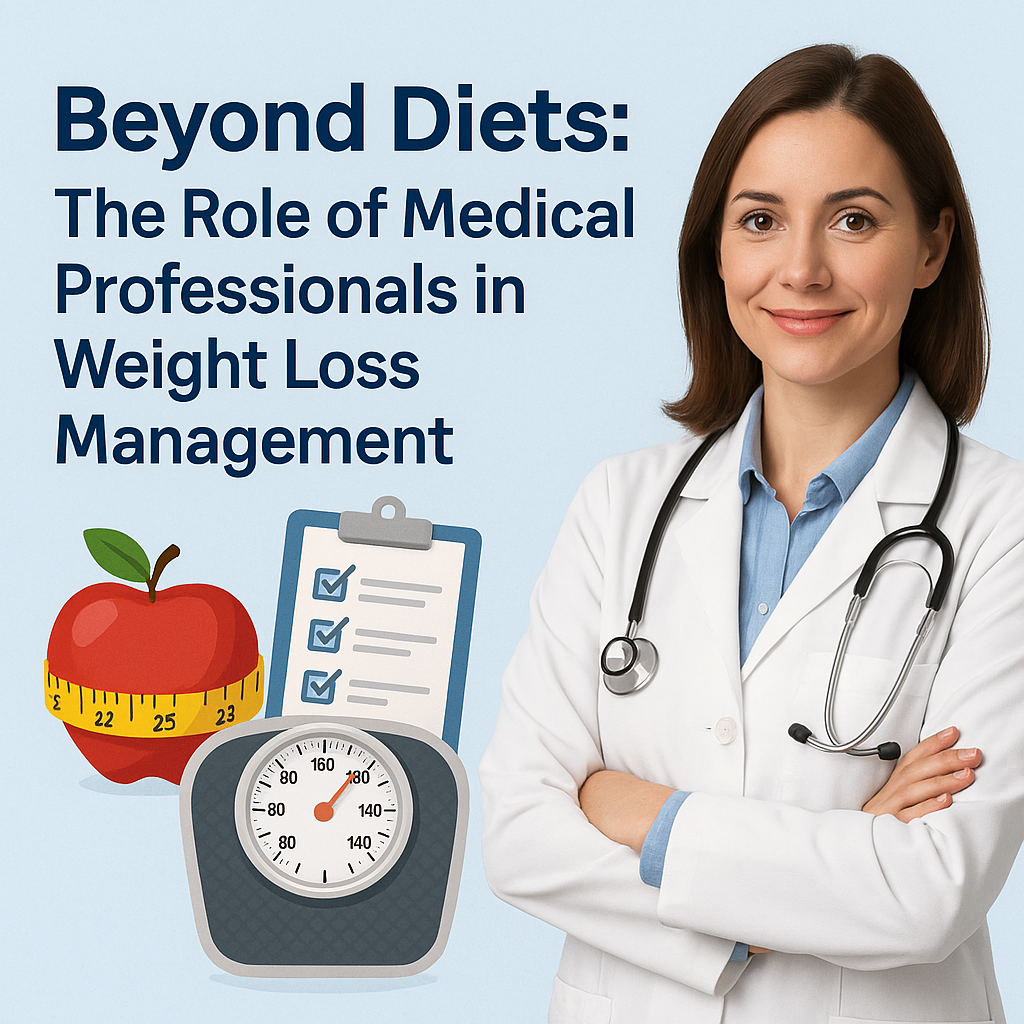
  • Beyond Diets: The Role of Medical Professionals in Weight Loss Management

    Beyond Diets: The Role of Medical Professionals in Weight Loss Management

    Weight management is a pressing health concern in today’s society, affecting millions of individuals worldwide. With the prevalence of obesity and related chronic conditions on the rise, many people are turning to various diets in their quest for weight loss. However, achieving sustainable weight loss often involves more than just a temporary dietary change. This is where medical professionals come into play, offering expertise that can guide individuals through their weight loss journey.

    The Current Landscape of Weight Loss Solutions

    The weight loss industry is saturated with options ranging from fad diets to weight-loss supplements and even surgical procedures. While many individuals find success with these methods initially, long-term sustainability often eludes them. The problem with quick fixes is that they do not address the underlying issues linked to obesity and weight management, such as emotional eating, sedentary lifestyles, and metabolic disorders.

    The Role of Medical Professionals

    Medical professionals, including doctors, dietitians, and psychologists, provide the expertise necessary to create customized weight loss plans that go beyond simple caloric restriction. Their insights can help individuals understand the various biological, psychological, and social factors contributing to weight issues.

    1. Comprehensive Health Assessment

    The first step in weight loss management under the guidance of a medical professional is typically a comprehensive health assessment. This evaluation may include:

    • Medical history review
    • Physical examination
    • Body mass index (BMI) calculation
    • Blood tests to assess metabolic health

    Understanding the individual’s unique health conditions and metabolic profile helps set a foundation for a tailored weight loss program.

    2. Personalized Nutrition Plans

    Instead of following generic diet plans, medical professionals can provide personalized nutrition recommendations based on individual preferences, dietary restrictions, and health conditions. Registered Dietitians are invaluable in this aspect as they can:

    • Interpret nutritional studies and theories
    • Teach portion control
    • Encourage meal planning and preparation

    Sustainable changes to eating habits are emphasized over drastic caloric restriction, helping individuals adhere to their plans long-term.

    3. Behavioral Therapy

    Psychological factors play a critical role in weight management. Emotional eating, stress, and other psychological issues often contribute to weight gain. Psychologists and counselors specialized in weight management can offer strategies to address these issues, which may include:

    • Cognitive-behavioral therapy (CBT)
    • Mindfulness training
    • Stress management techniques

    By addressing the psychological aspects, individuals can develop healthier relationships with food and understand their emotional triggers for overeating.

    4. Medical Interventions

    For some individuals, lifestyle changes alone may not lead to sufficient weight loss due to underlying medical conditions. In these cases, medical interventions may be appropriate. Options include:

    • Medications that aid in weight loss
    • Surgical procedures such as gastric bypass or sleeve gastrectomy

    These options should be considered carefully, with medical professionals outlining the potential benefits and risks involved.

    5. Continuous Monitoring and Support

    Weight loss is not a destination but a journey. Continuous monitoring by medical professionals is crucial for keeping individuals motivated and accountable. Regular check-ins may include:

    • Tracking weight and body measurements
    • Adjusting nutrition and exercise plans as needed
    • Offering encouragement and support

    This ongoing support can make a significant difference in an individual’s success.

    The Importance of an Interdisciplinary Approach

    Successful weight management often requires an interdisciplinary approach that involves collaboration among various health professionals. Doctors, dietitians, psychologists, and exercise physiologists can work together to develop a comprehensive strategy that treats the whole person, considering all factors that contribute to weight gain.

    Collaboration Benefits

    When these specialists collaborate, they can:

    • Share insights to create more effective interventions
    • Provide a more well-rounded approach to treatment
    • Enhance patient education and understanding of their condition

    This teamwork creates a support network that combines expertise in different areas, ultimately benefiting the patient.

    Conclusion

    In a world filled with quick-fix diet solutions, the integral role of medical professionals in weight loss management cannot be overstated. Their comprehensive understanding of the biological, psychological, and social factors influencing weight makes them indispensable allies on the journey to healthier living. By working with healthcare professionals, individuals can gain personalized plans that are evidence-based and sustainable.

    Long-term health is about achieving balance, not just reaching a specific number on the scale. With the guidance of medical professionals, individuals can foster healthier habits, ensuring that their weight loss journey transcends temporary diets and leads to lasting success.

    FAQs

    1. How do I find a medical professional specializing in weight management?

    Start by consulting your primary care physician for referrals. You can also search online databases or professional organizations such as the Academy of Nutrition and Dietetics for registered dietitians or the American Psychological Association for psychologists specializing in eating behavior.

    2. Are weight-loss medications safe?

    Weight-loss medications can be safe and effective when prescribed by a medical professional and used as part of a comprehensive weight management program. It’s important to discuss potential side effects and risks with your healthcare provider.

    3. What should I expect during my first consultation with a weight management professional?

    During your first consultation, you can expect a thorough assessment of your medical history, lifestyle habits, and possible underlying health issues. You’ll also have the opportunity to discuss your weight loss goals and expectations.

    4. How important is exercise in a weight loss program?

    Exercise is crucial for weight loss and overall health. It helps burn calories, builds muscle, and can improve mood and mental well-being. A well-rounded fitness program combined with a healthy diet yields the best results.

    5. Can I lose weight without any medical interventions?

    Yes, many individuals can achieve weight loss through lifestyle changes focused on diet and exercise. However, those with underlying health issues may benefit significantly from consulting medical professionals for tailored approaches.

    © 2023 Weight Management Resources

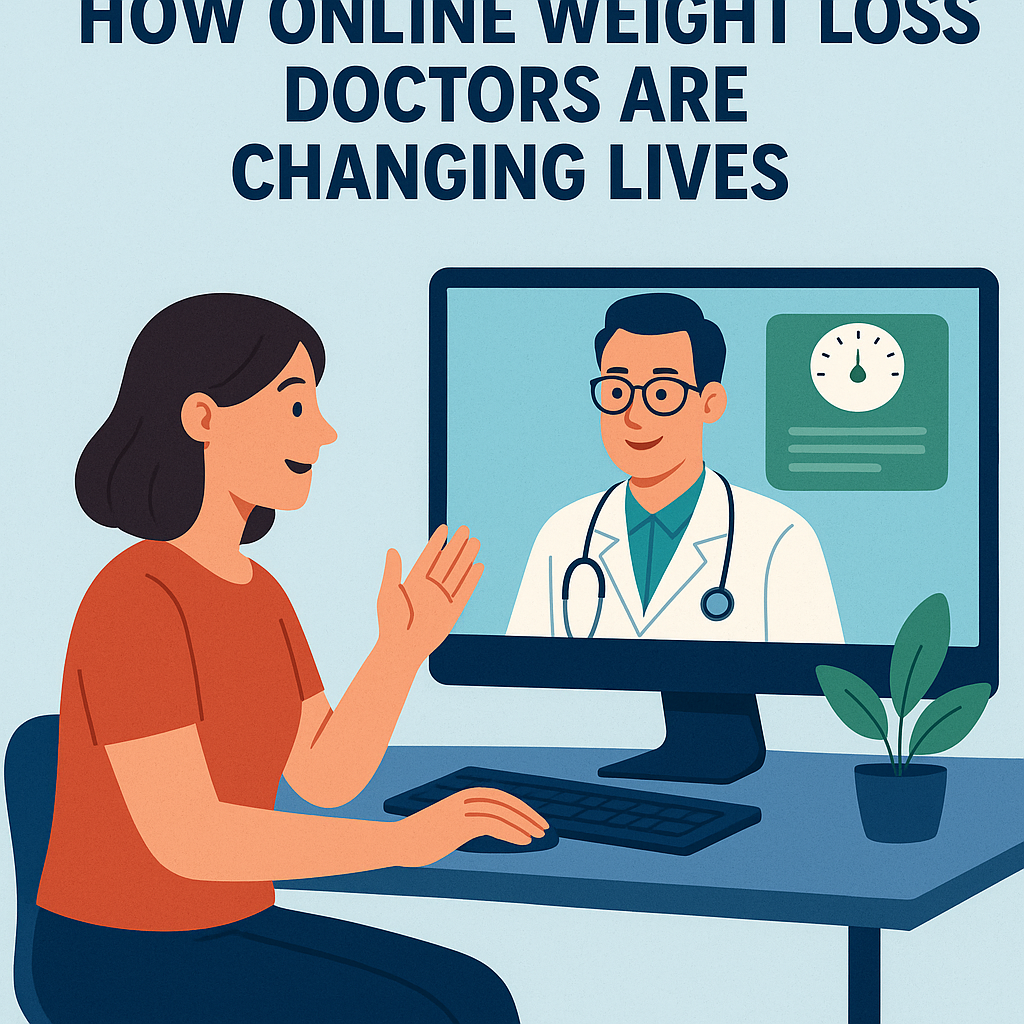
  • Virtual Consultations: How Online Weight Loss Doctors Are Changing Lives

    Virtual Consultations: How Online Weight Loss Doctors Are Changing Lives

    In today’s fast-paced world, traditional healthcare has evolved, paving the way for innovative solutions such as virtual consultations. Online weight loss services have recently gained tremendous traction, providing individuals with tools and resources to manage their weight from the comfort of their homes. This article explores how virtual consultations with weight loss doctors are transforming lives, discussing the benefits, accessibility, approaches, and challenges of this modern healthcare solution.

    The Rise of Virtual Consultations

    The surge in telehealth services can be attributed to several factors, including advances in technology, increased awareness of health issues, and changing consumer demands. Virtual consultations, particularly in the realm of weight management, have revolutionized healthcare delivery by breaking traditional barriers associated with in-person visits.

    Accessibility and Convenience

    Weight loss can often feel overwhelming, and the thought of visiting a doctor can further complicate the process. Virtual consultations offer greater accessibility for individuals who may have mobility issues, live in remote areas, or have busy schedules that prevent them from attending in-person appointments. Patients now have the ability to consult with experienced weight loss doctors from anywhere, whether at home or during lunch breaks at work.

    Personalized Approach

    Online weight loss doctors are able to provide tailored solutions based on individual health conditions, lifestyle factors, and personal goals. Using initial virtual consultations, these professionals can create personalized weight loss plans that consider dietary preferences, exercise habits, and psychological factors affecting each patient.

    The Impact of Online Weight Loss Doctors

    Building Trust and Support

    One of the critical aspects of weight loss is emotional health and motivation. Online consultations foster an environment where individuals can feel more comfortable discussing challenges and setbacks they face in their weight loss journey. This level of comfort often leads to better communication and stronger relationships between patients and their doctors.

    Furthermore, many online weight loss programs include support systems like group chats and forums, enhancing the sense of community. Patients feel less isolated, knowing others share similar struggles.

    Continuous Monitoring and Feedback

    Virtual consultations allow for ongoing assessments and real-time adjustments to weight loss programs. Through various apps and platforms, patients can share their progress, receive feedback, and maintain accountability. This continuous flow of information helps reinforce positive behaviors and enables quick interventions if necessary.

    Technological Advancements Supporting Virtual Consultations

    The effectiveness of virtual consultations is underpinned by technological advancements that have made remote healthcare more practical and efficient. Here are some key technologies influencing online weight loss consultations:

    Mobile Applications

    • Tracking Tools: Many apps allow users to log meals, physical activities, and even emotional states, facilitating a comprehensive overview of their health.
    • Integration with Wearables: Devices like Fitbits and Apple Watches contribute valuable fitness data directly to health professionals, improving their understanding of patient activity levels.

    Telehealth Platforms

    Secure telehealth platforms enable seamless communication between patients and doctors, offering features such as instant messaging, video calls, and file-sharing to assess medical histories or dietary plans effectively.

    Challenges of Virtual Consultations

    While the benefits of virtual consultations are significant, there are also challenges that need to be addressed:

    Technical Barriers

    Not all patients are comfortable with technology, and some may lack the necessary devices or internet connectivity. This digital divide can limit access, particularly for older populations or those who live in areas with poor internet services.

    Lack of Personal Touch

    Face-to-face consultations often allow for non-verbal cues and more personalized interactions, which can be difficult to replicate in a virtual setting. Building rapport may take longer in an online environment, impacting the doctor-patient relationship.

    Success Stories: Transforming Lives

    Many individuals have found substantial success with online weight loss consultations. Here are a few inspiring stories:

    Emily’s Journey

    After struggling with weight her entire life, Emily discovered an online weight loss program during the pandemic. With the help of a dedicated virtual doctor, she created a sustainable meal plan and began a fitness regimen. Regular check-ins and support through online groups helped her lose over 50 pounds and significantly improve her mental well-being.

    Mike’s Transformation

    Mike, a busy executive, felt he didn’t have time for in-person doctor visits. Upon signing up for an online consultation, he was matched with a weight loss doctor who understood his time constraints. With personalized meal plans and effective time management strategies, Mike successfully navigated a weight loss journey that resulted in him shedding 30 pounds.

    Conclusion

    Virtual consultations with online weight loss doctors are a game-changer in the healthcare landscape. As more people seek effective, convenient, and personalized weight management solutions, the importance of these consultations cannot be overstated. With ongoing technological advancements and an increased focus on patient-centered care, online weight loss programs are poised to revolutionize the way individuals approach their health—making weight loss more achievable for those who might have previously felt hopeless. The future looks bright for virtual healthcare, offering inclusive, supportive, and evidence-based solutions for a healthier society.

    FAQs

    1. Are virtual weight loss consultations effective?

    Yes, many individuals have achieved significant weight loss and health improvements through virtual consultations, thanks to personalized plans and ongoing support.

    2. Do I need special equipment for virtual consultations?

    Generally, all you need is a computer or smartphone with internet access to participate in virtual consultations.

    3. How can I find a qualified online weight loss doctor?

    You can search online directories for licensed telehealth providers, read reviews, and check their credentials to ensure they offer what you need.

    4. What can I expect during a virtual consultation?

    During a virtual consultation, the doctor will assess your medical history, discuss your weight loss goals, and collaborate on a personalized weight loss plan.

    5. Are virtual consultations covered by insurance?

    Coverage for virtual consultations varies by insurance provider. It’s best to check your insurance policy or consult with your provider for specifics.

    If you have any more questions or would like to learn more about virtual consultations, please consult a healthcare provider or explore dedicated telehealth services online.

  • Transform Your Health: A Guide to the Leading GLP-1 Clinics

    Transform Your Health: A Guide to the Leading GLP-1 Clinics

    Understanding GLP-1

    Glucagon-like peptide-1 (GLP-1) is a hormone that plays a critical role in the management of glucose levels in the body. It is produced in the intestines in response to food intake and has several important functions, including stimulating insulin secretion, inhibiting glucagon release, and slowing gastric emptying. In recent years, GLP-1 receptor agonists have gained attention for their effectiveness in helping individuals manage weight and diabetes.

    GLP-1 receptor agonists, such as semaglutide and liraglutide, are synthetic versions of the hormone that have been developed into injectable medications. These drugs not only help control blood sugar levels but also promote weight loss, making them attractive options for people with obesity and type 2 diabetes.

    The Role of GLP-1 Clinics

    As the popularity of GLP-1 receptor agonists has risen, specialized clinics dedicated to providing these treatments have sprouted across the country. These clinics not only dispense medications but also offer a holistic approach to health management. They emphasize the importance of lifestyle modifications, nutritional counseling, and regular health monitoring.

    Individuals seeking GLP-1 therapy often turn to these clinics for several reasons:

    • Expert Guidance: Physicians in GLP-1 clinics are trained in endocrinology and obesity medicine, enabling them to provide personalized treatment plans.
    • Comprehensive Care: Many clinics offer additional services like diet plans, exercise programs, and behavioral therapy.
    • Supportive Environment: Patients often find a supportive community within these clinics, fostering motivation and accountability.

    Leading GLP-1 Clinics in the United States

    Several clinics across the United States are recognized for their excellence in GLP-1 treatment. Below is a curated list of top GLP-1 clinics that have garnered positive reviews:

    1. The Obesity Medicine Association Clinic

    Located in multiple cities, this clinic specializes in obesity medicine, providing a variety of weight management treatments, including GLP-1 therapies. Their holistic approach, including nutritional education and behavioral support, helps foster long-term success.

    2. WeightLossMD

    With locations in several states, WeightLossMD offers personalized care through a team of medical professionals devoted to weight management. Their modern facilities and state-of-the-art equipment help deliver effective treatments, including GLP-1 medications.

    3. The Hormone Zone

    This clinic focuses on hormone therapy, including GLP-1 receptor agonists. Their unique approach combines hormone balance with lifestyle changes, providing a comprehensive solution for weight loss and metabolic health.

    4. Nutrisystem Medical

    Nutrisystem Medical offers a unique program that combines meal delivery with medical supervision. Their team includes registered dietitians and medical professionals experienced in GLP-1 treatments, ensuring safe and effective weight loss.

    5. SottoPelle

    Specializing in bioidentical hormone replacement therapy, SottoPelle also integrates GLP-1 treatments into their services. Their patient-centric focus ensures that individuals receive personalized care tailored to their needs.

    What to Expect at a GLP-1 Clinic

    Visiting a GLP-1 clinic for the first time can raise many questions. Here’s what you can typically expect during your initial visit:

    Initial Consultation

    Your journey usually begins with a thorough evaluation by a healthcare professional. They will assess your medical history, current health status, and weight management goals. This consultation is crucial for devising a personalized treatment plan.

    Medical Assessment

    You may undergo various tests to evaluate your metabolic health. This could include blood work to check glucose levels, lipid profiles, and other relevant biomarkers.

    Personalized Treatment Plan

    Based on your assessment, the healthcare provider will recommend a suitable GLP-1 medication and outline a comprehensive treatment plan, which may include dietary changes, exercise recommendations, and follow-up appointments.

    Monitoring and Adjustments

    Regular follow-ups will allow the clinic to monitor your progress, make necessary adjustments to your treatment, and provide ongoing support.

    Benefits of GLP-1 Therapy

    GLP-1 therapy offers numerous benefits beyond weight management, including:

    • Improved Blood Sugar Control: Many patients experience better glycemic control, significantly reducing the risk of diabetes complications.
    • Sustained Weight Loss: GLP-1 medications have been shown to produce substantial long-term weight loss in many individuals.
    • Reduced Appetite: These medications suppress hunger, which can help control caloric intake effectively.
    • Heart Health: Some studies suggest that GLP-1 therapy may reduce the risk of cardiovascular disease.

    Potential Side Effects

    While GLP-1 medications are generally well-tolerated, some individuals may experience side effects, including:

    • Nausea and vomiting
    • Dizziness
    • Diarrhea or constipation
    • Headaches

    It’s crucial to discuss any concerns with your healthcare provider during your consultations to ensure that you’re well-informed and supported throughout your treatment.

    Conclusion

    Transforming your health is achievable through the use of GLP-1 therapies, especially when facilitated by leading clinics dedicated to weight management and metabolic health. These clinics offer not only the medications needed to aid in weight loss and glucose control but also a comprehensive support system that addresses lifestyle changes and overall well-being. As with any medical treatment, it’s crucial to consult with a healthcare provider to determine the best path forward for your individual needs. By partnering with a specialized GLP-1 clinic, you can embark on a transformative journey toward better health and improved quality of life.

    FAQs

    1. Who is a candidate for GLP-1 therapy?

    Individuals with obesity, prediabetes, or type 2 diabetes may be candidates for GLP-1 therapy. Personal health history and goals are also considered.

    2. How long do I have to stay on GLP-1 medications?

    The duration of GLP-1 therapy varies by individual. Many patients may benefit from longer-term use, especially when adhering to a supportive program.

    3. Are GLP-1 medications safe?

    GLP-1 medications have undergone extensive testing for safety and efficacy. However, discussing potential risks and side effects with your healthcare provider is essential.

    4. Can I combine GLP-1 therapy with other weight loss methods?

    Yes, GLP-1 therapy can be combined with lifestyle changes such as diet and exercise. This comprehensive approach often yields the best results.

    5. Where can I find a GLP-1 clinic near me?

    You can search online for GLP-1 clinics in your area or consult with your primary healthcare provider for recommendations.