
Category: Fitness Tips

  • Semaglutide: The Game-Changer in Weight Loss Solutions

    Semaglutide: The Game-Changer in Weight Loss Solutions

    In recent years, the focus on obesity and related health challenges has become more pronounced than ever. As life expectancy increases, the necessity for effective weight management solutions has surged. Among the numerous options available, Semaglutide has emerged as a groundbreaking pharmaceutical agent that has revolutionized weight loss treatment. This article explores Semaglutide in detail, delves into its mechanism of action, benefits, and potential side effects, and highlights its role as a game-changer in weight loss solutions.

    Understanding Semaglutide

    Semaglutide is a glucagon-like peptide-1 (GLP-1) receptor agonist initially developed for managing type 2 diabetes. It helps in regulating blood sugar levels but has gained attention for its significant impact on weight loss. The drug mimics the effects of the natural hormone GLP-1, which plays a crucial role in appetite regulation and energy balance.

    Mechanism of Action

    The pharmacological action of Semaglutide hinges on stimulating the GLP-1 receptors found in various parts of the body, particularly in the brain and the digestive tract. Here’s how it works:

    • Appetite Suppression: Semaglutide signals to the brain that the body is full, reducing hunger, and promoting satiety. This helps individuals consume fewer calories throughout the day.
    • Delayed Gastric Emptying: By slowing down the movement of food from the stomach to the intestines, Semaglutide enhances feelings of fullness and reduces the frequency of hunger pangs.
    • Improved Glycemic Control: Initially aimed at controlling blood glucose in diabetic patients, Semaglutide helps stabilize blood sugar levels, thereby reducing cravings for high-calorie foods.

    Clinical Evidence Supporting Weight Loss

    Multiple clinical trials have demonstrated the efficacy of Semaglutide as a weight loss solution. A landmark study published in the New England Journal of Medicine in 2021 revealed astounding results:

    • Participants who received weekly injections of Semaglutide for 68 weeks lost an average of 15-20% of their body weight, surpassing traditional weight loss methods.
    • A significant portion of the participants achieved at least a 5% reduction in body weight, which is often sufficient to improve obesity-related health issues.

    Such results indicate a profound impact, making Semaglutide a compelling option for those struggling with obesity or weight management issues.

    Additional Benefits of Semaglutide

    Beyond weight loss, Semaglutide presents several additional health benefits:

    • Reduction in Cardiovascular Risk: Studies reveal that weight loss achieved through Semaglutide can lower cardiovascular risk factors, such as high blood pressure and elevated cholesterol levels.
    • Improved Quality of Life: Many users report enhanced overall well-being, physical fitness, and mental health, contributing to a more active lifestyle.
    • Potential for Diabetes Remission: For those with pre-diabetes or type 2 diabetes, effective weight management through Semaglutide may lead to remission, reducing the need for associated medications.

    Administration and Dosage

    Semaglutide is administered via a subcutaneous injection, typically in the abdomen, thigh, or upper arm. The initial dosing typically starts lower to allow for adjustment and reduce the risk of gastrointestinal side effects. The dosage can gradually be increased based on individual tolerance and prescribed by healthcare professionals.

    Side Effects and Considerations

    While Semaglutide presents many benefits, it’s essential to consider potential side effects:

    • Gastrointestinal Issues: Common side effects include nausea, diarrhea, and vomiting. These symptoms usually decrease over time as the body adjusts to the medication.
    • Pancreatitis Risk: There have been reports of pancreatitis in some users, highlighting the importance of monitoring for stomach pain or persistent nausea.
    • Kidney Function: Some studies have suggested a correlation between Semaglutide use and kidney issues; thus, regular checks are necessary.

    Consultation with healthcare providers is crucial for assessing individual suitability for this medication and monitoring any adverse effects.

    Who Should Consider Semaglutide?

    Semaglutide is generally prescribed for individuals with a body mass index (BMI) of 30 or greater (obesity) or a BMI of at least 27 with weight-related health issues, such as type 2 diabetes, hypertension, or dyslipidemia. It is not suitable for pregnant individuals, those with a personal history of medullary thyroid carcinoma, or certain other medical conditions.

    Conclusion

    Semaglutide has emerged as a revolutionary medication in the realm of weight loss, providing an effective tool for individuals struggling with obesity and related health issues. Its dual benefits of weight loss and improved glycemic control make it a comprehensive solution for weight management. While it is imperative to weigh the benefits against potential side effects, Semaglutide holds promise for transforming the lives of many individuals seeking healthier lifestyles.

    FAQs

    What is Semaglutide used for?

    Semaglutide is primarily used as a treatment for type 2 diabetes and has also been found effective for weight loss in individuals with obesity or excess weight. It helps regulate appetite and promotes significant weight loss.

    How long does it take to see results from Semaglutide?

    Many users start to notice weight loss results within the first few weeks of treatment. However, significant changes are typically observed after about 12 to 16 weeks of consistent use.

    Is Semaglutide safe to use?

    Semaglutide is generally considered safe for most individuals when used under proper medical supervision. However, it is vital to discuss individual medical histories with healthcare providers to assess any risks or contraindications.

    Can I take Semaglutide with other medications?

    Semaglutide can be used alongside other medications, but it’s essential to consult with a healthcare provider who can evaluate potential interactions and adjust treatment plans accordingly.

    How does Semaglutide compare to other weight loss medications?

    Semaglutide has shown superior weight loss results compared to many other weight loss medications on the market. It’s crucial to consult a healthcare professional to determine the best weight loss option for individual needs.
    © 2023 Semaglutide Research Review

  • Revolutionizing Weight Loss: How GLP-1 Medications Are Changing the Game

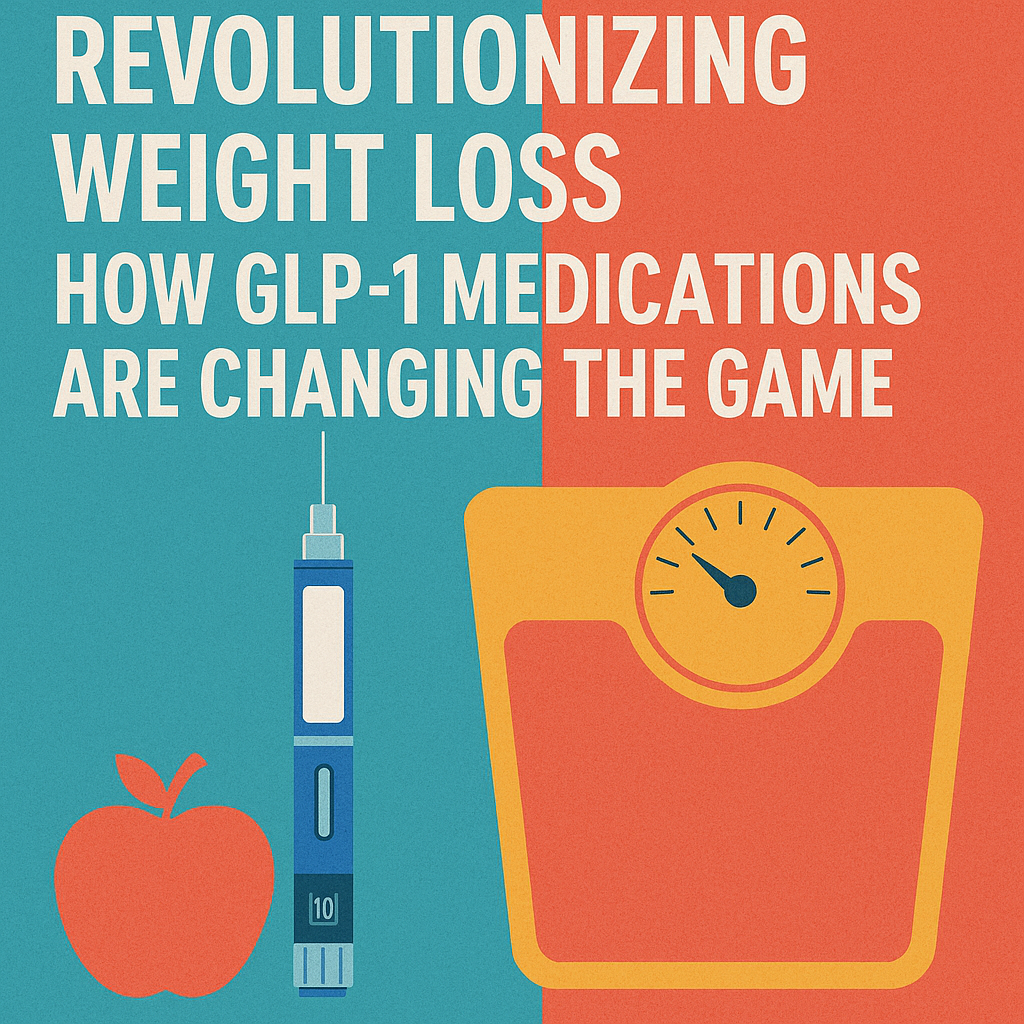
    Revolutionizing Weight Loss: How GLP-1 Medications Are Changing the Game

    Obesity has reached epidemic proportions globally, with millions of individuals struggling to achieve and maintain weight loss. Traditional methods, such as diet and exercise, have often proven insufficient for many, leading to an ongoing search for effective solutions. In recent years, GLP-1 (Glucagon-like peptide-1) medications have garnered attention for their potential to revolutionize weight loss strategies. These medications, originally developed for the treatment of type 2 diabetes, are now being recognized for their efficacy in weight management. This article delves into the mechanisms, benefits, and implications of GLP-1 medications in the realm of weight loss.

    Understanding GLP-1 Medications

    GLP-1 is a hormone produced in the intestines, playing a crucial role in glucose metabolism. When we eat, GLP-1 is released from the gut and helps regulate blood sugar levels by enhancing insulin secretion and suppressing glucagon release (a hormone that raises blood sugar levels). However, its effects extend beyond blood sugar control; GLP-1 also influences appetite and satiety.

    GLP-1 medications are synthetic versions of this hormone, designed to mimic its effects. The most well-known GLP-1 medications include:

    • Semaglutide (brand name Ozempic and Wegovy)
    • Liraglutide (brand name Saxenda)
    • Dulaglutide (brand name Trulicity)
    • Exeatide (brand name Byetta and Bydureon)

    Mechanism of Action

    GLP-1 medications work through several mechanisms to facilitate weight loss:

    • Appetite Suppression: GLP-1 medications act on the brain’s appetite centers, helping to reduce hunger and enhance feelings of fullness. This leads to a decrease in food intake.
    • Slower Gastric Emptying: These medications slow down the rate at which the stomach empties, prolonging satiety and further reducing the desire to eat.
    • Improved Insulin Sensitivity: By enhancing insulin secretion in response to meals, GLP-1 medications help stabilize blood sugar levels, which can aid in managing cravings and overeating.

    Benefits of GLP-1 Medications for Weight Loss

    The introduction of GLP-1 medications for weight loss can be a game-changer for many individuals. Here are some of the primary benefits:

    • Significant Weight Loss: Clinical studies have shown that individuals using GLP-1 medications can achieve an average weight loss of 10-20% of their body weight. This is considerably higher than what is typically achieved through lifestyle interventions alone.
    • Maintenance of Weight Loss: One of the significant challenges in weight loss is maintaining it over time. GLP-1 medications have been associated with improved weight maintenance, offering hope for those who have struggled with yo-yo dieting.
    • Metabolic Improvements: Aside from weight loss, GLP-1 medications can improve other metabolic parameters, such as lowering blood pressure, cholesterol levels, and improving glycemic control.
    • Cardiovascular Benefits: Some studies indicate that GLP-1 medications may offer cardiovascular protection, reducing the risk of heart disease for individuals with obesity.

    Challenges and Considerations

    While the benefits of GLP-1 medications are promising, there are important considerations to keep in mind:

    • Side Effects: Some individuals may experience gastrointestinal side effects such as nausea, vomiting, and diarrhea. These effects typically diminish over time but can be challenging for new users.
    • Cost: GLP-1 medications can be expensive, and not all insurance plans cover them for weight loss. This financial barrier may prevent access for some individuals.
    • Not a Standalone Solution: While GLP-1 medications can enhance weight loss efforts, they should not be viewed as a “magic pill.” A comprehensive approach, including dietary and lifestyle changes, remains crucial for long-term success.

    The Future of Weight Loss with GLP-1 Medications

    The landscape of weight management is evolving as more research emerges around GLP-1 medications. Their potential not only addresses obesity but also has implications for associated conditions such as type 2 diabetes, hypertension, and cardiovascular disease. As awareness grows and more clinical guidelines incorporate these medications, we may see a shift in how healthcare providers approach obesity treatment.

    Moreover, ongoing research is focused on understanding the long-term effects and exploring combination therapies that integrate GLP-1 medications with lifestyle interventions. Such strategies aim to optimize weight loss outcomes and improve overall health.

    Patient Experiences and Real-World Outcomes

    Many patients report transformative experiences after starting GLP-1 medications. Success stories often highlight the combination of reduced appetite, increased energy, and improved mood. Patients express feelings of empowerment as they engage in healthier eating habits and participate in physical activities.

    One common thread among these stories is the sense of community and support. Many patients are encouraged by group programs or telehealth options that provide continuous feedback and motivation. This social aspect contributes to sustained behavior changes, amplifying the effects of GLP-1 medications.

    Conclusion

    The emergence of GLP-1 medications marks a significant shift in the battle against obesity. By targeting multiple mechanisms related to appetite, satiety, and metabolic function, these medications offer a compelling option for individuals who have struggled to achieve long-term weight loss through traditional methods. As more research continues to unfold, and as healthcare providers become more familiar with these treatments, GLP-1 medications hold the promise of a brighter future for weight management.

    Nevertheless, it is essential for individuals considering GLP-1 medications to consult healthcare professionals to determine the most effective and personalized approach to their weight loss journey. Together, with lifestyle modifications, GLP-1 medications can be a critical component in achieving lasting weight management success.

    FAQs

    1. What are GLP-1 medications?

    GLP-1 medications are synthetic forms of the hormone glucagon-like peptide-1, designed to regulate blood sugar levels and aid in weight loss by suppressing appetite and enhancing satiety.

    2. Who can benefit from GLP-1 medications?

    GLP-1 medications are generally prescribed for individuals with obesity or overweight conditions, especially those with comorbidities such as type 2 diabetes, hypertension, or cardiovascular disease.

    3. Are there side effects associated with GLP-1 medications?

    Yes, some individuals experience gastrointestinal issues, such as nausea or diarrhea. However, these side effects may decrease over time as the body adjusts.

    4. How much weight can I expect to lose with GLP-1 medications?

    Clinical studies have shown average weight loss ranging from 10-20% of body weight, although individual results can vary based on several factors including diet and lifestyle.

    5. Are GLP-1 medications a standalone solution for weight loss?

    No, while GLP-1 medications can enhance weight loss, they work best in conjunction with lifestyle changes like healthy eating and regular exercise.

    © 2023 Revolutionizing Weight Loss Insights