Category: Fitness Tips

  • Semaglutide Success: New Data Reveals Breakthroughs in Weight Loss and Diabetes Management

    Semaglutide Success: New Data Reveals Breakthroughs in Weight Loss and Diabetes Management

    In recent years, the demand for effective weight loss and diabetes management solutions has surged. Among the promising treatments emerging in this field is Semaglutide, a medication originally developed for type 2 diabetes management that has shown remarkable efficacy in promoting weight loss. This article delves into the latest data surrounding Semaglutide, showcasing its impact on weight loss and diabetes management, and illuminating the potential benefits for patients worldwide.

    Understanding Semaglutide

    Semaglutide is a synthetic analog of the glucagon-like peptide-1 (GLP-1) receptor agonist, which mimics the effects of the GLP-1 hormone that the body naturally produces. This medication plays a crucial role in blood sugar regulation and metabolism, making it a dual-purpose treatment for both type 2 diabetes and obesity.

    Initially approved by the FDA in 2017 as Ozempic for blood sugar control, its weight loss potential was further explored, leading to the development of the brand Wegovy. Wegovy received FDA approval in 2021 for weight management in adults with obesity.

    Key Findings: Weight Loss Success

    Recent clinical trials and real-world studies have provided compelling data on the efficacy of Semaglutide in promoting weight loss. The STEP (Semaglutide Treatment Effect in People with Obesity) trials have been instrumental in revealing the potential of this medication.

    The STEP Trials

    • STEP 1: In a clinical study involving 1,961 adults with obesity, those who received Semaglutide lost an average of 15% of their body weight after 68 weeks, compared to a mere 2.4% among placebo users.
    • STEP 2: Focusing on individuals with type 2 diabetes, participants on Semaglutide experienced similar weight loss effects while also improving their glycemic control.
    • STEP 3: This trial compared Semaglutide to lifestyle interventions, showing that those on the medication lost significantly more weight than those solely engaged in behavior modifications.

    These findings signify a paradigm shift in how obesity is treated, emphasizing the importance of pharmacological intervention along with lifestyle changes.

    Insulin Sensitivity and Glycemic Control

    In addition to aiding weight loss, Semaglutide has shown remarkable effectiveness in managing glycemic control among individuals with type 2 diabetes. The medication helps to lower blood sugar levels by:

    • Enhancing insulin secretion in response to high blood sugar levels.
    • Reducing glucagon production, which in turn lowers glucose production by the liver.
    • Delaying gastric emptying to reduce post-meal blood sugar spikes.

    Recent data revealed that participants in the STEP 2 trial not only lost weight but also achieved significant improvements in hemoglobin A1c levels, a key marker for long-term glucose control. This dual benefit positions Semaglutide as a multifaceted treatment for obese patients dealing with diabetes.

    Real-World Evidence and Patient Experience

    Beyond clinical trials, real-world evidence has begun to demonstrate effective outcomes for Semaglutide users. Various observational studies and patient testimonials highlight both the physical and psychological benefits associated with weight loss achieved through Semaglutide.

    Many users report increased energy levels, enhanced mood, and better physical fitness, which contribute to an improved overall quality of life. Success stories of individuals regaining control over their weight and health goals are increasingly being shared across social media platforms and support forums.

    Mechanism of Action

    Understanding how Semaglutide works can provide deeper insights into its effectiveness. The medication functions primarily through the following mechanisms:

    • Appetite Regulation: Semaglutide acts on the brain’s appetite centers, helping to reduce hunger and cravings.
    • Metabolic Rate Enhancement: By improving metabolic responses, it helps the body utilize energy more efficiently.
    • Gut Hormone Interaction: It influences the release of gut hormones that promote feelings of fullness.

    These combined actions make Semaglutide a potent ally in the fight against both obesity and type 2 diabetes, essentially altering the biological pathways involved in hunger and energy expenditure.

    Challenges and Considerations

    Despite the promising results, there are challenges associated with Semaglutide use. Potential side effects, including nausea, vomiting, diarrhea, and constipation, may affect adherence. Additionally, the medication is administered via subcutaneous injection, which may be inconvenient for some patients.

    Healthcare providers must weigh these risks and benefits while discussing treatment options with patients. Additionally, long-term effects and sustainability of weight loss achieved with Semaglutide need further research, as the underlying factors contributing to obesity must be addressed holistically.

    Conclusion

    The emerging data on Semaglutide highlights its significant role in weight loss and type 2 diabetes management. The results from clinical trials and real-world evidence demonstrate its effectiveness, making it a valuable tool for individuals struggling with obesity and diabetes. As our understanding of obesity as a complex disease continues to evolve, medications like Semaglutide offer hope for many seeking effective treatments. However, it’s vital for patients to engage in open discussions with healthcare providers to develop personalized treatment plans that consider the individual’s health status, lifestyle, and preferences.

    FAQs

    What is Semaglutide and how does it work?

    Semaglutide is a GLP-1 receptor agonist used for managing type 2 diabetes and promoting weight loss. It works by enhancing insulin secretion, reducing glucagon production, and regulating appetite, resulting in decreased blood sugar levels and weight loss.

    How much weight can I expect to lose with Semaglutide?

    In clinical trials, patients using Semaglutide have lost an average of 15% of their body weight over a 68-week period, though individual results may vary.

    Are there any side effects associated with Semaglutide?

    Common side effects may include nausea, vomiting, diarrhea, and constipation. Consultation with a healthcare provider is essential to address any concerns and manage side effects effectively.

    Is Semaglutide suitable for everyone?

    While Semaglutide is beneficial for many, it may not be suitable for everyone. Those with a personal or family history of medullary thyroid carcinoma or multiple endocrine neoplasia syndrome type 2 should avoid it. A discussion with a healthcare provider is necessary to evaluate individual risks and benefits.

    How can I access Semaglutide treatment?

    Semaglutide is prescribed by healthcare providers and typically administered via injection. It’s essential to have a thorough consultation with a doctor or healthcare provider to assess your needs and determine the appropriateness of this medication for you.
  • What Happens When You Stop GLP-1: Understanding the Transition

    What Happens When You Stop GLP-1: Understanding the Transition

    In recent years, the use of GLP-1 receptor agonists has surged, driven largely by the increasing rates of obesity, diabetes, and related metabolic disorders. However, understanding what happens when one stops using GLP-1 medications is crucial for patients and healthcare providers alike. This article explores the implications of discontinuing GLP-1 therapy, the physiological changes that occur, and the lifestyle considerations that must be taken into account during this transition.

    What is GLP-1?

    Glucagon-like peptide-1 (GLP-1) is a hormone secreted by the intestines in response to food intake. It plays a significant role in glucose metabolism by enhancing insulin secretion, inhibiting glucagon release, and slowing gastric emptying. These functions make GLP-1 a target for diabetes treatments and weight management interventions.

    Reasons for Stopping GLP-1 Therapy

    There can be various reasons why an individual may choose to discontinue GLP-1 therapy, including:

    • Side Effects: Some people experience gastrointestinal issues, such as nausea or vomiting.
    • Lack of Efficacy: If weight loss or blood sugar levels do not improve as expected, patients might decide to look for alternative treatments.
    • Financial Constraints: GLP-1 medications can be expensive, and not all insurance plans cover them adequately.
    • Personal Preference: Patients may opt to explore non-pharmacological approaches for weight management or diabetes control.

    Physiological Impacts of Stopping GLP-1

    When a patient discontinues GLP-1 therapy, several physiological changes can occur. These changes are essential to understand, as they can affect diabetes management and weight control.

    1. Glucose Control

    Patients dependent on GLP-1 agonists often experience improved blood glucose control. Upon discontinuation, it is not uncommon for individuals to see a return to elevated blood sugar levels. This rebound effect can be particularly challenging for those with Type 2 diabetes.

    2. Weight Regain

    One of the most significant impacts of stopping GLP-1 medications is potential weight regain. GLP-1 helps control appetite and promotes feelings of fullness. Without this support, individuals might find it more challenging to manage their dietary intake, leading to increased calorie consumption and, subsequently, weight gain.

    3. Changes in Appetite

    After stopping GLP-1 therapy, patients often report an increase in appetite. This is due to the medication’s role in regulating hunger hormones. As these hormonal mechanisms return to baseline, individuals may find themselves struggling to maintain previous eating patterns.

    4. Gastrointestinal Adjustments

    Many patients experience gastrointestinal side effects while on GLP-1 therapy. Upon discontinuation, the digestive system may also undergo adjustments. Some may notice improved gastrointestinal comfort, while others may face challenges with digestion as their body acclimates to the absence of GLP-1’s effects.

    Psychological and Behavioral Considerations

    The cessation of GLP-1 therapy doesn’t impact just the body; it can also significantly affect a patient’s mental health and lifestyle behaviors.

    1. Mental Health

    Patients may experience anxiety or low mood, particularly if they had previously achieved successful weight loss or improved glucose control with GLP-1 therapy. The fear of regaining weight or having poor glycemic control can lead to stress and potentially trigger unhealthy eating behaviors.

    2. Motivation and Adherence

    Challenges in maintaining motivation can arise during this transition. With the loss of pharmacological support, individuals may find it difficult to adhere to diet and exercise recommendations. It’s crucial for patients to develop mental strategies to maintain motivation during this adjustment period.

    Strategies for a Smooth Transition

    Given the complexities involved in discontinuing GLP-1 therapy, it is beneficial for individuals to implement certain strategies to ease the transition. These strategies can help maintain blood glucose levels and manage weight effectively.

    1. Gradual Cessation

    Rather than stopping GLP-1 medication abruptly, patients should consider a gradual tapering approach under medical supervision. This strategy can help mitigate the “rebound” effects associated with discontinuation.

    2. Regular Monitoring

    Close monitoring of blood glucose levels becomes critical after stopping GLP-1 therapy. Patients should have regular check-ins with their healthcare provider to discuss any changes in their condition.

    3. Dietary Adjustments

    With the likelihood of increased appetite, patients may need to implement stricter dietary controls. Focusing on high-fiber foods, lean proteins, and healthy fats can promote satiety and help in weight maintenance.

    4. Physical Activity

    Incorporating regular exercise is vital during this transition. Physical activity not only aids weight management but also improves insulin sensitivity. Patients should aim for a balance of aerobic and strength-training exercises.

    5. Psychological Support

    Engaging with a mental health professional or support group can provide emotional support during this challenging transition. Cognitive-behavioral strategies can assist in reframing negative thoughts and developing healthier coping mechanisms.

    Conclusion

    Discontinuing GLP-1 therapy can lead to significant physiological and psychological changes that impact both diabetes management and weight control. Understanding these potential effects prepares patients to face challenges head-on and adopt strategies for a healthier transition. As always, consulting with healthcare professionals for personalized guidance is crucial for navigating this journey successfully.

    FAQs

    1. Can I stop GLP-1 therapy suddenly?

    No, it’s generally recommended to taper off GLP-1 medication under the guidance of a healthcare professional to avoid rebound effects on blood sugar and weight.

    2. How quickly will I regain weight after stopping GLP-1?

    The speed of weight regain varies by individual. It often depends on dietary habits and physical activity levels after discontinuation.

    3. Will my blood sugar levels return to what they were before GLP-1 therapy?

    Many patients experience increased blood sugar levels after stopping GLP-1 therapy. Regular monitoring is essential to manage this risk.

    4. What are some alternatives to GLP-1 therapy?

    Alternative approaches may include other medications, lifestyle changes, or non-pharmacological strategies focusing on diet and exercise.

    5. Should I inform my healthcare provider before stopping GLP-1 therapy?

    Absolutely. Communication with your healthcare provider is crucial for managing your health effectively during this transition.

  • Unlocking the Benefits: A Deep Dive into GLP-1 Maintenance Therapy

    Unlocking the Benefits: A Deep Dive into GLP-1 Maintenance Therapy

    In recent years, GLP-1 (glucagon-like peptide-1) receptor agonists have emerged as a significant advancement in the management of type 2 diabetes and obesity. These medications have shown promising results not just in glycemic control, but also in weight management and cardiovascular health. This article delves into the benefits, mechanisms, and considerations regarding GLP-1 maintenance therapy.

    Understanding GLP-1 and Its Role in the Body

    GLP-1 is a hormone secreted by the intestines in response to food intake. It plays a crucial role in glucose metabolism through several mechanisms:

    • Stimulating Insulin Secretion: GLP-1 enhances the secretion of insulin from the pancreas, especially when blood sugar levels are high.
    • Suppressing Glucagon Release: This hormone counteracts insulin by raising blood sugar levels. GLP-1 inhibits glucagon secretion during and after meals.
    • Slowing Gastric Emptying: By slowing the release of digested food into the intestine, GLP-1 can help control the post-meal increase in blood sugar.
    • Reducing Appetite: One of the most beneficial effects of GLP-1 is its ability to reduce appetite and promote feelings of fullness.

    Benefits of GLP-1 Maintenance Therapy

    GLP-1 receptor agonists have gained popularity due to their multifaceted benefits, including:

    1. Improved Glycemic Control

    Clinical trials have demonstrated that GLP-1 receptor agonists significantly lower HbA1c levels in patients with type 2 diabetes. They work effectively in conjunction with other antidiabetic medications.

    2. Weight Loss

    Weight management is a central aspect of diabetes care. GLP-1 medications have been associated with weight loss, making them unique among antihyperglycemic agents. The appetite-suppressing effects of GLP-1 facilitate long-term weight management.

    3. Cardiovascular Benefits

    Several studies have highlighted the cardiovascular advantages of GLP-1 therapies. Patients using these medications showed reduced risks of heart attacks and strokes, making them suitable for individuals with concurrent cardiovascular conditions.

    4. Low Risk of Hypoglycemia

    GLP-1 receptor agonists typically have a low risk of inducing hypoglycemia, especially when used in isolation. This characteristic makes them a safer option compared to some traditional diabetes medications.

    5. Renal Protection

    Preliminary research suggests that GLP-1 therapies may also provide renal protective effects, a significant advantage considering the high prevalence of kidney issues in diabetic patients.

    How GLP-1 Therapy Works

    GLP-1 receptor agonists are synthetic versions of the natural GLP-1 hormone. They bind to GLP-1 receptors in the brain and pancreas, mimicking the hormone’s beneficial effects. These medications can be administered via injection or in pill form, depending on the specific drug and patient preference.

    The maintenance therapy aims to sustain the therapeutic benefits over time. Most patients start with lower doses to gauge tolerance and then gradually increase the dose, allowing the body to adjust without significant side effects.

    Potential Side Effects and Considerations

    While GLP-1 receptor agonists are generally well-tolerated, they are not devoid of side effects. Common side effects may include:

    • Nausea
    • Vomiting
    • Diarrhea
    • Abdominal pain

    Most of these gastrointestinal symptoms diminish with continued use. However, patients should be monitored for serious adverse effects, such as pancreatitis or kidney problems. It is vital for healthcare providers to evaluate each patient’s health status and tailor the treatment accordingly.

    Who Should Consider GLP-1 Maintenance Therapy?

    GLP-1 maintenance therapy is particularly beneficial for the following groups:

    • Patients with type 2 diabetes struggling with glycemic control despite lifestyle changes and other medications.
    • Individuals who are overweight or obese and wish to achieve sustainable weight loss.
    • Diabetic patients at high risk of cardiovascular disease.
    • Patients with renal impairment who require careful management of diabetes and kidney function.

    Integrating GLP-1 Therapy into a Comprehensive Diabetes Management Plan

    For individuals starting on GLP-1 maintenance therapy, it is crucial to integrate this medication within a broader diabetes management plan. Key components include:

    • Dietary Changes: A balanced, low-calorie diet can enhance the weight loss benefits of GLP-1 therapy.
    • Physical Activity: Regular exercise complements medication, further promoting weight loss and improving insulin sensitivity.
    • Regular Monitoring: Patients should routinely check blood glucose levels and have follow-up appointments to assess progress and make necessary adjustments.
    • Education and Support: Engaging healthcare professionals and support groups can aid in behavioral changes and adherence to therapy.

    Conclusion

    GLP-1 maintenance therapy offers a promising avenue for managing type 2 diabetes and obesity with multiple health benefits. The ability to achieve glycemic control, combined with the potential for weight loss and cardiovascular protection, positions GLP-1 receptor agonists as invaluable tools in diabetes management. However, as with any therapy, individual considerations and ongoing evaluations are critical for long-term success. By integrating GLP-1 therapy into a holistic management approach, patients can significantly improve their health outcomes and quality of life.

    FAQs

    1. What is the primary function of GLP-1?

    GLP-1 primarily stimulates insulin secretion, suppresses glucagon release, slows gastric emptying, and reduces appetite.

    2. How is GLP-1 therapy administered?

    GLP-1 receptor agonists can be administered through injections or oral medication, depending on the specific drug.

    3. Are there any risks associated with GLP-1 therapy?

    While generally safe, GLP-1 therapies can cause side effects, particularly gastrointestinal issues. Rarely, they may lead to more serious problems such as pancreatitis.

    4. How does GLP-1 therapy help with weight loss?

    GLP-1 reduces appetite and promotes satiety, leading to decreased caloric intake, which can aid in weight loss.

    5. Is GLP-1 therapy suitable for everyone with type 2 diabetes?

    Not everyone will qualify for GLP-1 therapy. Individual health conditions and treatment goals should be considered, and a healthcare provider’s guidance is essential.

    © 2023 Healthcare Articles. All rights reserved.

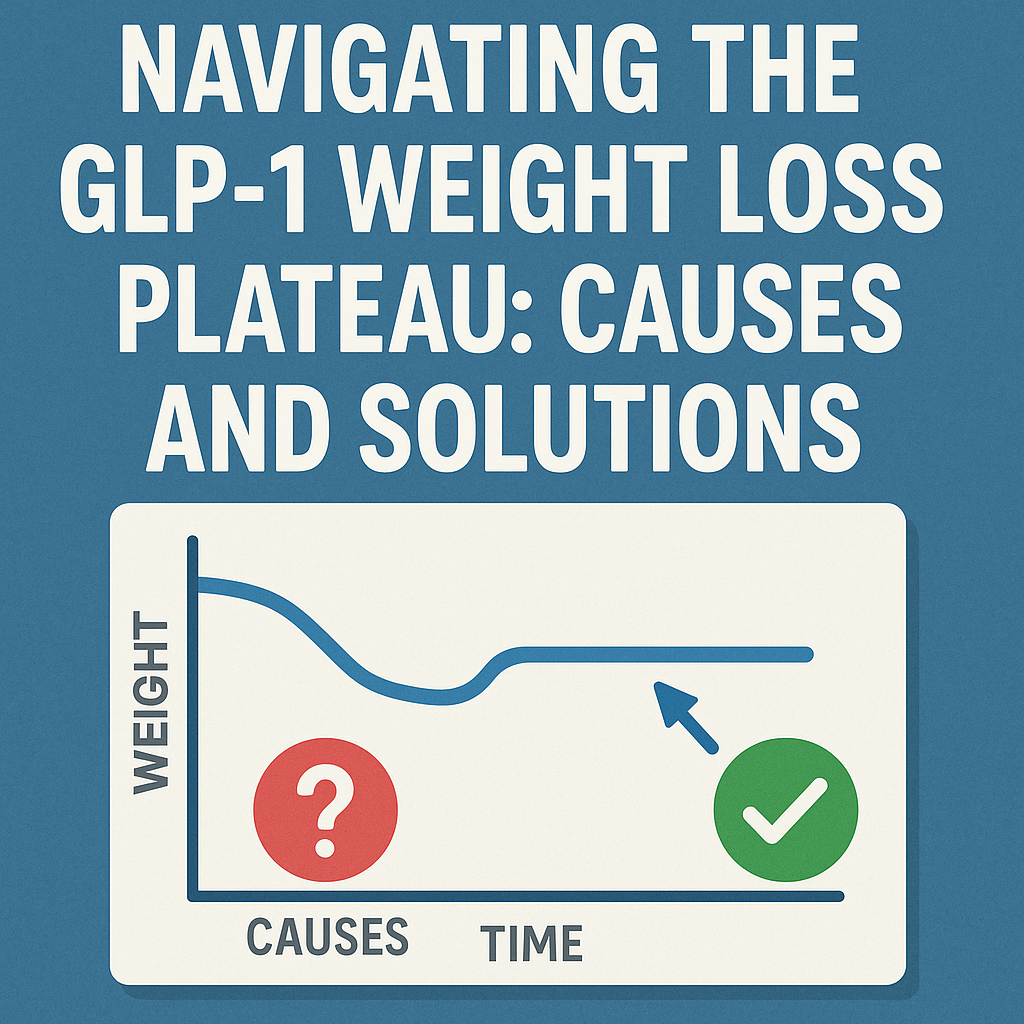
  • Navigating the GLP-1 Weight Loss Plateau: Causes and Solutions

    Navigating the GLP-1 Weight Loss Plateau: Causes and Solutions

    Understanding GLP-1 and Its Role in Weight Loss

    Glucagon-Like Peptide-1 (GLP-1) is a hormone that plays a crucial role in glucose metabolism and appetite regulation. It works by stimulating insulin secretion, inhibiting glucagon release, and slowing gastric emptying, which helps to eat less and feel satiated longer. GLP-1 receptor agonists, often prescribed for type 2 diabetes, have gained popularity as effective weight-loss agents due to their impact on appetite and energy expenditure.

    The GLP-1 Weight Loss Journey

    Initially, patients may experience substantial weight loss when commencing GLP-1 therapy. This early success can be motivating and transformative, leading to better health outcomes. However, as the body adapts to this medication, individuals may encounter a weight loss plateau that can be frustrating. Understanding why this plateau occurs and how to navigate it can help maintain motivation and continue progress toward weight management goals.

    Causes of the Weight Loss Plateau

    1. Metabolic Adaptation

    One of the primary causes of a weight loss plateau is metabolic adaptation. As you lose weight, your body’s energy needs decrease, meaning you might not burn as many calories as you did at a higher weight. This shift can slow down the rate of weight loss, causing frustration.

    2. Changes in Dietary Habits

    After the initial weight loss, individuals may unconsciously revert to previous eating habits or become less stringent with calorie control. Food choices might not align with weight-loss goals anymore, leading to a caloric surplus and subsequent weight stagnation.

    3. Inadequate Physical Activity

    As you lose weight, you might feel a sense of accomplishment, leading to less motivation to stay active. Inadequate physical activity can halt further weight loss as the body requires a calorie deficit to continue shedding pounds.

    4. Hormonal Changes

    Weight loss can influence hormone levels that regulate hunger and appetite. Fluctuation in hormones such as leptin and ghrelin can increase hunger and reduce satiety, which may lead to increased food intake.

    5. Psychological Factors

    The psychological aspect of weight loss should not be overlooked. As individuals near their weight loss goals, the pressure of maintaining results can lead to anxiety and emotional eating, which undermines progress.

    Strategies to Overcome the Plateau

    1. Reassess Dietary Intake

    Evaluate your current dietary choices to ensure they align with your weight-loss goals. Consider tracking your meals using apps to maintain awareness of calorie intake and macronutrient distribution. Focus on whole foods, lean proteins, healthy fats, and fibrous carbohydrates to support sustained weight loss.

    2. Increase Physical Activity

    Incorporate a combination of cardiovascular and strength-training exercises into your routine. Cardio activities can help burn calories, while strength training builds muscle, which in turn can boost metabolism. Aim for at least 150 minutes of moderate aerobic exercise weekly and two days of strength training.

    3. Mindful Eating Practices

    Implement mindful eating techniques that promote awareness of hunger cues and eating patterns. Slow down at meals, savor each bite, and pay attention to fullness signals. This practice can prevent overeating and enhance the satisfaction of meals.

    4. Stay Hydrated

    Drinking plenty of water is essential for overall health and can also aid in weight management. Sometimes, thirst can be mistaken for hunger, leading to unnecessary snacking. Aim for at least 8–10 glasses of water daily.

    5. Consult with a Healthcare Professional

    Engaging a registered dietitian or healthcare provider can provide personalized advice tailored to your unique situation. They can assist in optimizing nutritional plans, adjusting medications, and addressing any psychological barriers impacting weight loss.

    6. Consider Medication Adjustments

    Your response to GLP-1 therapy may require adjustments. Consult your healthcare provider to discuss if a change in dosage or a different medication might help overcome your plateau.

    Holistic Approaches to Weight Management

    1. Stress Management

    Chronic stress often leads to emotional eating and makes it difficult to maintain healthy habits. Incorporating stress-reduction techniques such as yoga, meditation, and hobbies can improve mental well-being and help you stay focused on your weight-loss journey.

    2. Adequate Sleep

    Sleep quality significantly influences weight management. Aim for 7–9 hours of quality sleep each night, as insufficient sleep can alter hunger hormones and increase cravings for high-calorie foods.

    3. Build a Support Network

    Surrounding yourself with supportive friends, family members, or a community group can motivate you during challenging times. Consider joining a weight-loss support group or community to share experiences and strategies with others experiencing similar challenges.

    Conclusion

    Experiencing a weight loss plateau while on GLP-1 therapy can be disheartening, yet it’s essential to remember that such occurrences are normal. Understanding the causes behind this plateau allows individuals to troubleshoot effectively and explore new strategies for continued weight loss. By reassessing dietary habits, increasing physical activity, and prioritizing mental well-being, individuals can navigate this journey successfully. Do not hesitate to involve healthcare professionals in your journey for personalized strategies and ongoing support.

    FAQs

    1. What should I do if I experience a weight loss plateau on GLP-1 medications?

    Consider reassessing your dietary intake, increasing physical activity, adopting mindful eating practices, and consulting with a healthcare professional for personalized adjustments.

    2. How long do weight loss plateaus typically last?

    Plateaus can last anywhere from a few weeks to several months and vary from person to person. Being patient and consistent with your strategies is key.

    3. Can stress affect my weight loss on GLP-1 therapy?

    Yes, chronic stress can lead to emotional eating and disrupt hormonal balances that regulate appetite, making it harder to lose weight.

    4. What dietary changes can help overcome a weight loss plateau?

    Focus on whole foods, lean proteins, healthy fats, and a variety of fruits and vegetables. Tracking intake may also be beneficial.

    5. Should I consider changing my GLP-1 medication if I’m at a plateau?

    Discuss with your healthcare provider whether a dosage adjustment or a different medication may better suit your needs if you encounter a plateau.

  • Understanding the Link: GLP-1 Medications and Constipation Unraveled

    Understanding the Link: GLP-1 Medications and Constipation Unraveled

    Introduction

    In recent years, GLP-1 (glucagon-like peptide-1) receptor agonists have gained significant traction in the management of type 2 diabetes and obesity. Popular drugs in this category include Semaglutide, Liraglutide, and Dulaglutide. While the benefits of these medications in controlling blood sugar levels and aiding weight loss are well-documented, an important aspect that is often overlooked is their association with gastrointestinal side effects, particularly constipation. This article aims to unravel the relationship between GLP-1 medications and constipation, elucidating the mechanisms involved, implications for patients, and management strategies.

    What Are GLP-1 Medications?

    GLP-1 medications are synthetic analogs of the naturally occurring GLP-1 hormone, which is secreted by the intestines in response to food. They play a crucial role in glycemic control by enhancing insulin secretion, inhibiting glucagon release, and promoting satiety. This multi-faceted approach not only helps reduce blood sugar levels in those with diabetes but also contributes to weight loss, making them a valuable therapeutic option.

    Understanding Constipation

    Constipation is a common gastrointestinal condition, characterized by infrequent bowel movements, difficulty in passing stools, or a sense of incomplete evacuation. It can lead to significant discomfort and impact quality of life. The causes of constipation are varied and may include dietary factors, hydration levels, sedentary lifestyle, and certain medications.

    The Link Between GLP-1 Medications and Constipation

    Research has indicated that GLP-1 medications can lead to gastrointestinal side effects, with constipation being one of the most commonly reported. The mechanisms underlying this side effect are manifold:

    • Delayed Gastric Emptying: One of the primary effects of GLP-1 receptor agonists is the slowing of gastric emptying. While this can be beneficial for blood sugar control, it can also result in gastrointestinal stagnation, leading to constipation.
    • Altered Gut Motility: GLP-1 influences gut motility, which can result in reduced peristalsis and slower transit times in the intestines, contributing to constipation.
    • Increased Fluid Absorption: The action of GLP-1 on the intestines can promote increased absorption of water from the stool, leading to drier stools that are harder to pass.
    • Changes in Gut Microbiota: Some studies suggest that GLP-1 medications may alter the composition of gut microbiota, which can influence bowel habits and predispose individuals to constipation.

    Implications for Patients

    For patients undergoing treatment with GLP-1 medications, the experience of constipation can pose a significant challenge. Understanding this side effect is essential for effective management:

    1. **Patient Education:** Clinicians should provide thorough education to patients regarding potential gastrointestinal side effects of GLP-1 medications, including constipation, and its symptoms. Awareness can help patients recognize and address these changes early.

    2. **Monitoring and Management:** Regular follow-ups are crucial to monitor gastrointestinal symptoms. Patients should be encouraged to discuss any changes in bowel habits with their healthcare provider. In some cases, a dose adjustment may be necessary.

    3. **Lifestyle Modifications:** Patients should be instructed to increase dietary fiber intake, stay hydrated, and incorporate regular physical activity into their routines. Such lifestyle changes can significantly help mitigate constipation.

    Strategies for Managing Constipation

    If patients develop constipation while on GLP-1 medications, several management strategies may be employed:

    • Dietary Adjustments: Increasing fiber intake through fruits, vegetables, and whole grains can facilitate bowel movements. A gradual increase in fiber is recommended to avoid bloating.
    • Hydration: Adequate fluid intake is vital for preventing constipation. Patients should aim for at least 8-10 cups of water daily, unless contraindicated by other medical conditions.
    • Physical Activity: Regular exercise can help stimulate intestinal motility, thereby reducing constipation.
    • Over-The-Counter (OTC) Remedies: In some cases, fiber supplements or mild laxatives may be beneficial. However, it is crucial that patients consult their healthcare provider before initiating any OTC treatments.

    When to Seek Medical Advice

    It is important for patients to seek medical advice if they experience severe or persistent constipation that does not respond to dietary or lifestyle changes. Additional symptoms such as abdominal pain, bloating, or rectal bleeding should prompt immediate consultation as they could signify more serious conditions.

    Conclusion

    The connection between GLP-1 medications and constipation is multifactorial, involving changes in gastric emptying, gut motility, and fluid absorption. While these medications offer significant benefits for managing diabetes and obesity, awareness of their potential gastrointestinal side effects is essential for safe and effective treatment. By implementing lifestyle changes and seeking appropriate medical advice, patients can better manage constipation and improve their overall quality of life while using GLP-1 medications.

    FAQs

    1. Can I continue taking my GLP-1 medication if I experience constipation?

    Yes, but you should discuss the issue with your healthcare provider. They may suggest managing the constipation through dietary changes, hydration, or adjusting your medication.

    2. What dietary changes can help with constipation caused by GLP-1 medications?

    Increasing your intake of high-fiber foods, such as fruits, vegetables, whole grains, and legumes, can help. Staying hydrated and reducing processed foods can also be beneficial.

    3. How long do side effects, including constipation, typically last?

    Gastrointestinal side effects often improve over time as your body adjusts to the medication. If constipation persists or worsens, consult your healthcare provider.

    4. Are there specific medications I should avoid while on GLP-1 medications?

    Discuss any medications, including over-the-counter drugs, with your healthcare provider to avoid potential interactions or worsening of side effects.

    5. What should I do if over-the-counter remedies don’t relieve my constipation?

    If OTC remedies are ineffective, contact your healthcare provider for further evaluation and alternative treatment options.

  • Understanding GLP-1 Nausea: Causes, Symptoms, and Management Strategies

    Understanding GLP-1 Nausea: Causes, Symptoms, and Management Strategies

    GLP-1 (glucagon-like peptide-1) is a hormone secreted by the gut that plays a crucial role in glucose metabolism and appetite regulation. Medications that mimic GLP-1, known as GLP-1 receptor agonists, have become increasingly popular in managing type 2 diabetes and obesity. While these medications can be effective in controlling blood sugar levels and aiding weight loss, they often come with gastrointestinal side effects, the most common of which is nausea.

    What is GLP-1?

    GLP-1 is a naturally occurring hormone that is released from the intestines after eating. It serves several functions:

    • Stimulates insulin secretion in response to glucose.
    • Inhibits glucagon secretion, thereby reducing glucose output from the liver.
    • Slows gastric emptying, which helps regulate appetite.
    • Promotes satiety, helping to curb hunger.

    GLP-1 receptor agonists are synthetic versions of this hormone, and they can help those with diabetes by improving glycemic control and promoting weight loss through these mechanisms.

    Why Does GLP-1 Cause Nausea?

    Nausea is a common side effect seen with GLP-1 receptor agonists. Understanding the reasons behind this reaction also helps in both patient management and enhancing adherence to these medications.

    Mechanisms Behind Nausea

    The likely causes of nausea associated with GLP-1 receptor agonists include:

    • Delayed Gastric Emptying: GLP-1 slows down the emptying of the stomach, leading to a prolonged sensation of fullness that can trigger nausea.
    • Centrally Acting Effects: GLP-1 receptors are also found in the brain, affecting the areas that control nausea and vomiting.
    • Impact on the Gut Microbiome: Changes in gut microbiota due to altered gastrointestinal transit may contribute to nausea symptoms.

    Who is Affected by GLP-1 Nausea?

    Nausea can occur in anyone taking GLP-1 receptor agonists. However, certain factors may predispose some individuals to experience this side effect more severely:

    • Dosage: Higher doses of GLP-1 medications are more likely to induce nausea.
    • Patient Profile: Individuals with a history of gastrointestinal issues may be more susceptible.
    • Concomitant Medications: Use of other medications that affect the gastrointestinal system may aggravate nausea.

    Symptoms of GLP-1 Induced Nausea

    While nausea is the primary symptom, individuals may experience a range of gastrointestinal symptoms, including:

    • Vomiting
    • Abdominal cramping or discomfort
    • Diarrhea or constipation
    • Loss of appetite

    Management Strategies

    Managing GLP-1 induced nausea can be challenging but is critical for treatment adherence. Here are some strategies that can help:

    1. Adjusting Dosage

    Consulting a healthcare provider about adjusting the dosage of the GLP-1 receptor agonist may help alleviate symptoms. Gradual titration of the medication starting at a low dose can often minimize gastrointestinal side effects.

    2. Timing of Medication

    The timing of medication intake can also affect nausea levels. Taking the medication just before meals may help reduce the incidence of nausea since food can stimulate gastric motility.

    3. Dietary Modifications

    Adopting dietary changes can mitigate nausea:

    • Small, Frequent Meals: Eating smaller meals more frequently can reduce stomach fullness and subsequent nausea.
    • Avoiding Rich Foods: High-fat or heavily seasoned foods can exacerbate nausea; sticking to bland foods can help.
    • Hydration: Staying well-hydrated is crucial, but it’s advisable to sip fluids rather than drink large amounts at once.

    4. Medications

    Over-the-counter anti-nausea medications, such as Meclizine or Dimenhydrinate, may help, although it’s essential to consult with a healthcare provider before using them to avoid potential drug interactions.

    5. Lifestyle Changes

    Implementing lifestyle modifications can also be beneficial:

    • Regular Exercise: Engaging in regular physical activity can help improve gastrointestinal motility and reduce nausea over time.
    • Stress Management: Stress can exacerbate gastrointestinal symptoms; techniques such as yoga, meditation, or deep-breathing exercises can help.
    • Sleep Hygiene: Ensure a good night’s sleep, as fatigue can heighten nausea symptoms.

    6. Follow-Up with Healthcare Providers

    Regular follow-ups with a healthcare provider are essential. They can monitor the patient’s symptoms, assess the effectiveness of the management strategies, and make necessary adjustments to the treatment plan.

    Conclusion

    Nausea is a prevalent side effect associated with GLP-1 receptor agonists. Understanding its causes and symptoms is essential for effective management and adherence to treatment protocols. By being aware of various strategies, from adjusting medication dosages to dietary modifications, individuals can significantly reduce nausea and take full advantage of GLP-1 medications to manage their diabetes or obesity. As always, collaborating with healthcare providers is critical to addressing any side effects and ensuring optimal care.

    FAQs

    1. How long does GLP-1-induced nausea last?

    Nausea can vary from person to person; it often lessens over time as the body adjusts to the medication. Many patients find that symptoms improve significantly within a few weeks.

    2. Can I take GLP-1 medications if I have a history of nausea?

    Individuals with a history of nausea can still take GLP-1 medications, but it is crucial to inform your healthcare provider, who can help manage symptoms and tweak the treatment plan if necessary.

    3. Are there alternative treatments to GLP-1 agonists if nausea is intolerable?

    Yes, other medications and lifestyle interventions are available to manage diabetes and obesity. Discussing these alternatives with your healthcare provider would be the best course of action.

    4. Is nausea a sign that the medication is working?

    Nausea is not a direct indicator of the medication’s effectiveness, but it is common. Managing nausea effectively does not compromise the medication’s ability to improve glycemic control or support weight loss.

    5. What should I do if nausea becomes severe or unmanageable?

    If nausea becomes severe, it is essential to contact your healthcare provider immediately. They may need to reevaluate your treatment plan or consider alternative therapies.

  • Unlocking the Power of Protein: How a High Protein GLP-1 Diet Can Transform Your Health

    Unlocking the Power of Protein: How a High Protein GLP-1 Diet Can Transform Your Health

    In today’s fast-paced world, maintaining health and wellness is often a challenge. With the rise in processed foods and sedentary lifestyles, many individuals are exploring dietary strategies that can enhance their well-being. One such approach is the high protein GLP-1 (glucagon-like peptide-1) diet, which has garnered attention for its potential to not only promote weight loss but also to support overall metabolic health. In this article, we will delve deep into the benefits of protein, the role of GLP-1, and how integrating this powerful diet can lead to a transformation in your health.

    Understanding Protein: The Building Block of Life

    Proteins are essential macromolecules that play a crucial role in nearly every biological process. Composed of amino acids, proteins are responsible for building and repairing tissues, producing enzymes and hormones, and supporting immune function. Despite the significant role they play, many individuals do not consume adequate amounts of protein in their diets.

    The Role of GLP-1 in Health

    GLP-1 is an incretin hormone released from the gut in response to food intake. Its primary functions include:

    • Enhancing insulin secretion from the pancreas, which helps lower blood sugar levels.
    • Inhibiting glucagon secretion, another hormone that raises blood glucose levels.
    • Slowing down gastric emptying, which helps improve satiety.
    • Promoting feelings of fullness and reducing appetite.

    Because of these crucial functions, GLP-1 has become a target for diabetes and obesity treatments. Recent research suggests that a high protein diet can stimulate GLP-1 secretion, leading to enhanced metabolic benefits.

    Benefits of a High Protein GLP-1 Diet

    1. Weight Loss and Management

    One of the most notable benefits of a high protein GLP-1 diet is its potential for weight loss. High protein intake has been linked to increased satiety, which can lead to reduced calorie consumption. As GLP-1 helps regulate appetite, a protein-rich diet can keep hunger at bay and support healthier eating practices.

    2. Enhanced Muscle Mass

    A high protein diet promotes muscle synthesis and may help preserve lean muscle mass, especially during weight loss. As we age, maintaining muscle mass becomes increasingly important for physical mobility and overall health. By incorporating adequate protein into your meals, alongside resistance training, you can support muscle health and improve body composition.

    3. Improved Blood Sugar Control

    For those living with diabetes or at risk for it, managing blood sugar levels is paramount. The combination of protein and GLP-1 enhances insulin sensitivity, promotes better glucose control, and can help minimize spikes in blood sugar levels after meals. This dual effect makes a high protein GLP-1 diet particularly beneficial for individuals managing diabetes.

    4. Heart Health

    Emerging evidence suggests that a high protein diet may also contribute to cardiovascular health. Some studies indicate that protein-rich diets can improve cholesterol profiles, reduce blood pressure, and lower the risk of heart disease. A diet rich in lean proteins, such as fish, poultry, legumes, and low-fat dairy, can be particularly heart-friendly.

    Practical Tips for Implementing a High Protein GLP-1 Diet

    Implementing a high protein GLP-1 diet can be straightforward with a few practical strategies:

    1. Start Your Day with Protein

    Incorporate protein into your breakfast to kickstart your metabolism. Options like eggs, Greek yogurt, or a protein smoothie can help set a healthy tone for the day.

    2. Choose Lean Proteins

    Select lean protein sources, such as chicken, turkey, fish, legumes, and plant-based proteins. These options are not only nutritious but can also support weight management without excess calories.

    3. Snack Wisely

    Instead of reaching for sugary snacks, opt for high-protein snacks. Nuts, cottage cheese, or protein bars can satiate cravings while keeping your protein intake in check.

    4. Meal Planning

    Plan your meals around high-protein foods. Including protein in lunch and dinner can ensure you’re meeting your daily intake goals while incorporating a variety of nutrients from vegetables and whole grains.

    5. Stay Hydrated

    Hydration is critical when consuming a high protein diet. Ensure you’re drinking plenty of water, as proteins require more water for digestion and metabolism.

    Common Misconceptions About High Protein Diets

    Despite the numerous benefits, high protein diets are often surrounded by myths. Here are a few common misconceptions:

    1. High Protein Diets are Unhealthy

    Many believe that high protein equates to high fat and increased cholesterol. However, selecting lean protein sources can provide health benefits without the undesirable effects associated with processed meats or high-fat proteins.

    2. High Protein Diets are Only for Athletes

    While athletes certainly benefit from increased protein for muscle recovery and growth, everyone can gain advantages from consuming adequate protein, especially for weight management and muscle preservation.

    3. Excess Protein Causes Kidney Damage

    This concern is often overstated. While individuals with pre-existing kidney conditions may need to monitor protein intake, research indicates that healthy individuals can safely consume higher amounts of protein without adverse effects.

    Conclusion

    The high protein GLP-1 diet is more than just a trend; it’s a powerful approach to health and wellness that can transform your life. By embracing this dietary strategy, you can harness the benefits of protein, regulate your appetite, manage blood sugar, and boost your overall health. With careful planning and mindful eating, anyone can incorporate a high protein GLP-1 diet into their lifestyle, leading to healthier habits and improved well-being.

    FAQs

    1. How much protein do I need daily?

    The recommended dietary allowance (RDA) for protein is 0.8 grams per kilogram of body weight. However, for those looking to lose weight or build muscle, higher amounts (1.2 to 2.0 grams) may be beneficial.

    2. What are good sources of protein?

    Excellent sources of protein include lean meats (chicken, turkey, fish), eggs, dairy products (Greek yogurt, cottage cheese), legumes (beans, lentils), and plant-based sources (tofu, tempeh, quinoa).

    3. Can I follow a high protein diet if I’m vegetarian or vegan?

    Absolutely! There are plenty of plant-based protein sources such as lentils, chickpeas, edamame, quinoa, nuts, and seeds to meet your protein needs on a vegetarian or vegan diet.

    4. Are there any side effects to a high protein diet?

    While a high protein diet is generally safe for healthy individuals, consuming excessively high amounts can lead to digestive issues, dehydration, and nutrient imbalances. It’s essential to maintain a balanced diet.

    5. How quickly can I expect results from a high protein GLP-1 diet?

    Results can vary based on individual metabolism, adherence to the diet, and lifestyle factors. However, many people notice improvements in satiety, energy levels, and weight management within a few weeks of adopting the diet.

  • Unlocking the Power of GLP-1: Your Guide to a Healthier Meal Plan

    Unlocking the Power of GLP-1: Your Guide to a Healthier Meal Plan

    Introduction

    In recent years, a new star has emerged in the realm of nutrition and weight management: Glucagon-like peptide-1 (GLP-1). Initially understood as a hormone with a role in blood sugar control, further research has revealed GLP-1’s potential in shaping healthier meal plans and contributing to weight management. As we delve into this guide, we will unlock the power of GLP-1, explore its benefits, and provide actionable insights for incorporating it into your daily meal planning.

    What is GLP-1?

    GLP-1 is an incretin hormone released by the intestines in response to food intake. It plays a pivotal role in regulating blood sugar levels by promoting insulin secretion and inhibiting glucagon release. Beyond its impact on glucose metabolism, GLP-1 has several other functions, including:

    • Appetite Regulation: GLP-1 signals to the brain when you are full, helping control hunger and reduce food intake.
    • Slowing Gastric Emptying: It delays how quickly food leaves the stomach, contributing to increased satiety.
    • Improving Insulin Sensitivity: GLP-1 enhances the body’s response to insulin, aiding in glucose uptake by tissues.
    • Promoting Cardiovascular Health: Some studies suggest it may have protective effects on the heart.

    How GLP-1 Influences Meal Plans

    Understanding how GLP-1 interacts with your body allows you to design meal plans that take full advantage of its properties. Here are several ways you can unlock the benefits of GLP-1 through your diet:

    1. Focus on Fiber-Rich Foods

    Foods high in dietary fiber, such as fruits, vegetables, legumes, and whole grains, encourage the release of GLP-1. Fiber slows digestion, keeps you full longer, and supports healthy gut bacteria. Consider incorporating items like:

    • Oats and bran
    • Chickpeas and lentils
    • Berries and apples

    2. Include Healthy Fats

    Healthy fats, such as those found in avocados, nuts, seeds, and olive oil, can enhance GLP-1 secretion. These fats contribute to a feeling of fullness and can improve metabolic health.

    3. Opt for Lean Proteins

    Protein not only supports muscle repair but also influences the release of GLP-1. Foods like chicken, turkey, fish, tofu, and legumes can help you meet your protein needs while promoting GLP-1 levels.

    4. Manage Carbohydrate Intake

    While carbohydrates are a necessary part of the diet, the type and quantity matter. Focus on low-glycemic index carbohydrates, such as whole grains, to prevent blood sugar spikes that inhibit GLP-1 secretion.

    Sample Meal Plan to Enhance GLP-1

    Creating a meal plan that optimally supports GLP-1 levels can be straightforward. Below is a sample meal plan to serve as inspiration:

    Breakfast

    Overnight oats topped with chia seeds, almonds, and mixed berries.

    Snack

    A small handful of walnuts or a sliced apple with almond butter.

    Lunch

    Quinoa salad with black beans, chickpeas, diced bell peppers, and avocado, drizzled with a lemon-tahini dressing.

    Snack

    Carrot sticks and hummus or Greek yogurt with a sprinkle of cinnamon.

    Dinner

    Baked salmon with roasted Brussels sprouts and sweet potato.

    Dessert

    A small bowl of mixed berries or dark chocolate (in moderation).

    Tips for Sustaining a GLP-1 Friendly Diet

    Beyond the meal plan, sustaining a diet that supports GLP-1 requires some essential lifestyle changes.

    Stay Hydrated

    Drinking enough water can facilitate digestion and help with fullness, making it easier to manage appetite and cravings.

    Regular Physical Activity

    Exercise can enhance the action of GLP-1 in the body by improving insulin sensitivity and aiding in weight loss, thus further promoting its beneficial effects.

    Mindful Eating

    Take the time to savor your meals, enjoy each bite, and recognize hunger cues. This practice can help enhance GLP-1 secretion and improve satisfaction with meals.

    Conclusion

    Unlocking the power of GLP-1 can significantly impact your nutritional journey. By understanding how this hormone works and incorporating GLP-1-friendly foods into your meal plan, you can improve appetite control, manage blood sugar, and promote overall well-being. Start experimenting with the sample meal plan provided and see how your body responds. Remember, a balanced approach to diet and lifestyle is key in harnessing the full potential of GLP-1 to achieve a healthier you.

    FAQs

    1. What foods are high in GLP-1?

    Foods that are rich in fiber, lean proteins, and healthy fats tend to promote the secretion of GLP-1. Examples include beans, lentils, vegetables, nuts, and fatty fish.

    2. Can I take GLP-1 supplements?

    While there are GLP-1 receptor agonists available by prescription, it’s essential to consult a healthcare provider before starting any medication or supplement.

    3. How quickly can I see results from a GLP-1 focused meal plan?

    Individuals may experience different results. Many people notice changes in appetite and energy levels within a few weeks of following a GLP-1 friendly diet.

    4. Are there any side effects associated with increasing GLP-1?

    Some individuals may experience gastrointestinal issues when introducing more fiber into their diets. It’s always wise to increase fiber gradually and monitor your body’s response.

    5. Is a GLP-1 friendly diet suitable for everyone?

    While many may benefit from a diet enhancing GLP-1 secretion, it’s essential to customize dietary choices based on individual health conditions and preferences. Consulting with a nutritionist can help tailor an effective plan.

    © 2023 Health & Wellness Articles

  • Unlocking the Power of GLP-1: A Revolutionary Approach to Weight Loss and Health

    Unlocking the Power of GLP-1: A Revolutionary Approach to Weight Loss and Health

    In the realm of health and wellness, innovative solutions are always sought after to combat the rising prevalence of obesity and associated health issues. One such breakthrough comes in the form of Glucagon-Like Peptide-1 (GLP-1), a naturally occurring hormone that plays a pivotal role in glucose metabolism, appetite regulation, and weight loss. As research continues to unfold, GLP-1 therapies have emerged as a revolutionary approach to manage weight and improve overall health.

    Understanding GLP-1

    GLP-1 is an incretin hormone produced in the intestines in response to nutrient intake. Its primary functions include enhancing insulin secretion from the pancreas, inhibiting glucagon release (another hormone that raises blood sugar levels), and inducing a feeling of fullness or satiety. These mechanisms not only facilitate better blood sugar control but also provide powerful tools for weight management.

    How GLP-1 Works for Weight Loss

    The synergy of GLP-1 in weight loss revolves around three key functions:

    • Appetite Suppression: GLP-1 signals the brain to reduce hunger, resulting in lower food intake. By activating specific receptors in the hypothalamus, it modifies the body’s hunger signals.
    • Reduced Gastric Emptying: Post-meal, GLP-1 slows down gastric emptying, prolonging the feeling of fullness. This delay helps prevent overeating by maintaining a steady release of nutrients into the bloodstream.
    • Improved Insulin Sensitivity: By enhancing insulin secretion when needed and improving overall insulin sensitivity, GLP-1 helps in maintaining stable blood sugar levels. This lower blood sugar fluctuation can mitigate cravings and promote healthier eating habits.

    Clinical Evidence Supporting GLP-1 Therapies

    Numerous clinical trials have examined the efficacy of GLP-1 receptor agonists, a class of medications designed to mimic the effects of GLP-1 in the body. Popular examples include drugs like semaglutide and liraglutide. Studies have shown that these medications can lead to significant weight loss, with many participants losing 15-20% of their body weight over the course of extended trials.

    Additionally, these studies reveal improvements in cardiovascular health, better glycemic control, and even enhancements in the overall quality of life. Notably, the incidence of side effects is generally low, and they mainly include gastrointestinal issues, which tend to diminish over time as the body adjusts.

    Benefits Beyond Weight Loss

    While weight loss is a significant driver for the popularity of GLP-1 therapies, the potential health benefits go far beyond the scale:

    • Cardiovascular Health: Studies have indicated that GLP-1 receptor agonists may lower the risk of cardiovascular events, such as heart attacks and strokes. This is particularly vital for individuals with Type 2 Diabetes, who often face heightened cardiovascular risks.
    • Improved Metabolic Health: These therapies are instrumental in improving markers of metabolic health, including blood pressure and cholesterol levels, therefore offering additional protective effects against various metabolic diseases.
    • Enhanced Mental Well-being: The psychological consequences of obesity often lead to conditions like anxiety and depression. Weight loss achieved through GLP-1 therapies can foster better mental health, improving self-esteem and overall emotional well-being.

    Implementing GLP-1 Therapies: What to Expect

    If you’re considering GLP-1 based therapies for weight loss or health benefits, it’s essential to approach them as part of a comprehensive lifestyle change. Here’s what to expect:

    • Consultation: Start with a consultation with a healthcare provider who can assess your individual needs and determine if GLP-1 therapy is suitable for you.
    • Injection or Oral Medications: GLP-1 therapies are available in various forms, including weekly injections or daily oral medications, depending on the specific drug prescribed.
    • Diet and Exercise: For optimal results, GLP-1 therapies should be used alongside a balanced diet and regular physical activity. The integration of healthy habits supports the effectiveness of the medication.
    • Regular Monitoring: Consistent monitoring of weight, blood sugar levels, and overall health will enable adjustments to the treatment plan as needed.

    Conclusion

    The advent of GLP-1 therapies marks a significant step forward in the battle against obesity and related health conditions. By tapping into the body’s natural mechanisms for appetite control, glucose regulation, and metabolic health, these therapies offer a multi-faceted approach to weight loss that is both effective and sustainable. With ongoing research, increasing evidence points to GLP-1’s potential not just for shedding pounds but for dramatically enhancing overall health and well-being. As we continue to explore and understand this hormone’s full capabilities, GLP-1 stands poised to reshape the landscape of weight management and preventive health care for years to come.

    FAQs

    What is GLP-1?

    GLP-1 (Glucagon-Like Peptide-1) is a hormone naturally produced in the intestines that helps regulate blood sugar levels, appetite, and satiety.

    How do GLP-1 receptor agonists work?

    GLP-1 receptor agonists mimic the effects of GLP-1, enhancing insulin secretion, inhibiting glucagon release, and promoting a feeling of fullness to aid in weight loss.

    Are there any side effects of GLP-1 therapy?

    Most side effects are gastrointestinal and may include nausea, vomiting, or diarrhea. These effects often diminish as the body adjusts to the medication.

    Who can benefit from GLP-1 therapies?

    Individuals with obesity, Type 2 Diabetes, or those looking to improve their metabolic health may benefit from GLP-1 therapies. However, it’s essential to consult with a healthcare provider for personalized advice.

    Can GLP-1 therapy replace a healthy lifestyle?

    No, GLP-1 therapy should be viewed as a component of a comprehensive health strategy that includes a balanced diet and regular physical activity for the best results.

    © 2023 Health Insights. All Rights Reserved.

  • Breaking New Ground: The Therapeutic Potential of Compounded Tirzepatide

    Breaking New Ground: The Therapeutic Potential of Compounded Tirzepatide

    Tirzepatide is an innovative peptide drug that has gained significant attention in the field of diabetes management and weight loss. Approved by the FDA for the treatment of type 2 diabetes, this compound has demonstrated remarkable efficacy in clinical trials. However, the potential therapeutic benefits extend beyond diabetes management, establishing a case for its use in compounded formulations. This article explores the therapeutic potential of compounded tirzepatide and examines the implications for patients and healthcare professionals alike.

    Understanding Tirzepatide

    Tirzepatide is a dual GIP and GLP-1 receptor agonist, which means it engages with two vital receptors that regulate insulin secretion, appetite, and glucose metabolism. The drug mimics the action of incretin hormones, which are critical in maintaining healthy glucose levels.

    Mechanism of Action

    The dual action of tirzepatide is highly beneficial because it not only helps in controlling blood sugar levels but also promotes weight loss—one of the crucial challenges for those with type 2 diabetes. By stimulating insulin secretion in response to meals and reducing appetite, tirzepatide helps in achieving a balanced metabolic state.

    Clinical Efficacy

    Clinical studies have shown that tirzepatide can significantly improve HbA1c levels (a measure of blood sugar control) and lead to substantial weight loss. In trials, participants experienced an average weight loss of up to 15% of their body weight over a period of several months. These results may revolutionize the treatment paradigm for patients struggling with obesity and concomitant diabetes.

    The Role of Compounding in Tirzepatide Therapy

    Compounding refers to the practice of customizing medications to meet the unique needs of individual patients. In the context of tirzepatide, compounding can provide specialized dosage forms that enhance patient adherence and outcomes.

    Customization of Dosage Forms

    Compounded tirzepatide can be tailored into different dosage forms, including:

    • Topical Formulations: For patients who are needle-averse, topical applications could be beneficial.
    • Oral Capsules: Compounding tirzepatide into capsule form allows for ease of use and increased patient adherence.
    • Sublingual Preparations: These formulations can enhance absorption and provide a quicker onset of action.

    Adapting to Individual Needs

    Each patient presents a unique profile regarding body weight, metabolic condition, and response to medications. Compounded formulations of tirzepatide allow healthcare providers to adjust dosages that fit specific patient requirements, optimizing treatment outcomes. This personalized approach can be particularly beneficial for elderly patients or those with comorbidities.

    Potential Therapeutic Benefits Beyond Diabetes

    While the primary indication for tirzepatide is type 2 diabetes, its potential therapeutic applications extend beyond glucose management.

    Weight Management

    The weight loss associated with tirzepatide not only aids in diabetes control but also improves the risk profile for cardiovascular diseases, hypertension, and other obesity-related conditions. Patients experiencing significant weight loss may reduce their dependency on antihypertensive medications and achieve better overall health outcomes.

    Impact on Non-Alcoholic Fatty Liver Disease (NAFLD)

    Emerging research suggests that tirzepatide might help improve liver function and reduce fat accumulation in the liver, making it a potential therapy for non-alcoholic fatty liver disease (NAFLD). Patients with NAFLD often struggle with weight management and diabetes, making tirzepatide a promising option for this population as well.

    Challenges and Considerations

    Despite the promising landscape of compounded tirzepatide, several challenges exist that must be addressed.

    Regulatory Landscape

    The compounding of medications is heavily regulated. Healthcare professionals need to navigate these regulations while ensuring that compounded tirzepatide remains effective and safe for patients.

    Cost Considerations

    Compounded formulations can often be more expensive than commercially available alternatives. Patients need to weigh the benefits of personalized medicine against the economic impact.

    Conclusion

    Compounded tirzepatide represents a significant advancement in personalized medicine, particularly in the realms of diabetes management and weight loss. By allowing for customized formulations, healthcare providers can tailor treatments to patients’ unique needs, thereby enhancing adherence and outcomes. While challenges such as regulatory considerations and cost persist, the therapeutic potential of compounded tirzepatide is vast. As more research unfolds regarding its efficacy across a broader spectrum of conditions, the hope is that this groundbreaking therapy will pave the way for improved health outcomes for myriad patients.

    Key Takeaways

    • Tirzepatide demonstrates dual action in managing blood glucose and facilitating weight loss.
    • Compounded tirzepatide offers personalized treatment options to better meet individual patient needs.
    • Potential applications extend beyond diabetes, aiming to improve conditions such as obesity and NAFLD.
    • Regulatory and cost considerations must be thoughtfully navigated for successful implementation.

    FAQs

    What is tirzepatide used for?

    Tirzepatide is primarily used for the treatment of type 2 diabetes. It helps control blood sugar levels and promotes weight loss.

    What are compounded medications?

    Compounded medications are customized formulations tailored to meet the unique needs of individual patients, allowing for different forms and dosages.

    Are compounded medications covered by insurance?

    Compounding coverage varies by insurance provider. Patients should consult their insurance plans to determine what is covered.

    Can tirzepatide be used for weight loss?

    Yes, tirzepatide has demonstrated significant weight loss in clinical trials, making it a valuable option for patients with obesity and type 2 diabetes.

    Are there any side effects of tirzepatide?

    As with any medication, tirzepatide may have side effects, including nausea, vomiting, and diarrhea, among others. Patients should consult their healthcare provider for a comprehensive list of potential side effects.