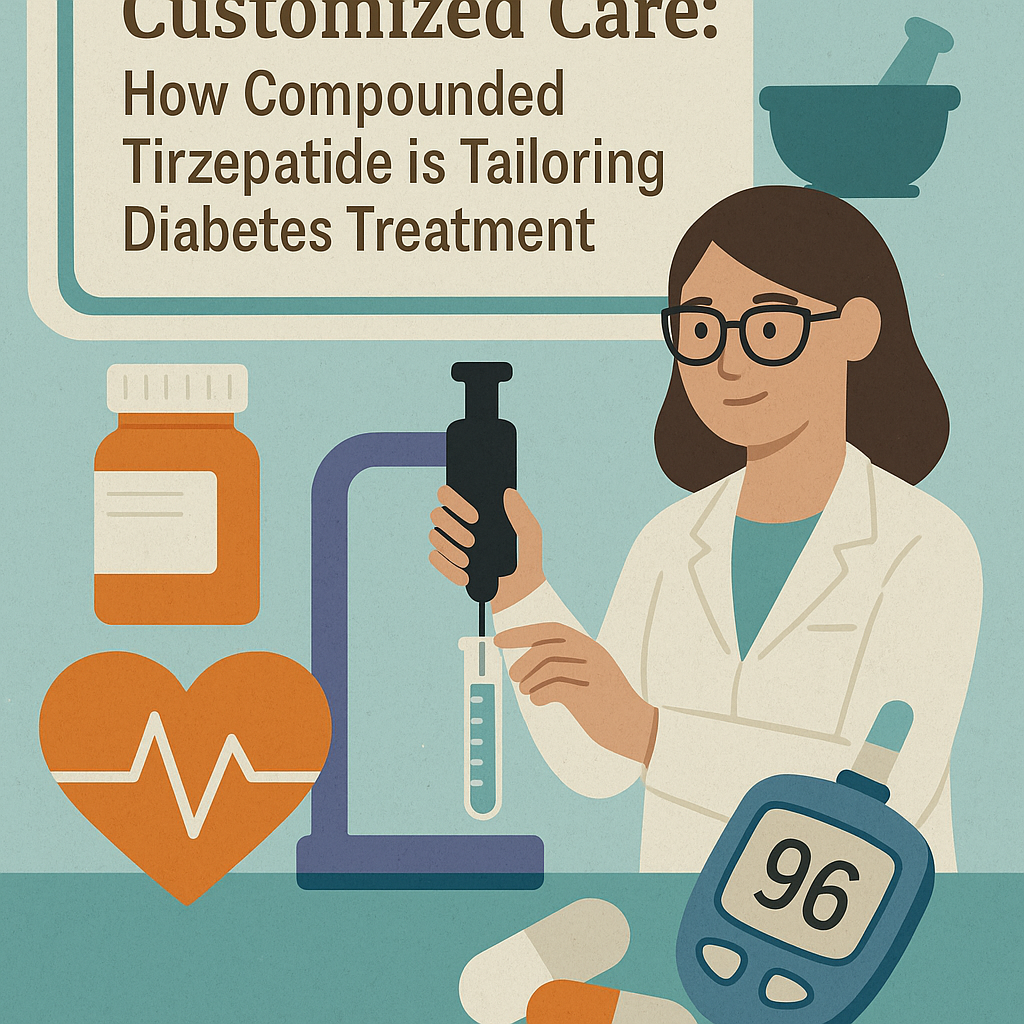
Diabetes management is a complex area in healthcare, necessitating a tailored approach to meet individual patient needs. Traditional therapies offer significant benefits, yet not every patient responds favorably to them. This is where compounded medications, like tirzepatide, come into play, providing customized solutions that enhance treatment efficacy and patient adherence.
Understanding Diabetes and Its Treatment Challenges
Diabetes is a chronic condition characterized by elevated blood sugar levels due to inadequate insulin production or insulin resistance. According to the World Health Organization (WHO), diabetes affects over 422 million people globally. Managing diabetes involves a comprehensive plan that includes lifestyle changes, monitoring of blood glucose levels, and pharmacological interventions.
Several classes of medications exist for diabetes management, including:
- Insulin
- GLP-1 receptor agonists
- SGLT2 inhibitors
- Metformin
While these medications have proven effective, they may not suit everyone. Issues such as side effects, pill burden, or specific health conditions lead many patients to seek alternative avenues. This is where compounded medications come into play, as they offer customizable formulations tailored to individual needs.
What is Tirzepatide?
Tirzepatide is a novel medication developed to mimic the body’s natural incretin hormones, which help manage blood sugar levels. It targets both GLP-1 and GIP receptors, offering combined benefits such as improved glucose control, weight loss, and reduced cardiovascular risks. The FDA approved tirzepatide for the treatment of type 2 diabetes in adults in 2022, presenting a powerful option in the arsenal against diabetes.
While tirzepatide’s clinical formulations have shown great promise, some patients may experience challenges with dosage or delivery. This is where customized, compounded tirzepatide comes into play.
The Role of Compounding in Authentic Treatment
Compounding is the practice of tailoring medications to meet the unique needs of individual patients. Compounded tirzepatide can take various forms, such as injectables, oral forms, or alternative dosing schedules, providing flexibility that traditional formulations often cannot.
Some examples of compounded tirzepatide adaptations include:
- Adjustable dosing based on blood sugar metrics
- Combination therapies with other diabetes medications
- Customized delivery methods, such as subcutaneous injections or oral forms for patients who dislike injections
The compounding process involves licensed pharmacists working closely with healthcare providers to develop individualized therapies that consider a patient’s unique health profile, preferences, and lifestyle factors.
Benefits of Compounded Tirzepatide
Compounded tirzepatide presents several potential advantages:
- Tailored Dosage: Individualized dosing can maximize therapeutic effects while minimizing side effects.
- Reduced Side Effects: Patients who have reacted negatively to standard formulations may find a compounded version more tolerable.
- Improved Adherence: Custom formulations can enhance patient comfort, leading to better adherence to treatment plans.
- Alternative Forms: Patients can benefit from different delivery methods that may be easier to integrate into their daily routine.
Identifying Candidates for Compounded Tirzepatide
Not every patient will need compounded tirzepatide, but specific factors can indicate its necessity:
- Patients who experience side effects from approved medications
- Individuals with unique health conditions requiring modified delivery methods
- Patients whose diabetes is difficult to control with standard therapies
- Those requiring custom dosing regimens due to blood glucose fluctuations
Healthcare providers can assess individual circumstances and make informed recommendations when considering compounded tirzepatide as part of a diabetes management journey.
Challenges and Considerations in Compounding
While compounding offers several benefits, it is essential to realize that it also comes with challenges:
- Regulation: Compounded medications are regulated differently than commercially available drugs, presenting potential quality concerns.
- Cost: Compounded formulas may not always be covered by insurance, affecting treatment accessibility.
- Availability: Not all pharmacies provide compounding services, necessitating research to find suitable options.
These challenges underscore the importance of engaging in open dialogue with healthcare providers to ensure both safety and effectiveness in compounded therapies.
Conclusion
Customized care represents a distinct evolution in diabetes management, allowing for a personalized approach that can significantly impact patient outcomes. Compounded tirzepatide not only addresses the specific needs of individuals but also aligns with a broader movement towards precision medicine. By recognizing the unique requirements of each patient, healthcare providers can facilitate tailored treatment approaches that enhance therapeutic efficacy, minimize adverse effects, and ultimately improve the quality of life for those living with diabetes.
As we endeavor to fine-tune diabetes treatment through innovative solutions like compounded medications, it is essential to continue researching their effectiveness and integrating patient perspectives into healthcare decision-making. The future of diabetes care lies in understanding that, while effective treatments exist, personalization is key in turning potential into reality.
Frequently Asked Questions (FAQs)
1. What makes compounded tirzepatide different from standard tirzepatide?
Compounded tirzepatide is tailored to an individual’s unique needs, including dosage adjustments, alternative delivery forms, and combinations with other therapies. Standard tirzepatide comes in a one-size-fits-all formulation that may not suit every patient.
2. Are compounded medications safe?
Compounded medications can be safe when prepared by licensed pharmacists following regulatory guidelines. However, it’s important to ensure that the compounding pharmacy follows stringent safety and quality standards.
3. How do I find a pharmacy that compounds tirzepatide?
Consult your healthcare provider for recommendations, as they often have connections with reputable compounding pharmacies. You can also search online for compounding pharmacies in your state or region.
4. Will my insurance cover compounded tirzepatide?
Insurance coverage for compounded medications can vary widely. It is advisable to check with your insurance provider regarding coverage specifics and requirements for compounded drugs.
5. Can I switch between standard and compounded tirzepatide?
Switching between formulations should always be discussed with your healthcare provider. They can assist in monitoring any necessary adjustments to ensure continued effective management of your diabetes.
Leave a Reply