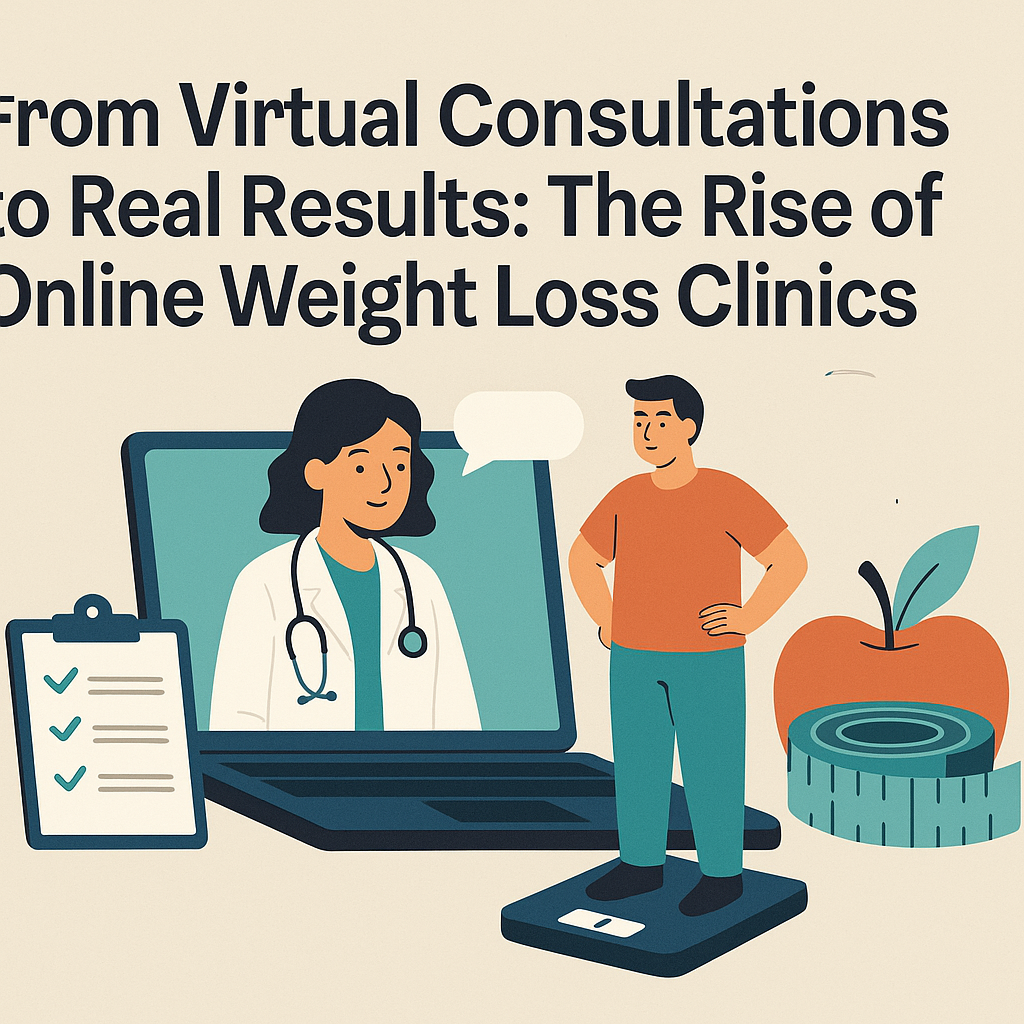
The landscape of healthcare has transformed dramatically in recent years, particularly with the advent of technology. One significant area of change has been seen in weight loss clinics, where virtual consultations and online services have surged in popularity. This shift not only reflects changing consumer preferences but also aligns with the current push for telehealth solutions, providing a unique intersection of convenience, accessibility, and personalized care.
Understanding Online Weight Loss Clinics
Online weight loss clinics are health services that provide expert guidance for individuals seeking to lose weight through virtual platforms. These services typically include nutritional counseling, personalized fitness plans, medication prescriptions, and continuous support from healthcare professionals—all accessible from the comfort of home.
The Convenience Factor
One of the most significant advantages of online weight loss clinics is convenience. Traditional weight loss programs often require in-person visits, which can be a barrier for many. With online clinics, patients can attend consultations and access resources from any location, at any time. This flexibility caters to busy lifestyles, allowing individuals to integrate their weight loss journey into their daily routines without the added stress of travel.
The Role of Technology
Technology plays a vital role in enhancing the effectiveness of online weight loss clinics. From mobile applications for tracking food intake and physical activity to virtual platforms that facilitate real-time consultations, cutting-edge tools make it easier to monitor progress and stay engaged. Many clinics utilize artificial intelligence and machine learning to deliver personalized recommendations based on users’ health data and preferences.
Personalized Plans and Accountability
Newer clients often seek customized solutions tailored to their unique needs, preferences, and lifestyle factors. Online weight loss clinics leverage advanced algorithms and qualified nutritionists to create individualized meal plans and exercise regimes. This degree of personalization can significantly enhance motivation and adherence to the program.
Accountability is another crucial element of successful weight loss, and online clinics implement various methods to keep clients engaged. Regular check-ins via video calls or messaging apps allow healthcare providers to track progress and offer encouragement. Many platforms also enable peer support through community forums where individuals can share experiences, challenges, and victories.
Medical Supervision and Support
One of the key benefits of online weight loss clinics is the level of medical oversight they offer. Registered dietitians, nutritionists, and physicians are typically involved in client care, ensuring that patients receive comprehensive support tailored to their specific health needs. This medical supervision can be vital for individuals with pre-existing conditions or those who may require medication to assist with weight loss.
Cost-Effectiveness
Another appealing aspect of online weight loss clinics is the potential for cost savings. Traditional weight loss programs can involve gym memberships, in-person consultations, and meal delivery services that quickly add up. Many online clinics offer subscription-based services with varying price points that can be more affordable. Additionally, the reduction in travel costs adds to the overall savings.
Motivational Tools and Resources
Online weight loss clinics often provide a suite of digital resources designed to keep clients motivated. These can include video tutorials, exercise demonstrations, motivational podcasts, and nutritional workshops. Some clinics even integrate gamification elements, allowing clients to earn rewards for achieving certain milestones or engaging with the program consistently.
Data Security and Privacy Concerns
Despite the numerous benefits, it’s essential to consider data security and privacy concerns when using online weight loss clinics. Clients share sensitive health information that needs to be protected. Reputable clinics prioritize cybersecurity and comply with regulations like HIPAA to safeguard patient data. Prospective clients should always verify that the platform they choose uses secure communication channels and has established privacy policies.
The Future of Online Weight Loss Clinics
The evolving field of telehealth suggests that online weight loss clinics will continue to grow in prominence. As technology advances and societal attitudes shift towards remote care, more individuals will likely seek the convenience and personalization offered by these services. Additionally, as research continues to uncover the interconnectedness of mental health, physical health, and weight management, a more holistic approach will likely be adopted by online clinics.
Conclusion
The rise of online weight loss clinics marks a significant evolution in the way individuals approach weight management. By combining technology, convenience, personalized care, and medical supervision, these platforms provide a valuable alternative to traditional weight loss methods. As they continue to gain traction, it is crucial for both prospective clients and healthcare providers to stay informed about the developments in this growing field. With the right resources and support, individuals can achieve real results on their weight loss journeys without the barriers that in-person services often entail.
FAQs
1. How do online weight loss clinics work?
Online weight loss clinics operate through digital platforms where clients can access consultations with healthcare professionals, receive personalized meal and exercise plans, and track their progress remotely.
2. Is online weight loss effective?
Yes, many studies indicate that online weight loss programs can be effective, particularly when they incorporate personalized plans, accountability measures, and support from healthcare providers.
3. Are online weight loss clinics safe?
Reputable online weight loss clinics prioritize client privacy and data security. It’s essential to choose clinics that comply with regulations like HIPAA and utilize secure communication channels to protect sensitive information.
4. How much do online weight loss services typically cost?
Costs vary by clinic and program, but online weight loss services often offer subscription models that may be more cost-effective than traditional weight loss options. It’s advisable to compare different clinics and their offerings.
5. Can I receive medical support through online weight loss clinics?
Most online weight loss clinics have registered dietitians, nutritionists, and physicians available to provide medical guidance and support, ensuring a comprehensive approach to weight management.
6. How do I choose the right online weight loss clinic for me?
Consider factors such as the clinic’s reputation, the qualifications of its staff, the types of services offered, client reviews, and privacy policies before making a decision. It’s also beneficial to engage in an initial consultation to gauge compatibility.
Leave a Reply