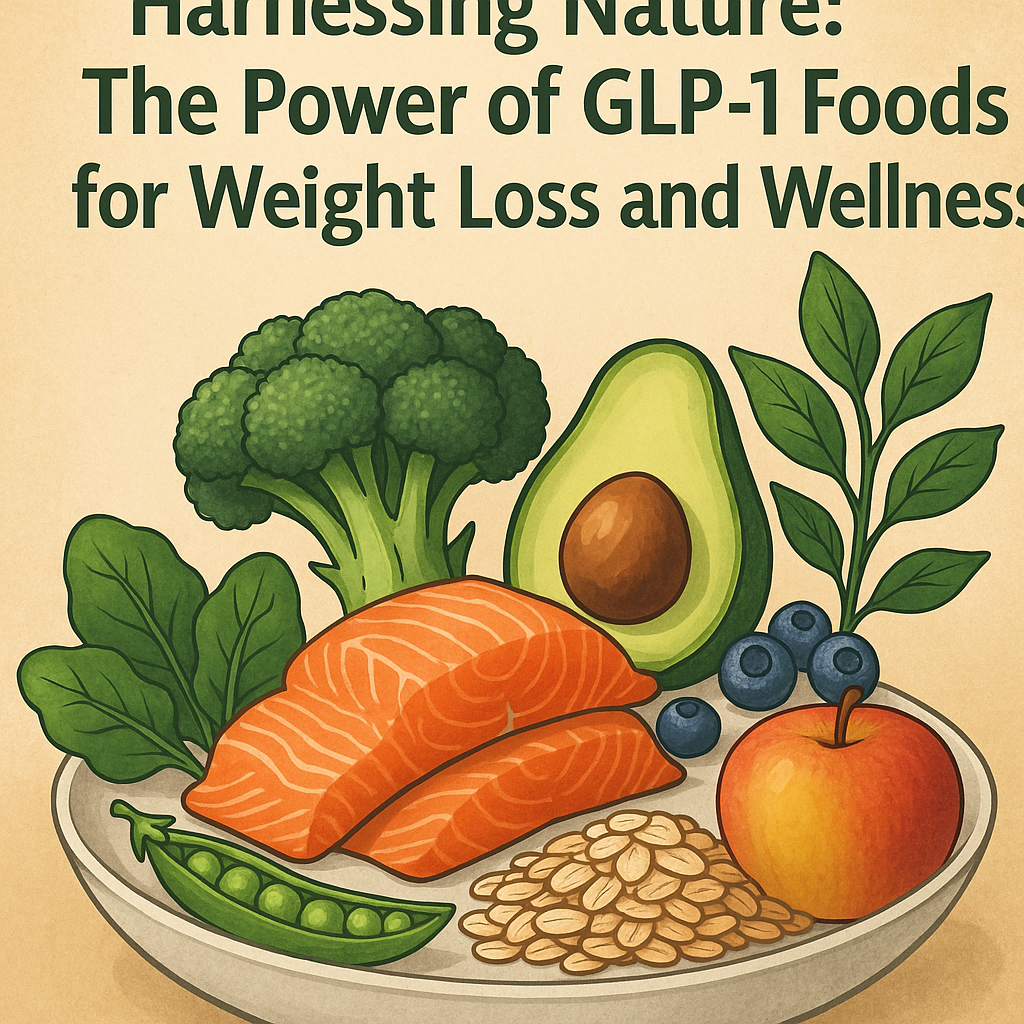
In our modern world, where processed foods dominate our diets, the quest for effective weight loss strategies has become increasingly critical. Among the emerging solutions, GLP-1 foods stand out as a natural approach to weight management and overall wellness. These foods can harness the body’s own mechanisms to regulate appetite and metabolism, making them an essential part of a balanced diet.
What is GLP-1?
GLP-1, or Glucagon-Like Peptide-1, is a hormone produced in the intestines in response to food intake. It plays a significant role in glucose metabolism and appetite regulation. When we eat, GLP-1 levels rise, signaling the pancreas to release insulin while also inhibiting glucagon release, which helps lower blood sugar levels. Additionally, GLP-1 slows gastric emptying and promotes a feeling of satiety, which can aid in weight loss.
How GLP-1 Foods Work
Foods that stimulate the production or activity of GLP-1 can facilitate weight loss and improve overall health. Here’s how they work:
1. Appetite Regulation
GLP-1 signals the brain to reduce hunger, making it easier to resist cravings and control portion sizes.
2. Improved Insulin Sensitivity
GLP-1 enhances the secretion of insulin when blood sugar levels are high, leading to better glucose control. This is particularly beneficial for those with insulin resistance or Type 2 diabetes.
3. Slower Gastric Emptying
By slowing the movement of food through the stomach, GLP-1 helps maintain a feeling of fullness longer, reducing the urge to snack between meals.
GLP-1 Foods to Consider
Incorporating specific foods into your diet can naturally boost GLP-1 levels. Here are some effective options:
1. Legumes
Legumes, such as lentils and chickpeas, are high in fiber and protein, which can elevate GLP-1 secretion while promoting satiety.
2. Whole Grains
Whole grains like oats, brown rice, and quinoa are rich in soluble fiber. This type of fiber helps to slow digestion and can increase GLP-1 levels.
3. Fruits
Berries, apples, and pears are high in fiber and antioxidants, which can also stimulate GLP-1 secretion.
4. Leafy Greens
Vegetables like spinach, kale, and broccoli are not only low in calories but also contain nutrients that promote healthy GLP-1 function.
5. Healthy Fats
Sources of healthy fats, such as avocados and olive oil, can positively impact GLP-1 levels while enhancing meal satisfaction.
Incorporating GLP-1 Foods into Your Diet
To make the most of GLP-1 foods, consider these practical tips:
- Meal Prep: Prepare meals ahead of time using a variety of GLP-1 foods to ensure they are readily available.
- Variety is Key: Incorporate different food groups rich in GLP-1 to keep meals interesting and nutritionally balanced.
- Stay Hydrated: Drink plenty of water to aid digestion and enhance metabolic processes.
- Listen to Your Body: Pay attention to hunger cues and allow yourself to feel satisfied rather than stuffed.
The Science Behind GLP-1 and Weight Loss
Numerous studies support the relationship between GLP-1 and weight management. Research indicates that individuals with higher baseline GLP-1 levels tend to have better appetite control and improved glucose tolerance.
Clinical trials utilizing GLP-1 receptor agonists, which mimic the action of GLP-1, have also shown promising results for weight loss in individuals with obesity. However, it’s essential to note that lifestyle changes, including diet and exercise, are crucial for sustained weight loss and overall health.
Potential Barriers to Weight Loss
Despite the benefits, there can be challenges when trying to harness the power of GLP-1 foods:
1. Accessibility and Cost
Some individuals may find it difficult to access fresh fruits, vegetables, and whole grains, particularly in food deserts where processed foods are more readily available.
2. Dietary Preferences
Personal food preferences and cultural norms can make it challenging to adopt a diet rich in GLP-1 stimulating foods.
3. Psychological Factors
Emotional eating or stress can lead to unhealthy food choices that derail weight loss efforts.
Conclusion
Harnessing the power of GLP-1 foods offers a natural and effective method for supporting weight loss and overall wellness. By focusing on nutrient-dense foods that stimulate GLP-1 levels, individuals can improve appetite regulation, enhance insulin sensitivity, and ultimately create a healthier lifestyle. While challenges may arise, making gradual changes and prioritizing whole, wholesome foods can pave the way for lasting success.
FAQs
1. What are GLP-1 foods?
GLP-1 foods are those that help stimulate the production of Glucagon-Like Peptide-1, a hormone that plays a crucial role in regulating appetite and glucose metabolism.
2. Can GLP-1 foods help with weight loss?
Yes, GLP-1 foods can assist in weight loss by promoting feelings of fullness, enhancing insulin sensitivity, and improving glucose control.
3. What are some examples of GLP-1 foods?
Examples include legumes, whole grains, fruits, leafy greens, and healthy fats.
4. How can I incorporate GLP-1 foods into my diet?
You can incorporate GLP-1 foods by meal prepping, maintaining variety in your meals, staying hydrated, and listening to your hunger cues.
5. Are there any side effects associated with increasing GLP-1 foods?
Generally, incorporating more GLP-1 foods into your diet is safe for most people. However, if you have specific health concerns or conditions, it’s advisable to consult a healthcare provider.
Leave a Reply