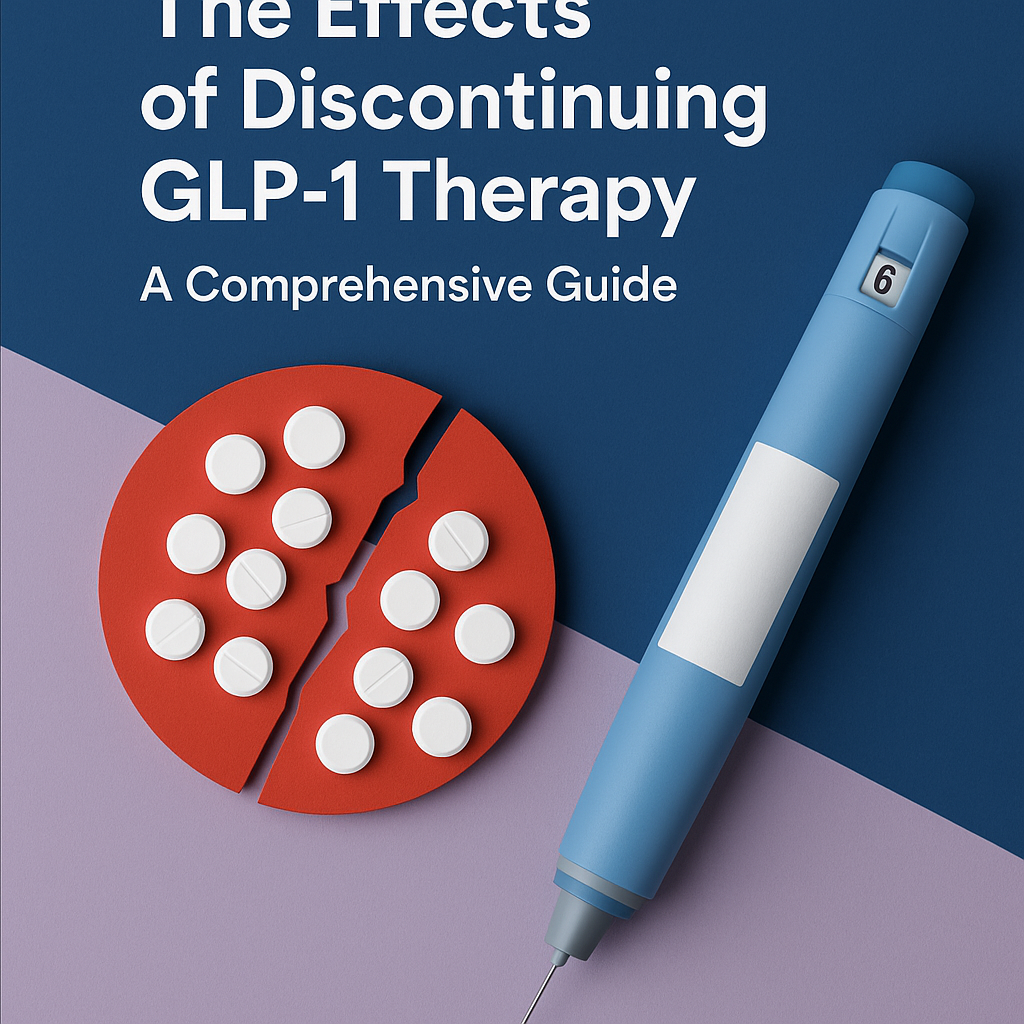
Glucagon-like peptide-1 (GLP-1) therapies have revolutionized the management of type 2 diabetes and obesity. These medications increase insulin secretion, inhibit glucagon release, and significantly enhance satiety, leading to weight loss. Despite their many advantages, some patients may find it necessary to discontinue GLP-1 therapy due to side effects, cost, or personal preference. In this article, we will explore the potential effects of discontinuing GLP-1 therapy, the implications for overall health, and considerations for patients and healthcare providers.
Understanding GLP-1 Therapy
GLP-1 is a hormone produced in the intestines that plays a crucial role in glucose metabolism. GLP-1 therapies, including medications like liraglutide, semaglutide, and dulaglutide, mimic this hormone’s effects, thus facilitating better glycemic control and promoting weight loss in patients with type 2 diabetes.
Mechanism of Action
GLP-1 therapies work by:
- Stimulating insulin secretion in a glucose-dependent manner.
- Reducing postprandial glucagon secretion.
- Promoting gastric emptying, which helps control appetite and reduces food intake.
Reasons for Discontinuation
Some patients may choose to discontinue GLP-1 therapy for various reasons, including:
- Adverse side effects such as nausea, vomiting, or gastrointestinal upset.
- Cost or lack of insurance coverage for the medication.
- Patient preference or perceived ineffectiveness.
- Transition to alternative treatment options or lifestyle changes.
Short-Term Effects of Discontinuation
When a patient discontinues GLP-1 therapy, the most immediate effects may be observed within the first few weeks:
Blood Sugar Control
One of the most significant effects of discontinuing GLP-1 therapy is the potential increase in blood glucose levels. Without the medication’s action to enhance insulin secretion and reduce glucagon, patients may experience:
- Hyperglycemia: Elevated blood sugar levels can result in symptoms such as increased thirst, frequent urination, fatigue, and blurred vision.
- Fluctuating blood sugar levels: Patients may experience significant variations in blood glucose levels, making diabetes management more challenging.
Weight Gain
GLP-1 therapy is often associated with weight loss, and discontinuation can lead to weight regain:
- Increased appetite: Patients may find that their hunger levels return to normal or even increase, leading to higher caloric intake.
- Changes in metabolism: As the benefits of the therapy reduce, metabolic changes may promote weight gain.
Long-Term Effects of Discontinuation
The long-term effects of stopping GLP-1 therapy can significantly impact a patient’s health and quality of life:
Cumulative Health Risks
Persistent hyperglycemia due to discontinuation can lead to long-term complications associated with diabetes, including:
- Cardiovascular diseases: High blood sugar levels can increase the risk of heart attacks and strokes.
- Neuropathy: Nerve damage may occur over time, leading to complications such as pain, tingling, or sensitivity.
- Retinopathy: Discontinuing therapy may contribute to vision problems by affecting blood vessels in the eyes.
- Kidney damage: Kidney function can decline with consistently high blood sugar levels, leading to complications such as diabetic kidney disease.
Psychological Impact
Beyond physical health, discontinuing GLP-1 therapy may also have psychological implications:
- Increased anxiety: Concerns about managing diabetes without medication may lead to anxiety and stress.
- Low self-esteem: Patients who experience weight gain may struggle with self-image, leading to depression and social isolation.
- Loss of motivation: A perceived failure in managing one’s diabetes may diminish a patient’s motivation to maintain a healthy lifestyle.
Strategies for Transitioning Off GLP-1 Therapy
For those who need to discontinue GLP-1 therapy, it’s crucial to have a solid plan to manage diabetes effectively:
Consult Your Healthcare Provider
It’s essential to consult with your healthcare provider before stopping any medication. They can help evaluate the reasons for discontinuation and suggest alternatives.
Alternative Medication Options
Depending on individual circumstances, there are several alternatives to GLP-1 therapy, including:
- Insulin therapy
- SGLT-2 inhibitors
- DPP-4 inhibitors
- Other weight-loss medications
Lifestyle Modifications
Incorporating lifestyle changes such as improved diet, regular physical activity, and weight management can support overall health and help manage blood sugar levels:
- Balanced meal planning to account for carbohydrate intake.
- Increased physical activity to improve insulin sensitivity and control weight.
- Regular monitoring of blood sugar levels to closely track changes and respond accordingly.
Conclusion
Discontinuing GLP-1 therapy can have profound implications for patients managing type 2 diabetes and obesity. While this decision may arise from a variety of factors, understanding the short- and long-term effects of discontinuation is crucial for patients and healthcare providers alike. It’s vital to engage in comprehensive planning, considering alternative therapies and necessary lifestyle modifications to mitigate health risks. Collaborating with a healthcare provider can enable a smoother transition and promote continued success in diabetes management.
FAQs
1. What should I do if I want to stop taking GLP-1 medication?
Consult your healthcare provider before making any changes to your medication regimen. They can provide guidance on safe discontinuation and suggest alternative treatments or lifestyle changes.
2. Can I experience side effects after stopping GLP-1 therapy?
Yes, you may experience side effects from the initial withdrawal of the medication, such as increased appetite and fluctuating blood sugar levels.
3. Will I regain weight if I stop GLP-1 therapy?
Many patients experience weight regain after discontinuation, as GLP-1 therapies promote satiety and reduce appetite. Engaging in lifestyle changes can help manage weight.
4. How quickly can I expect changes after stopping GLP-1 therapy?
Changes in blood sugar levels and appetite can occur within a few weeks of discontinuation. It’s essential to monitor these changes closely during this period.
5. Are there alternatives to GLP-1 therapy?
Yes, there are several alternatives available, including insulin therapy, SGLT-2 inhibitors, DPP-4 inhibitors, and weight-loss medications. Your healthcare provider can help determine the best option for you.
Leave a Reply