Introduction
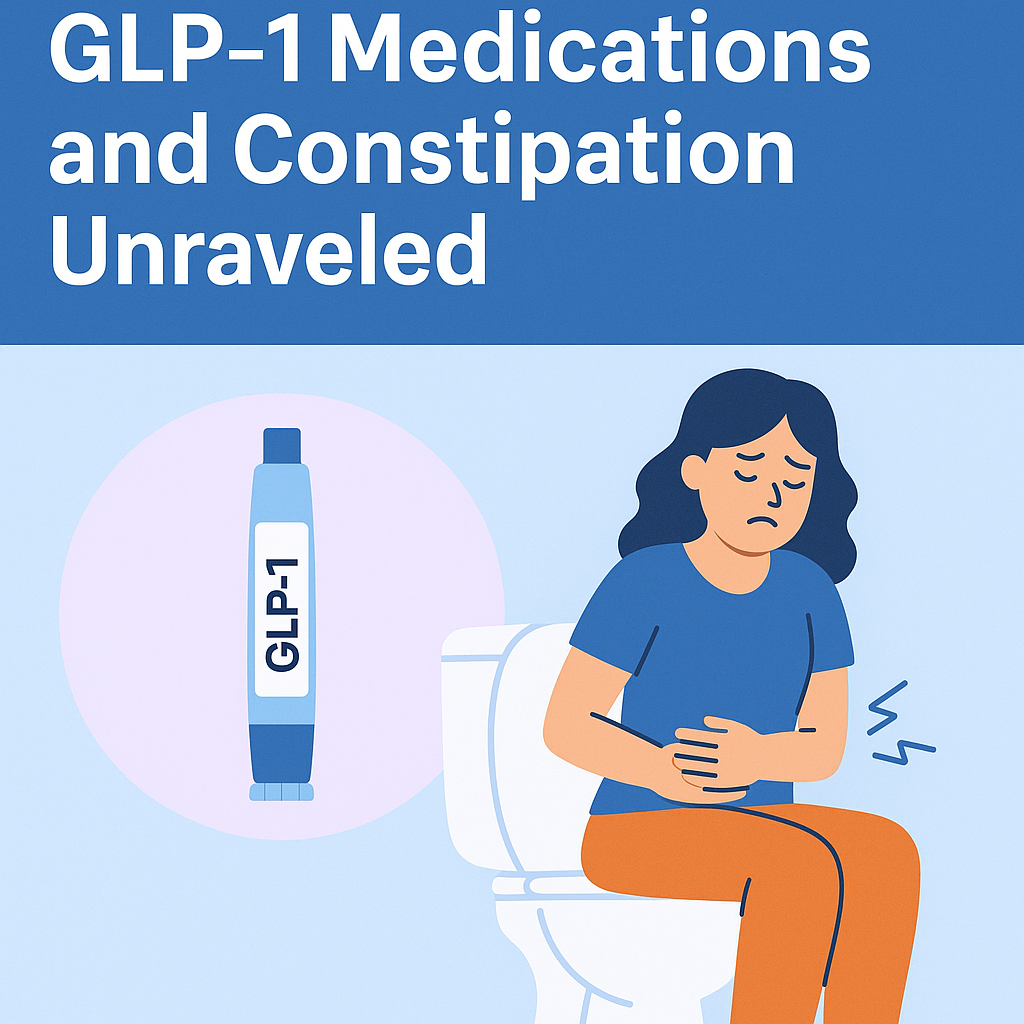
In recent years, GLP-1 (glucagon-like peptide-1) receptor agonists have gained significant traction in the management of type 2 diabetes and obesity. Popular drugs in this category include Semaglutide, Liraglutide, and Dulaglutide. While the benefits of these medications in controlling blood sugar levels and aiding weight loss are well-documented, an important aspect that is often overlooked is their association with gastrointestinal side effects, particularly constipation. This article aims to unravel the relationship between GLP-1 medications and constipation, elucidating the mechanisms involved, implications for patients, and management strategies.
What Are GLP-1 Medications?
GLP-1 medications are synthetic analogs of the naturally occurring GLP-1 hormone, which is secreted by the intestines in response to food. They play a crucial role in glycemic control by enhancing insulin secretion, inhibiting glucagon release, and promoting satiety. This multi-faceted approach not only helps reduce blood sugar levels in those with diabetes but also contributes to weight loss, making them a valuable therapeutic option.
Understanding Constipation
Constipation is a common gastrointestinal condition, characterized by infrequent bowel movements, difficulty in passing stools, or a sense of incomplete evacuation. It can lead to significant discomfort and impact quality of life. The causes of constipation are varied and may include dietary factors, hydration levels, sedentary lifestyle, and certain medications.
The Link Between GLP-1 Medications and Constipation
Research has indicated that GLP-1 medications can lead to gastrointestinal side effects, with constipation being one of the most commonly reported. The mechanisms underlying this side effect are manifold:
- Delayed Gastric Emptying: One of the primary effects of GLP-1 receptor agonists is the slowing of gastric emptying. While this can be beneficial for blood sugar control, it can also result in gastrointestinal stagnation, leading to constipation.
- Altered Gut Motility: GLP-1 influences gut motility, which can result in reduced peristalsis and slower transit times in the intestines, contributing to constipation.
- Increased Fluid Absorption: The action of GLP-1 on the intestines can promote increased absorption of water from the stool, leading to drier stools that are harder to pass.
- Changes in Gut Microbiota: Some studies suggest that GLP-1 medications may alter the composition of gut microbiota, which can influence bowel habits and predispose individuals to constipation.
Implications for Patients
For patients undergoing treatment with GLP-1 medications, the experience of constipation can pose a significant challenge. Understanding this side effect is essential for effective management:
1. **Patient Education:** Clinicians should provide thorough education to patients regarding potential gastrointestinal side effects of GLP-1 medications, including constipation, and its symptoms. Awareness can help patients recognize and address these changes early.
2. **Monitoring and Management:** Regular follow-ups are crucial to monitor gastrointestinal symptoms. Patients should be encouraged to discuss any changes in bowel habits with their healthcare provider. In some cases, a dose adjustment may be necessary.
3. **Lifestyle Modifications:** Patients should be instructed to increase dietary fiber intake, stay hydrated, and incorporate regular physical activity into their routines. Such lifestyle changes can significantly help mitigate constipation.
Strategies for Managing Constipation
If patients develop constipation while on GLP-1 medications, several management strategies may be employed:
- Dietary Adjustments: Increasing fiber intake through fruits, vegetables, and whole grains can facilitate bowel movements. A gradual increase in fiber is recommended to avoid bloating.
- Hydration: Adequate fluid intake is vital for preventing constipation. Patients should aim for at least 8-10 cups of water daily, unless contraindicated by other medical conditions.
- Physical Activity: Regular exercise can help stimulate intestinal motility, thereby reducing constipation.
- Over-The-Counter (OTC) Remedies: In some cases, fiber supplements or mild laxatives may be beneficial. However, it is crucial that patients consult their healthcare provider before initiating any OTC treatments.
When to Seek Medical Advice
It is important for patients to seek medical advice if they experience severe or persistent constipation that does not respond to dietary or lifestyle changes. Additional symptoms such as abdominal pain, bloating, or rectal bleeding should prompt immediate consultation as they could signify more serious conditions.
Conclusion
The connection between GLP-1 medications and constipation is multifactorial, involving changes in gastric emptying, gut motility, and fluid absorption. While these medications offer significant benefits for managing diabetes and obesity, awareness of their potential gastrointestinal side effects is essential for safe and effective treatment. By implementing lifestyle changes and seeking appropriate medical advice, patients can better manage constipation and improve their overall quality of life while using GLP-1 medications.
FAQs
1. Can I continue taking my GLP-1 medication if I experience constipation?
Yes, but you should discuss the issue with your healthcare provider. They may suggest managing the constipation through dietary changes, hydration, or adjusting your medication.
2. What dietary changes can help with constipation caused by GLP-1 medications?
Increasing your intake of high-fiber foods, such as fruits, vegetables, whole grains, and legumes, can help. Staying hydrated and reducing processed foods can also be beneficial.
3. How long do side effects, including constipation, typically last?
Gastrointestinal side effects often improve over time as your body adjusts to the medication. If constipation persists or worsens, consult your healthcare provider.
4. Are there specific medications I should avoid while on GLP-1 medications?
Discuss any medications, including over-the-counter drugs, with your healthcare provider to avoid potential interactions or worsening of side effects.
5. What should I do if over-the-counter remedies don’t relieve my constipation?
If OTC remedies are ineffective, contact your healthcare provider for further evaluation and alternative treatment options.
Leave a Reply