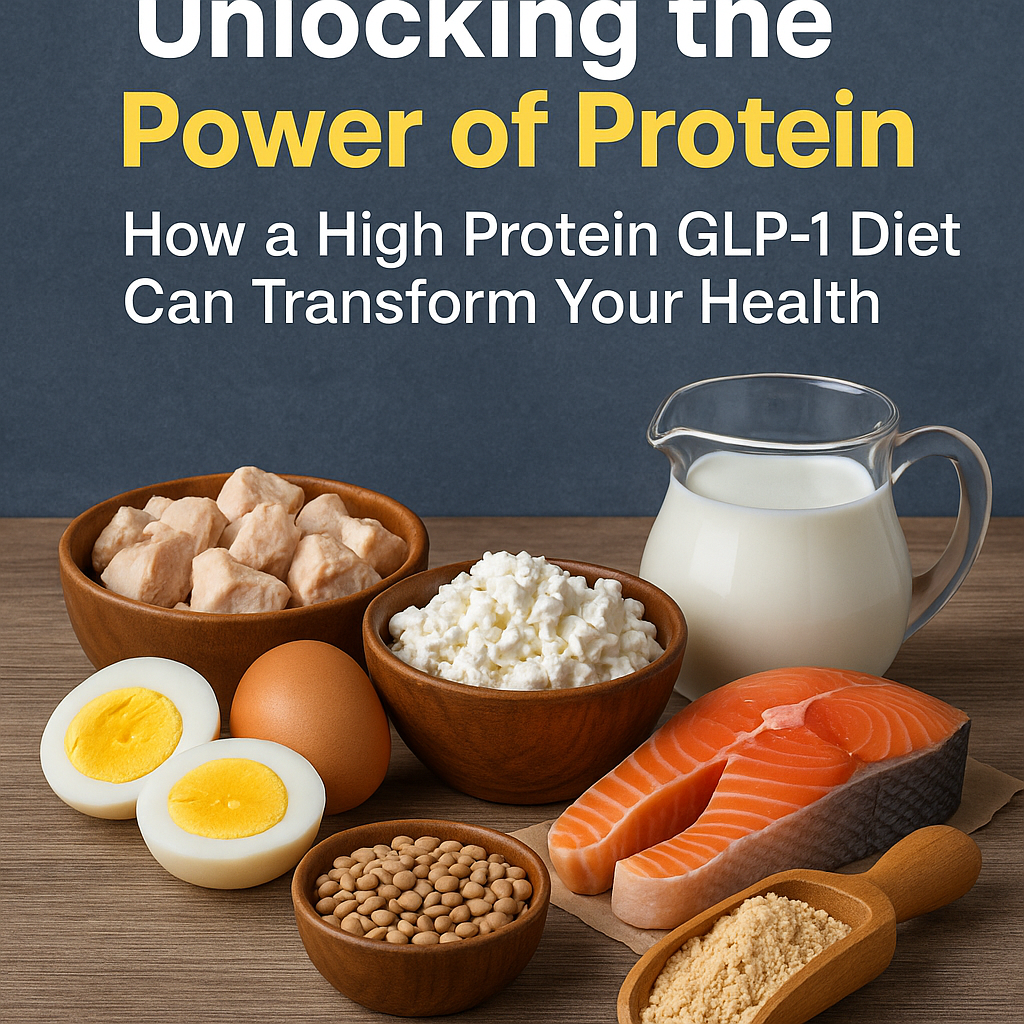
In today’s fast-paced world, maintaining health and wellness is often a challenge. With the rise in processed foods and sedentary lifestyles, many individuals are exploring dietary strategies that can enhance their well-being. One such approach is the high protein GLP-1 (glucagon-like peptide-1) diet, which has garnered attention for its potential to not only promote weight loss but also to support overall metabolic health. In this article, we will delve deep into the benefits of protein, the role of GLP-1, and how integrating this powerful diet can lead to a transformation in your health.
Understanding Protein: The Building Block of Life
Proteins are essential macromolecules that play a crucial role in nearly every biological process. Composed of amino acids, proteins are responsible for building and repairing tissues, producing enzymes and hormones, and supporting immune function. Despite the significant role they play, many individuals do not consume adequate amounts of protein in their diets.
The Role of GLP-1 in Health
GLP-1 is an incretin hormone released from the gut in response to food intake. Its primary functions include:
- Enhancing insulin secretion from the pancreas, which helps lower blood sugar levels.
- Inhibiting glucagon secretion, another hormone that raises blood glucose levels.
- Slowing down gastric emptying, which helps improve satiety.
- Promoting feelings of fullness and reducing appetite.
Because of these crucial functions, GLP-1 has become a target for diabetes and obesity treatments. Recent research suggests that a high protein diet can stimulate GLP-1 secretion, leading to enhanced metabolic benefits.
Benefits of a High Protein GLP-1 Diet
1. Weight Loss and Management
One of the most notable benefits of a high protein GLP-1 diet is its potential for weight loss. High protein intake has been linked to increased satiety, which can lead to reduced calorie consumption. As GLP-1 helps regulate appetite, a protein-rich diet can keep hunger at bay and support healthier eating practices.
2. Enhanced Muscle Mass
A high protein diet promotes muscle synthesis and may help preserve lean muscle mass, especially during weight loss. As we age, maintaining muscle mass becomes increasingly important for physical mobility and overall health. By incorporating adequate protein into your meals, alongside resistance training, you can support muscle health and improve body composition.
3. Improved Blood Sugar Control
For those living with diabetes or at risk for it, managing blood sugar levels is paramount. The combination of protein and GLP-1 enhances insulin sensitivity, promotes better glucose control, and can help minimize spikes in blood sugar levels after meals. This dual effect makes a high protein GLP-1 diet particularly beneficial for individuals managing diabetes.
4. Heart Health
Emerging evidence suggests that a high protein diet may also contribute to cardiovascular health. Some studies indicate that protein-rich diets can improve cholesterol profiles, reduce blood pressure, and lower the risk of heart disease. A diet rich in lean proteins, such as fish, poultry, legumes, and low-fat dairy, can be particularly heart-friendly.
Practical Tips for Implementing a High Protein GLP-1 Diet
Implementing a high protein GLP-1 diet can be straightforward with a few practical strategies:
1. Start Your Day with Protein
Incorporate protein into your breakfast to kickstart your metabolism. Options like eggs, Greek yogurt, or a protein smoothie can help set a healthy tone for the day.
2. Choose Lean Proteins
Select lean protein sources, such as chicken, turkey, fish, legumes, and plant-based proteins. These options are not only nutritious but can also support weight management without excess calories.
3. Snack Wisely
Instead of reaching for sugary snacks, opt for high-protein snacks. Nuts, cottage cheese, or protein bars can satiate cravings while keeping your protein intake in check.
4. Meal Planning
Plan your meals around high-protein foods. Including protein in lunch and dinner can ensure you’re meeting your daily intake goals while incorporating a variety of nutrients from vegetables and whole grains.
5. Stay Hydrated
Hydration is critical when consuming a high protein diet. Ensure you’re drinking plenty of water, as proteins require more water for digestion and metabolism.
Common Misconceptions About High Protein Diets
Despite the numerous benefits, high protein diets are often surrounded by myths. Here are a few common misconceptions:
1. High Protein Diets are Unhealthy
Many believe that high protein equates to high fat and increased cholesterol. However, selecting lean protein sources can provide health benefits without the undesirable effects associated with processed meats or high-fat proteins.
2. High Protein Diets are Only for Athletes
While athletes certainly benefit from increased protein for muscle recovery and growth, everyone can gain advantages from consuming adequate protein, especially for weight management and muscle preservation.
3. Excess Protein Causes Kidney Damage
This concern is often overstated. While individuals with pre-existing kidney conditions may need to monitor protein intake, research indicates that healthy individuals can safely consume higher amounts of protein without adverse effects.
Conclusion
The high protein GLP-1 diet is more than just a trend; it’s a powerful approach to health and wellness that can transform your life. By embracing this dietary strategy, you can harness the benefits of protein, regulate your appetite, manage blood sugar, and boost your overall health. With careful planning and mindful eating, anyone can incorporate a high protein GLP-1 diet into their lifestyle, leading to healthier habits and improved well-being.
FAQs
1. How much protein do I need daily?
The recommended dietary allowance (RDA) for protein is 0.8 grams per kilogram of body weight. However, for those looking to lose weight or build muscle, higher amounts (1.2 to 2.0 grams) may be beneficial.
2. What are good sources of protein?
Excellent sources of protein include lean meats (chicken, turkey, fish), eggs, dairy products (Greek yogurt, cottage cheese), legumes (beans, lentils), and plant-based sources (tofu, tempeh, quinoa).
3. Can I follow a high protein diet if I’m vegetarian or vegan?
Absolutely! There are plenty of plant-based protein sources such as lentils, chickpeas, edamame, quinoa, nuts, and seeds to meet your protein needs on a vegetarian or vegan diet.
4. Are there any side effects to a high protein diet?
While a high protein diet is generally safe for healthy individuals, consuming excessively high amounts can lead to digestive issues, dehydration, and nutrient imbalances. It’s essential to maintain a balanced diet.
5. How quickly can I expect results from a high protein GLP-1 diet?
Results can vary based on individual metabolism, adherence to the diet, and lifestyle factors. However, many people notice improvements in satiety, energy levels, and weight management within a few weeks of adopting the diet.
Leave a Reply