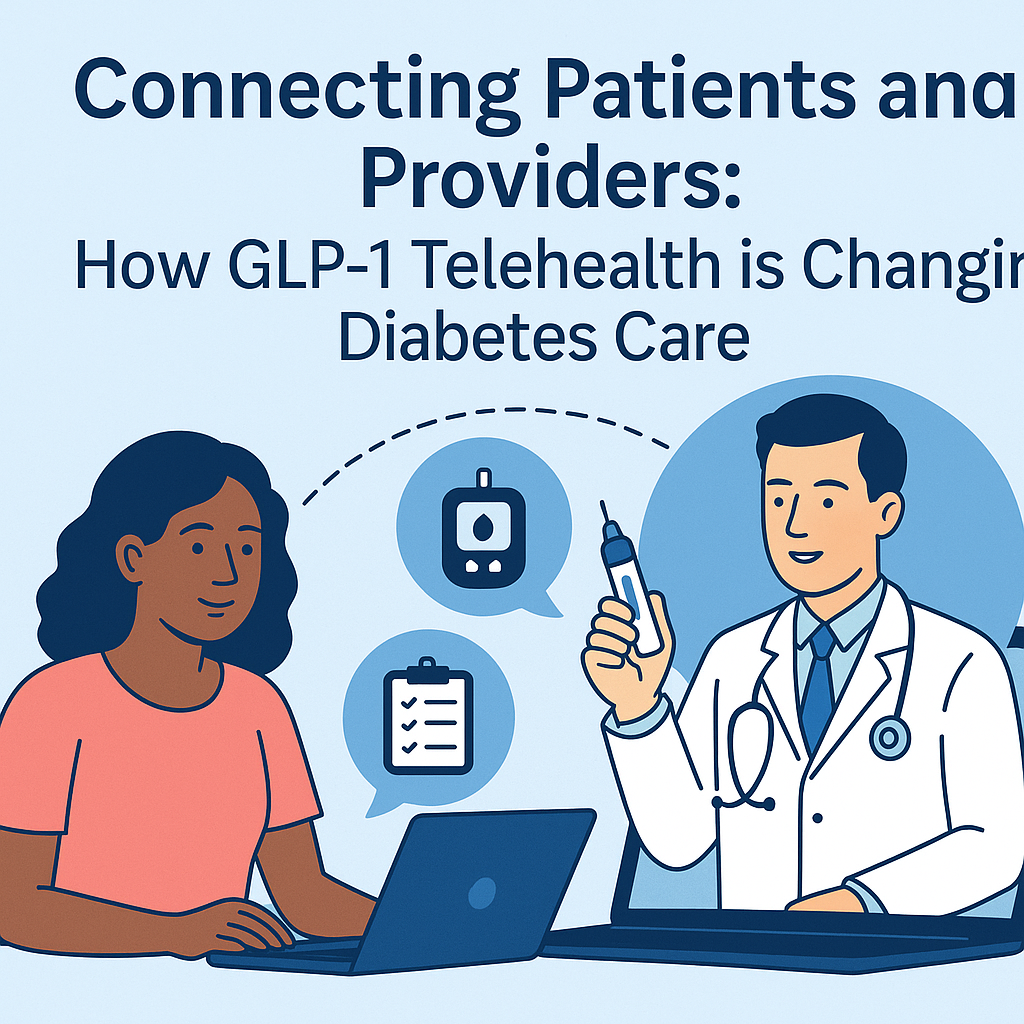
Diabetes has emerged as one of the most pressing health challenges of our time, with millions of people affected globally. In the face of these challenges, GLP-1 (glucagon-like peptide-1) receptor agonists represent a promising class of medications for managing type 2 diabetes. Along with this medical advancement, the rise of telehealth has transformed the landscape of diabetes care, allowing patients to access healthcare providers more easily than ever before. This article explores how GLP-1 telehealth is changing diabetes care by improving access, enhancing patient engagement, and providing a more tailored treatment experience.
Understanding GLP-1 Medications
GLP-1 receptor agonists are a class of medications that mimic the action of the GLP-1 hormone, which plays a crucial role in glucose metabolism. These medications help lower blood sugar levels, promote weight loss, and even improve cardiovascular health in people with type 2 diabetes.
Some commonly prescribed GLP-1 agonists include:
- Exenatide (Byetta, Bydureon)
- Liraglutide (Victoza, Saxenda)
- Dulaglutide (Trulicity)
- Semaglutide (Ozempic, Wegovy)
Given the effectiveness of these medications, patients often require thorough guidance and monitoring from healthcare providers to achieve optimal results. This is where telehealth comes into play.
The Rise of Telehealth in Diabetes Management
Telehealth has gained momentum in recent years, particularly due to its robust capabilities in providing remote consultations, monitoring, and education. The COVID-19 pandemic accelerated this trend as healthcare systems grappled with the need for social distancing and reduced in-person visits.
Telehealth offers several benefits for diabetes care:
- Convenience: Patients can consult healthcare providers from the comfort of their homes.
- Accessibility: Remote consultations can bridge gaps for patients living in rural or underserved areas.
- Continuity of Care: Patients can maintain regular check-ins, ensuring that their diabetes management plans are up-to-date.
Connecting Patients with GLP-1 Therapies via Telehealth
Enhanced Communication Channels
One of the most significant impacts of telehealth on GLP-1 therapy is the enhanced communication between patients and providers. Virtual consultations allow patients to discuss their experiences with GLP-1 medications, including side effects and effectiveness, in real time. Providers can use these platforms to make swift decisions regarding treatment adjustments based on individual patient needs.
Patient Education and Empowerment
Education is pivotal in managing diabetes effectively. Through telehealth platforms, healthcare providers can offer tailored educational resources to patients. This includes guidance on medication adherence, dietary recommendations, and exercise regimens, thus empowering patients to take charge of their health.
Personalized Treatment Plans
GLP-1 therapy is not a one-size-fits-all solution. By utilizing telehealth, healthcare providers can create personalized treatment plans based on a patient’s lifestyle, preferences, and health objectives. Regular virtual consultations facilitate ongoing adjustments to treatment plans, ensuring that patients receive the most effective care.
Monitoring and Data Collection
Telehealth technology enables continuous monitoring of patients’ health data, which is invaluable for diabetes management. Providers can track blood sugar levels, weight changes, and other vital metrics. This data is crucial for making informed decisions regarding the effectiveness of GLP-1 therapy and the need for potential adjustments.
Wearable devices and apps can also play a significant role in this data collection, allowing for real-time feedback during virtual consultations. The capacity to analyze this data aids in enhancing treatment outcomes and achieving better overall health for patients.
Challenges and Considerations
While the integration of GLP-1 medications and telehealth offers numerous advantages, it also presents specific challenges:
Technology Barriers
Not all patients have access to the necessary technology or reliable internet connectivity to utilize telehealth effectively. This digital divide can lead to disparities in diabetes care.
Provider Training and Adaptation
Healthcare providers must adapt to new technologies and approaches in telehealth. This requires training and resources, which may not always be readily available.
Patient Engagement
Ensuring sustained engagement in a virtual environment can sometimes be challenging. Patients may feel disconnected or less accountable in a telehealth context, hampering their adherence to treatment plans.
Case Studies: Success Stories in GLP-1 Telehealth
Numerous case studies illustrate the effectiveness of combining GLP-1 medications with telehealth. For instance, patients enrolled in remote diabetes management programs have reported significant improvements in their HbA1c levels, weight loss, and overall quality of life.
One notable case involved a 55-year-old patient with type 2 diabetes who switched to remote telehealth consultations after experiencing burnout from traditional clinic visits. With regular virtual appointments, personalized care plans, and increased access to educational resources, the patient successfully lost weight and improved their blood sugar levels within just a few months.
Future Directions for GLP-1 Telehealth
The future of diabetes care is likely to become increasingly intertwined with technological advancements. As telehealth continues to evolve, we can expect to see enhanced integration of artificial intelligence, machine learning, and remote monitoring tools in the management of diabetes.
These advancements will not only improve patient outcomes but also allow for more efficient healthcare delivery, ultimately reducing unnecessary visits to healthcare facilities. Furthermore, regulations and reimbursement policies will likely evolve in favor of telehealth, making it a sustainable option for chronic disease management.
Conclusion
GLP-1 telehealth is transforming diabetes care by providing a platform for enhanced patient-provider connections, personalized treatment plans, and ongoing monitoring. Although challenges persist, the benefits of telehealth in managing diabetes are clear. As technology continues to advance, we can expect even more significant improvements in patient outcomes and care delivery within the realm of diabetes management. It reflects a promising future where patients feel empowered to manage their diabetes effectively, with the right support at their fingertips.
FAQs
1. What are GLP-1 medications?
GLP-1 medications are a class of drugs that mimic the GLP-1 hormone to help manage blood sugar levels in individuals with type 2 diabetes. They can also aid in weight loss.
2. How does telehealth work for diabetes management?
Telehealth allows patients to consult with healthcare providers remotely through video calls, phone calls, or messaging, making diabetes management more accessible and convenient.
3. What are the benefits of combining GLP-1 therapy with telehealth?
Benefits include enhanced communication, personalized treatment plans, improved patient engagement, and ongoing monitoring of health data.
4. Are there any challenges associated with GLP-1 telehealth?
Yes, challenges include technology barriers, provider training needs, and ensuring sustained patient engagement in a virtual context.
5. What does the future look like for GLP-1 telehealth?
The future may include greater integration of AI and machine learning, improved monitoring tools, and evolving regulations that support telehealth as a sustainable option for diabetes management.
Leave a Reply