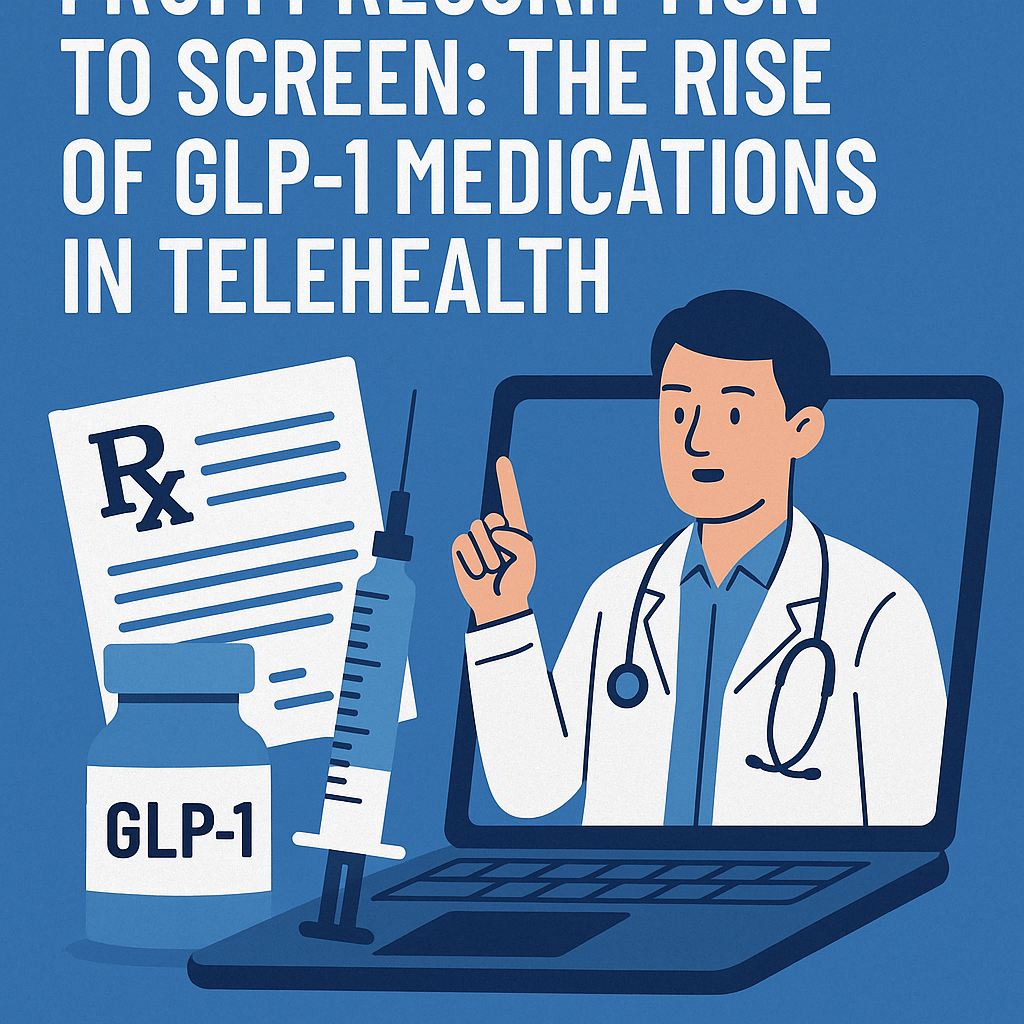
As the world adapts to groundbreaking digital solutions, healthcare is no exception. The rise of telehealth has transformed how patients receive care, aligning well with the growing prominence of GLP-1 (glucagon-like peptide-1) medications. Initially created for managing type 2 diabetes, these medications are now gaining more attention as effective weight-loss solutions. This article explores the seamless integration of GLP-1 medications into telehealth platforms and their implications for both patients and healthcare providers.
Understanding GLP-1 Medications
GLP-1 medications mimic the effects of the natural hormone GLP-1, which plays a role in glucose metabolism and appetite regulation. These medications include popular options like semaglutide (Ozempic, Wegovy) and liraglutide (Saxenda). Initially developed to manage diabetes, they have shown significant efficacy in promoting weight loss, leading to their increased off-label use in obesity treatment.
The Role of Telehealth in Medication Management
Telehealth has emerged as a vital tool for patient management, especially during the COVID-19 pandemic, when in-person visits were limited. Defined as remote healthcare services delivered via telecommunication technologies, telehealth offers numerous advantages:
- Increased Accessibility: Patients can consult healthcare providers from the comfort of their homes, overcoming geographical barriers.
- Convenient Follow-ups: Regular check-ins become more manageable, allowing for effective monitoring of treatment progress.
- Reduced Healthcare Costs: Telehealth can lower the cost of care by minimizing travel and time-off from work.
The Intersection of GLP-1 Medications and Telehealth
As telehealth platforms become more sophisticated, they are increasingly well-suited to support the use of GLP-1 medications. Here’s how:
1. Remote Assessments and Prescriptions
Online consultations allow healthcare providers to evaluate patients’ suitability for GLP-1 medications without the need for in-person visits. Virtual assessments can effectively address patients’ medical history, current health status, and treatment goals. Once deemed appropriate, prescriptions can be issued electronically, streamlining the process.
2. Continuous Monitoring and Feedback
Telehealth enables continuous patient monitoring through secure messaging, video calls, and mobile health applications. Patients using GLP-1 medications benefit from regular contact with healthcare providers, which fosters accountability and encourages adherence to treatment plans.
3. Educational Resources
Patients often require extensive information to understand how to administer GLP-1 medications properly. Telehealth platforms can integrate educational modules and provide resources on diet, exercise, and managing side effects. This education empowers patients to take an active role in their health.
4. Behavioral Support
Weight loss is a complex journey that often requires behavioral changes. Telehealth services can offer virtual therapy sessions, support groups, and counseling to help patients navigate the psychological aspects of weight management alongside medication.
The Benefits of GLP-1 Medications in a Telehealth Setting
Combining GLP-1 medications with telehealth offers several advantages:
- Convenient Access to Treatment: Patients can start their weight loss journey without the barriers associated with traditional healthcare systems.
- Timely Adjustments: Providers can make prompt adjustments to dosages based on real-time feedback, optimizing treatment outcomes.
- Increased Patient Engagement: Telehealth fosters a more engaged patient-provider relationship, which can enhance adherence and promote lifestyle changes.
Challenges and Considerations
Despite the numerous advantages, the integration of GLP-1 medications into telehealth is not without challenges:
1. Regulatory Hurdles
Telehealth regulations vary significantly between regions, affecting how medications can be prescribed and managed remotely. Providers must navigate these regulations to ensure compliance while meeting patients’ needs.
2. Technological Barriers
Not all patients have equal access to technology or the internet, which can hinder their ability to utilize telehealth services. Attention must be paid to bridging the digital divide.
3. Patient Education and Self-Management
Successful treatment with GLP-1 medications often relies on patients’ understanding of self-management techniques. Telehealth providers must invest time and resources into educating their patients effectively.
The Future of GLP-1 Medications and Telehealth
The trend of integrating GLP-1 medications into telehealth is only expected to grow. As healthcare systems continue adopting digital solutions, the following trends are anticipated:
- Enhanced Personalization: Data analytics will enable providers to tailor treatments based on individual patient profiles.
- Comprehensive Care Models: The move towards holistic treatment will see doctors, dietitians, and mental health professionals collaborating across telehealth platforms.
- Research and Development: Further research may lead to the development of new GLP-1 medications and delivery methods, making treatments even more effective and accessible.
Conclusion
The rise of GLP-1 medications in telehealth represents a significant advancement in the management of obesity and type 2 diabetes. By bridging the gap between prescription medications and virtual healthcare, telehealth is revolutionizing patient experience and accessibility. However, challenges remain in regulation, technology access, and education. Addressing these challenges will be crucial for maximizing the potential of GLP-1 medications in telehealth settings and ensuring that all patients can benefit from this innovative approach to healthcare.
FAQs
1. What are GLP-1 medications used for?
GLP-1 medications are primarily used to treat type 2 diabetes and have been shown to promote weight loss in individuals with obesity.
2. How do GLP-1 medications work?
GLP-1 medications mimic the incretin hormone, which regulates blood sugar levels and reduces hunger, leading to improved glycemic control and weight loss.
3. Can I get GLP-1 medications through telehealth?
Yes, many telehealth providers can assess, prescribe, and monitor GLP-1 medications through virtual consultations.
4. Are there side effects associated with GLP-1 medications?
Common side effects can include nausea, diarrhea, and vomiting. It’s critical to discuss any concerns with your healthcare provider during telehealth consultations.
5. Is telehealth as effective as in-person consultations for managing GLP-1 medications?
Telehealth has been shown to be highly effective for managing GLP-1 medications, offering convenience and accessibility while allowing for continuous patient monitoring and education.
Leave a Reply