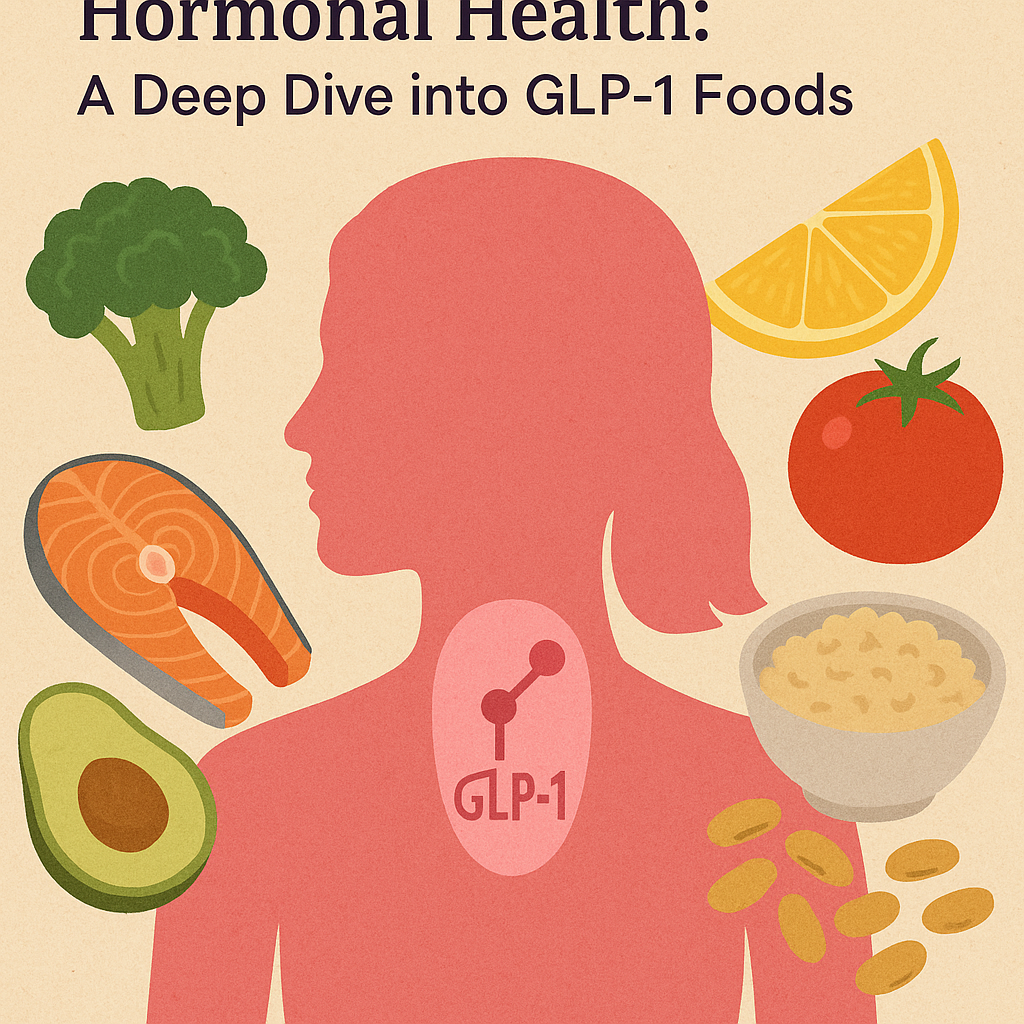
Hormones play a crucial role in regulating numerous bodily functions, including metabolism, mood, and reproductive health. One hormone that has garnered significant attention in recent years is Glucagon-like peptide-1 (GLP-1). This incretin hormone is released after eating and is vital for insulin regulation, appetite control, and glucagon secretion. Understanding how to influence GLP-1 levels through diet can significantly impact overall health, particularly for those dealing with conditions like obesity or type 2 diabetes. In this article, we will explore foods that promote GLP-1 secretion and their benefits as part of a balanced diet aimed at hormonal health.
What is GLP-1?
GLP-1 is a peptide hormone produced in the intestines and plays an essential role in glucose metabolism. It helps lower blood sugar levels in two ways: it stimulates insulin secretion in response to food intake and inhibits glucagon release, which prevents the liver from producing excess glucose. Moreover, GLP-1 has been found to enhance feelings of satiety, leading to reduced calorie intake. Over the years, its therapeutic potential has made GLP-1 analogs popular for managing type 2 diabetes and obesity.
The Importance of GLP-1 in Hormonal Balance
Maintaining balanced GLP-1 levels contributes to overall hormonal health, especially in relation to appetite regulation and weight management. Low levels of GLP-1 can lead to increased appetite and challenges in glucose control, exacerbating conditions linked to hormonal imbalance. By focusing on foods that naturally promote GLP-1 production, we can support our hormonal health more effectively.
What Foods Boost GLP-1 Levels?
Eating a diet rich in specific foods can enhance GLP-1 secretion. Here are some key food groups and examples that have shown promising effects:
1. Fermented Foods
Fermented foods such as yogurt, kefir, kimchi, and sauerkraut contain probiotics that improve gut health. A healthy gut microbiome is linked to higher GLP-1 levels. Probiotic-rich foods can aid in better digestion and nutrient absorption, further influencing GLP-1 secretion positively.
2. Healthy Fats
Fats play a critical role in GLP-1 secretion. Foods rich in omega-3 fatty acids such as fish, flaxseeds, and walnuts have displayed the potential to increase GLP-1 levels. These healthy fats not only support hormonal health but also provide essential nutrients and reduce inflammation.
3. High-Fiber Foods
Fiber-rich foods such as whole grains, legumes, fruits, and vegetables can slow digestion and promote feelings of fullness. When fiber is fermented in the gut, it produces short-chain fatty acids (SCFAs), which are known to stimulate GLP-1 secretion. Eating a variety of fiber-rich foods helps maintain GLP-1 levels and improve overall metabolic health.
4. Protein Sources
Incorporating lean proteins such as chicken, turkey, tofu, and legumes into your diet helps promote GLP-1 secretion. Protein digestion has a unique impact on GLP-1 levels due to the amino acids produced during digestion. Including adequate protein in your meals encourages satiety, reducing the urge to overeat.
5. Low Glycemic Index (GI) Foods
Foods with a low glycemic index such as sweet potatoes, legumes, and most fruits help maintain steady blood sugar levels. Stable blood sugar levels prevent spikes in insulin, which supports GLP-1 secretion. Eating low-GI foods may also help manage weight by reducing insulin resistance and enhancing satiety.
6. Dark Chocolate
Surprisingly, dark chocolate is also associated with GLP-1 secretion. Rich in flavonoids, dark chocolate helps improve insulin sensitivity and may enhance the action of GLP-1. Consuming dark chocolate in moderation can be a satisfying way to incorporate GLP-1-promoting foods into your diet.
Creating Balanced Meals for Hormonal Health
To optimize GLP-1 production through diet, consider incorporating a balanced combination of the above food groups into your meals. Here are some sample meal ideas:
Breakfast
Start your day with Greek yogurt topped with berries and a sprinkle of chia seeds. This meal combines protein, fiber, and healthy fats, setting a solid foundation for balanced GLP-1 levels.
Lunch
A quinoa salad with chickpeas, diced vegetables, olive oil, and lemon juice provides a nutrient-dense option rich in protein, healthy fats, and fiber.
Dinner
Grilled salmon served with roasted sweet potatoes and steamed broccoli makes for a delicious and GLP-1-friendly dinner. The addition of olive oil and spices enhances flavor while promoting hormonal balance.
Snack Options
Snacking on almonds, apple slices with nut butter, or hummus with carrot sticks can help sustain GLP-1 levels throughout the day, preventing energy crashes and overeating at mealtimes.
The Role of Lifestyle in Hormonal Health
While diet plays a crucial role in boosting GLP-1 levels, lifestyle factors such as regular exercise, stress management, and adequate sleep are equally important. Incorporating physical activity into your routine can enhance GLP-1 secretion and promote overall well-being. Additionally, practices like yoga, meditation, and mindfulness can help manage stress, which is essential for maintaining hormonal balance.
Conclusion
Eating for hormonal health, particularly through the promotion of GLP-1 levels, involves thoughtful food choices that prioritize gut health, balanced macronutrients, and mindful eating practices. Incorporating fermented foods, healthy fats, high-fiber foods, lean proteins, and low-GI options into your diet can help enhance GLP-1 secretion, regulate appetite, and maintain stable blood sugar levels. By combining a supportive diet with healthy lifestyle habits, you can significantly improve your hormonal health and overall well-being.
FAQs
1. What is GLP-1, and why is it important?
GLP-1 is an incretin hormone that plays a vital role in regulating blood sugar levels, appetite, and insulin secretion. It helps lower blood sugar levels, making it essential for metabolic health.
2. Can certain foods help increase GLP-1 levels?
Yes, foods that are high in fiber, healthy fats, protein, and probiotics can naturally stimulate GLP-1 secretion, supporting better metabolic health.
3. How does a high-fiber diet influence GLP-1 levels?
A high-fiber diet promotes the production of short-chain fatty acids during fermentation in the gut, which can stimulate GLP-1 secretion and improve satiety.
4. Is it possible to enhance GLP-1 levels through lifestyle changes?
Yes, adopting a balanced diet alongside regular physical activity and stress management practices can help enhance GLP-1 levels and promote overall hormonal health.
5. Should I consult a healthcare professional before changing my diet for hormonal health?
It’s always a good idea to consult with a healthcare professional, particularly if you have underlying health conditions or specific dietary needs. They can provide personalized guidance based on your unique situation.
Leave a Reply