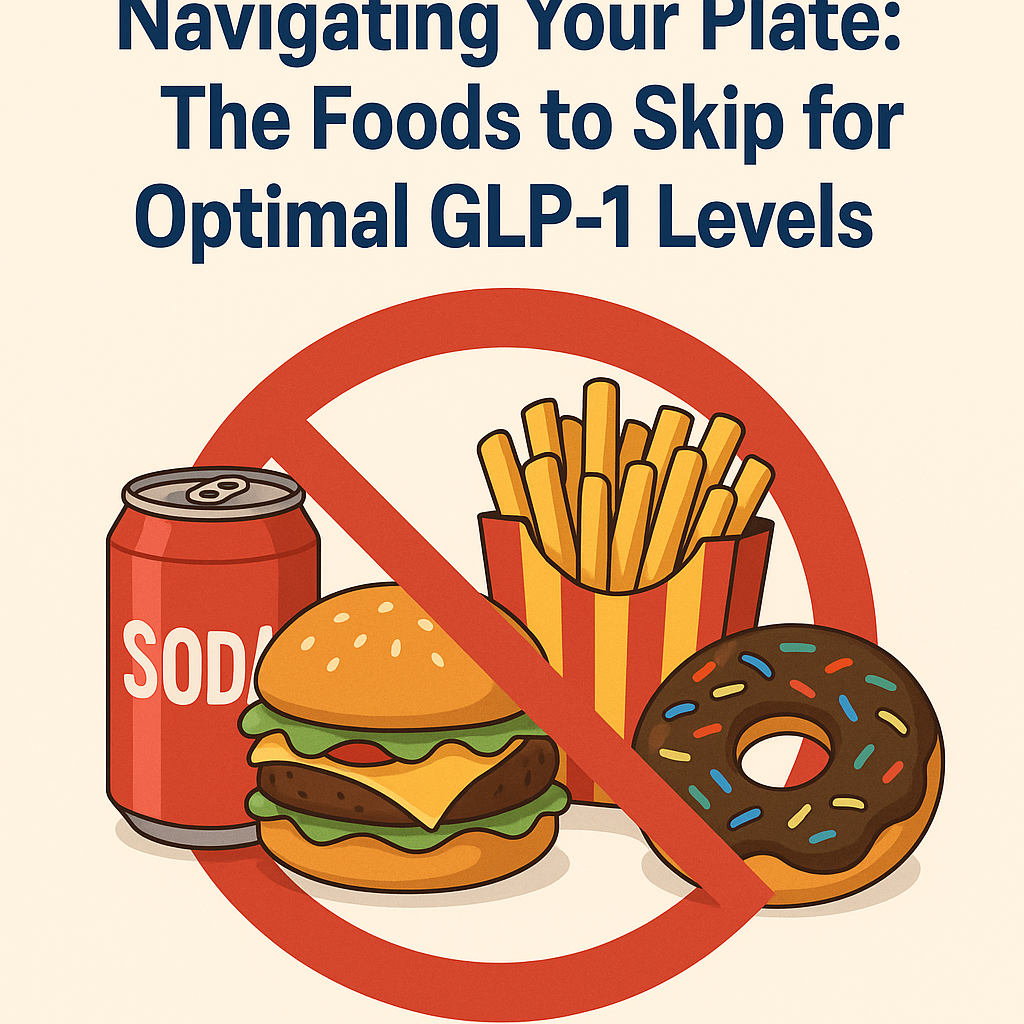
Glucagon-like peptide-1 (GLP-1) is a critical hormone in the regulation of glucose metabolism and appetite. It plays a vital role in enhancing insulin secretion, inhibiting glucagon release, and promoting satiety. Individuals looking to improve their GLP-1 levels must consider their dietary habits. The foods we consume can significantly affect our hormonal balance, and certain foods should be minimized or avoided altogether to optimize GLP-1 levels.
Understanding GLP-1 and Its Importance
GLP-1 is secreted by the intestinal cells in response to nutrient intake, particularly carbohydrates and fats. Its primary functions include:
- Enhancing insulin secretion in response to meals.
- Inhibiting glucagon release, helping to lower blood glucose levels.
- Slowing gastric emptying, which increases feelings of fullness.
- Regulating appetite and food intake.
Optimizing GLP-1 levels can aid in weight management, improve glycemic control, and potentially lower the risk of Type 2 diabetes and cardiovascular diseases. To achieve these benefits, certain food choices should be prioritized while others should be reduced or eliminated.
Foods to Skip for Optimal GLP-1 Levels
1. Highly Processed Sugars
Foods high in refined sugars can lead to rapid spikes in blood glucose levels, which may negatively affect GLP-1 secretion. Common culprits include:
- Soft drinks and energy drinks
- Pastries and cakes
- Candy and chocolate bars
These sugary foods can trigger insulin resistance over time, further disrupting GLP-1 levels and overall metabolic health. Opt instead for naturally sweet alternatives like fruits, which can help maintain blood sugar stability while providing essential vitamins and minerals.
2. Refined Carbohydrates
Refined carbohydrates, such as white bread, pasta, and pastries, are stripped of fiber and nutrients during processing. They cause similar blood sugar spikes as refined sugars. These foods have a high glycemic index, promoting rapid increases in blood glucose and ultimately leading to insulin resistance.
Instead of refined carbs, focus on whole grains like quinoa, brown rice, and oats, which provide fiber and nutrients important for GLP-1 secretion.
3. Trans Fats
Trans fats, often found in partially hydrogenated oils used in many packaged snacks, fried foods, and baked goods, are linked to various health issues, including heart disease and inflammation.
Consumption of trans fats has been demonstrated to disrupt normal GLP-1 secretion and reduce satiety signals, potentially leading to overeating. Choosing healthy fats from sources like avocados, nuts, and olive oil can support GLP-1 levels instead.
4. High-Fat Dairy Products
Full-fat dairy can be high in saturated fats, which might negatively impact insulin sensitivity and GLP-1 levels. While dairy can be part of a healthy diet, opting for lower-fat or fat-free options can be beneficial. Choices like Greek yogurt or low-fat milk can provide protein and calcium without the added saturated fat.
5. Saturated Fats from Animal Sources
Foods high in saturated fat, such as fatty cuts of meat, processed meats, and full-fat dairy products, have been shown to impair GLP-1 responses. A diet high in these fats can lead to increased inflammatory markers, further reducing the effectiveness of GLP-1.
Instead, choose lean proteins like chicken, fish, or plant-based sources such as legumes and beans to support healthy GLP-1 levels while providing essential nutrients.
6. High-Calorie Snack Foods
Chips, crackers, and other high-calorie snack foods often contain unhealthy fats and refined carbs. These snacks can lead to excessive calorie intake without providing adequate nutrition, which can affect GLP-1 levels considerably.
Opt for healthy snacks like raw vegetables, nuts, or air-popped popcorn to keep hunger at bay while supporting better GLP-1 secretion.
7. Sweetened Beverages
Beverages high in added sugars can contribute to increased calorie intake without promoting fullness. They can interfere with GLP-1 secretion and impact overall metabolic health.
Consider replacing sugary drinks with water, herbal teas, or infused water for hydration without the added sugars.
Foods to Embrace for Optimal GLP-1 Levels
While knowing what to avoid is important, it’s equally essential to embrace foods that can naturally enhance GLP-1 levels. Some beneficial food selections include:
- Fruits and Vegetables: Whole fruits like berries and leafy greens are rich in fiber and nutrients that stimulate GLP-1 secretion.
- Whole Grains: Foods like oatmeal, brown rice, and barley provide fiber, which promotes satiety and healthy gut bacteria.
- Healthy Fats: Fatty fish, avocados, and nuts help improve satiety and support overall health.
- Legumes: Beans, lentils, and chickpeas are excellent sources of protein and fiber, contributing to GLP-1 secretion.
Conclusion
Navigating your plate for optimal GLP-1 levels involves mindful eating and making informed food choices. By minimizing or eliminating foods high in added sugars, refined carbohydrates, trans fats, and unhealthy fats, you can support your body’s natural GLP-1 production.
Incorporating whole, nutrient-dense foods into your diet will not only enhance GLP-1 levels but can also contribute to overall well-being, weight management, and reduced risk of chronic diseases.
Ultimately, adopting a balanced approach that focuses on the quality of your diet can lead to better health outcomes and improved metabolic functions.
FAQs
What is GLP-1?
GLP-1, or glucagon-like peptide-1, is a hormone that helps regulate appetite, insulin secretion, and blood glucose levels. It is released in response to food intake.
How can I naturally increase my GLP-1 levels?
You can naturally increase GLP-1 levels by consuming a diet rich in fiber, whole grains, lean proteins, and healthy fats while avoiding processed foods and sugars.
What are the risks of low GLP-1 levels?
Low GLP-1 levels can lead to increased hunger, poorer blood sugar control, higher risk of insulin resistance, and potential weight gain.
Can I still eat carbohydrates with the goal of improving GLP-1?
Yes, but it is essential to focus on complex carbohydrates that are high in fiber, such as whole grains and legumes, rather than refined carbohydrates.
Is it necessary to eliminate all sugars from my diet for better GLP-1 levels?
While it is not necessary to eliminate all sugars, you should minimize added sugars, especially from processed foods, and opt for naturally occurring sugars found in fruits.
Leave a Reply