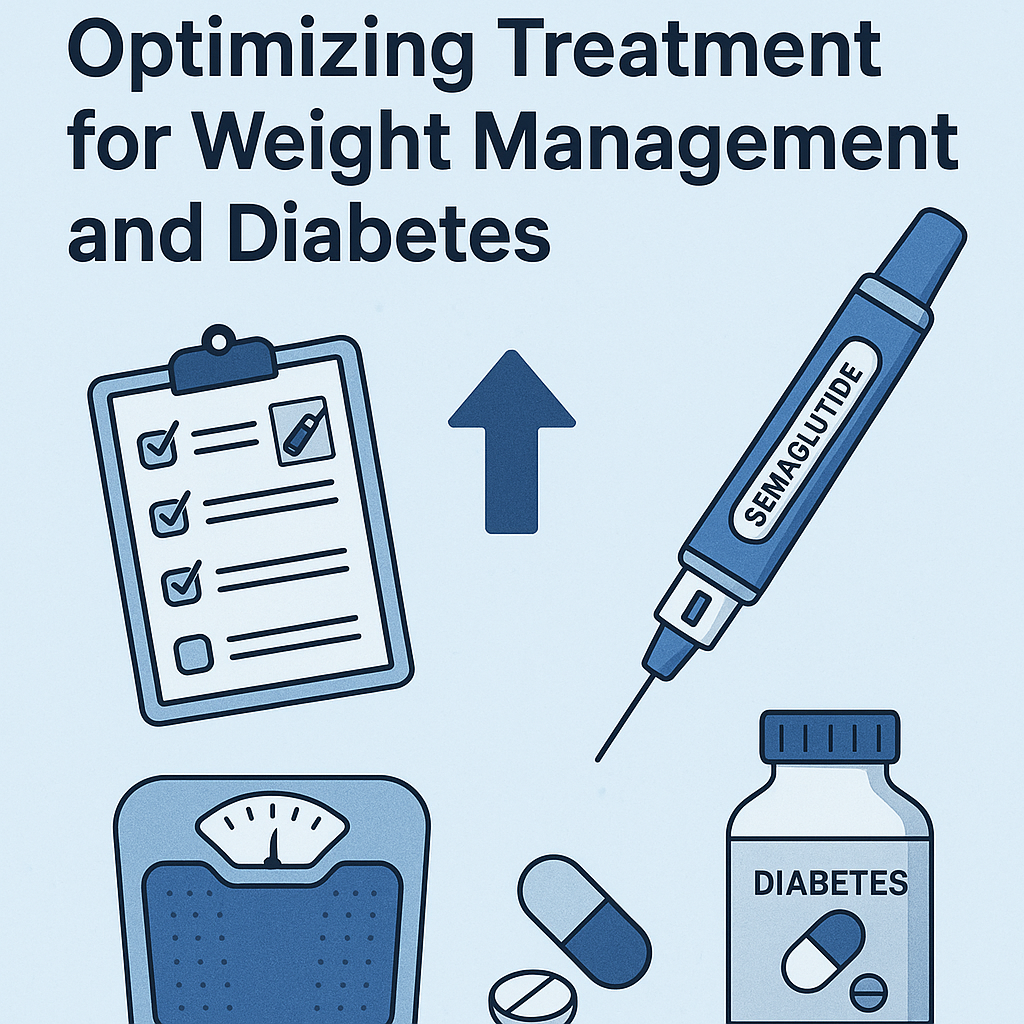
Semaglutide is a relatively new addition to the lineup of medications aimed at assisting with weight management and controlling blood sugar levels in individuals with type 2 diabetes. As with any medication, understanding the appropriate dosage and administration can significantly impact its effectiveness and patient adherence. Properly managing semaglutide dosage can lead to optimal outcomes for weight management and diabetes control.
What is Semaglutide?
Semaglutide (brand names Ozempic for diabetes management and Wegovy for weight management) is a glucagon-like peptide-1 (GLP-1) receptor agonist. It mimics the action of an incretin hormone that increases insulin secretion and decreases glucagon secretion from the pancreas in a glucose-dependent manner. This dual action not only helps to manage blood glucose levels but also promotes weight loss by reducing appetite and caloric intake.
Indications for Use
Semaglutide is primarily indicated for:
- Management of type 2 diabetes in conjunction with a healthy diet and exercise.
- Chronic weight management in adults with a body mass index (BMI) of 30 or greater, or 27 or greater with weight-related comorbidities.
Understanding Dosage Guidelines
Setting the appropriate dosage of semaglutide is crucial for ensuring both efficacy and safety. Semaglutide is available in two formulations: for type 2 diabetes management and for weight loss, each with its own recommended dosage trajectory.
Starting Dosage for Diabetes Management
The typical starting dose of semaglutide for managing type 2 diabetes is 0.25 mg, administered once weekly via injection. This initial dosage allows the body to acclimatize to the medication, minimizing potential gastrointestinal side effects such as nausea and diarrhea. After four weeks, the dose can be increased to 0.5 mg once weekly based on individual blood sugar levels and tolerance.
Escalation of Dose for Maximum Effectiveness
To achieve optimal glycemic control, patients may require an increase in dosage. After at least four weeks on the 0.5 mg dosing, healthcare providers may consider an increase to 1.0 mg weekly. If further glycemic control is warranted, doses can be elevated to 1.7 mg after another four weeks. The maximum recommended dose for diabetes management is 2.0 mg once weekly.
Starting Dosage for Weight Management
For weight management, the starting dose of semaglutide is 0.25 mg injected once weekly. Similar to diabetes management, this starting dose is intended to reduce side effects during the initial phase of treatment. After four weeks, the dose can be escalated to 0.5 mg, and then to 1.0 mg weekly, according to the individual’s weight loss goals and tolerability.
Maintenance Dose for Weight Loss
For optimal weight loss outcomes, individuals may eventually reach a maintenance dose of 2.4 mg once weekly, which is sustained over the long term. It is crucial for patients to work closely with their healthcare provider to adjust their semaglutide dosing plan based on their progress and any side effects experienced.
Factors Influencing Dosage Adjustments
Several factors can impact how a patient should be dosed with semaglutide:
- Baseline Health: Patients with a history of gastrointestinal disorders may experience more pronounced side effects, necessitating slower dosage escalation.
- Concurrent Medications: Certain medications can affect blood sugar levels, requiring careful monitoring and potential adjustments in semaglutide dosing.
- Overall Treatment Goals: Individual objectives, such as target weight loss or specific blood glucose levels, may prompt adjustments in dosage.
- Adverse Effects: Tolerance to the medication should be routinely assessed. Patients who experience side effects may require a gradual increase in dosage.
Monitoring and Follow-Up
The journey with semaglutide is marked by sustained monitoring. Regular follow-up appointments are crucial for assessing the patient’s response to the medication, potential side effects, and overall progress toward individualized treatment goals. Healthcare providers typically recommend routine checks of:
- Blood glucose levels (for diabetes management).
- Weight (for weight management).
- Patient-reported side effects and quality of life evaluations.
Benefits of Semaglutide
Semaglutide has shown significant benefits in clinical trials, offering hope for individuals struggling with weight loss and diabetes management.
- Weight Loss: In studies involving individuals with obesity, semaglutide has led to substantial weight loss, with many participants losing more than 10% of their baseline weight.
- Glycemic Control: Patients receiving semaglutide demonstrate improved blood glucose control and a lower risk of hypoglycemia compared to other diabetes medications.
- Cardiovascular Benefits: Some studies suggest that semaglutide may lower cardiovascular risk factors, making it especially beneficial for those with diabetes.
Potential Side Effects
While semaglutide is generally well-tolerated, some patients may experience side effects. Common issues include:
- Nausea
- Vomiting
- Diarrhea
- Abdominal pain
Patients are advised to discuss any side effects with their healthcare provider for appropriate management and guidance.
Conclusion
Navigating semaglutide dosage requires careful consideration and collaboration between patients and healthcare providers. Understanding the medication’s mechanics, standard dosages, and factors influencing adjustments can optimize treatment effectiveness. As a powerful therapeutic option for managing diabetes and assisting with weight loss, semaglutide represents a beacon of hope for many individuals seeking improved health outcomes. With proper monitoring and a tailored approach to dosage, patients can maximize the benefits of semaglutide and work towards their health goals successfully.
Frequently Asked Questions (FAQs)
1. What is the main purpose of semaglutide?
Semaglutide is used for managing type 2 diabetes and for chronic weight management in adults with obesity.
2. How often is semaglutide taken?
Semaglutide is administered via injection once weekly.
3. Can I change my dosage without consulting my doctor?
No, dose adjustments should always be made in consultation with a healthcare provider to ensure safety and efficacy.
4. What should I do if I miss a dose?
If you miss a dose, take it as soon as you remember, but skip it if the next dose is soon. Do not double up on doses.
5. Are there any contraindications for using semaglutide?
Semaglutide is contraindicated in individuals with a personal or family history of medullary thyroid carcinoma (MTC) or Multiple Endocrine Neoplasia syndrome type 2 (MEN 2).
Leave a Reply