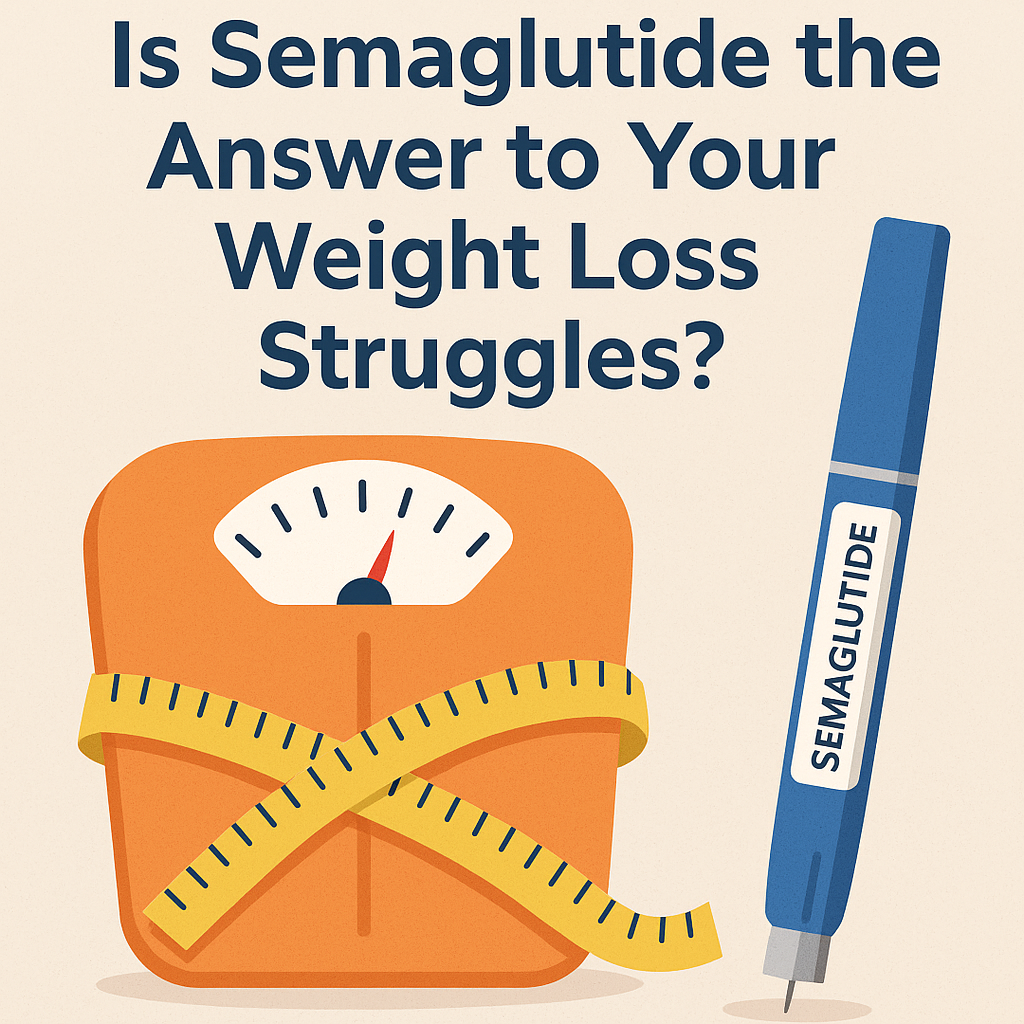
In recent years, the quest for effective weight loss solutions has taken center stage. As obesity rates continue to soar globally, medications such as Semaglutide have emerged as potential game-changers for individuals struggling with weight management. Originally developed for type 2 diabetes, Semaglutide’s influence on appetite and weight loss has attracted significant attention. But is it the magic bullet for everyone? In this article, we delve deep into Semaglutide, exploring its mechanisms, benefits, limitations, and what you need to know before considering it as part of your weight loss strategy.
Understanding Semaglutide: What It Is and How It Works
Semaglutide is a glucagon-like peptide-1 (GLP-1) receptor agonist. While it was primarily designed to treat type 2 diabetes, clinical trials have shown that it can also lead to significant weight loss in overweight and obese patients. But how does it work?
GLP-1 is a hormone that your gut releases when you eat. It plays several roles, including:
- Stimulating insulin secretion based on blood sugar levels
- Slowing down gastric emptying, which helps to promote feelings of fullness
- Reduces appetite by acting on areas of the brain that control food intake
By mimicking this hormone, Semaglutide can help regulate appetite and caloric intake, making it easier for individuals to adhere to a reduced-calorie diet.
Clinical Evidence Supporting Semaglutide for Weight Loss
The efficacy of Semaglutide in promoting weight loss has been backed by numerous clinical studies. The most notable is the STEP (Semaglutide Treatment Effect in People with Obesity) program, a series of trials focusing on its effects in non-diabetic populations. Results showed that participants treated with Semaglutide experienced:
- Average weight loss of 15-20% over 68 weeks
- Improved metabolic health markers, including blood glucose levels and blood pressure
- Enhanced quality of life and self-esteem due to weight loss
These studies confirmed that Semaglutide not only helps in reducing weight but also has the potential to improve overall health outcomes.
Benefits of Using Semaglutide for Weight Loss
While no weight loss solution is flawless, Semaglutide presents several advantages:
- Effective Weight Loss: As highlighted in clinical trials, it’s effective in achieving substantial weight loss results.
- Improved Health Markers: Alongside weight loss, it can improve other health markers like blood sugar and cholesterol levels.
- Convenient Administration: Semaglutide is typically administered via a once-weekly injection, making it easier to integrate into a weekly routine compared to daily medications.
- Support for Lifestyle Changes: When combined with a calorie-reduced diet and increased physical activity, Semaglutide can enhance the effects of lifestyle interventions.
Considerations and Side Effects
Despite the many advantages, Semaglutide is not for everyone. Potential side effects can include:
- Nausea and vomiting
- Diarrhea or constipation
- Abdominal pain
- Potential for pancreatitis
Additionally, it’s crucial to consider the following:
- Long-term Commitment: Weight loss medications often yield the best results when accompanied by dietary changes and exercise.
- Cost: Semaglutide can be expensive, and insurance coverage may vary, potentially limiting access for some individuals.
- Medical Conditions: It’s not recommended for individuals with a personal or family history of certain medical conditions, including certain types of thyroid cancer or Multiple Endocrine Neoplasia syndrome.
How to Incorporate Semaglutide into Your Weight Loss Program
If you’re considering Semaglutide, the first step is to consult your healthcare provider. They’ll evaluate your individual health status and discuss whether Semaglutide is appropriate for you. If you proceed with the treatment, it’s essential to:
- Adopt a Healthy Diet: Focus on a balanced diet rich in fruits, vegetables, whole grains, and lean proteins. This will enhance the efficacy of Semaglutide in promoting weight loss.
- Increase Physical Activity: Regular exercise complements the effects of Semaglutide and contributes to improved metabolic health.
- Monitor Your Progress: Regularly check in with your healthcare provider to assess your progress and make necessary adjustments to your treatment plan.
Conclusion
The rise in obesity rates and health-related complications signals a pressing need for effective weight management solutions. Semaglutide has proven effective in promoting significant weight loss for many individuals, offering a viable option alongside lifestyle changes such as diet and exercise. However, it’s not a one-size-fits-all solution. Its use must be tailored to the individual, and it should always be pursued under medical supervision.
While it may alleviate some weight loss challenges, the best approach to lasting weight management often involves a combination of strategies focusing on both dietary changes and lifestyle modifications. If you’re struggling with weight loss, Semaglutide might be worth discussing with your healthcare provider to see if it aligns with your health goals.
FAQs
1. What is Semaglutide used for?
Semaglutide is primarily used to treat type 2 diabetes and has also been approved for weight management in adults with a BMI indicating obesity or overweight.
2. How much weight can you lose with Semaglutide?
Clinical trials have shown that individuals can lose between 15-20% of their body weight on average over approximately 68 weeks when using Semaglutide alongside dietary changes and exercise.
3. Are there any side effects of Semaglutide?
Common side effects include nausea, vomiting, diarrhea, and abdominal pain. Some serious side effects can involve pancreatitis or thyroid tumors but are less common.
4. Can anyone take Semaglutide?
Not everyone is eligible for Semaglutide. Individuals with a history of certain medical conditions, such as a family history of thyroid cancer or Multiple Endocrine Neoplasia syndrome, should avoid it. Always discuss with your healthcare provider.
5. Is Semaglutide a lifelong treatment?
The long-term use of Semaglutide for weight management is still being researched. Many individuals may require ongoing treatment to maintain weight loss; discontinuing the medication can often lead to weight regain.