Category: Fitness Tips

  • Unlocking the Potential of Semaglutide: Clinical Trials Show Promising Outcomes

    Unlocking the Potential of Semaglutide: Clinical Trials Show Promising Outcomes

    Introduction

    Semaglutide is a glucagon-like peptide-1 (GLP-1) receptor agonist that has garnered significant attention in the medical community for its effectiveness in treating type 2 diabetes and promoting weight loss. Originally developed as a diabetes medication, trials and studies have revealed its broader implications and potential health benefits. As the prevalence of obesity and related health issues rises globally, understanding the full range of semaglutide’s benefits is critical. This article delves into the clinical trials that highlight semaglutide’s promising outcomes, its mechanisms of action, and its potential as a transformative therapy.

    Understanding Semaglutide

    Semaglutide mimics the action of GLP-1, a hormone that plays a role in regulating blood sugar levels, stimulating insulin production when glucose levels are high, and reducing the secretion of glucagon, a hormone that raises blood sugar levels. In addition to lowering blood sugar, semaglutide reduces appetite and slows gastric emptying, which contributes to weight loss.

    Approved by the FDA in 2017, semaglutide has since been a focal point for medical research. The drug is available in two formulations: an injection for managing type 2 diabetes and a higher-dose injection marketed as a weight-loss treatment under the brand name Wegovy.

    Clinical Trials and Their Findings

    Multiple clinical trials have been conducted to assess the efficacy and safety of semaglutide in various populations. Below are key findings from prominent studies:

    1. SUSTAIN Trials

    The SUSTAIN trials investigated the effectiveness of semaglutide in controlling blood glucose levels in patients with type 2 diabetes. In these trials, semaglutide was compared against standard therapies and showed significant improvements in glycemic control:

    • SUSTAIN 1: This trial revealed that patients receiving semaglutide achieved a greater reduction in HbA1c levels compared to the placebo group.
    • SUSTAIN 3: In a head-to-head comparison with exenatide, semaglutide outperformed the existing medication by delivering superior glycemic control and weight loss.
    • SUSTAIN 7: Focused on patients with cardiovascular disease, it demonstrated reductions in cardiovascular events while ensuring effective diabetes management.

    2. STEP Trials

    For weight management, the STEP trials evaluated semaglutide’s efficacy in overweight and obese patients irrespective of diabetes status:

    • STEP 1: Participants who received semaglutide achieved a substantial reduction in body weight compared to the placebo group, with averages of 15-20% weight loss over 68 weeks.
    • STEP 2: This trial confirmed that semaglutide could still yield weight loss in individuals with type 2 diabetes, further extending its applicability.
    • STEP 3: This trial explored semaglutide in combination with lifestyle interventions, showing that the combination led to enhanced weight reduction.

    3. Safety and Side Effects

    While semaglutide has shown clear benefits, it does come with potential side effects. Commonly reported side effects include nausea, vomiting, diarrhea, constipation, and abdominal pain. However, most side effects are generally mild and diminish over time as the body adjusts to the medication.

    Serious risks, although rare, include pancreatitis, gallbladder disease, and renal impairment. Thus, patient education and monitoring during treatment are essential.

    Mechanisms of Action

    The success of semaglutide can be partially attributed to its multiple mechanisms of action:

    • Insulin Secretion: Increases glucose-dependent insulin secretion from the pancreas.
    • Glucagon Secretion: Suppresses glucagon release during meals, which reduces glucose production by the liver.
    • Appetite Regulation: Acts on the brain’s appetite centers to increase satiety and reduce hunger, contributing to weight loss.
    • Slowed Gastric Emptying: Delays gastric emptying which aids in both glycemic control and weight management.

    Broader Implications of Semaglutide

    The ability of semaglutide to promote weight loss while managing sugar levels opens avenues for broader applications:

    1. Cardiovascular Health

    Patients with diabetes often face increased risks of cardiovascular diseases. The SUSTAIN trials highlighted that semaglutide not only improved blood sugar levels but also lowered the incidence of heart-related events, suggesting a dual benefit for diabetic patients.

    2. Quality of Life

    Weight loss and improved glycemic control significantly contribute to enhancing the quality of life for individuals living with obesity and diabetes. Participants reported improved physical health, mood, and social functioning, which underscores the holistic benefits of semaglutide.

    3. Long-Term Sustainability

    Longitudinal studies are ongoing to evaluate the long-term effectiveness and safety of semaglutide. The challenge of maintaining weight loss after cessation of medication is essential, and future studies may pave the way toward comprehensive weight management programs incorporating semaglutide.

    Conclusion

    Semaglutide represents a breakthrough in diabetes management and weight loss therapy, supported by robust clinical trials demonstrating its effectiveness and safety. As obesity rates escalate, the need for effective interventions becomes increasingly urgent. The multifaceted benefits of semaglutide not only address glycemic control and weight reduction but also offer potential improvements in cardiovascular health and overall quality of life.

    As research continues, semaglutide may become a cornerstone in the management of diabetes and obesity, guiding healthcare providers and patients toward better health outcomes. Ongoing commitment to research will ensure that we unlock the full potential of semaglutide, benefiting countless individuals worldwide.

    Frequently Asked Questions (FAQs)

    1. What is semaglutide, and how does it work?

    Semaglutide is a GLP-1 receptor agonist that helps regulate blood sugar levels and promotes weight loss by stimulating insulin production, suppressing glucagon release, and increasing feelings of fullness.

    2. Who can benefit from semaglutide?

    Individuals with type 2 diabetes looking for effective glycemic control, as well as those who are overweight or obese and aiming for weight loss, may benefit from semaglutide.

    3. What are the common side effects of semaglutide?

    Common side effects include nausea, vomiting, diarrhea, and constipation. Most side effects are mild and temporary, with the body adjusting over time.

    4. Is semaglutide safe?

    Semaglutide is generally considered safe for most patients, though it does carry risks. Patients should discuss their medical history with healthcare providers to ascertain if semaglutide is a suitable treatment option for them.

    5. How long does it take to see results with semaglutide?

    Many patients may begin to notice changes in blood sugar levels and weight within a few weeks of starting treatment, with more significant results observable after several months.
  • The Effects of Discontinuing GLP-1 Therapy: A Comprehensive Guide

    The Effects of Discontinuing GLP-1 Therapy: A Comprehensive Guide

    Glucagon-like peptide-1 (GLP-1) therapies have revolutionized the management of type 2 diabetes and obesity. These medications increase insulin secretion, inhibit glucagon release, and significantly enhance satiety, leading to weight loss. Despite their many advantages, some patients may find it necessary to discontinue GLP-1 therapy due to side effects, cost, or personal preference. In this article, we will explore the potential effects of discontinuing GLP-1 therapy, the implications for overall health, and considerations for patients and healthcare providers.

    Understanding GLP-1 Therapy

    GLP-1 is a hormone produced in the intestines that plays a crucial role in glucose metabolism. GLP-1 therapies, including medications like liraglutide, semaglutide, and dulaglutide, mimic this hormone’s effects, thus facilitating better glycemic control and promoting weight loss in patients with type 2 diabetes.

    Mechanism of Action

    GLP-1 therapies work by:

    • Stimulating insulin secretion in a glucose-dependent manner.
    • Reducing postprandial glucagon secretion.
    • Promoting gastric emptying, which helps control appetite and reduces food intake.

    Reasons for Discontinuation

    Some patients may choose to discontinue GLP-1 therapy for various reasons, including:

    • Adverse side effects such as nausea, vomiting, or gastrointestinal upset.
    • Cost or lack of insurance coverage for the medication.
    • Patient preference or perceived ineffectiveness.
    • Transition to alternative treatment options or lifestyle changes.

    Short-Term Effects of Discontinuation

    When a patient discontinues GLP-1 therapy, the most immediate effects may be observed within the first few weeks:

    Blood Sugar Control

    One of the most significant effects of discontinuing GLP-1 therapy is the potential increase in blood glucose levels. Without the medication’s action to enhance insulin secretion and reduce glucagon, patients may experience:

    • Hyperglycemia: Elevated blood sugar levels can result in symptoms such as increased thirst, frequent urination, fatigue, and blurred vision.
    • Fluctuating blood sugar levels: Patients may experience significant variations in blood glucose levels, making diabetes management more challenging.

    Weight Gain

    GLP-1 therapy is often associated with weight loss, and discontinuation can lead to weight regain:

    • Increased appetite: Patients may find that their hunger levels return to normal or even increase, leading to higher caloric intake.
    • Changes in metabolism: As the benefits of the therapy reduce, metabolic changes may promote weight gain.

    Long-Term Effects of Discontinuation

    The long-term effects of stopping GLP-1 therapy can significantly impact a patient’s health and quality of life:

    Cumulative Health Risks

    Persistent hyperglycemia due to discontinuation can lead to long-term complications associated with diabetes, including:

    • Cardiovascular diseases: High blood sugar levels can increase the risk of heart attacks and strokes.
    • Neuropathy: Nerve damage may occur over time, leading to complications such as pain, tingling, or sensitivity.
    • Retinopathy: Discontinuing therapy may contribute to vision problems by affecting blood vessels in the eyes.
    • Kidney damage: Kidney function can decline with consistently high blood sugar levels, leading to complications such as diabetic kidney disease.

    Psychological Impact

    Beyond physical health, discontinuing GLP-1 therapy may also have psychological implications:

    • Increased anxiety: Concerns about managing diabetes without medication may lead to anxiety and stress.
    • Low self-esteem: Patients who experience weight gain may struggle with self-image, leading to depression and social isolation.
    • Loss of motivation: A perceived failure in managing one’s diabetes may diminish a patient’s motivation to maintain a healthy lifestyle.

    Strategies for Transitioning Off GLP-1 Therapy

    For those who need to discontinue GLP-1 therapy, it’s crucial to have a solid plan to manage diabetes effectively:

    Consult Your Healthcare Provider

    It’s essential to consult with your healthcare provider before stopping any medication. They can help evaluate the reasons for discontinuation and suggest alternatives.

    Alternative Medication Options

    Depending on individual circumstances, there are several alternatives to GLP-1 therapy, including:

    • Insulin therapy
    • SGLT-2 inhibitors
    • DPP-4 inhibitors
    • Other weight-loss medications

    Lifestyle Modifications

    Incorporating lifestyle changes such as improved diet, regular physical activity, and weight management can support overall health and help manage blood sugar levels:

    • Balanced meal planning to account for carbohydrate intake.
    • Increased physical activity to improve insulin sensitivity and control weight.
    • Regular monitoring of blood sugar levels to closely track changes and respond accordingly.

    Conclusion

    Discontinuing GLP-1 therapy can have profound implications for patients managing type 2 diabetes and obesity. While this decision may arise from a variety of factors, understanding the short- and long-term effects of discontinuation is crucial for patients and healthcare providers alike. It’s vital to engage in comprehensive planning, considering alternative therapies and necessary lifestyle modifications to mitigate health risks. Collaborating with a healthcare provider can enable a smoother transition and promote continued success in diabetes management.

    FAQs

    1. What should I do if I want to stop taking GLP-1 medication?

    Consult your healthcare provider before making any changes to your medication regimen. They can provide guidance on safe discontinuation and suggest alternative treatments or lifestyle changes.

    2. Can I experience side effects after stopping GLP-1 therapy?

    Yes, you may experience side effects from the initial withdrawal of the medication, such as increased appetite and fluctuating blood sugar levels.

    3. Will I regain weight if I stop GLP-1 therapy?

    Many patients experience weight regain after discontinuation, as GLP-1 therapies promote satiety and reduce appetite. Engaging in lifestyle changes can help manage weight.

    4. How quickly can I expect changes after stopping GLP-1 therapy?

    Changes in blood sugar levels and appetite can occur within a few weeks of discontinuation. It’s essential to monitor these changes closely during this period.

    5. Are there alternatives to GLP-1 therapy?

    Yes, there are several alternatives available, including insulin therapy, SGLT-2 inhibitors, DPP-4 inhibitors, and weight-loss medications. Your healthcare provider can help determine the best option for you.

  • Sustaining Success: How GLP-1 Medications Keep Weight Off

    Sustaining Success: How GLP-1 Medications Keep Weight Off

    In recent years, the rising tide of obesity and its associated health risks has prompted scientists, researchers, and the pharmaceutical industry to develop innovative treatments. Among these, GLP-1 (glucagon-like peptide-1) receptor agonists have gained significant attention in managing obesity. These medications not only support weight loss but also play a crucial role in sustaining that weight loss over time.

    Understanding GLP-1 and Its Role in Weight Regulation

    GLP-1 is a hormone produced in the intestines that has a profound impact on appetite regulation, insulin secretion, and glucose metabolism. When food is consumed, GLP-1 is released, signaling the pancreas to produce insulin and helping to regulate blood sugar levels. But perhaps its most notable feature is its ability to curb appetite.

    Upon administering GLP-1 receptor agonists—synthetic versions of GLP-1—patients experience several physiological effects that contribute to weight loss:

    • Reduced Appetite: GLP-1 medications influence areas of the brain involved in appetite control, leading to decreased hunger and increased feelings of fullness.
    • Slower Gastric Emptying: These medications slow down the rate at which the stomach empties, prolonging the sensation of fullness after meals.
    • Improved Insulin Sensitivity: Better glucose control can help prevent energy crashes that lead to cravings, further assisting in weight management.

    Clinical Evidence Supporting GLP-1 Medications

    Numerous studies have demonstrated the effectiveness of GLP-1 medications for weight loss. The STEP (Semaglutide Treatment Effect in People with Obesity) trials, for example, showcased significant weight loss results among participants using semaglutide, a GLP-1 receptor agonist.

    In these trials, participants receiving semaglutide achieved an average weight loss of 15-20% of their body weight over a 68-week period. Moreover, many participants maintained their weight loss even after discontinuing the medication, suggesting that GLP-1 therapy helps embed new, healthier habits over time.

    Mechanisms Behind Sustaining Weight Loss with GLP-1 Medications

    The ability of GLP-1 medications to support sustainable weight loss can be attributed to various mechanisms:

    1. Behavioral Changes

    GLP-1 medications help reinforce behavioral changes. By reducing hunger and enhancing fullness, patients find it easier to make healthier dietary choices and adhere to portion control. This behavioral aspect is essential for long-term weight maintenance.

    2. Metabolic Adaptations

    GLP-1 receptor agonists can lead to metabolic adaptations that help the body maintain a lower weight. For instance, they can reduce fat storage and increase fat burning by affecting hormones related to metabolism.

    3. Reduction in Food Reward

    These medications can also impact the brain’s response to food, leading to decreased cravings for high-calorie, less nutritious foods. This reduction in food reward can help sustain weight loss over time.

    Side Effects and Considerations

    While GLP-1 medications are generally well-tolerated, they can come with side effects that should be considered:

    • Nausea and Vomiting: Many patients experience gastrointestinal symptoms, particularly when first starting the medication.
    • Diarrhea: This is another common side effect, particularly in the initial stages of treatment.
    • Risk of Pancreatitis: Although rare, there have been reports of pancreatitis in some patients using GLP-1 medications.

    Before starting any medication, individuals should consult with their healthcare provider to ensure that it is the right choice for their specific health profile and weight loss goals.

    Integrating GLP-1 Medications into a Comprehensive Weight Management Plan

    While GLP-1 medications can substantially aid in weight loss and maintenance, they work best when combined with other lifestyle interventions:

    1. Nutrition

    A balanced, nutrient-rich diet is essential. Patients are encouraged to focus on whole foods, such as fruits, vegetables, whole grains, and lean proteins, while avoiding processed foods high in sugar and fats.

    2. Physical Activity

    Incorporating regular physical activity not only helps with weight loss but also enhances overall health. It boosts metabolism, improves mood, and can lead to better adherence to the weight loss journey.

    3. Behavioral Therapy

    Participating in behavioral therapy or support groups can reinforce healthy behaviors and provide the necessary encouragement to maintain weight loss progress.

    4. Regular Monitoring

    Frequent check-ins with healthcare providers can help track weight loss progress, make necessary adjustments, and provide motivation to pursue lifestyle changes actively.

    Conclusion

    GLP-1 medications represent a promising avenue for those struggling with obesity, offering the potential for significant weight loss and the ability to maintain that loss over time. By understanding the mechanisms at play and integrating these medications into a broader framework of diet, physical activity, and behavioral changes, individuals can achieve sustainable success in their weight management journeys.

    Ultimately, the journey towards a healthier weight is multifaceted and requires commitment, education, and professional support. As research continues to evolve, GLP-1 medications stand to play an increasingly important role in the fight against obesity and its related health issues.

    FAQs

    What are GLP-1 medications?

    GLP-1 medications are synthetic versions of the GLP-1 hormone that help regulate appetite and glucose metabolism, supporting weight loss and maintenance.

    Who can benefit from GLP-1 medications?

    GLP-1 medications are typically prescribed for individuals with obesity or overweight conditions, especially those with comorbidities like type 2 diabetes.

    Are there any significant side effects of GLP-1 medications?

    Some common side effects include nausea, vomiting, and diarrhea. Rarely, some patients may experience pancreatitis. It’s important to consult with a healthcare provider for a complete evaluation.

    How much weight can I expect to lose with GLP-1 medications?

    In clinical trials, participants using GLP-1 medications like semaglutide have lost an average of 15-20% of their body weight over a 68-week period.

    How can I integrate GLP-1 medications into my weight management plan?

    Incorporating these medications should be part of a broader strategy that includes a healthy diet, regular physical activity, and behavioral intervention for the best results.

  • Understanding the GLP-1 Weight Loss Stagnation: Tips to Keep Moving Forward

    Understanding the GLP-1 Weight Loss Stagnation: Tips to Keep Moving Forward

    Weight loss can be a challenging journey, and for those using GLP-1 (glucagon-like peptide-1) receptor agonists to help shed pounds, encountering periods of stagnation can be frustrating. GLP-1 medications are increasingly popular due to their effectiveness in helping individuals with obesity or overweight issues. However, many experience a plateau in weight loss after an initial period of success. This article will delve into the reasons behind weight loss stagnation on GLP-1 drugs and offer practical tips to help you move forward.

    Understanding GLP-1 and Its Role in Weight Loss

    GLP-1 is a hormone that plays several roles in metabolism, particularly in promoting insulin secretion to manage blood sugar levels and regulating appetite. GLP-1 receptor agonists, such as semaglutide and liraglutide, mimic this hormone’s effects, leading to appetite reduction and promoting feelings of fullness. This mechanism can assist many in their weight loss journey. However, as with any weight loss method, results can vary and experience stagnation.

    Reasons for Weight Loss Stagnation

    Weight loss stagnation on GLP-1 medications can occur for several reasons. Understanding these can help you identify solutions and keep moving forward.

    1. Homeostasis and Set Point Theory

    The human body has a natural tendency to maintain a stable weight, often referred to as homeostasis. Set point theory suggests that individuals have a predetermined weight range. When attempting to lose weight, your body might react by slowing metabolism, increasing hunger, or making other adjustments to resist change. This can lead to periods of stagnation in your weight loss efforts.

    2. Caloric Intake vs. Output

    Weight loss fundamentally boils down to energy balance—calories in versus calories out. Many individuals may inadvertently begin consuming more calories or neglect to increase physical activity as they adapt to the GLP-1 medication. This miscalculation can stall progress.

    3. Psychological Factors

    Psychological factors can also play a significant role. As initial success may lead to complacency, some individuals might unconsciously allow old habits to resurface. Emotional eating or losing motivation can alter your weight loss trajectory significantly.

    4. Medication Tolerance

    Over time, your body may become accustomed to GLP-1 medications, resulting in diminishing returns. While these medications can be highly effective at the beginning, their impact may lessen, requiring further adjustments in your regimen.

    Tips to Overcome Weight Loss Stagnation

    While encountering weight loss stagnation can be dispiriting, there are various strategies you can employ to reignite your progress on GLP-1 medications. Here are some actionable tips:

    1. Reassess Your Diet

    It may be time to take a closer look at your dietary choices. Maintain a food diary to help identify any hidden calories or unhealthy snacking patterns. Focus on whole foods, such as:

    • Fruits and vegetables
    • Lean proteins
    • Whole grains
    • Healthy fats (like avocados, nuts, and olive oil)

    2. Increase Physical Activity

    Consider ramping up your exercise regimen. Incorporating both cardiovascular training and strength training can optimize your energy expenditure. Aim for at least 150 minutes of moderate-intensity aerobic activity each week combined with two days of strength training.

    3. Stay Hydrated

    Dehydration can often be mistaken for hunger. Ensure you are drinking enough water throughout the day. Aim for at least 8-10 cups daily, adjusting for activity levels and climate.

    4. Manage Stress

    Stress can lead to emotional eating and metabolic disturbances. Incorporate stress-reducing activities into your routine, such as:

    • Meditation
    • Yoga
    • Deep breathing exercises
    • Regular physical activity

    5. Seek Support

    Having support from healthcare professionals, friends, or support groups can provide motivation and accountability. Consider discussing your weight loss journey with a registered dietitian or a therapist who specializes in weight management.

    6. Communicate with Your Healthcare Provider

    Open communication with your healthcare provider is essential. If you feel that your GLP-1 medication is no longer effective, discuss potential adjustments or alternatives. Some individuals may benefit from a dosage change or trying different medications.

    7. Set Realistic Goals

    Adopt a long-term perspective on weight loss. Setting small, achievable goals can boost your motivation and keep you focused, rather than aiming for drastic results that can be discouraging.

    Understanding the Importance of Mindset

    Your mindset plays a crucial role in overcoming weight loss stagnation. Developing a positive attitude and viewing setbacks as opportunities for learning will empower you on your journey. Remember that weight loss is rarely linear; it often comes with its ups and downs.

    Practice Self-Compassion

    Instead of being hard on yourself during stagnation, practice self-compassion. Recognize that everyone experiences hurdles and be gentle with yourself during the process. Rewards and kindness towards yourself can contribute positively to your overall mindset.

    Conclusion

    Weight loss stagnation while using GLP-1 receptor agonists is a common experience that can derail motivation and progress. However, understanding the reasons behind this stagnation and employing practical strategies can help keep momentum in your weight loss journey. Assess your diet, increase physical activity, manage stress, and communicate openly with your healthcare provider to overcome these hurdles. Remember, setbacks are a natural part of any weight loss endeavor, and with the right mindset and tools, you can continue making progress towards your goals.

    FAQs

    What are GLP-1 receptor agonists?

    GLP-1 receptor agonists are medications that mimic the action of the GLP-1 hormone, which aids in lowering blood sugar and reducing appetite. They are commonly prescribed for weight loss and managing type 2 diabetes.

    Why am I experiencing weight loss stagnation?

    Stagnation can occur due to various factors, including homeostasis, changes in caloric intake, psychological influences, and even developing medication tolerance over time.

    How can I overcome weight loss stagnation?

    Consider reassessing your diet, increasing physical activity, staying hydrated, managing stress levels, seeking support, and communicating with your healthcare provider for potential adjustments to your treatment.

    Is it normal for weight loss to plateau?

    Yes, it is entirely normal for weight loss to experience plateaus. It’s important to recognize that fluctuations are a part of the weight loss process.

    When should I talk to my doctor about weight loss stagnation?

    If you experience a significant plateau that lasts for several weeks or longer, it’s a good idea to consult your healthcare provider to discuss your progress and potential changes to your treatment plan.

  • Navigating Gastrointestinal Side Effects: The Constipation Dilemma with GLP-1 Treatments

    Navigating Gastrointestinal Side Effects: The Constipation Dilemma with GLP-1 Treatments

    Glucagon-like peptide-1 (GLP-1) treatments have garnered attention in recent years for their remarkable effects on diabetes management and weight loss. However, as with many therapeutic options, they come with a unique set of side effects—most notably, gastrointestinal disturbances such as constipation. Understanding the intricacies of these side effects, particularly constipation, is vital for patients and healthcare providers alike. This article aims to explore the reasons behind constipation in GLP-1 treatments, ways to alleviate it, and recommendations for managing this side effect effectively.

    Understanding GLP-1 Treatments

    GLP-1 is a hormone produced in the intestines that plays a significant role in glucose metabolism. It enhances insulin secretion, inhibits glucagon release, and slows gastric emptying, which aids in blood sugar regulation. Medications that mimic or enhance the action of GLP-1 have been developed to treat type 2 diabetes and obesity. Some of the most popular GLP-1 receptor agonists include:

    • Exenatide (Byetta)
    • Liraglutide (Victoza, Saxenda)
    • Dulaglutide (Trulicity)
    • Semaglutide (Ozempic, Wegovy)

    These treatments have shown efficacy in not only improving glycemic control but also promoting weight loss, making them a dual purpose treatment for many patients. Nonetheless, the relatively common side effects, including nausea, vomiting, diarrhea, and notably, constipation, can affect patient adherence and overall quality of life.

    Constipation as a Side Effect

    Among the gastrointestinal side effects associated with GLP-1 treatments, constipation often poses a significant challenge. This condition can vary in severity, from mild and occasional discomfort to severe and chronic issues, resulting in a considerable impact on daily life.

    But what causes constipation in patients taking GLP-1 treatments? Several factors contribute to this phenomenon:

    1. Slowed Gastric Emptying

    One of the primary mechanisms of action of GLP-1 is the slowing of gastric emptying. While this can effectively reduce post-meal blood glucose spikes, it can also slow the entire digestive process, leading to constipation. For many patients, this delay can result in uncomfortable feelings of fullness and bloating, which may complicate food consumption further.

    2. Dietary Changes

    Patients undergoing GLP-1 treatment often change their dietary habits due to the medication’s appetite-suppressing effects. Many may opt for lower-calorie, lower-fiber foods which can lead to reduced fiber intake, a critical nutrient for bowel regularity. A healthy, balanced diet includes ample fruits, vegetables, and whole grains, facilitating smoother digestion.

    3. Dehydration

    Patients may experience nausea or early satiety, resulting in reduced water intake. Dehydration can exacerbate constipation, as adequate hydration is crucial for maintaining soft, easy-to-pass stools. It’s important for patients to monitor their fluid intake, especially when experiencing these GI disturbances.

    Strategies for Managing Constipation

    Managing constipation while on GLP-1 treatment involves a multifaceted approach. Here are several strategies that may prove effective:

    1. Dietary Adjustments

    Increasing dietary fiber is one of the most effective ways to combat constipation. Patients should focus on incorporating a variety of high-fiber foods into their meals, such as:

    • Fruits (especially berries, apples, and pears)
    • Vegetables (like broccoli, carrots, and leafy greens)
    • Whole grains (such as oats, quinoa, and brown rice)
    • Legumes (beans, lentils, and peas)

    Additionally, ensuring that meals are balanced with appropriate amounts of protein and healthy fats can improve overall satisfaction and reduce the urge to skip meals, which can aid in digestive health.

    2. Hydration

    Maintaining adequate hydration is imperative for preventing constipation. Drinking enough water throughout the day, particularly after meals, can support optimal digestive function. Patients should aim for at least eight 8-ounce glasses of water daily, and more if they are physically active or in a hot environment.

    3. Physical Activity

    Regular physical activity can help stimulate bowel movement and relieve constipation. Patients should aim for at least 150 minutes of moderate-intensity aerobic exercise weekly. Even simple actions such as walking regularly can help improve digestive function.

    4. Over-the-Counter Remedies

    If dietary and lifestyle modifications are insufficient, patients may consider over-the-counter options. Laxatives can provide temporary relief; however, these should only be used as a short-term solution and discussed with a healthcare provider to avoid dependency.

    5. Consult Healthcare Providers

    Managing constipation effectively often requires collaboration with healthcare professionals. Prescribing physicians can help tailor treatment plans based on individual needs, potentially adjusting GLP-1 dosages or suggesting alternative therapies. Open communication about any side effects experienced should be emphasized to ensure optimal care.

    Conclusion

    GLP-1 treatments represent a revolutionary advancement in the management of type 2 diabetes and obesity, offering significant benefits. Nonetheless, the associated gastrointestinal side effects, particularly constipation, can be cumbersome for patients. By understanding the reasons behind these side effects and implementing effective strategies to manage them, patients can improve their treatment experience.

    Dietary changes, ensuring proper hydration, engaging in regular physical activity, and consulting healthcare professionals are vital steps toward mitigating constipation. By adopting a proactive approach, patients can navigate the constipation dilemma effectively while reaping the benefits of GLP-1 treatments.

    FAQs

    1. What should I do if I experience severe constipation while on GLP-1 treatment?

    If you experience severe constipation, it is essential to consult your healthcare provider. They can assess your specific situation and suggest appropriate treatment or adjustments to your GLP-1 regimen.

    2. Are there specific types of fiber that are better for constipation?

    Both soluble and insoluble fibers are beneficial for digestive health. Soluble fiber (found in oats, beans, and apples) can help maintain bowel regularity, while insoluble fiber (found in whole grains, nuts, and vegetables) adds bulk to stool and promotes movement through the intestines.

    3. How long does constipation typically last when starting GLP-1 treatment?

    Constipation can vary in duration among patients. While some may experience it only briefly, others may find it persists for a more extended period as their bodies adjust to the medication. Monitoring symptoms and maintaining communication with your healthcare provider is crucial.

    4. Can I use laxatives while on GLP-1 treatments?

    Yes, over-the-counter laxatives can be used, but they should only be a short-term solution. Long-term use can lead to dependency and should be discussed with your healthcare provider for the safest approach.

    5. Is it possible to alleviate constipation without changing my GLP-1 medication?

    Yes, many patients can alleviate constipation with dietary adjustments, increased hydration, physical activity, and/or over-the-counter remedies without needing to change their GLP-1 medication. However, it’s vital to discuss treatment plans with your healthcare provider.

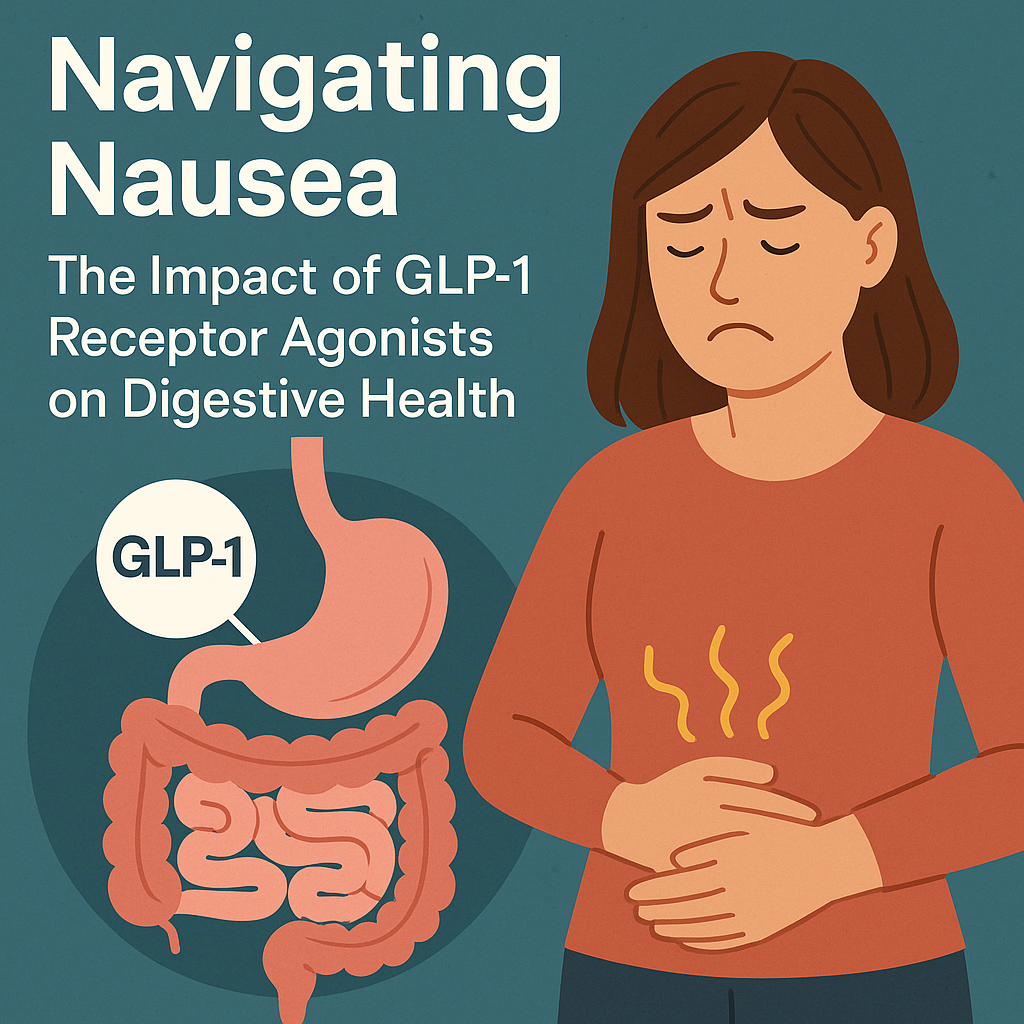
  • Navigating Nausea: The Impact of GLP-1 Receptor Agonists on Digestive Health

    Navigating Nausea: The Impact of GLP-1 Receptor Agonists on Digestive Health

    Introduction

    In recent years, GLP-1 (glucagon-like peptide-1) receptor agonists have gained significant attention in the management of type 2 diabetes and obesity. These medications not only help regulate blood sugar levels but also induce weight loss. However, one of the common side effects that patients may experience is gastrointestinal discomfort, particularly nausea. Understanding the relationship between GLP-1 receptor agonists and digestive health can empower patients and their healthcare providers to make informed decisions regarding treatment options.

    What are GLP-1 Receptor Agonists?

    GLP-1 receptor agonists are a class of medications that mimic the action of incretin hormones, which are released after eating. These hormones stimulate insulin secretion in response to glucose, inhibit glucagon release, slow gastric emptying, and promote satiety, making them invaluable in managing type 2 diabetes. Examples of GLP-1 receptor agonists include:

    • Exenatide (Byetta, Bydureon)
    • Liraglutide (Victoza, Saxenda)
    • Dulaglutide (Trulicity)
    • Semaglutide (Ozempic, Wegovy)

    These agents are typically prescribed alongside lifestyle interventions such as diet and exercise to enhance glycemic control and promote weight loss.

    Understanding Nausea as a Side Effect

    Despite their therapeutic benefits, many patients report experiencing nausea when starting GLP-1 receptor agonists. This adverse effect can significantly impact the quality of life and adherence to treatment. Nausea is often attributed to delayed gastric emptying, which is a physiological effect of these medications.

    When food stays in the stomach longer, it can lead to feelings of fullness and discomfort, triggering nausea. Studies indicate that nausea is most prevalent in the initial weeks of treatment and typically diminishes over time as the body adjusts to the medication.

    Mechanisms Behind Nausea

    The nausea induced by GLP-1 receptor agonists can be explained through various biological mechanisms:

    • Gastric Emptying: GLP-1 slows gastric emptying, which prolongs the time food spends in the stomach and can result in feelings of fullness and nausea.
    • Central Nervous System Effects: GLP-1 receptors in the brain may also influence the central pathways that regulate nausea and vomiting.
    • Interaction with Other Hormones: GLP-1 interacts with other gut hormones that regulate appetite and satiety, potentially amplifying sensations of nausea.

    Managing Nausea While on GLP-1 Receptor Agonists

    While nausea may be a common side effect, there are several strategies that patients can adopt to manage this discomfort:

    • Start Low, Go Slow: Gradually increasing the dose of GLP-1 receptor agonists can help the body acclimate to the new medication and minimize nausea.
    • Eat Smaller Meals: Consuming smaller, more frequent meals can reduce the load on the stomach, decreasing the likelihood of nausea.
    • Choose the Right Foods: High-fat and high-fiber foods may exacerbate nausea. Opt for bland and easy-to-digest foods when experiencing symptoms.
    • Stay Hydrated: Maintaining proper hydration can also mitigate feelings of nausea. Sufficient fluid intake can help stomach contents move more comfortably.
    • Taking Medications with Food: If permitted by the prescribing doctor, taking GLP-1 receptor agonists with food may help to counteract nausea.

    Long-Term Implications of Nausea

    While nausea is generally a transient side effect, its long-term implications can be significant for some patients. Chronic nausea may lead to:

    • Reduced Medication Adherence: Persistent nausea can discourage regular use of GLP-1 receptor agonists, jeopardizing glycemic control and weight management.
    • Impact on Quality of Life: The frustration and discomfort related to persistent nausea can affect daily activities, social interactions, and overall mental health.
    • Nutritional Deficiencies: If nausea leads to decreased appetite and food intake, patients may become at risk for deficiencies in vital nutrients.

    When to Consult a Healthcare Provider

    Patients experiencing nausea should feel empowered to communicate with their healthcare providers. It’s crucial to consult a provider if:

    • Nausea persists beyond the initial treatment phase.
    • Nausea is severe enough to cause vomiting or is influencing nutritional intake.
    • Other concerning symptoms develop, such as abdominal pain or unusual changes in bowel habits.
    • Medication adjustment or alternative treatments may be necessary.

    Conclusion

    GLP-1 receptor agonists present a beneficial pharmacological option for individuals managing type 2 diabetes and obesity. While nausea is a common side effect, understanding its mechanisms and an array of management strategies can empower patients in their treatment decisions. Open communication with healthcare providers is essential to navigate the challenges posed by nausea and to maximize the overall benefits of GLP-1 receptor agonists for digestive health.

    FAQs

    1. Are all patients on GLP-1 receptor agonists likely to experience nausea?

    No, while nausea is a common side effect, not all patients will experience it. Individual responses to medication can vary significantly.

    2. How long does nausea typically last when starting GLP-1 receptor agonists?

    Nausea often occurs during the first few weeks of treatment and may improve as the body adjusts. If nausea persists, it’s important to consult a healthcare provider.

    3. Can nausea lead to weight loss?

    While some weight loss can occur due to decreased appetite and food intake from nausea, it’s important to avoid unintentional or excessive weight loss that can lead to nutritional deficiencies.

    4. Are there any medications to help reduce nausea while on GLP-1 receptor agonists?

    Some anti-nausea medications may be prescribed by healthcare providers to help manage symptoms. Always consult a healthcare provider before adding any medications.

    5. What lifestyle changes can help mitigate nausea?

    Implementing a balanced diet, eating smaller meals, staying hydrated, and gradually increasing the dosage of GLP-1 receptor agonists can help manage nausea effectively.

    © 2023 Digestive Health Insights. All rights reserved.

  • Elevate Your Meal Plan: The Benefits of a High Protein GLP-1 Diet Explained

    Elevate Your Meal Plan: The Benefits of a High Protein GLP-1 Diet Explained

    Introduction

    In recent years, the emphasis on healthy eating has shifted significantly, focusing on how certain diets can improve overall health and well-being. One of the most effective regimes gaining traction is the high-protein GLP-1 diet. This approach not only aims at promoting weight loss but also enhances metabolic health, making it an appealing choice for many. In this article, we will explore the intricacies of the high-protein GLP-1 diet, its benefits, and how to effectively incorporate it into your meal plan.

    Understanding GLP-1

    GLP-1, or glucagon-like peptide-1, is a hormone produced in the intestines in response to food intake. Its primary role is to regulate appetite and insulin secretion, making it a key player in blood sugar management. Higher levels of GLP-1 trigger feelings of fullness, thereby reducing food intake and helping with weight management.

    A diet that supports GLP-1 production can lead to more stable blood sugar levels, reduced cravings, and ultimately a more controlled caloric intake. This is where the concept of combining high-protein foods with a GLP-1-focused diet comes into play.

    The Role of Protein

    Protein is essential for muscle repair, hormone production, and overall bodily functions. When incorporated into a meal plan, protein plays a significant role in enhancing satiety and promoting muscle growth, which is crucial for maintaining a healthy metabolism. High-protein meals tend to take longer to digest, leading to prolonged feelings of fullness.

    On average, a high-protein diet consists of at least 25% of daily caloric intake from protein sources, such as lean meats, fish, dairy products, legumes, and plant-based proteins. Not only does this provide the body with the necessary amino acids, but it also works synergistically with GLP-1 to promote better metabolic health.

    Benefits of a High-Protein GLP-1 Diet

    1. Enhanced Weight Loss

    Integrating high-protein foods into your meal plan boosts satiety, effectively curtailing hunger throughout the day. Research indicates that those on a high-protein diet tend to consume fewer calories overall, leading to gradual and sustainable weight loss.

    2. Improved Blood Sugar Control

    Foods high in protein can help regulate blood sugar levels. When consumed, protein triggers the release of GLP-1, which in turn slows down gastric emptying. This means sugars and carbohydrates enter the bloodstream more gradually, preventing insulin spikes and crashes.

    3. Muscle Preservation

    In weight loss scenarios, preserving lean muscle mass is essential. High-protein diets contribute to muscle retention while promoting fat loss. This is critical, especially for older adults, as it helps prevent sarcopenia or age-related muscle loss.

    4. Next-Level Satiety

    Studies have shown that high-protein meals lead to greater feelings of fullness compared to those rich in carbohydrates or fats. This added satiety helps reduce overall caloric intake, further supporting weight management goals.

    5. Improved Mood and Mental Clarity

    Protein is associated with the production of neurotransmitters that play a role in mood regulation. Moreover, stable glucose levels result from effective blood sugar control, helping to mitigate mood swings and promote mental clarity.

    How to Incorporate a High Protein GLP-1 Diet

    Choose High-Quality Protein Sources

    Opt for lean meats, fish, eggs, nuts, seeds, and legumes. Aim to include a source of protein at every meal to maximize its benefits.

    Incorporate Fiber-Rich Foods

    Combining high-protein foods with fiber-rich options such as vegetables, whole grains, and legumes further aids in digestion and helps sustain GLP-1 levels.

    Meal Prep for Success

    Preparation is key to maintaining a high-protein GLP-1 diet. Dedicate a day for meal prepping to ensure you have healthy options readily available, reducing the temptation of reaching for quick, less nutritious choices.

    Monitor Your Progress

    Keeping a food diary or using apps designed for tracking meals can help you stay accountable. Note how your body feels post-meals, your energy levels, and any changes in mood or hunger spikes.

    Consult a Healthcare Professional

    Before starting any new diet, especially one aimed at significant weight loss or health changes, consider seeking advice from a healthcare provider or a registered dietitian. This ensures the plan aligns with your personal health needs and goals.

    Conclusion

    Elevating your meal plan through a high protein GLP-1 diet can have numerous beneficial effects on your overall well-being. From enhanced weight loss and improved blood sugar control to better mood regulation, the potential advantages are compelling. This dietary approach not only aids in physical health but also supports mental clarity and emotional well-being. While transitioning to a high-protein GLP-1 diet may require some adjustments, the long-term benefits make it a worthwhile investment in your health journey.

    FAQs

    1. What foods are considered high in protein?

    Foods rich in protein include lean meats (like chicken and turkey), fish (like salmon and tuna), eggs, dairy products (like Greek yogurt and cottage cheese), legumes (like beans and lentils), nuts, and seeds.

    2. How does the GLP-1 diet aid in weight loss?

    The GLP-1 diet aids in weight loss by regulating appetite, improving insulin sensitivity, and promoting feelings of fullness, which reduces overall caloric intake.

    3. Are there any side effects of a high-protein diet?

    Some may experience digestive issues, such as constipation or increased protein in the kidneys. It’s important to include fiber and drink sufficient water to alleviate any such discomfort.

    4. Can I follow a high-protein GLP-1 diet if I’m vegetarian or vegan?

    Absolutely! Vegetarians and vegans can focus on high-protein plant foods like legumes, tofu, tempeh, quinoa, nuts, and seeds to maximize their protein intake without compromising their dietary preferences.

    5. How quickly can I expect results from a high-protein GLP-1 diet?

    Results may vary depending on individual goals, adherence to the diet, and physical activity levels. However, many people start to notice weight loss and other health improvements within a few weeks.

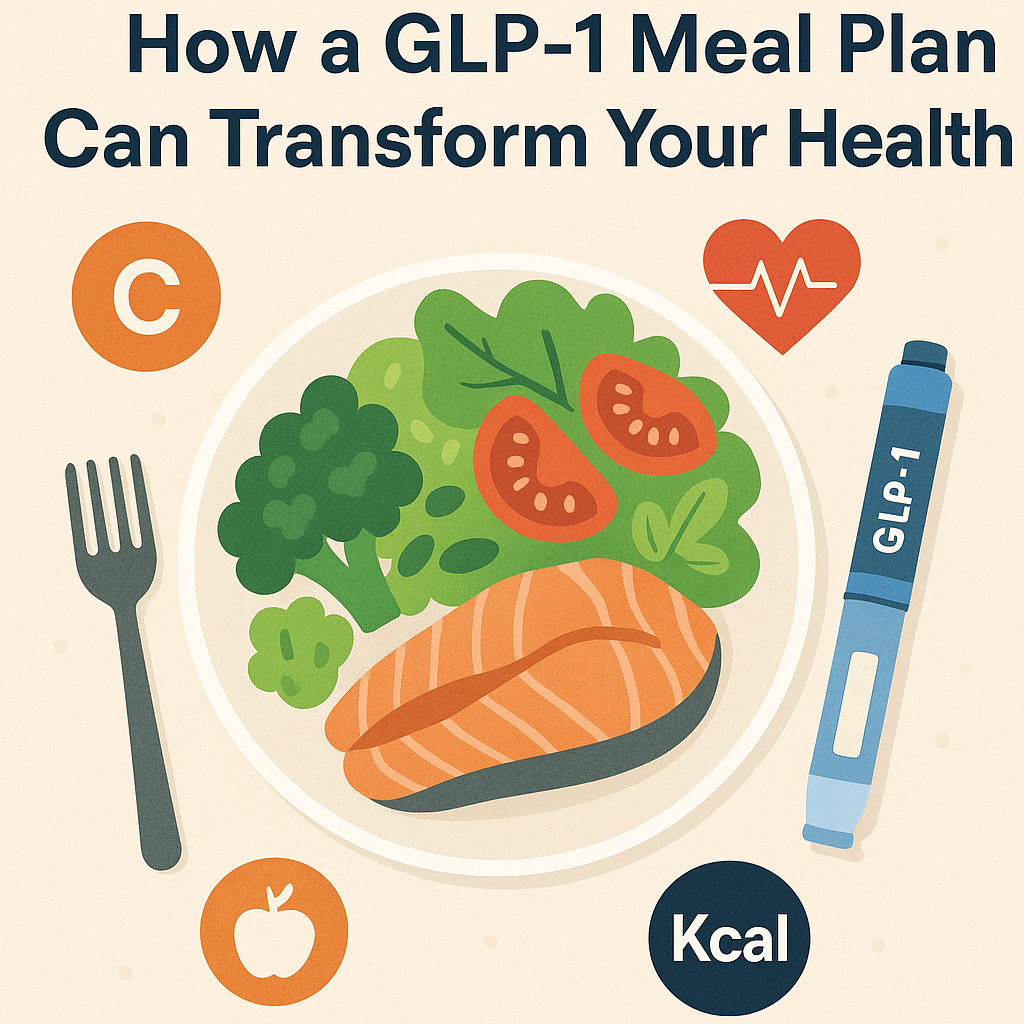
  • Eat Smart: How a GLP-1 Meal Plan Can Transform Your Health

    Eat Smart: How a GLP-1 Meal Plan Can Transform Your Health

    In recent years, the phenomenon of GLP-1 (Glucagon-Like Peptide-1) has gained considerable attention, particularly in the fields of nutrition and metabolic health. With the rising epidemic of obesity and diabetes, the importance of utilizing hormones like GLP-1 has become increasingly relevant. This article will explore what a GLP-1 meal plan entails, how it can transform your health, and the innovative ways in which it can promote sustainable weight loss and improved health outcomes.

    Understanding GLP-1

    GLP-1 is a hormone produced in the gut that plays a role in glucose metabolism. It is released in response to nutrient intake, particularly carbohydrates and fats. One of the primary functions of GLP-1 is to stimulate insulin secretion from the pancreas when blood sugar levels rise, thus helping to regulate glucose levels in the body. In addition to insulin secretion, GLP-1 also:

    • Suppresses glucagon secretion (another hormone that raises blood sugar levels)
    • Slows gastric emptying, which can help with satiety
    • Reduces appetite, which can lead to potential weight loss

    Because of its multiple pathways in regulating food intake and blood sugar levels, understanding GLP-1 is essential for anyone looking to improve their health through nutritional changes.

    The Benefits of a GLP-1 Meal Plan

    A GLP-1 meal plan focuses on foods that naturally stimulate the production of GLP-1 in your body. This can lead to significant health benefits, particularly for those struggling with weight management or metabolic disorders. Here are some of the key benefits of adopting such a meal plan:

    1. Weight Management

    One of the most significant advantages of a GLP-1 meal plan is its potential to support weight loss. By promoting feelings of fullness and reducing appetite, GLP-1 encourages more mindful eating. Foods that trigger GLP-1 release—such as high-fiber, low-glycemic index items—can help sustain energy levels while reducing excess calorie consumption.

    2. Improved Blood Sugar Control

    For individuals with type 2 diabetes or those at risk for the disease, managing blood sugar is crucial. A GLP-1 meal plan can assist in avoiding blood sugar spikes and crashes. Including foods that enhance GLP-1 secretion allows for better glucose regulation, making it easier to maintain stable energy levels throughout the day.

    3. Enhanced Overall Well-being

    Healthy eating fosters not just physical health but mental well-being as well. The dietary focus on whole, nutrient-rich foods can lead to improvements in mood and cognitive function. When you feel good physically, it translates into a more positive mindset, increased productivity, and better quality of life.

    What Does a GLP-1 Meal Plan Look Like?

    Building a GLP-1 meal plan involves selecting foods that boost GLP-1 production while avoiding those that suppress it. Here’s how to design your meal plan:

    1. Focus on High-Fiber Foods

    Fiber is a key component of a GLP-1 meal plan. Foods rich in fiber promote prolonged satiety and help manage blood sugar levels. Consider including the following:

    • Vegetables (especially leafy greens and cruciferous vegetables)
    • Whole grains (like oats, quinoa, and brown rice)
    • Legumes (beans, lentils, and chickpeas)

    2. Incorporate Healthy Fats

    Healthy fats, such as those found in avocados, nuts, and olive oil, can enhance GLP-1 secretion. These fats also promote feelings of fullness and provide essential nutrients. Try adding:

    • Avocados in salads or smoothies
    • Nuts as snacks or toppings for yogurt
    • Olive oil for salad dressings or cooking

    3. Lean Proteins

    Protein not only aids in muscle repair and recovery, but it can also enhance GLP-1 production. Include lean protein sources such as:

    • Chicken breast or turkey
    • Fish and seafood
    • Tofu or tempeh for plant-based options

    4. Limit Processed and Sugary Foods

    Processed foods and those high in added sugars can hinder GLP-1 function and contribute to weight gain and poor health. Aim to minimize the intake of:

    • Sugary snacks and sodas
    • Refined grains (white bread, pastries)
    • High-fat processed meats

    Making the Transition

    Shifting to a GLP-1 meal plan does not have to be overwhelming. Here are some practical tips for a smooth transition:

    1. Meal Prep

    Planning meals in advance can help ensure that you have GLP-1-friendly options readily available. Set aside a few hours each week to prepare meals and snacks for the coming days.

    2. Gradual Changes

    Instead of overhauling your diet overnight, consider making one or two small changes at a time. This could mean adding a serving of vegetables to your daily meals or swapping out white rice for quinoa.

    3. Stay Hydrated

    Hydration is an essential component of any meal plan. Drinking ample water can help regulate hunger signals and improve nutrient transport in the body.

    Conclusion

    Adopting a GLP-1 meal plan offers a scientific approach to transforming your health, particularly if you struggle with weight management or metabolic concerns. By focusing on high-fiber foods, healthy fats, and lean proteins, while minimizing processed items, you can harness the benefits of GLP-1 to improve your overall health. This nutritional strategy enables better blood sugar management, promotes satiety, and enhances overall well-being. Remember, the journey to improved health is a marathon, not a sprint. Small, consistent changes will lead to long-lasting results.

    FAQs

    What are GLP-1 medications?

    GLP-1 medications are drugs that mimic the action of the GLP-1 hormone. They are used primarily to manage type 2 diabetes and can also aid in weight loss. Examples include semaglutide and liraglutide.

    Can anyone use a GLP-1 meal plan?

    While GLP-1 meal plans can be beneficial for many, it is essential to consult with a healthcare professional before making significant dietary changes, especially for those with existing medical conditions.

    How long does it take to see results from a GLP-1 meal plan?

    Results can vary, but many people may start to see improvements in their energy levels, mood, and appetite control within a few weeks of adhering to a GLP-1 meal plan.

    Are there any risks associated with GLP-1 diets?

    Generally, a GLP-1 meal plan is safe for most people when focused on whole foods. However, some individuals may experience digestive discomfort when increasing fiber intake. It is crucial to introduce changes slowly and consult a healthcare provider if you have concerns.

    Can I follow a GLP-1 meal plan while being vegetarian or vegan?

    Absolutely! A GLP-1 meal plan can be easily tailored to vegetarian or vegan diets by focusing on plant-based proteins, whole grains, legumes, fruits, and vegetables.

    © 2023 Your Wellness Guide

  • The GLP-1 Diet: Transform Your Eating Habits for Lasting Weight Loss

    The GLP-1 Diet: Transform Your Eating Habits for Lasting Weight Loss

    In recent years, the GLP-1 diet has gained traction as an innovative approach to weight loss, rooted in both science and practical dietary changes. This article delves into the fundamentals of GLP-1, how the diet works, its potential benefits, and how you can integrate it into your lifestyle for sustainable weight loss.

    Understanding GLP-1

    GLP-1, or glucagon-like peptide-1, is a hormone produced in the intestines in response to food intake. Its primary roles include:

    • Stimulating insulin secretion when blood sugar levels rise.
    • Inhibiting glucagon release, which helps decrease blood sugar levels.
    • Slowing gastric emptying, leading to increased feelings of fullness.
    • Promoting satiety, thereby reducing overall food intake.

    Given these functions, enhancing the action of GLP-1 has become a key focus in obesity treatment and weight management. The GLP-1 diet emphasizes nutrient-dense foods that stimulate the body’s natural production of this hormone, leading to healthier eating habits and effective weight loss.

    Key Principles of the GLP-1 Diet

    The GLP-1 diet is not a fad; it’s a lifestyle approach that revolves around whole foods and conscious eating. Here are the key principles:

    1. Focus on Whole Foods

    Processed foods often spike blood sugar levels, leading to increased hunger. The GLP-1 diet emphasizes:

    • Fruits and vegetables
    • Whole grains
    • Lean proteins
    • Healthy fats

    2. Increase Fiber Intake

    High-fiber foods, such as legumes and whole grains, are crucial. Fiber increases fullness and regulates blood sugar levels, allowing our bodies to work naturally with GLP-1.

    3. Control Portion Sizes

    Portion control is essential for weight management. Understanding serving sizes and learning to listen to your hunger cues can prevent overeating.

    4. Stay Hydrated

    Drinking sufficient water throughout the day can support digestion and help you feel full. Sometimes, we confuse thirst with hunger, leading to unnecessary calorie intake.

    5. Mindful Eating

    Practicing mindful eating means paying attention to what you eat, enjoying each bite, and recognizing when you’re satisfied rather than stuffed.

    How GLP-1 Diet Works for Weight Loss

    The mechanisms behind the GLP-1 diet make it an effective strategy for weight loss. By enhancing the effects of GLP-1 in the body, this diet leads to:

    • Reduced appetite, which directly translates to lower calorie consumption.
    • Improved insulin sensitivity, aiding in the management of blood sugar levels.
    • Empowerment through healthier food choices, encouraging individuals to gravitate towards nutritious foods rather than empty calories.

    Incorporating the GLP-1 Diet into Your Daily Life

    Making dietary changes can seem daunting, but gradually incorporating the GLP-1 principles can yield transformative results:

    1. Meal Planning

    Plan your meals to include a variety of nutrient-dense foods. Preparing snacks ahead of time can reduce the temptation to reach for unhealthy options when hunger strikes.

    2. Cooking at Home

    Home-cooked meals allow you to control the quality and quantity of your ingredients. Experiment with new recipes that align with the GLP-1 diet philosophy.

    3. Tracking Progress

    Keeping a food diary can help you monitor your food intake and emotional relationship with food. Observing patterns can support your commitment to healthier choices.

    4. Finding Support

    Consider joining a community or support group focused on weight loss and healthy eating. Sharing experiences can enhance motivation and accountability.

    5. Consult a Professional

    For personalized guidance, consider consulting a registered dietitian or nutritionist. They can help tailor the GLP-1 diet to your specific needs and preferences.

    Potential Benefits of the GLP-1 Diet

    The benefits of the GLP-1 diet extend beyond weight loss. Some of the key advantages include:

    • Improved metabolic health
    • Better regulation of blood sugar levels, which is critical for those with prediabetes or diabetes
    • Lower risk of weight-related diseases, such as hypertension and heart disease
    • Enhanced overall well-being and energy levels

    Challenges While Following the GLP-1 Diet

    Like any dietary approach, challenges may arise when implementing the GLP-1 diet:

    • Cravings for processed foods may emerge, making it crucial to find healthier alternatives.
    • Social situations often include unhealthy foods, requiring forethought and preparation.
    • Adjusting to new eating habits may take time and perseverance.

    Conclusion

    The GLP-1 diet offers a scientifically backed approach to transforming your eating habits and achieving lasting weight loss. By focusing on whole foods, mindful eating, and supporting your body’s natural GLP-1 production, you can make sustainable changes to your lifestyle. Remember, the journey to better health is a marathon, not a sprint, and gradual implementation of these principles can lead to powerful results. Listen to your body, stay committed to your goals, and embrace the positive changes coming your way.

    FAQs

    1. Can I combine the GLP-1 diet with other weight loss strategies?

    Yes, the GLP-1 diet can complement other strategies like exercise and behavior modification. Always consult a healthcare professional before making significant changes.

    2. Is the GLP-1 diet suitable for everyone?

    While the principles can benefit many, consulting a healthcare provider is essential, especially for those with specific medical conditions or dietary restrictions.

    3. How quickly can I expect to see results from the GLP-1 diet?

    Results vary based on individual commitment and metabolism. Typically, with consistency, you may begin to notice changes within a few weeks.

    4. Are there any foods to avoid on the GLP-1 diet?

    It’s best to limit processed foods high in sugar and unhealthy fats, as well as refined carbohydrates that can interfere with GLP-1’s effectiveness.

    5. Can children follow the GLP-1 diet?

    Children can benefit from a diet rich in nutrients, but it’s essential to consult with a pediatric nutritionist for tailored advice suitable for their growth and development.

    © 2023 GLP-1 Diet Community. All rights reserved.

  • Customized Care: How Compounded Tirzepatide is Tailoring Diabetes Treatment

    Customized Care: How Compounded Tirzepatide is Tailoring Diabetes Treatment

    Diabetes management is a complex area in healthcare, necessitating a tailored approach to meet individual patient needs. Traditional therapies offer significant benefits, yet not every patient responds favorably to them. This is where compounded medications, like tirzepatide, come into play, providing customized solutions that enhance treatment efficacy and patient adherence.

    Understanding Diabetes and Its Treatment Challenges

    Diabetes is a chronic condition characterized by elevated blood sugar levels due to inadequate insulin production or insulin resistance. According to the World Health Organization (WHO), diabetes affects over 422 million people globally. Managing diabetes involves a comprehensive plan that includes lifestyle changes, monitoring of blood glucose levels, and pharmacological interventions.

    Several classes of medications exist for diabetes management, including:

    • Insulin
    • GLP-1 receptor agonists
    • SGLT2 inhibitors
    • Metformin

    While these medications have proven effective, they may not suit everyone. Issues such as side effects, pill burden, or specific health conditions lead many patients to seek alternative avenues. This is where compounded medications come into play, as they offer customizable formulations tailored to individual needs.

    What is Tirzepatide?

    Tirzepatide is a novel medication developed to mimic the body’s natural incretin hormones, which help manage blood sugar levels. It targets both GLP-1 and GIP receptors, offering combined benefits such as improved glucose control, weight loss, and reduced cardiovascular risks. The FDA approved tirzepatide for the treatment of type 2 diabetes in adults in 2022, presenting a powerful option in the arsenal against diabetes.

    While tirzepatide’s clinical formulations have shown great promise, some patients may experience challenges with dosage or delivery. This is where customized, compounded tirzepatide comes into play.

    The Role of Compounding in Authentic Treatment

    Compounding is the practice of tailoring medications to meet the unique needs of individual patients. Compounded tirzepatide can take various forms, such as injectables, oral forms, or alternative dosing schedules, providing flexibility that traditional formulations often cannot.

    Some examples of compounded tirzepatide adaptations include:

    • Adjustable dosing based on blood sugar metrics
    • Combination therapies with other diabetes medications
    • Customized delivery methods, such as subcutaneous injections or oral forms for patients who dislike injections

    The compounding process involves licensed pharmacists working closely with healthcare providers to develop individualized therapies that consider a patient’s unique health profile, preferences, and lifestyle factors.

    Benefits of Compounded Tirzepatide

    Compounded tirzepatide presents several potential advantages:

    • Tailored Dosage: Individualized dosing can maximize therapeutic effects while minimizing side effects.
    • Reduced Side Effects: Patients who have reacted negatively to standard formulations may find a compounded version more tolerable.
    • Improved Adherence: Custom formulations can enhance patient comfort, leading to better adherence to treatment plans.
    • Alternative Forms: Patients can benefit from different delivery methods that may be easier to integrate into their daily routine.

    Identifying Candidates for Compounded Tirzepatide

    Not every patient will need compounded tirzepatide, but specific factors can indicate its necessity:

    • Patients who experience side effects from approved medications
    • Individuals with unique health conditions requiring modified delivery methods
    • Patients whose diabetes is difficult to control with standard therapies
    • Those requiring custom dosing regimens due to blood glucose fluctuations

    Healthcare providers can assess individual circumstances and make informed recommendations when considering compounded tirzepatide as part of a diabetes management journey.

    Challenges and Considerations in Compounding

    While compounding offers several benefits, it is essential to realize that it also comes with challenges:

    • Regulation: Compounded medications are regulated differently than commercially available drugs, presenting potential quality concerns.
    • Cost: Compounded formulas may not always be covered by insurance, affecting treatment accessibility.
    • Availability: Not all pharmacies provide compounding services, necessitating research to find suitable options.

    These challenges underscore the importance of engaging in open dialogue with healthcare providers to ensure both safety and effectiveness in compounded therapies.

    Conclusion

    Customized care represents a distinct evolution in diabetes management, allowing for a personalized approach that can significantly impact patient outcomes. Compounded tirzepatide not only addresses the specific needs of individuals but also aligns with a broader movement towards precision medicine. By recognizing the unique requirements of each patient, healthcare providers can facilitate tailored treatment approaches that enhance therapeutic efficacy, minimize adverse effects, and ultimately improve the quality of life for those living with diabetes.

    As we endeavor to fine-tune diabetes treatment through innovative solutions like compounded medications, it is essential to continue researching their effectiveness and integrating patient perspectives into healthcare decision-making. The future of diabetes care lies in understanding that, while effective treatments exist, personalization is key in turning potential into reality.

    Frequently Asked Questions (FAQs)

    1. What makes compounded tirzepatide different from standard tirzepatide?

    Compounded tirzepatide is tailored to an individual’s unique needs, including dosage adjustments, alternative delivery forms, and combinations with other therapies. Standard tirzepatide comes in a one-size-fits-all formulation that may not suit every patient.

    2. Are compounded medications safe?

    Compounded medications can be safe when prepared by licensed pharmacists following regulatory guidelines. However, it’s important to ensure that the compounding pharmacy follows stringent safety and quality standards.

    3. How do I find a pharmacy that compounds tirzepatide?

    Consult your healthcare provider for recommendations, as they often have connections with reputable compounding pharmacies. You can also search online for compounding pharmacies in your state or region.

    4. Will my insurance cover compounded tirzepatide?

    Insurance coverage for compounded medications can vary widely. It is advisable to check with your insurance provider regarding coverage specifics and requirements for compounded drugs.

    5. Can I switch between standard and compounded tirzepatide?

    Switching between formulations should always be discussed with your healthcare provider. They can assist in monitoring any necessary adjustments to ensure continued effective management of your diabetes.

    © 2023 Customized Care in Diabetes Treatment