Category: Fitness Tips

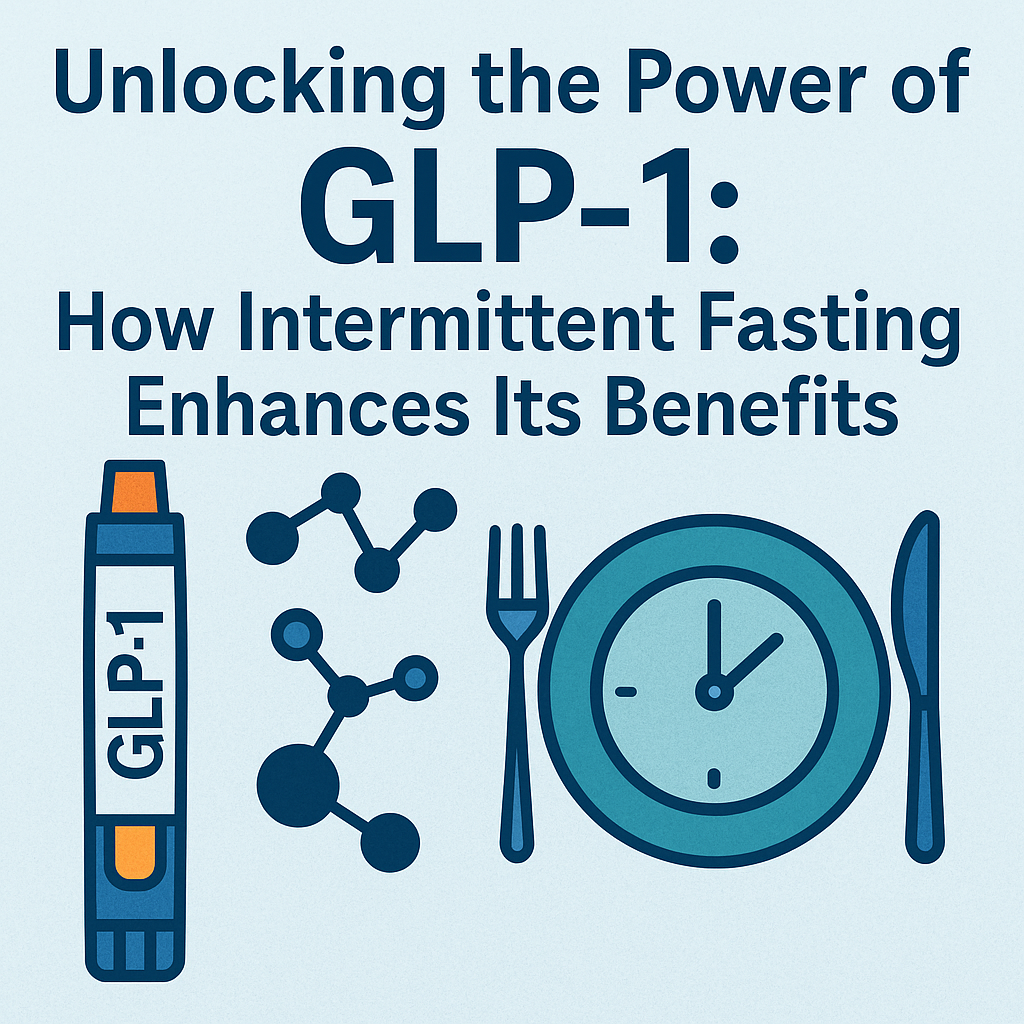
  • Unlocking the Power of GLP-1: How Intermittent Fasting Enhances Its Benefits

    Unlocking the Power of GLP-1: How Intermittent Fasting Enhances Its Benefits

    The landscape of health and wellness is constantly evolving, especially in terms of weight management and metabolic health. One of the most intriguing advancements in recent years is the research surrounding Glucagon-Like Peptide-1 (GLP-1). This incretin hormone plays a crucial role in insulin secretion, gut motility, and appetite regulation. This article delves into the potential benefits of GLP-1 and how intermittent fasting can significantly enhance its effectiveness.

    Understanding GLP-1

    GLP-1 is a peptide hormone produced in the intestines and is part of the incretin family. When we eat, GLP-1 is released, helping to regulate blood sugar levels by:

    • Stimulating insulin secretion from the pancreas.
    • Inhibiting glucagon release, which helps to prevent the liver from producing too much glucose.
    • Reducing appetite by acting on brain receptors.
    • Slowing down gastric emptying to promote satiety.

    The overall effect of GLP-1 promotes better glucose control and contributes to weight loss, making it a focal point in the treatment of type 2 diabetes and obesity.

    The Science Behind Intermittent Fasting

    Intermittent fasting (IF) is not merely a diet; it’s a lifestyle that alternates between periods of eating and fasting. Popular approaches include the 16/8 method, where individuals fast for 16 hours and eat within an 8-hour window, and the 5:2 diet, where caloric intake is reduced on two non-consecutive days of the week.

    The underlying science of intermittent fasting suggests that it may have various health benefits, including:

    • Improved insulin sensitivity.
    • Increased fat oxidation.
    • Enhanced cellular repair processes.
    • Reduction in inflammation.

    But how does this relate to GLP-1?

    The Connection Between Intermittent Fasting and GLP-1

    Research indicates that intermittent fasting can boost the secretion and activity of GLP-1. Here’s how:

    • Increased Secretion: Fasting periods can stimulate the release of GLP-1, especially when coupled with a proper diet. This elevation can last well into the eating window, maximizing the benefits of GLP-1.
    • Greater Satiety: By prolonging the fasting state, the body may become more sensitive to GLP-1, amplifying its effects on appetite suppression and promoting overall caloric reduction.
    • Improved Insulin Sensitivity: Intermittent fasting can enhance insulin sensitivity, synergizing with the insulin-releasing properties of GLP-1, further contributing to stable blood sugar levels.

    Maximizing the Benefits of GLP-1 Through Intermittent Fasting

    For individuals looking to leverage the benefits of GLP-1 through intermittent fasting, integrating these practices can be invaluable:

    1. Choose the Right Fasting Protocol

    Selecting the right fasting method is crucial. Individual preferences and lifestyles should dictate the approach. Popular formats include:

    • 16/8 method: Fast for 16 hours and eat for 8.
    • 5:2 method: Eat normally for five days and restrict calories on two non-consecutive days.
    • 24-hour fasts: Once or twice a week, skip meals for a full 24 hours.

    2. Optimize Meal Quality

    The quality of the foods consumed during the eating window can influence GLP-1 effectiveness. Foods rich in fiber, healthy fats, and protein can enhance GLP-1 secretion. Consider including:

    • Leafy greens and fruits (fiber-rich).
    • Nuts and seeds (healthy fats).
    • Lean proteins (chicken, fish, legumes).

    3. Stay Hydrated

    Hydration is essential, especially during fasting periods. Water not only supports metabolic functions but can also help manage appetite and improve overall wellness. Herbal teas or black coffee can also be consumed during fasting periods without breaking the fast.

    4. Monitor Physical Activity

    Incorporate regular physical activity to amplify the effects of GLP-1 and intermittent fasting. Moderate exercise can improve insulin sensitivity, enhance GLP-1 release, and facilitate better fat oxidation.

    Potential Risks and Considerations

    While the combination of GLP-1 activation and intermittent fasting shows promise, it’s essential to approach this lifestyle change thoughtfully. Possible risks can include:

    • Hypoglycemia: For those on diabetes medication, fasting can increase the risk of low blood sugar. Always consult a healthcare provider before making changes.
    • Nutrient Deficiencies: Restricting eating periods can lead to insufficient nutrient intake. A well-planned diet is essential.
    • Disordered Eating: Fasting can sometimes trigger unhealthy relationships with food for some individuals. Psychological considerations should be taken into account.

    Conclusion

    Unlocking the potential of GLP-1 through intermittent fasting presents an exciting opportunity for improved metabolic health and effective weight management. By understanding how GLP-1 operates and how intermittent fasting can augment its benefits, individuals can develop a well-rounded approach to health.

    However, as with any lifestyle modification, personal experimentation and consultation with medical professionals are key to ensuring a safe and effective strategy. As research continues to unfold, the synergy between GLP-1 and intermittent fasting may pave the way for innovative interventions in dealing with obesity and managing diabetes.

    1. What is GLP-1?

    GLP-1 is a hormone produced in the intestines that plays a vital role in glucose metabolism by enhancing insulin secretion and reducing appetite.

    2. How does intermittent fasting help with weight loss?

    Intermittent fasting may lead to reduced calorie intake, improved insulin sensitivity, and enhanced fat oxidation, contributing to weight loss.

    3. Can everyone practice intermittent fasting?

    While many can safely practice intermittent fasting, individuals with certain medical conditions, especially those on medication for diabetes, should consult healthcare providers before starting.

    4. Are there any side effects of intermittent fasting?

    Potential side effects include low blood sugar, fatigue, and irritability. Proper planning and monitoring can help manage these risks.

    5. How can I ensure I’m getting enough nutrients while fasting?

    Focus on nutrient-dense foods during eating windows, and consider a varied diet rich in fruits, vegetables, proteins, and healthy fats to prevent deficiencies.

    © 2023 Health and Wellness Insights. All rights reserved.

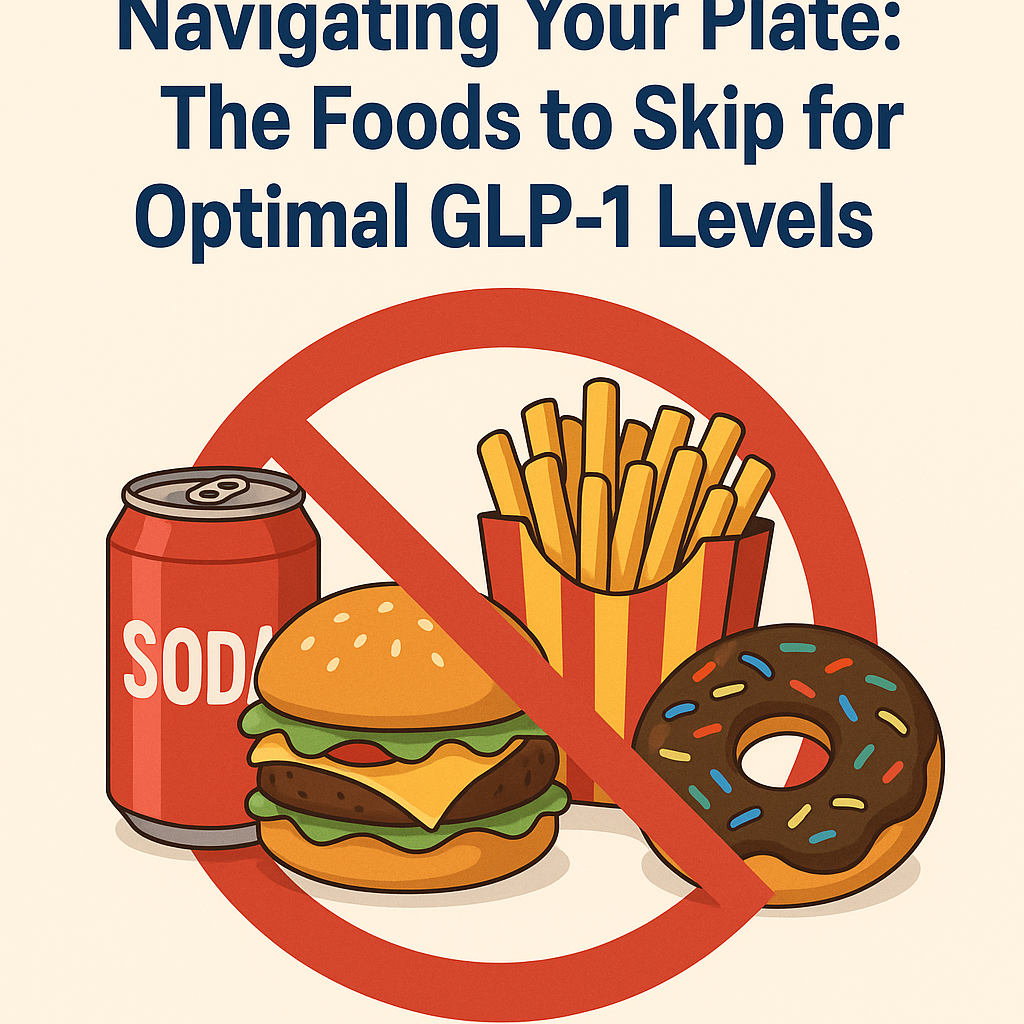
  • Navigating Your Plate: The Foods to Skip for Optimal GLP-1 Levels

    Navigating Your Plate: The Foods to Skip for Optimal GLP-1 Levels

    Glucagon-like peptide-1 (GLP-1) is a critical hormone in the regulation of glucose metabolism and appetite. It plays a vital role in enhancing insulin secretion, inhibiting glucagon release, and promoting satiety. Individuals looking to improve their GLP-1 levels must consider their dietary habits. The foods we consume can significantly affect our hormonal balance, and certain foods should be minimized or avoided altogether to optimize GLP-1 levels.

    Understanding GLP-1 and Its Importance

    GLP-1 is secreted by the intestinal cells in response to nutrient intake, particularly carbohydrates and fats. Its primary functions include:

    • Enhancing insulin secretion in response to meals.
    • Inhibiting glucagon release, helping to lower blood glucose levels.
    • Slowing gastric emptying, which increases feelings of fullness.
    • Regulating appetite and food intake.

    Optimizing GLP-1 levels can aid in weight management, improve glycemic control, and potentially lower the risk of Type 2 diabetes and cardiovascular diseases. To achieve these benefits, certain food choices should be prioritized while others should be reduced or eliminated.

    Foods to Skip for Optimal GLP-1 Levels

    1. Highly Processed Sugars

    Foods high in refined sugars can lead to rapid spikes in blood glucose levels, which may negatively affect GLP-1 secretion. Common culprits include:

    • Soft drinks and energy drinks
    • Pastries and cakes
    • Candy and chocolate bars

    These sugary foods can trigger insulin resistance over time, further disrupting GLP-1 levels and overall metabolic health. Opt instead for naturally sweet alternatives like fruits, which can help maintain blood sugar stability while providing essential vitamins and minerals.

    2. Refined Carbohydrates

    Refined carbohydrates, such as white bread, pasta, and pastries, are stripped of fiber and nutrients during processing. They cause similar blood sugar spikes as refined sugars. These foods have a high glycemic index, promoting rapid increases in blood glucose and ultimately leading to insulin resistance.

    Instead of refined carbs, focus on whole grains like quinoa, brown rice, and oats, which provide fiber and nutrients important for GLP-1 secretion.

    3. Trans Fats

    Trans fats, often found in partially hydrogenated oils used in many packaged snacks, fried foods, and baked goods, are linked to various health issues, including heart disease and inflammation.

    Consumption of trans fats has been demonstrated to disrupt normal GLP-1 secretion and reduce satiety signals, potentially leading to overeating. Choosing healthy fats from sources like avocados, nuts, and olive oil can support GLP-1 levels instead.

    4. High-Fat Dairy Products

    Full-fat dairy can be high in saturated fats, which might negatively impact insulin sensitivity and GLP-1 levels. While dairy can be part of a healthy diet, opting for lower-fat or fat-free options can be beneficial. Choices like Greek yogurt or low-fat milk can provide protein and calcium without the added saturated fat.

    5. Saturated Fats from Animal Sources

    Foods high in saturated fat, such as fatty cuts of meat, processed meats, and full-fat dairy products, have been shown to impair GLP-1 responses. A diet high in these fats can lead to increased inflammatory markers, further reducing the effectiveness of GLP-1.

    Instead, choose lean proteins like chicken, fish, or plant-based sources such as legumes and beans to support healthy GLP-1 levels while providing essential nutrients.

    6. High-Calorie Snack Foods

    Chips, crackers, and other high-calorie snack foods often contain unhealthy fats and refined carbs. These snacks can lead to excessive calorie intake without providing adequate nutrition, which can affect GLP-1 levels considerably.

    Opt for healthy snacks like raw vegetables, nuts, or air-popped popcorn to keep hunger at bay while supporting better GLP-1 secretion.

    7. Sweetened Beverages

    Beverages high in added sugars can contribute to increased calorie intake without promoting fullness. They can interfere with GLP-1 secretion and impact overall metabolic health.

    Consider replacing sugary drinks with water, herbal teas, or infused water for hydration without the added sugars.

    Foods to Embrace for Optimal GLP-1 Levels

    While knowing what to avoid is important, it’s equally essential to embrace foods that can naturally enhance GLP-1 levels. Some beneficial food selections include:

    • Fruits and Vegetables: Whole fruits like berries and leafy greens are rich in fiber and nutrients that stimulate GLP-1 secretion.
    • Whole Grains: Foods like oatmeal, brown rice, and barley provide fiber, which promotes satiety and healthy gut bacteria.
    • Healthy Fats: Fatty fish, avocados, and nuts help improve satiety and support overall health.
    • Legumes: Beans, lentils, and chickpeas are excellent sources of protein and fiber, contributing to GLP-1 secretion.

    Conclusion

    Navigating your plate for optimal GLP-1 levels involves mindful eating and making informed food choices. By minimizing or eliminating foods high in added sugars, refined carbohydrates, trans fats, and unhealthy fats, you can support your body’s natural GLP-1 production.

    Incorporating whole, nutrient-dense foods into your diet will not only enhance GLP-1 levels but can also contribute to overall well-being, weight management, and reduced risk of chronic diseases.

    Ultimately, adopting a balanced approach that focuses on the quality of your diet can lead to better health outcomes and improved metabolic functions.

    FAQs

    What is GLP-1?

    GLP-1, or glucagon-like peptide-1, is a hormone that helps regulate appetite, insulin secretion, and blood glucose levels. It is released in response to food intake.

    How can I naturally increase my GLP-1 levels?

    You can naturally increase GLP-1 levels by consuming a diet rich in fiber, whole grains, lean proteins, and healthy fats while avoiding processed foods and sugars.

    What are the risks of low GLP-1 levels?

    Low GLP-1 levels can lead to increased hunger, poorer blood sugar control, higher risk of insulin resistance, and potential weight gain.

    Can I still eat carbohydrates with the goal of improving GLP-1?

    Yes, but it is essential to focus on complex carbohydrates that are high in fiber, such as whole grains and legumes, rather than refined carbohydrates.

    Is it necessary to eliminate all sugars from my diet for better GLP-1 levels?

    While it is not necessary to eliminate all sugars, you should minimize added sugars, especially from processed foods, and opt for naturally occurring sugars found in fruits.

    © 2023 Health and Wellness Articles. All rights reserved.

  • Eating for Hormonal Health: A Deep Dive into GLP-1 Foods

    Eating for Hormonal Health: A Deep Dive into GLP-1 Foods

    Hormones play a crucial role in regulating numerous bodily functions, including metabolism, mood, and reproductive health. One hormone that has garnered significant attention in recent years is Glucagon-like peptide-1 (GLP-1). This incretin hormone is released after eating and is vital for insulin regulation, appetite control, and glucagon secretion. Understanding how to influence GLP-1 levels through diet can significantly impact overall health, particularly for those dealing with conditions like obesity or type 2 diabetes. In this article, we will explore foods that promote GLP-1 secretion and their benefits as part of a balanced diet aimed at hormonal health.

    What is GLP-1?

    GLP-1 is a peptide hormone produced in the intestines and plays an essential role in glucose metabolism. It helps lower blood sugar levels in two ways: it stimulates insulin secretion in response to food intake and inhibits glucagon release, which prevents the liver from producing excess glucose. Moreover, GLP-1 has been found to enhance feelings of satiety, leading to reduced calorie intake. Over the years, its therapeutic potential has made GLP-1 analogs popular for managing type 2 diabetes and obesity.

    The Importance of GLP-1 in Hormonal Balance

    Maintaining balanced GLP-1 levels contributes to overall hormonal health, especially in relation to appetite regulation and weight management. Low levels of GLP-1 can lead to increased appetite and challenges in glucose control, exacerbating conditions linked to hormonal imbalance. By focusing on foods that naturally promote GLP-1 production, we can support our hormonal health more effectively.

    What Foods Boost GLP-1 Levels?

    Eating a diet rich in specific foods can enhance GLP-1 secretion. Here are some key food groups and examples that have shown promising effects:

    1. Fermented Foods

    Fermented foods such as yogurt, kefir, kimchi, and sauerkraut contain probiotics that improve gut health. A healthy gut microbiome is linked to higher GLP-1 levels. Probiotic-rich foods can aid in better digestion and nutrient absorption, further influencing GLP-1 secretion positively.

    2. Healthy Fats

    Fats play a critical role in GLP-1 secretion. Foods rich in omega-3 fatty acids such as fish, flaxseeds, and walnuts have displayed the potential to increase GLP-1 levels. These healthy fats not only support hormonal health but also provide essential nutrients and reduce inflammation.

    3. High-Fiber Foods

    Fiber-rich foods such as whole grains, legumes, fruits, and vegetables can slow digestion and promote feelings of fullness. When fiber is fermented in the gut, it produces short-chain fatty acids (SCFAs), which are known to stimulate GLP-1 secretion. Eating a variety of fiber-rich foods helps maintain GLP-1 levels and improve overall metabolic health.

    4. Protein Sources

    Incorporating lean proteins such as chicken, turkey, tofu, and legumes into your diet helps promote GLP-1 secretion. Protein digestion has a unique impact on GLP-1 levels due to the amino acids produced during digestion. Including adequate protein in your meals encourages satiety, reducing the urge to overeat.

    5. Low Glycemic Index (GI) Foods

    Foods with a low glycemic index such as sweet potatoes, legumes, and most fruits help maintain steady blood sugar levels. Stable blood sugar levels prevent spikes in insulin, which supports GLP-1 secretion. Eating low-GI foods may also help manage weight by reducing insulin resistance and enhancing satiety.

    6. Dark Chocolate

    Surprisingly, dark chocolate is also associated with GLP-1 secretion. Rich in flavonoids, dark chocolate helps improve insulin sensitivity and may enhance the action of GLP-1. Consuming dark chocolate in moderation can be a satisfying way to incorporate GLP-1-promoting foods into your diet.

    Creating Balanced Meals for Hormonal Health

    To optimize GLP-1 production through diet, consider incorporating a balanced combination of the above food groups into your meals. Here are some sample meal ideas:

    Breakfast

    Start your day with Greek yogurt topped with berries and a sprinkle of chia seeds. This meal combines protein, fiber, and healthy fats, setting a solid foundation for balanced GLP-1 levels.

    Lunch

    A quinoa salad with chickpeas, diced vegetables, olive oil, and lemon juice provides a nutrient-dense option rich in protein, healthy fats, and fiber.

    Dinner

    Grilled salmon served with roasted sweet potatoes and steamed broccoli makes for a delicious and GLP-1-friendly dinner. The addition of olive oil and spices enhances flavor while promoting hormonal balance.

    Snack Options

    Snacking on almonds, apple slices with nut butter, or hummus with carrot sticks can help sustain GLP-1 levels throughout the day, preventing energy crashes and overeating at mealtimes.

    The Role of Lifestyle in Hormonal Health

    While diet plays a crucial role in boosting GLP-1 levels, lifestyle factors such as regular exercise, stress management, and adequate sleep are equally important. Incorporating physical activity into your routine can enhance GLP-1 secretion and promote overall well-being. Additionally, practices like yoga, meditation, and mindfulness can help manage stress, which is essential for maintaining hormonal balance.

    Conclusion

    Eating for hormonal health, particularly through the promotion of GLP-1 levels, involves thoughtful food choices that prioritize gut health, balanced macronutrients, and mindful eating practices. Incorporating fermented foods, healthy fats, high-fiber foods, lean proteins, and low-GI options into your diet can help enhance GLP-1 secretion, regulate appetite, and maintain stable blood sugar levels. By combining a supportive diet with healthy lifestyle habits, you can significantly improve your hormonal health and overall well-being.

    FAQs

    1. What is GLP-1, and why is it important?

    GLP-1 is an incretin hormone that plays a vital role in regulating blood sugar levels, appetite, and insulin secretion. It helps lower blood sugar levels, making it essential for metabolic health.

    2. Can certain foods help increase GLP-1 levels?

    Yes, foods that are high in fiber, healthy fats, protein, and probiotics can naturally stimulate GLP-1 secretion, supporting better metabolic health.

    3. How does a high-fiber diet influence GLP-1 levels?

    A high-fiber diet promotes the production of short-chain fatty acids during fermentation in the gut, which can stimulate GLP-1 secretion and improve satiety.

    4. Is it possible to enhance GLP-1 levels through lifestyle changes?

    Yes, adopting a balanced diet alongside regular physical activity and stress management practices can help enhance GLP-1 levels and promote overall hormonal health.

    5. Should I consult a healthcare professional before changing my diet for hormonal health?

    It’s always a good idea to consult with a healthcare professional, particularly if you have underlying health conditions or specific dietary needs. They can provide personalized guidance based on your unique situation.

  • From Garden to Gut: How Natural GLP-1 Can Transform Your Diabetes Management

    From Garden to Gut: How Natural GLP-1 Can Transform Your Diabetes Management

    Diabetes management presents a unique set of challenges that require comprehensive strategies for effective control of blood sugar levels. While traditional medications play a critical role, there is a growing interest in natural remedies, particularly in the manipulation of gut hormones like Glucagon-Like Peptide-1 (GLP-1). This article explores the relationship between GLP-1, its natural sources, and how it can help manage diabetes symptoms more effectively.

    Understanding GLP-1 and Its Role in Diabetes

    GLP-1 is an incretin hormone produced in the intestines. It plays a crucial role in glucose metabolism by increasing insulin secretion in response to meals and managing blood sugar levels post-consumption. Furthermore, GLP-1 diminishes glucagon secretion, which in turn lowers glucose production in the liver and contributes to satiety—a vital factor in weight management.

    In individuals with type 2 diabetes, the secretion of GLP-1 is often impaired, leading to poor blood sugar control. This is where exogenous GLP-1 receptor agonists come into play. However, there’s increasing evidence supporting the concept that enhancing natural GLP-1 levels through dietary interventions can provide significant benefits for diabetes management.

    The Sources of Natural GLP-1

    Natural GLP-1 levels can be influenced significantly by the foods we consume. The following groups of foods are known to boost GLP-1 secretion:

    1. High-Fiber Foods

    Dietary fiber slows digestion and prolongs the feeling of fullness, which subsequently enhances GLP-1 secretion. Foods rich in fiber include:

    • Fruits like apples and berries
    • Vegetables such as broccoli, spinach, and carrots
    • Whole grains including oats, barley, and quinoa
    • Legumes like lentils, beans, and chickpeas

    2. Fermented Foods

    Fermented foods support gut health, which in turn influences hormone secretion. Popular fermented foods include:

    • Yogurt and kefir
    • Sauerkraut and kimchi
    • Tempeh and miso

    3. Protein-Rich Foods

    High-quality protein sources contribute to feeling full, exerting additional effects on GLP-1 levels. Opt for:

    • Fish and lean meats
    • Nuts and seeds
    • Plant-based proteins such as tofu and edamame

    4. Healthy Fats

    Monounsaturated and polyunsaturated fats can help control appetite and enhance GLP-1 release. Include:

    • Avocados
    • Olive oil
    • Nuts and fatty fish like salmon

    Integrating Natural GLP-1 Sources into Your Diet

    For effective diabetes management, integrating these foods into a balanced meal plan is essential. The following strategies can enhance your dietary approach:

    Meal Planning

    Plan meals that create a balance between protein, healthy fats, and high-fiber carbohydrates. A typical meal may include grilled salmon (protein), quinoa (whole grain), and steamed broccoli (vegetable).

    Portion Control

    Adopting an approach to portion sizes is crucial, particularly with calorie-dense foods. This helps maintain satiety without excessive caloric intake, crucial for weight management

    Mindful Eating

    Encouraging mindfulness during meals can positively impact digestion and hormone secretion. Take time to chew food adequately and savor flavors.

    The Impact of Natural GLP-1 on Diabetes Management

    Several studies have highlighted the potential benefits of increasing GLP-1 levels through dietary modifications:

    1. Improved Glycemic Control

    Natural GLP-1 can enhance insulin secretion and diminish glucagon levels, leading to lower blood sugar levels after meals. This physiological response is vital for diabetic individuals in managing glucose spikes.

    2. Weight Loss

    Foods that boost GLP-1 levels are often satiating and nutrient-dense, supporting weight loss goals. Individuals with type 2 diabetes who are overweight may find enhanced GLP-1 secretion beneficial for initiating weight loss.

    3. Cardiovascular Health

    Research indicates improvements in cardiovascular health markers when individuals focus on high-fiber, whole-food diets that promote GLP-1 release. This aspect is crucial for diabetes patients who are at heightened risk for heart disease.

    Supplementing with Natural GLP-1

    For some, dietary adjustments may not be sufficient, and they may consider natural GLP-1 supplements. Glyphosate and other plant-based extracts that stimulate GLP-1 secretion are gaining popularity, but it’s crucial to consult healthcare professionals for personalized advice.

    Furthermore, while the idea of taking supplements is appealing, focusing primarily on whole food sources remains the most beneficial and sustainable approach to diabetes management.

    Conclusion

    The journey of transforming diabetes management from medication-focused strategies to holistic lifestyle adaptations can be invigorating and freeing. Integrating natural GLP-1-enhancing foods can revitalize blood sugar control, promote weight loss, and support overall health. The importance of working closely with healthcare providers to identify personalized dietary approaches cannot be overstated. By embracing dietary changes rooted in natural GLP-1 enhancement, individuals can reclaim their health and improve their quality of life.

    FAQs

    What is GLP-1?

    GLP-1, or Glucagon-Like Peptide-1, is a hormone produced by the intestines. It plays a vital role in glucose metabolism, enhancing insulin secretion, and reducing glucagon levels.

    How can I increase my GLP-1 levels naturally?

    You can increase GLP-1 levels naturally by including high-fiber foods, fermented foods, protein-rich foods, and healthy fats in your diet.

    Can GLP-1 help with weight management?

    Yes, GLP-1 promotes satiety, which can lead to reduced appetite and better weight management, especially important for those with type 2 diabetes.

    Are there any dietary supplements for GLP-1?

    There are dietary supplements that claim to enhance GLP-1 activity; however, it is essential to consult with a healthcare provider before starting any supplementation.

    What role does gut health play in GLP-1 secretion?

    Gut health is crucial for GLP-1 secretion, and consuming fermented foods can enhance gut flora, positively impacting GLP-1 production.

    For more information on managing diabetes naturally, consult with healthcare professionals or nutritionists who specialize in diabetes care.

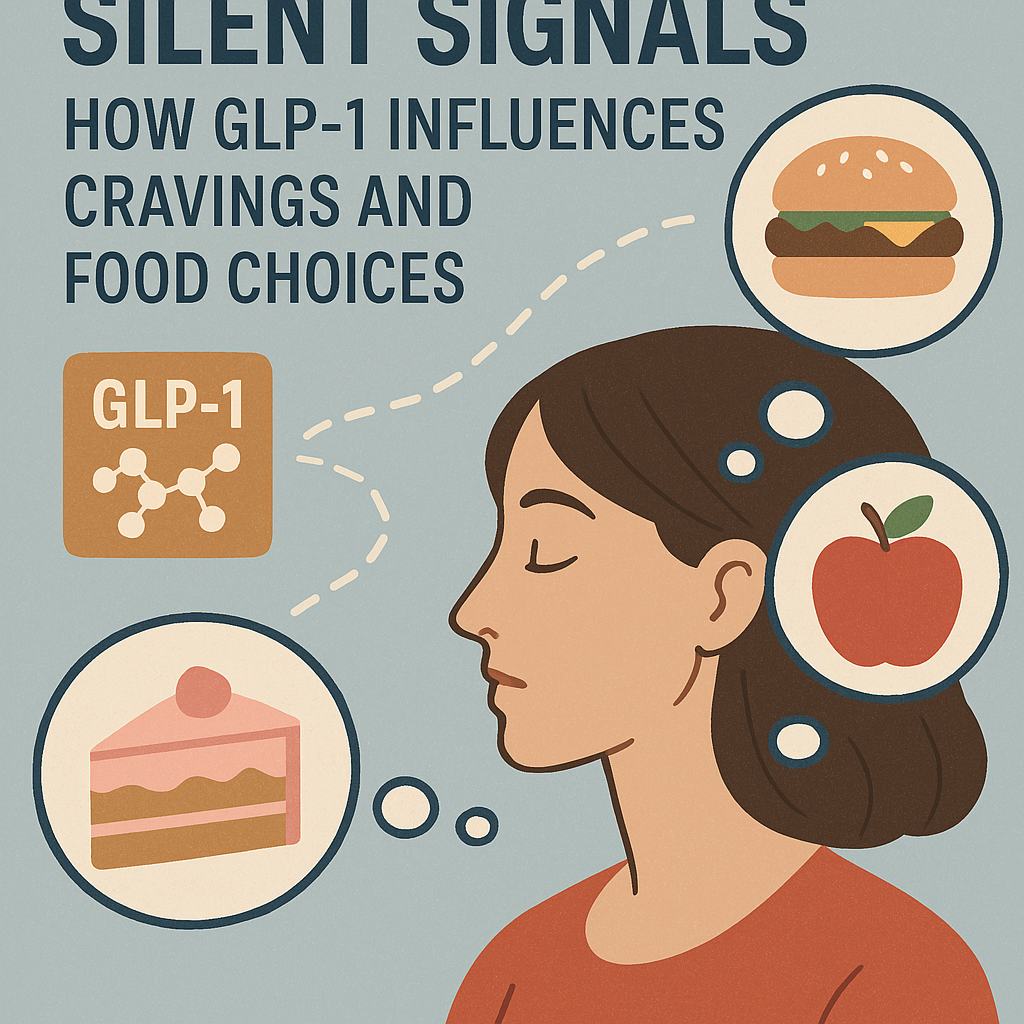
  • Silent Signals: How GLP-1 Influences Cravings and Food Choices

    Silent Signals: How GLP-1 Influences Cravings and Food Choices

    The quest for understanding our eating behaviors and cravings has long perplexed researchers and health enthusiasts alike. Central to this investigation is a hormone known as Glucagon-like peptide-1 (GLP-1). Beyond its traditional role in glucose metabolism, emerging evidence suggests that GLP-1 plays a vital role in regulating appetite, cravings, and food choices. In this article, we will delve deeper into the relationship between GLP-1, cravings, and the psychological and physiological factors that influence our food choices.

    Understanding GLP-1

    GLP-1 is an incretin hormone produced in the intestines in response to food intake. It serves multiple purposes, including stimulating insulin secretion, slowing gastric emptying, and increasing feelings of fullness or satiety. These functions position GLP-1 as a key player in appetite regulation.

    The secretion of GLP-1 occurs primarily postprandially (after meals), emphasizing its role in the digestive process. Research indicates that GLP-1 is not only instrumental in managing blood sugar levels but also significantly impacts how we perceive hunger and satiety.

    The Link Between GLP-1 and Appetite Regulation

    One of the standout features of GLP-1 is its ability to influence appetite through various neurological pathways in the brain. Studies show that GLP-1 acts on the hypothalamus, a region responsible for balancing hunger and satiety signals. By communicating with neurons in the hypothalamus, GLP-1 helps regulate food intake and influences cravings.

    When GLP-1 levels rise after food consumption, a series of biochemical signals are engaged to reduce hunger. The following highlights the mechanisms through which GLP-1 influences appetite:

    • Reduced Gastric Emptying: By slowing down the rate at which food leaves the stomach, GLP-1 prolongs feelings of fullness.
    • Impact on Reward Pathways: GLP-1 modulates dopaminergic pathways in the brain, thus affecting the pleasure derived from eating.
    • Hormonal Interaction: GLP-1 interacts with other hormones involved in appetite control, like ghrelin and peptide YY.

    The Role of GLP-1 in Cravings

    Cravings go beyond mere hunger; they often manifest as intense desires for specific foods, frequently linked to emotions and psychological states. GLP-1 influences these cravings by altering the neurological and hormonal landscape of the body. Here’s how GLP-1 impacts cravings:

    • Satiety Signaling: Elevated levels of GLP-1 enhance feelings of fullness, which can reduce cravings for high-calorie, less nutritious foods.
    • Negative Feedback Loop: As GLP-1 curbs appetite, it helps break the cycle of continuous snacking or emotional eating.
    • Stability in Blood Sugar Levels: By regulating blood sugar fluctuations, GLP-1 can mitigate cravings that arise from energy dips.

    Food Choices and GLP-1

    Food choices are influenced by a multitude of factors including taste, preference, cultural influences, and psychological conditions. GLP-1 can subtly steer these choices in several ways:

    • Preference for Healthy Foods: Higher GLP-1 levels have been associated with a preference for healthier, low-calorie foods over indulgent, high-calorie options.
    • Mindful Eating: By promoting satiety and reducing cravings, GLP-1 may encourage individuals to engage in mindful eating practices, resulting in improved dietary choices.
    • Improved Dietary Adherence: When GLP-1 signaling is intact, individuals find it easier to stick to prescribed dietary plans, particularly in weight management programs.

    GLP-1 and Weight Management

    The implications of GLP-1 in weight management and obesity treatment are significant. Therapeutics targeting GLP-1, such as GLP-1 receptor agonists, have been developed to assist in weight loss and diabetes management. These medications exploit the hormone’s natural mechanisms to promote satiety, reduce cravings, and improve food choices.

    Data from clinical studies suggest that individuals using GLP-1 receptor agonists experience noticeable weight loss, not only due to reduced caloric intake but also due to a change in their relationship with food:

    • Reduced Caloric Intake: Patients report consuming fewer calories due to decreased hunger and urges to snack.
    • Improved Nutritional Choices: Users of GLP-1 medications often gravitate towards healthier food options.
    • Sustained Weight Loss: Long-term application of GLP-1 therapies aids in maintaining weight loss once achieved.

    Psychological Factors and GLP-1

    Beyond the physiological effects, the psychological landscape plays a crucial role in how GLP-1 impacts food choices. Factors such as stress, mood, and emotional well-being contribute significantly to eating behavior. Stress, for instance, may lead to increased cravings for high-calorie, comfort foods, often compromising the benefits of GLP-1 signaling.

    Interventions aiming to enhance GLP-1 signaling, alongside psychological support, can create a more holistic approach to weight management and healthy eating behaviors. Cognitive behavioral therapy (CBT) targeting emotional eating can be paired with GLP-1-focused treatments to address both the physical and emotional aspects of eating.

    Future Directions and Research

    As research on GLP-1 continues to evolve, understanding its role in eating behavior will facilitate the development of more effective dietary interventions and appetite management strategies. Future studies might explore:

    • Individual Variations: Understanding how genetic, environmental, and lifestyle factors modulate GLP-1 responses.
    • Long-Term Impacts: Investigating the long-term effects of GLP-1 therapies on eating behaviors and general health.
    • Combination Therapies: Assessing the efficacy of combining GLP-1 agonists with behavioral therapies for comprehensive weight management.

    Conclusion

    GLP-1 emerges as a significant player in the intricate dance between hormones, cravings, and food choices. By promoting satiety and influencing appetite regulation, GLP-1 has the potential to transform how we understand and manage eating behaviors. As research unfolds, the insights gained from studying GLP-1 may pave the way for innovative strategies in weight management and dietary health, ultimately contributing to better public health outcomes.

    FAQs

    What is GLP-1?

    GLP-1 (Glucagon-like peptide-1) is an incretin hormone primarily produced in the intestines that plays a critical role in regulating insulin secretion, appetite, and gastric emptying.

    How does GLP-1 influence cravings?

    GLP-1 influences cravings by promoting feelings of fullness, stabilizing blood sugar levels, and modulating neurological signals that govern appetite, thereby reducing the likelihood of intense cravings for specific foods.

    Can GLP-1 help with weight loss?

    Yes, GLP-1 receptor agonists are utilized in clinical settings to promote weight loss and improve dietary adherence due to their ability to enhance satiety and regulate appetite.

    Are there any side effects associated with GLP-1 treatments?

    While generally well-tolerated, common side effects of GLP-1 receptor agonists can include nausea, vomiting, diarrhea, and potential pancreatitis. Always consult a healthcare provider before starting any treatment.

    What role does psychology play in eating behaviors influenced by GLP-1?

    Psychological factors, such as stress and emotional well-being, significantly impact eating behaviors. Addressing these factors alongside GLP-1 treatments can enhance outcomes related to cravings and healthy eating choices.

    © 2023 Silent Signals. All rights reserved.

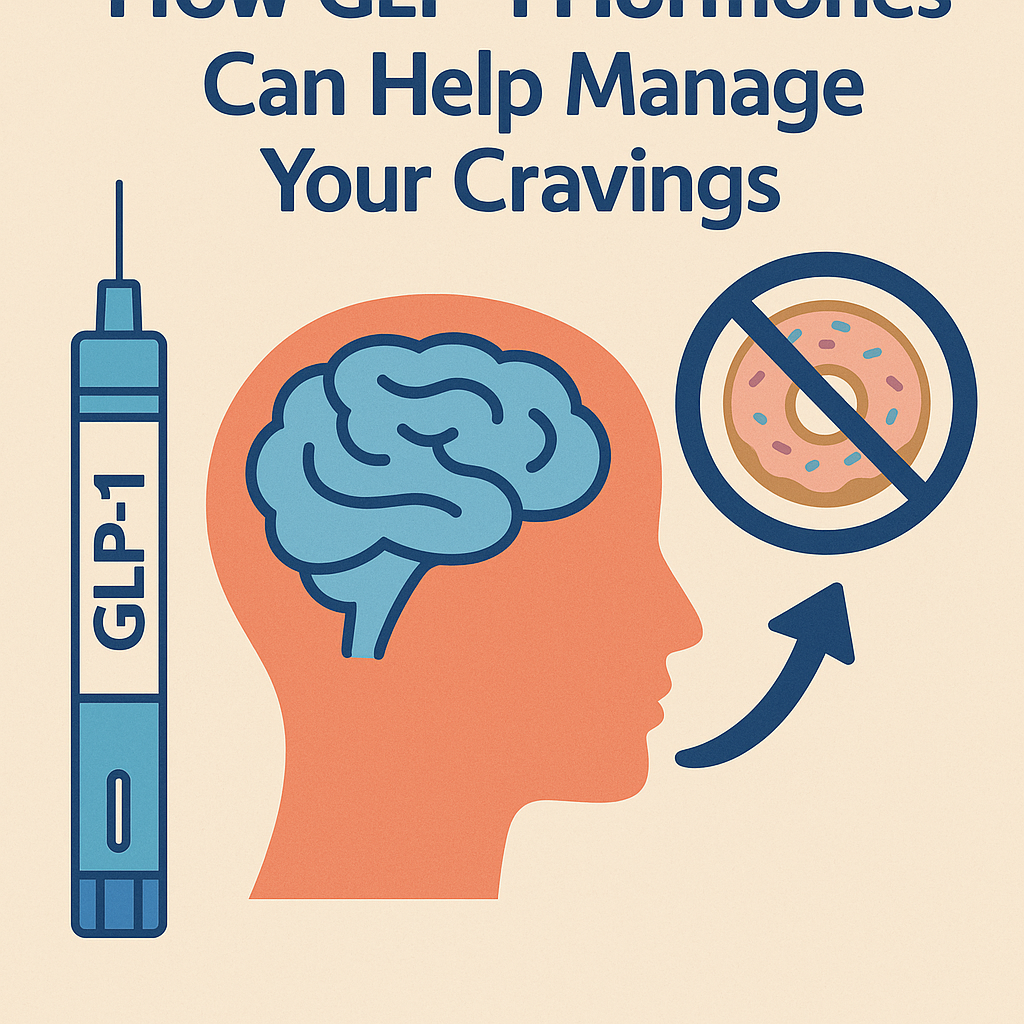
  • How GLP-1 Hormones Can Help Manage Your Cravings

    How GLP-1 Hormones Can Help Manage Your Cravings

    The world of hormones is intricate and often interconnected, with diverse influences on our physiology and behaviors. One group of hormones that has garnered attention recently is the GLP-1 (Glucagon-Like Peptide-1) hormones. These hormones play a significant role in managing appetite, blood sugar levels, and cravings, making them a crucial focus in research on obesity, type 2 diabetes, and metabolic health.

    What Are GLP-1 Hormones?

    GLP-1 is a peptide hormone produced in the gut in response to food intake. It is classified as an incretin hormone, which means it stimulates insulin secretion in the pancreas after meals. This helps lower blood glucose levels. Besides its role in insulin regulation, GLP-1 also affects appetite regulation through several mechanisms:

    • Inhibition of Gastric Emptying: GLP-1 slows down the emptying of the stomach, leading to prolonged feelings of fullness.
    • Promotion of Satiety: GLP-1 activates areas in the brain that signal satiety, thereby reducing hunger.
    • Decrease in Appetite Stimulation: It reduces the overall desire to consume foods, particularly high-calorie and sugary foods.

    How GLP-1 Hormones Affect Cravings

    Cravings can often derail dietary objectives, particularly when managing weight or blood sugar levels. The role of GLP-1 hormones in controlling these cravings can be pivotal. Here’s how they do it:

    1. Effects on Appetite Regulation

    The GLP-1 hormone communicates with the brain to reduce hunger signals. This interaction causes a decrease in the desire to eat. When GLP-1 levels are elevated, typically post-meal, individuals are likely to experience fewer cravings for additional food, particularly for unhealthy snacks. This natural feedback loop promotes healthier eating behaviors.

    2. Emotional and Psychological Factors

    Cravings are not solely physiological; they can also be driven by emotional or psychological factors. Certain studies suggest that GLP-1 may influence mood and cognitive function, potentially helping to reduce stress-related eating. By stabilizing mood and lowering the urge to seek comfort in food, GLP-1 can aid in managing cravings that arise from emotional distress.

    3. Impacts on Food Choices

    People with higher GLP-1 levels tend to make healthier food choices. The hormone’s ability to improve satiety may lead to less consumption of calorific and processed foods. Instead, individuals might gravitate towards more nutritious options, reducing the likelihood of engaging in binge eating or succumbing to cravings triggered by processed foods.

    The Science Behind GLP-1 Receptor Agonists

    Researchers have capitalized on the effects of GLP-1 hormones in developing medications known as GLP-1 receptor agonists, which mimic the action of GLP-1 in the body. These medications, such as liraglutide and semaglutide, activate GLP-1 receptors in the brain and gut and offer several benefits:

    • Weight Reduction: Clinical trials have shown that individuals using GLP-1 receptor agonists can lose significant weight, largely due to reduced caloric intake stemming from decreased cravings.
    • Improved Blood Sugar Control: These medications enhance insulin secretion and slow glucose absorption, promoting better glycemic control.
    • Reduced Risk of Cardiovascular Issues: Using GLP-1 receptor agonists has demonstrated potential cardiovascular benefits, such as reducing the risk of heart disease.

    Implementing GLP-1 Hormone Management

    Understanding GLP-1 hormones opens avenues for individuals struggling to manage cravings. Here are some strategies to enhance your body’s natural GLP-1 production:

    1. Meal Timing and Composition

    Eating smaller, balanced meals throughout the day can encourage GLP-1 secretion. Focus on including a mix of proteins, fiber, and healthy fats. Foods rich in fiber, such as whole grains, fruits, and vegetables, can significantly boost GLP-1 levels.

    2. Regular Physical Activity

    Exercise is another natural way to enhance GLP-1 secretion. Regular physical activity can improve your overall metabolic health, reduce body weight, and, by extension, help manage cravings.

    3. Mindful Eating

    Practicing mindfulness can help in recognizing emotional triggers for cravings. When you practice mindful eating, you are more aware of your body’s signals, allowing for more degree of control over cravings.

    4. Adequate Sleep

    Lack of sleep can disrupt various hormones, including those involved in appetite regulation. Getting enough restful sleep is crucial for maintaining balanced hunger and satiety hormones, including GLP-1.

    Potential Considerations and Side Effects

    While the benefits of GLP-1 hormones are clear, it’s essential to approach management options with caution. Potential side effects of GLP-1 receptor agonists can include:

    • Nausea and vomiting
    • Diarrhea
    • Abdominal pain
    • Weight loss concerns

    Consultation with a healthcare provider is crucial before initiating any treatment that involves GLP-1 receptor agonists to ensure it aligns with your health goals and conditions.

    Conclusion

    GLP-1 hormones stand out as a transformative factor in the battle against cravings and appetite regulation. Their multifaceted role in promoting satiety, enhancing mood, and influencing food choices showcases their potential in dietary interventions. As research continues to illuminate the benefits of GLP-1 and its receptor agonists, individuals can better equip themselves in the ongoing journey toward managing cravings and improving overall health. By combining natural methods for boosting GLP-1 levels with mindful practices, one can create a sustainable approach to healthier eating and cravings management.

    Frequently Asked Questions (FAQs)

    1. What are GLP-1 hormones?

    GLP-1 hormones are incretin hormones produced in the gut that help regulate insulin secretion, appetite control, and gastric emptying.

    2. How do GLP-1 hormones help with cravings?

    GLP-1 hormones can reduce hunger signals, promote feelings of fullness, and positively influence food choices, which can help manage cravings.

    3. Are there any medications that mimic GLP-1 hormones?

    Yes, GLP-1 receptor agonists like liraglutide and semaglutide are medications designed to mimic the effects of GLP-1 in the body.

    4. Can lifestyle changes increase GLP-1 levels?

    Yes, adopting habits such as eating balanced meals, exercising regularly, practicing mindfulness, and ensuring adequate sleep can enhance GLP-1 secretion.

    5. What are the side effects of GLP-1 receptor agonists?

    Side effects can include nausea, diarrhea, abdominal pain, and weight loss concerns. Always consult a healthcare provider before starting any medication.

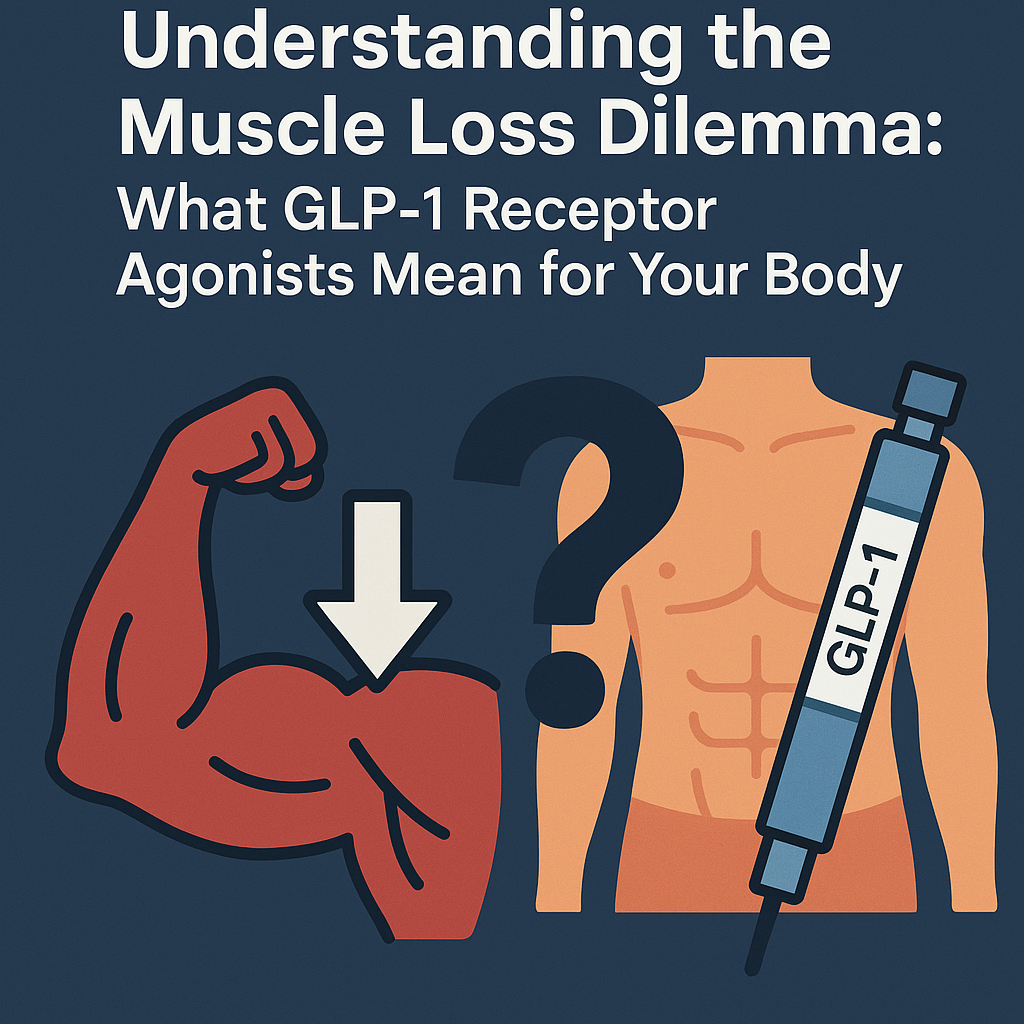
  • Understanding the Muscle Loss Dilemma: What GLP-1 Receptor Agonists Mean for Your Body

    Understanding the Muscle Loss Dilemma: What GLP-1 Receptor Agonists Mean for Your Body

    Introduction

    In recent years, GLP-1 receptor agonists have gained popularity as a treatment for type 2 diabetes and obesity. Medications like semaglutide and liraglutide act on the glucagon-like peptide-1 receptor to help regulate insulin secretion, appetite, and glucose metabolism. While they can be beneficial, one significant concern is their impact on muscle mass. In this article, we will delve into understanding the muscle loss dilemma associated with GLP-1 receptor agonists and evaluate their implications for your body.

    What Are GLP-1 Receptor Agonists?

    GLP-1 receptor agonists are a class of medications that mimic the action of the naturally occurring hormone GLP-1. This hormone plays a key role in the body’s ability to regulate blood sugar levels. GLP-1 receptor agonists work through several mechanisms:

    • Stimulating insulin secretion when blood glucose levels are high.
    • Inhibiting glucagon release, which reduces glucose production in the liver.
    • Slowing gastric emptying, which helps to curb appetite.

    By doing so, they can lead to weight loss and improved glycemic control, which can be particularly beneficial for individuals struggling with obesity and type 2 diabetes.

    How Do GLP-1 Agonists Affect Muscle Mass?

    One of the less discussed but critical concerns about GLP-1 receptor agonists is their potential effect on muscle mass. Research suggests that while these medications can lead to significant weight loss, some individuals may experience muscle loss as well. Here are several reasons why this may happen:

    • Caloric Deficit: The appetite-suppressing effects of GLP-1 receptor agonists can lead to a caloric deficit. When the body is in a caloric deficit, it prioritizes fat loss over muscle preservation, potentially leading to muscle loss over time.
    • Increased Fat Oxidation: GLP-1 receptor agonists promote increased fat oxidation, which means that the body may preferentially burn fat for energy instead of using muscle protein, particularly if protein intake is inadequate.
    • Inadequate Nutritional Intake: Patients on GLP-1 agonists may unintentionally reduce their intake of protein-rich foods, which are essential for muscle maintenance and growth. Without sufficient protein, muscle protein synthesis can decrease.
    • Decreased Physical Activity: Weight loss can lead some individuals to become less active, resulting in decreased muscle stimulus and possibly leading to muscle atrophy.

    Risk Factors for Muscle Loss

    Certain populations may be at a higher risk for muscle loss when using GLP-1 receptor agonists:

    • Older Adults: Aging is associated with a natural decline in muscle mass (sarcopenia), and older adults taking GLP-1 receptor agonists may find this decline to be exacerbated.
    • Low-Protein Diets: Individuals who do not consume sufficient protein are at a higher risk for muscle loss, especially when caloric intake is also reduced.
    • Pre-Existing Conditions: Those with pre-existing muscle-wasting conditions or chronic diseases may be more susceptible to muscle loss.

    Preventing Muscle Loss While Using GLP-1 Agonists

    If you are prescribed a GLP-1 receptor agonist but are concerned about potential muscle loss, there are several strategies you can implement to help preserve muscle mass:

    • Prioritize Protein Intake: Aim for a diet that includes high-quality protein sources. Recommendations suggest approximately 1.2 to 2.2 grams of protein per kilogram of body weight for optimal muscle maintenance.
    • Engage in Resistance Training: Regular resistance training can help stimulate muscle growth and preserve lean muscle mass. Aim for two to three sessions per week, incorporating exercises that target all major muscle groups.
    • Monitor Caloric Intake: Maintain a balanced diet that provides adequate calories to support energy needs and muscle health. Use tools or consult dietitians to ensure you’re meeting nutritional goals.
    • Stay Hydrated: Hydration is essential for overall health, including muscle function. Ensure you drink enough fluids throughout the day.

    Consult Healthcare Professionals

    It’s vital to work closely with healthcare providers when starting GLP-1 receptor agonist therapy. They can help monitor your health, assess body composition, and make recommendations tailored to your individual needs. Regular follow-ups can ensure that you remain on track and can help prevent adverse effects such as muscle loss.

    Conclusion

    GLP-1 receptor agonists offer promising benefits for weight loss and diabetes management; however, it is crucial to be aware of the potential for muscle loss. Understanding the underlying mechanisms and implementing preventive strategies can help mitigate this risk. Prioritizing nutrition, engaging in regular resistance training, and consulting healthcare professionals can empower individuals to achieve their weight loss goals while maintaining muscle mass. Always remember that every individual’s response to medication can vary, so personalized care is essential.

    FAQs

    1. What are the common side effects of GLP-1 receptor agonists?

    Common side effects include nausea, vomiting, diarrhea, and sometimes abdominal pain. These side effects typically decrease over time as the body adjusts to the medication.

    2. Can GLP-1 receptor agonists be used for weight loss in non-diabetic individuals?

    Yes, some GLP-1 receptor agonists are approved for weight management in individuals without diabetes, but it’s essential to consult a healthcare provider for personalized advice.

    3. How long does it take to see weight loss results with GLP-1 receptor agonists?

    Weight loss can vary, but many individuals begin to see results within the first few weeks of treatment; however, full benefits may take several months of consistent use.

    4. Are there alternatives to GLP-1 receptor agonists for weight loss?

    Yes, alternatives include lifestyle modifications (diet and exercise), other medications, and surgical options. Each option should be discussed with a healthcare provider to determine the best fit.

    5. Is muscle loss inevitable when using GLP-1 receptor agonists?

    No, muscle loss is not inevitable. By taking proactive measures such as adequate protein intake and resistance training, individuals can help preserve muscle mass while benefiting from the medication.

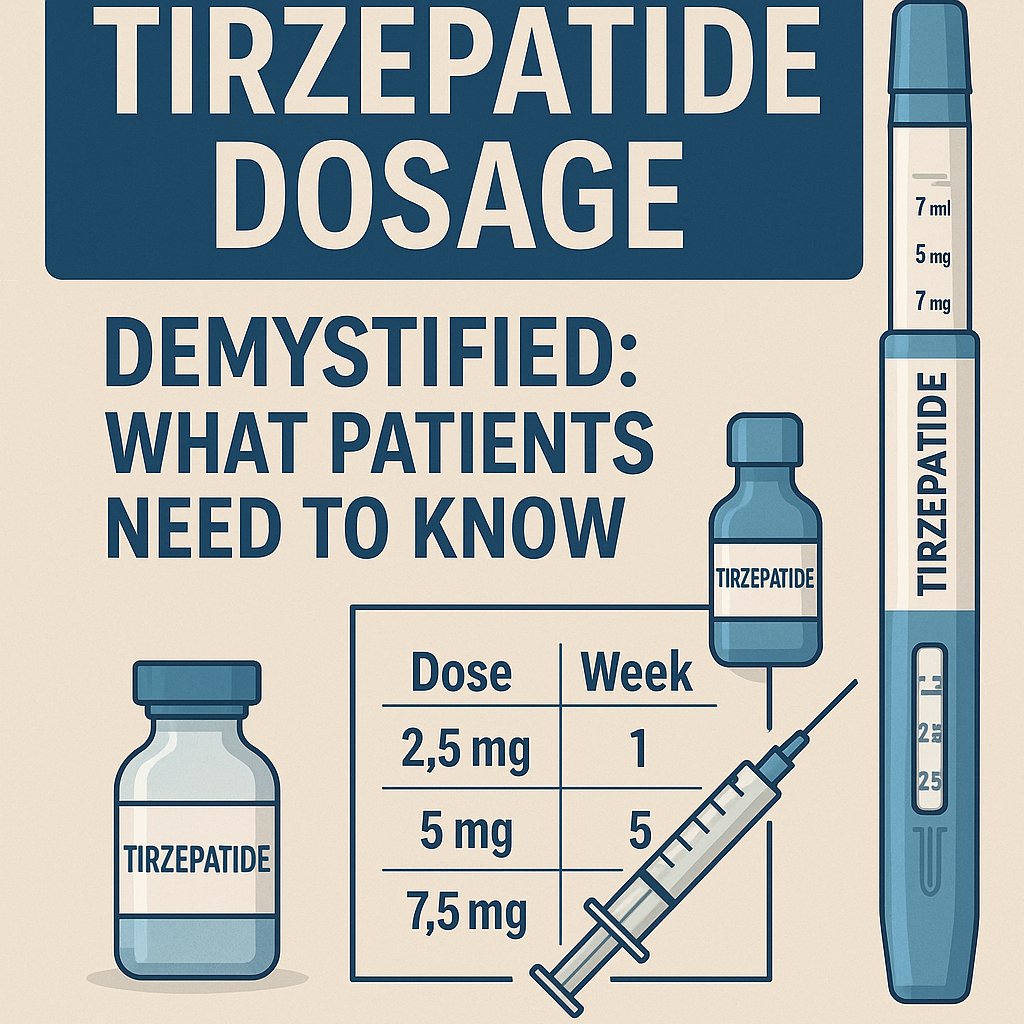
  • Tirzepatide Dosage Demystified: What Patients Need to Know

    Tirzepatide Dosage Demystified: What Patients Need to Know

    Tirzepatide, a once-weekly injectable medication, has garnered attention for its ability to manage blood sugar levels in individuals with type 2 diabetes and help with weight loss. As with any medication, understanding the correct dosage is crucial for maximizing its effectiveness while minimizing potential side effects. This article will demystify tirzepatide dosage, detailing what patients need to know to use this medication safely and effectively.

    Understanding Tirzepatide

    Tirzepatide is a novel medication that acts as a dual agonist for the glucagon-like peptide-1 (GLP-1) and glucose-dependent insulinotropic peptide (GIP) receptors. These hormones play a significant role in regulating blood sugar levels and appetite. By enhancing insulin secretion, inhibiting glucagon release, and promoting feelings of fullness, tirzepatide offers a comprehensive approach to managing type 2 diabetes and obesity.

    Starting Dosage

    The recommended starting dosage of tirzepatide for adults with type 2 diabetes is typically 2.5 mg, administered once weekly. This low dose is designed to help patients adjust to the medication and minimize potential gastrointestinal side effects, which are common when initiating GLP-1 receptor agonists.

    Titration to Optimal Dosage

    After the initial four weeks on the 2.5 mg dosage, healthcare providers may recommend an increase to 5 mg once weekly if further glycemic control is needed. The titration schedule is as follows:

    • Weeks 1-4: 2.5 mg once weekly
    • Weeks 5-8: 5 mg once weekly (if needed)
    • Weeks 9-12: 7.5 mg once weekly (if needed)
    • Weeks 13-16: 10 mg once weekly (if needed)

    The maximum recommended dosage is 15 mg once weekly, which can be reached after evaluating patient response and tolerability.

    Administration of Tirzepatide

    Tirzepatide is administered subcutaneously, typically in the abdomen, thigh, or upper arm. Patients should follow these guidelines for best practices:

    • Rotate injection sites to avoid tissue damage.
    • Do not inject into areas that are bruised, swollen, or scarred.
    • Store unused pens in the refrigerator, but once in use, they can be kept at room temperature for up to 30 days.

    Factors Influencing Dosage

    Several factors can influence the dosage of tirzepatide that a patient may need:

    • Body Weight: Patients with higher BMI may require higher dosages for optimal effects.
    • Glycemic Control: Patients who achieve target blood sugar levels may not need to titrate to higher doses.
    • Side Effects: If side effects are intolerable, the healthcare provider may recommend staying at a lower dose.

    Common Side Effects

    While tirzepatide is generally well-tolerated, some patients may experience side effects. Common issues include:

    • Nausea
    • Vomiting
    • Diarrhea
    • Constipation
    • Abdominal pain

    Most side effects are mild to moderate and tend to decrease over time as the body adjusts to the medication. If severe or persistent side effects occur, patients should consult their healthcare provider.

    Possible Drug Interactions

    It is important to disclose all medications and supplements to healthcare providers to minimize the risk of drug interactions. Some key considerations include:

    • Medications that may lower blood sugar levels, such as insulin or sulfonylureas, may need dose adjustments.
    • Patients taking oral medications for diabetes should inform their physician, as combinations may require close monitoring.

    Monitoring and Follow-Up

    Regular monitoring is essential when starting tirzepatide. Patients should schedule follow-up appointments to:

    • Assess blood sugar levels regularly.
    • Review any side effects or concerns with their provider.
    • Discuss weight loss outcomes as part of their overall diabetes management plan.

    Special Considerations

    Patients with a history of pancreatitis, gallbladder disease, or thyroid cancer should discuss these conditions with their healthcare provider, as these may impact the suitability of tirzepatide. Pregnant or breastfeeding women should also consult their doctors before starting this medication.

    Conclusion

    Tirzepatide opens new avenues for managing type 2 diabetes and aiding weight loss, through a thoughtful and personalized dosage strategy. Understanding the dosage and administration of this medication is vital for effectively managing diabetes and enhancing the quality of life. Regular consultations with healthcare providers will ensure that patients receive optimal care tailored to their unique medical needs. Always remember that any medication’s effectiveness is maximized through informed decision-making and adherence to prescribed dosages.

    FAQs

    1. What should I do if I miss a dose of tirzepatide?

    If you miss a dose, take it as soon as you remember. However, if it’s almost time for your next dose, skip the missed dose and resume your regular schedule. Do not take two doses at the same time.

    2. Can tirzepatide be used with other diabetes medications?

    Yes, tirzepatide can be used with other diabetes medications, but it’s important to consult your healthcare provider for appropriate adjustments and monitoring.

    3. How long will I need to take tirzepatide?

    The duration of treatment varies depending on individual response and the management of blood sugar levels. Your healthcare provider will guide you on how long treatment is necessary.

    4. What lifestyle changes should accompany tirzepatide treatment?

    Along with tirzepatide, adopting a balanced diet and a regular exercise regime can significantly enhance blood sugar control and weight management.

    5. Are there any long-term studies on the safety of tirzepatide?

    As of now, tirzepatide has undergone extensive clinical trials, and ongoing studies are assessing its long-term safety and efficacy. Patients should stay informed and discuss any concerns with their healthcare providers.

  • Navigating Semaglutide Dosage: Optimizing Treatment for Weight Management and Diabetes

    Navigating Semaglutide Dosage: Optimizing Treatment for Weight Management and Diabetes

    Semaglutide is a relatively new addition to the lineup of medications aimed at assisting with weight management and controlling blood sugar levels in individuals with type 2 diabetes. As with any medication, understanding the appropriate dosage and administration can significantly impact its effectiveness and patient adherence. Properly managing semaglutide dosage can lead to optimal outcomes for weight management and diabetes control.

    What is Semaglutide?

    Semaglutide (brand names Ozempic for diabetes management and Wegovy for weight management) is a glucagon-like peptide-1 (GLP-1) receptor agonist. It mimics the action of an incretin hormone that increases insulin secretion and decreases glucagon secretion from the pancreas in a glucose-dependent manner. This dual action not only helps to manage blood glucose levels but also promotes weight loss by reducing appetite and caloric intake.

    Indications for Use

    Semaglutide is primarily indicated for:

    • Management of type 2 diabetes in conjunction with a healthy diet and exercise.
    • Chronic weight management in adults with a body mass index (BMI) of 30 or greater, or 27 or greater with weight-related comorbidities.

    Understanding Dosage Guidelines

    Setting the appropriate dosage of semaglutide is crucial for ensuring both efficacy and safety. Semaglutide is available in two formulations: for type 2 diabetes management and for weight loss, each with its own recommended dosage trajectory.

    Starting Dosage for Diabetes Management

    The typical starting dose of semaglutide for managing type 2 diabetes is 0.25 mg, administered once weekly via injection. This initial dosage allows the body to acclimatize to the medication, minimizing potential gastrointestinal side effects such as nausea and diarrhea. After four weeks, the dose can be increased to 0.5 mg once weekly based on individual blood sugar levels and tolerance.

    Escalation of Dose for Maximum Effectiveness

    To achieve optimal glycemic control, patients may require an increase in dosage. After at least four weeks on the 0.5 mg dosing, healthcare providers may consider an increase to 1.0 mg weekly. If further glycemic control is warranted, doses can be elevated to 1.7 mg after another four weeks. The maximum recommended dose for diabetes management is 2.0 mg once weekly.

    Starting Dosage for Weight Management

    For weight management, the starting dose of semaglutide is 0.25 mg injected once weekly. Similar to diabetes management, this starting dose is intended to reduce side effects during the initial phase of treatment. After four weeks, the dose can be escalated to 0.5 mg, and then to 1.0 mg weekly, according to the individual’s weight loss goals and tolerability.

    Maintenance Dose for Weight Loss

    For optimal weight loss outcomes, individuals may eventually reach a maintenance dose of 2.4 mg once weekly, which is sustained over the long term. It is crucial for patients to work closely with their healthcare provider to adjust their semaglutide dosing plan based on their progress and any side effects experienced.

    Factors Influencing Dosage Adjustments

    Several factors can impact how a patient should be dosed with semaglutide:

    • Baseline Health: Patients with a history of gastrointestinal disorders may experience more pronounced side effects, necessitating slower dosage escalation.
    • Concurrent Medications: Certain medications can affect blood sugar levels, requiring careful monitoring and potential adjustments in semaglutide dosing.
    • Overall Treatment Goals: Individual objectives, such as target weight loss or specific blood glucose levels, may prompt adjustments in dosage.
    • Adverse Effects: Tolerance to the medication should be routinely assessed. Patients who experience side effects may require a gradual increase in dosage.

    Monitoring and Follow-Up

    The journey with semaglutide is marked by sustained monitoring. Regular follow-up appointments are crucial for assessing the patient’s response to the medication, potential side effects, and overall progress toward individualized treatment goals. Healthcare providers typically recommend routine checks of:

    • Blood glucose levels (for diabetes management).
    • Weight (for weight management).
    • Patient-reported side effects and quality of life evaluations.

    Benefits of Semaglutide

    Semaglutide has shown significant benefits in clinical trials, offering hope for individuals struggling with weight loss and diabetes management.

    • Weight Loss: In studies involving individuals with obesity, semaglutide has led to substantial weight loss, with many participants losing more than 10% of their baseline weight.
    • Glycemic Control: Patients receiving semaglutide demonstrate improved blood glucose control and a lower risk of hypoglycemia compared to other diabetes medications.
    • Cardiovascular Benefits: Some studies suggest that semaglutide may lower cardiovascular risk factors, making it especially beneficial for those with diabetes.

    Potential Side Effects

    While semaglutide is generally well-tolerated, some patients may experience side effects. Common issues include:

    • Nausea
    • Vomiting
    • Diarrhea
    • Abdominal pain

    Patients are advised to discuss any side effects with their healthcare provider for appropriate management and guidance.

    Conclusion

    Navigating semaglutide dosage requires careful consideration and collaboration between patients and healthcare providers. Understanding the medication’s mechanics, standard dosages, and factors influencing adjustments can optimize treatment effectiveness. As a powerful therapeutic option for managing diabetes and assisting with weight loss, semaglutide represents a beacon of hope for many individuals seeking improved health outcomes. With proper monitoring and a tailored approach to dosage, patients can maximize the benefits of semaglutide and work towards their health goals successfully.

    Frequently Asked Questions (FAQs)

    1. What is the main purpose of semaglutide?

    Semaglutide is used for managing type 2 diabetes and for chronic weight management in adults with obesity.

    2. How often is semaglutide taken?

    Semaglutide is administered via injection once weekly.

    3. Can I change my dosage without consulting my doctor?

    No, dose adjustments should always be made in consultation with a healthcare provider to ensure safety and efficacy.

    4. What should I do if I miss a dose?

    If you miss a dose, take it as soon as you remember, but skip it if the next dose is soon. Do not double up on doses.

    5. Are there any contraindications for using semaglutide?

    Semaglutide is contraindicated in individuals with a personal or family history of medullary thyroid carcinoma (MTC) or Multiple Endocrine Neoplasia syndrome type 2 (MEN 2).

  • The Future of Weight Loss? Tirzepatide Shows Remarkable Efficacy in Recent Studies

    The Future of Weight Loss? Tirzepatide Shows Remarkable Efficacy in Recent Studies

    In the realm of obesity management, the quest for effective weight loss solutions has never been more urgent. With the global prevalence of obesity rising at an alarming rate, researchers and healthcare professionals are continually exploring new avenues. One promising candidate that has recently captured significant attention is tirzepatide, a novel medication that has demonstrated remarkable efficacy in clinical studies. This article delves into the mechanisms of tirzepatide, its clinical evidence, potential advantages over traditional weight loss strategies, and its future in the landscape of weight management.

    Understanding Tirzepatide

    Tirzepatide is a dual-action glucose-dependent insulinotropic polypeptide (GIP) and glucagon-like peptide-1 (GLP-1) receptor agonist. Approved by the FDA for the treatment of type 2 diabetes, it has also emerged as a promising candidate for weight loss. The dual mechanism of action enhances the body’s ability to regulate glucose levels while also promoting satiety, making it a compelling option for individuals struggling with obesity.

    The Mechanism of Action

    The efficacy of tirzepatide can be attributed to its multifaceted approach to weight loss. By mimicking the actions of hormones involved in glucose metabolism and appetite regulation, tirzepatide effectively aids in weight loss through the following mechanisms:

    • Appetite Suppression: Tirzepatide activates GLP-1 receptors, which are located in the brain and gastrointestinal tract. This action reduces appetite and increases feelings of fullness, leading to a decreased caloric intake.
    • Increased Energy Expenditure: The medication enhances metabolic processes, encouraging the body to burn more calories efficiently.
    • Improved Glycemic Control: By regulating blood sugar levels, tirzepatide helps prevent spikes and crashes in energy that often lead to unhealthy snacking and overeating.

    Clinical Evidence of Efficacy

    Recent clinical trials have reinforced the potential of tirzepatide as an effective weight-loss agent. One pivotal study, the SURPASS-2 trial, assessed the impact of tirzepatide on weight loss in individuals with type 2 diabetes. The findings were staggering:

    • Patients treated with tirzepatide lost an average of 15-20% of their body weight over a 72-week period, significantly more than those receiving a placebo.
    • Improved kidney function and cardiovascular indicators were also reported in participants.
    • The data suggest that tirzepatide may produce weight loss comparable to or even better than bariatric surgery in certain populations.

    Advantages Over Traditional Weight Loss Methods

    While lifestyle modifications such as diet and exercise remain the cornerstone of weight management, the psychological, behavioral, and physiological barriers to sustained weight loss often hinder success. In this context, tirzepatide offers several advantages over traditional weight loss methods:

    • Rapid Results: Unlike conventional diets that can take months to show significant results, tirzepatide has the potential for rapid weight loss, enhancing motivation and adherence.
    • Dual Benefits: With its dual action on both glycemic control and weight management, patients can see improvements in multiple health parameters simultaneously.
    • Reduced Relapse Rate: Many individuals who lose weight through diet and exercise often regain it. Tirzepatide’s pharmacological approach may help maintain weight loss long-term.

    Considerations and Potential Risks

    While tirzepatide is a beacon of hope in weight management, it is important to be aware of potential side effects and considerations:

    • Gastrointestinal Issues: Common side effects include nausea, vomiting, and diarrhea, which can occur in individuals during the initial use of the medication.
    • Pancreatitis Risk: There is a potential risk of pancreatitis; hence patients with a previous history should take caution and consult their healthcare provider.
    • Not Suitable for Everyone: Tirzepatide is not recommended for individuals with a personal or family history of medullary thyroid carcinoma or multiple endocrine neoplasia syndrome type 2.

    The Future of Weight Loss: Integrating Tirzepatide into Treatment Plans

    The successful integration of tirzepatide into weight loss management will depend on personalized medicine approaches. Healthcare providers must evaluate each patient’s medical history, lifestyle, and preferences before prescribing tirzepatide as part of a comprehensive weight management program.

    As ongoing research continues to unravel the medication’s full potential, we may also see advancements in combination therapies that utilize tirzepatide along with behavioral interventions, nutritional support, and physical activity programs to optimize results.

    Conclusion

    Tirzepatide represents a promising new frontier in the fight against obesity, with compelling clinical evidence supporting its efficacy as a weight loss agent. While traditional strategies remain essential components of weight management, the introduction of this medication has the potential to fill gaps and produce rapid, maintainable results for a population desperately in need of effective solutions. With continued research and a holistic approach to treatment, the future of weight loss may very well be transformed for the better.

    FAQs

    1. What is tirzepatide?

    Tirzepatide is a dual-action GLP-1 and GIP receptor agonist used primarily for managing type 2 diabetes, but recent studies have shown it to be effective for weight loss.

    2. How does tirzepatide aid in weight loss?

    Tirzepatide suppresses appetite, increases feelings of fullness, and improves metabolic processes, thereby promoting weight loss.

    3. What are the common side effects of tirzepatide?

    Common side effects include nausea, vomiting, and diarrhea, particularly during the initial treatment period.

    4. Is tirzepatide suitable for everyone?

    Not everyone is suitable for tirzepatide; it’s contraindicated for those with specific medical histories such as a family history of medullary thyroid carcinoma.

    5. Can tirzepatide replace lifestyle changes for weight loss?

    Tirzepatide is not a replacement for healthy lifestyle changes but can complement these efforts, making weight loss more achievable for some individuals.