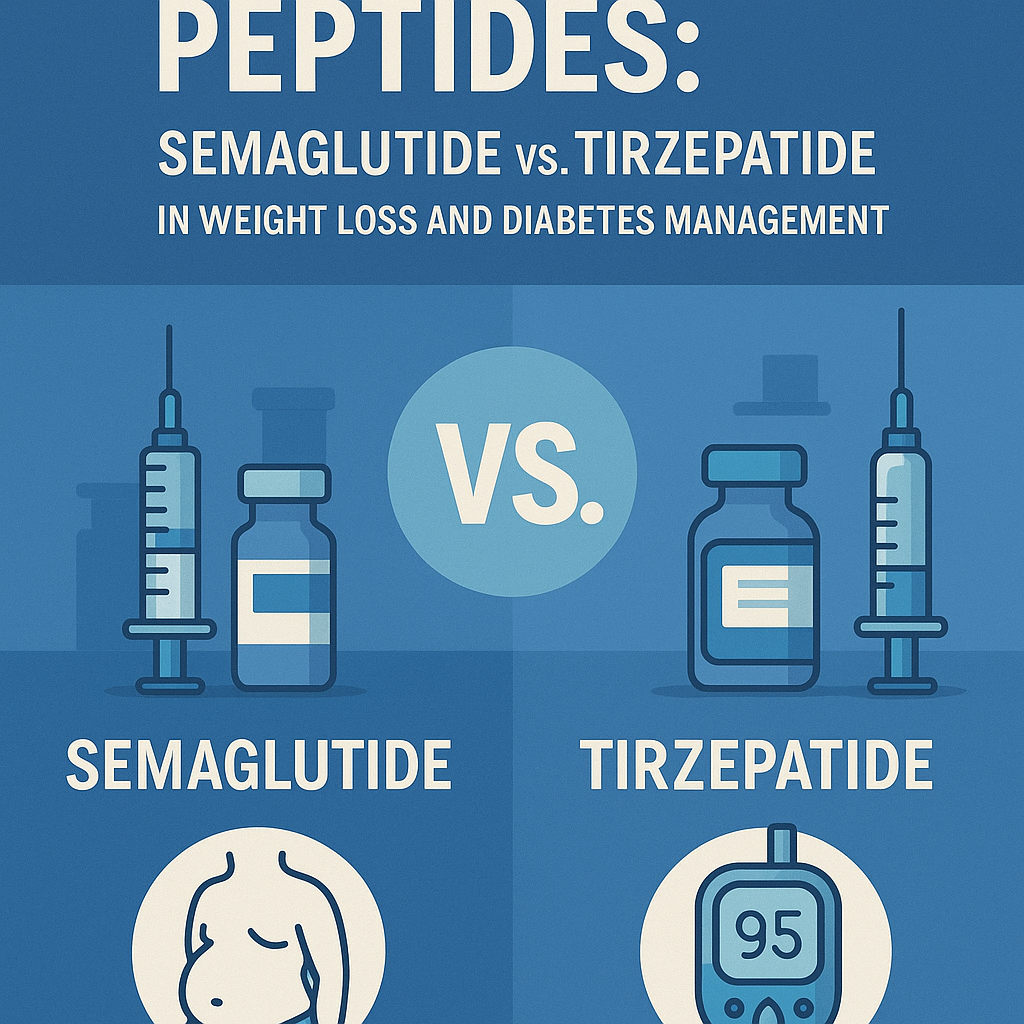
Diabetes, particularly type 2 diabetes, has emerged as a significant global health issue, affecting millions of individuals worldwide. Traditional management strategies often include lifestyle changes, oral medications, and, in some cases, insulin therapy. However, as the understanding of this disease evolves, so too do the therapies available to patients. One such treatment that is garnering attention is compounded semaglutide, a medication that aims not only to improve glycemic control but also to aid in weight management—an important factor for many individuals with type 2 diabetes.
Understanding Semaglutide
Semaglutide is a glucagon-like peptide-1 (GLP-1) receptor agonist that has been used in the management of type 2 diabetes. It works by mimicking the action of GLP-1, a hormone that stimulates insulin secretion in response to meals while inhibiting glucagon release, thereby lowering blood sugar levels. Semaglutide has gained popularity due to its efficacy in not only managing glucose levels but also facilitating weight loss, a critical aspect for individuals struggling with obesity.
What Does Compounding Mean?
Compounding refers to the process of creating a medication tailored to the specific needs of an individual patient. This can involve altering the dose, form (such as liquid or tablet), and even the ingredients to avoid certain allergens. Compounded medications are often prepared by licensed pharmacists who follow strict guidelines established by the United States Pharmacopeial Convention (USP).
The Role of Compounded Semaglutide in Diabetes Management
While standard semaglutide is effective, compounded semaglutide offers several advantages that make it a compelling option for some patients. Here’s a closer look at these benefits:
- Personalized Dosing: Not every patient requires the same dosage of medication. Compounding allows pharmacists to create custom doses tailored to an individual’s needs, ensuring optimal therapeutic effects.
- Alternative Delivery Methods: Some patients may have difficulty with injections. Compounded semaglutide can potentially be provided in alternative forms—such as oral preparations—making it more accessible for those who struggle with needle phobia.
- Allergy and Sensitivity Considerations: Compounding allows the exclusion of certain allergens or additives that might trigger reactions in some patients. This helps enhance medication adherence, as patients are more likely to take their medication if it does not cause side effects.
- Accessibility for Patients: For some, commercial options of semaglutide may be expensive or not covered by insurance. Compounding can offer a more affordable solution while still delivering the needed therapeutic benefits.
Research and Evidence
The efficacy and safety of semaglutide as a GLP-1 receptor agonist have been established through numerous clinical trials. These studies demonstrate its ability to significantly lower HbA1c levels and promote weight loss. However, the specific research on compounded semaglutide is still developing. Given the variability in compounding practices, it’s essential that compounded medications are prepared by licensed, reputable pharmacies that adhere to strict regulations.
Initial anecdotal evidence suggests that patients using compounded semaglutide report positive outcomes; however, larger-scale studies are needed to validate these findings comprehensively. Healthcare providers must weigh the benefits and potential risks of compounded medications when discussing diabetes management with their patients.
Potential Risks and Considerations
While compounded semaglutide presents an exciting new frontier, it is not without its potential risks and considerations:
- Lack of Regulation: Compounded medications are subject to fewer regulations than commercially manufactured drugs, which can lead to variability in product quality.
- Potential for Contamination: If not prepared under strict sterile conditions, compounded medications may risk contamination, leading to infections and other complications.
- Insurance Coverage: Compounded medications may not always be covered by insurance plans, which could lead to higher out-of-pocket costs.
- Limited Clinical Data: While semaglutide itself has ample clinical backing, compounded forms lack robust studies validating their efficacy and safety, making it essential for providers to stay informed.
Integrating Compounded Semaglutide into Diabetes Care
For patients considering compounded semaglutide, engaging in open dialogue with healthcare providers is crucial. Physicians can assess individual health profiles, help evaluate the suitability of compounded semaglutide, and monitor progress effectively.
Moreover, it’s essential to implement this therapy as part of a comprehensive diabetes management plan. This should include lifestyle modifications, regular glucose monitoring, and educational resources to empower patients in their diabetes care journey.
Conclusion
Compounded semaglutide represents a new frontier in diabetes management, offering personalized treatment options for individuals with type 2 diabetes. With its potential advantages in dosing flexibility, alternative delivery, and consideration for allergies, compounded semaglutide could enhance patient adherence and outcomes. However, it also brings forth notable risks due to varying regulations and the need for further clinical validation.
Ultimately, a collaborative approach between patients and healthcare providers will be essential to navigating the complexities of this new treatment landscape. Continued research and monitoring will be vital to ensure the safety and efficacy of compounded semaglutide as a viable option for managing diabetes.
FAQs
1. What is semaglutide?
Semaglutide is a GLP-1 receptor agonist used in the management of type 2 diabetes. It mimics the hormone GLP-1, which helps regulate blood sugar and promotes weight loss.
2. What does it mean for semaglutide to be compounded?
Compounded semaglutide is a personalized medication prepared by a licensed pharmacist tailored to individual patient needs regarding dosage, delivery form, and ingredient preferences.
3. Is compounded semaglutide safe?
While many patients report positive outcomes, the safety of compounded semaglutide can vary based on the compounding pharmacy. It’s vital to choose a reputable pharmacy that adheres to strict regulations.
4. Will my insurance cover compounded semaglutide?
Insurance coverage for compounded medications varies widely. It’s essential to check with your insurance provider to determine if compounded semaglutide is covered under your plan.
5. What should I do if I am interested in compounded semaglutide?
If you’re considering compounded semaglutide, discuss it with your healthcare provider. They can assess your needs, monitor your treatment, and help you choose the right compounding pharmacy.