Understanding Intermittent Fasting
Intermittent fasting (IF) is an eating pattern that alternates between periods of fasting and eating. It has gained popularity as an effective strategy for weight loss and improving metabolic health. IF can take several forms, including the 16/8 method (16 hours of fasting followed by an 8-hour eating window), the 5:2 method (restricting calories to 500-600 for two days a week), and alternate-day fasting.
The Science Behind Intermittent Fasting
Research indicates that intermittent fasting may promote weight loss by reducing calorie intake, improving insulin sensitivity, and enhancing fat oxidation. During fasting, insulin levels drop, which aids in fat loss. Additionally, fasting triggers cellular repair processes, including autophagy—a process that eliminates dysfunctional proteins and cellular debris, thereby promoting overall health.
What is GLP-1?
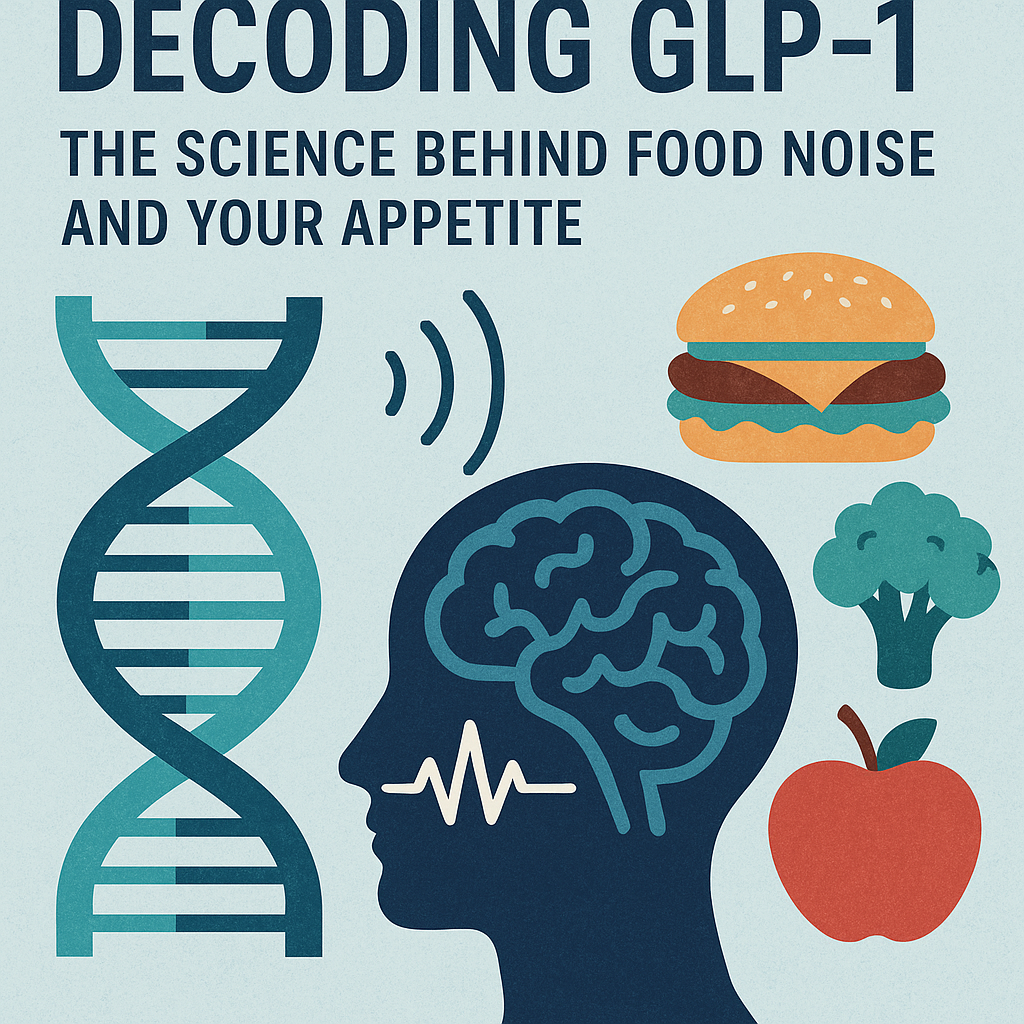
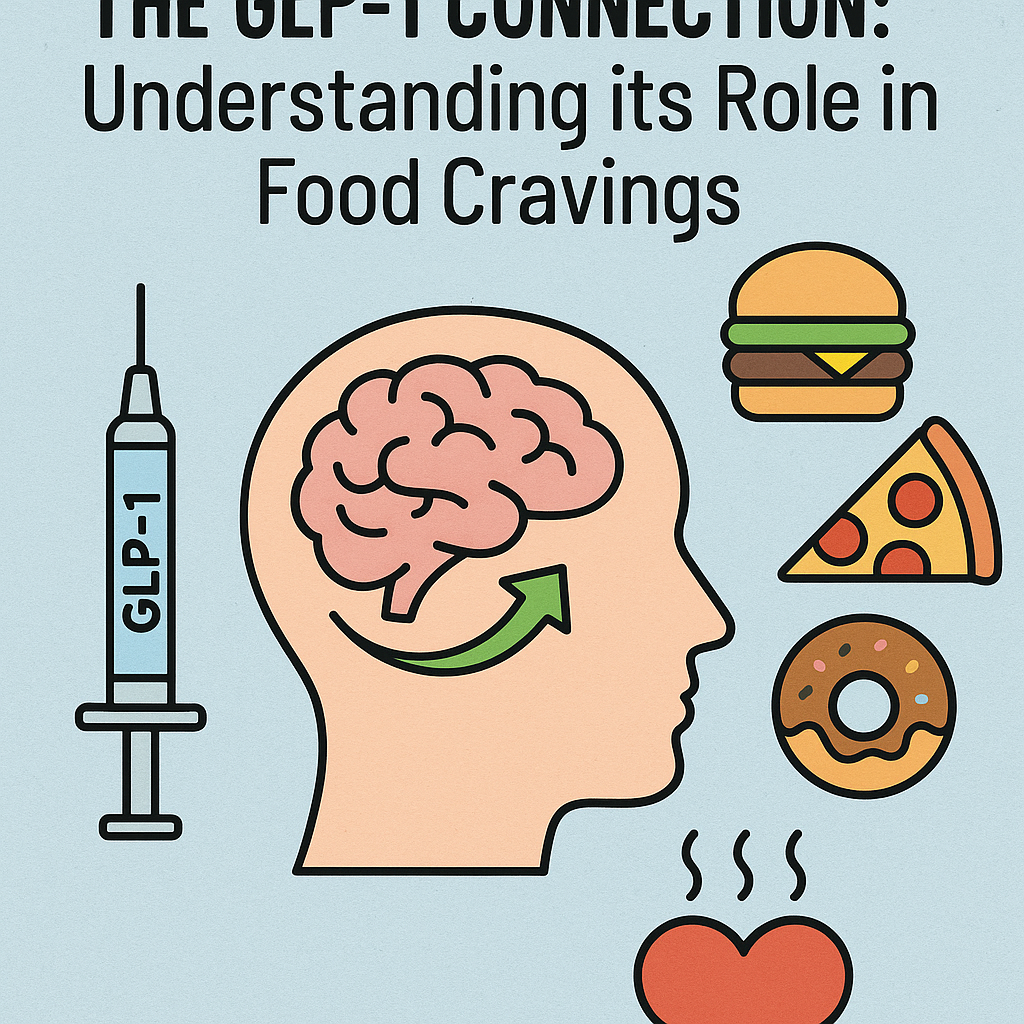
Glucagon-like peptide-1 (GLP-1) is an incretin hormone secreted by the intestines in response to food intake. GLP-1 plays a crucial role in regulating blood sugar levels by enhancing insulin secretion, inhibiting glucagon release, and slowing gastric emptying. This mechanism not only helps control postprandial blood glucose levels but also promotes satiety, making it a potential key player in weight management.
How GLP-1 and Intermittent Fasting Work Together
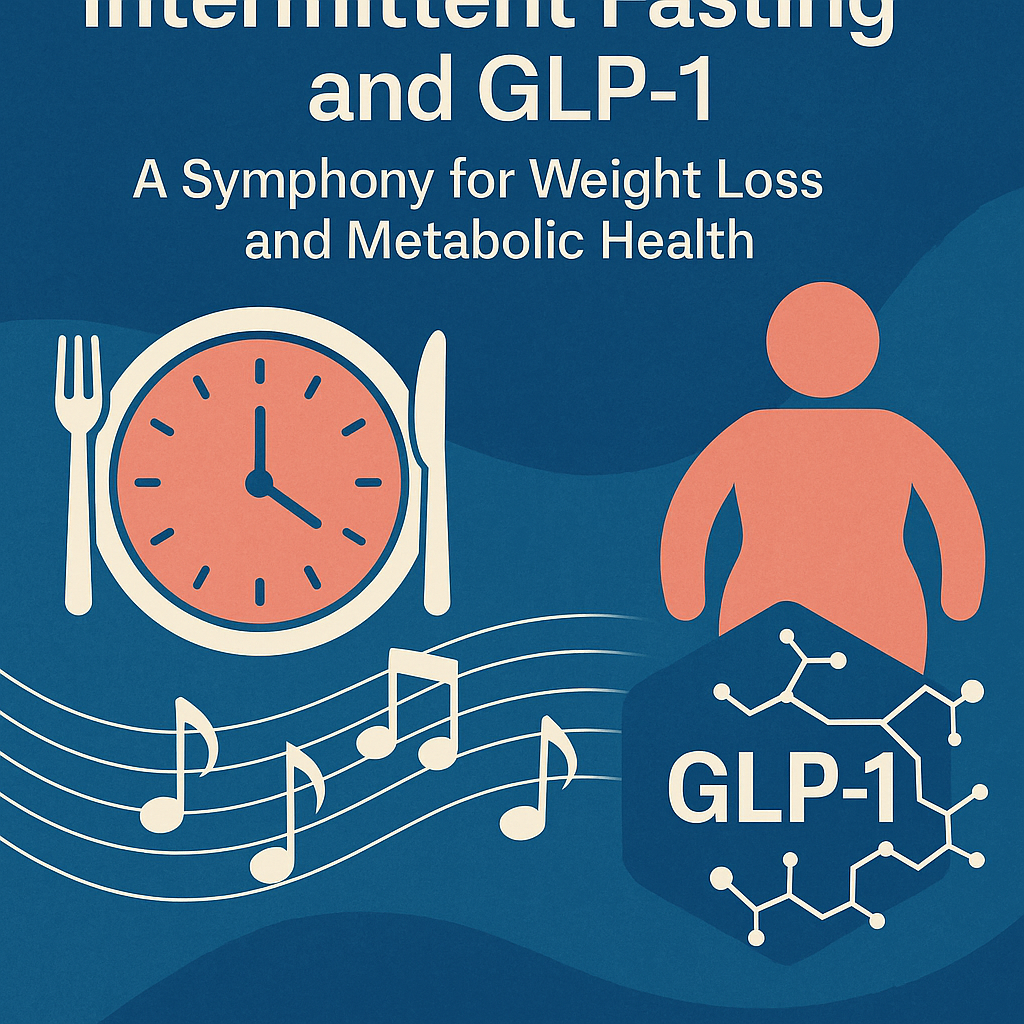
Intermittent fasting and GLP-1 can work symbiotically to promote weight loss and improve metabolic health. Fasting can enhance the secretion of GLP-1, leading to increased insulin sensitivity and reduced appetite. This dual action is particularly beneficial for individuals struggling with obesity or type 2 diabetes.
The Role of GLP-1 in Appetite Regulation
Studies show that higher levels of GLP-1 correspond with increased feelings of fullness after meals. When combined with intermittent fasting, the period of fasting can further amplify GLP-1 production, helping individuals feel satisfied with fewer calories. The result? Easier adherence to calorie restrictions and enhanced weight loss results.
Benefits of Intermittent Fasting and GLP-1
1. Weight Loss
Combining intermittent fasting with naturally elevated GLP-1 levels may facilitate more effective weight loss. Researchers have found that fasting not only reduces body weight but also improves waist circumference, while GLP-1 enhances feelings of fullness, reducing overall calorie intake.
2. Improved Insulin Sensitivity
Improving insulin sensitivity is critical for metabolic health. By promoting better blood glucose control, both intermittent fasting and GLP-1 play key roles in reducing the risk of type 2 diabetes. Studies indicate that intermittent fasting enhances insulin sensitivity, making it easier for the body to manage blood sugar levels.
3. Enhanced Mental Clarity
Some individuals report improved cognitive function when practicing intermittent fasting. This can be due in part to the neuroprotective effects of GLP-1, which may have a role in reducing the risk of neurodegenerative diseases. The hormonal interplay between fasting and GLP-1 could lead to better focus and energy levels during fasting periods.
4. Support for Gut Health
Intermittent fasting may support a healthy gut microbiome, and GLP-1 has been shown to enhance gut health by promoting gut barrier function. A healthy gut environment contributes to overall well-being and can further enhance metabolic health and weight management goals.
Challenges of Intermittent Fasting
While intermittent fasting offers a plethora of benefits, it’s not without challenges. Some individuals may experience hunger, irritability, or fatigue initially as the body adapts to the new eating pattern. Moreover, those with certain medical conditions or who are pregnant should consult healthcare providers before embarking on an intermittent fasting journey.
Strategies for Incorporating Intermittent Fasting and Enhancing GLP-1 Levels
1. Choose a Fasting Method That Fits Your Lifestyle
Select a fasting schedule that works for your daily routine. The 16/8 method is popular due to its flexibility, but you may also consider alternate-day fasting or the 5:2 approach depending on your lifestyle and personal preferences.
2. Focus on Nutrient-Dense Foods
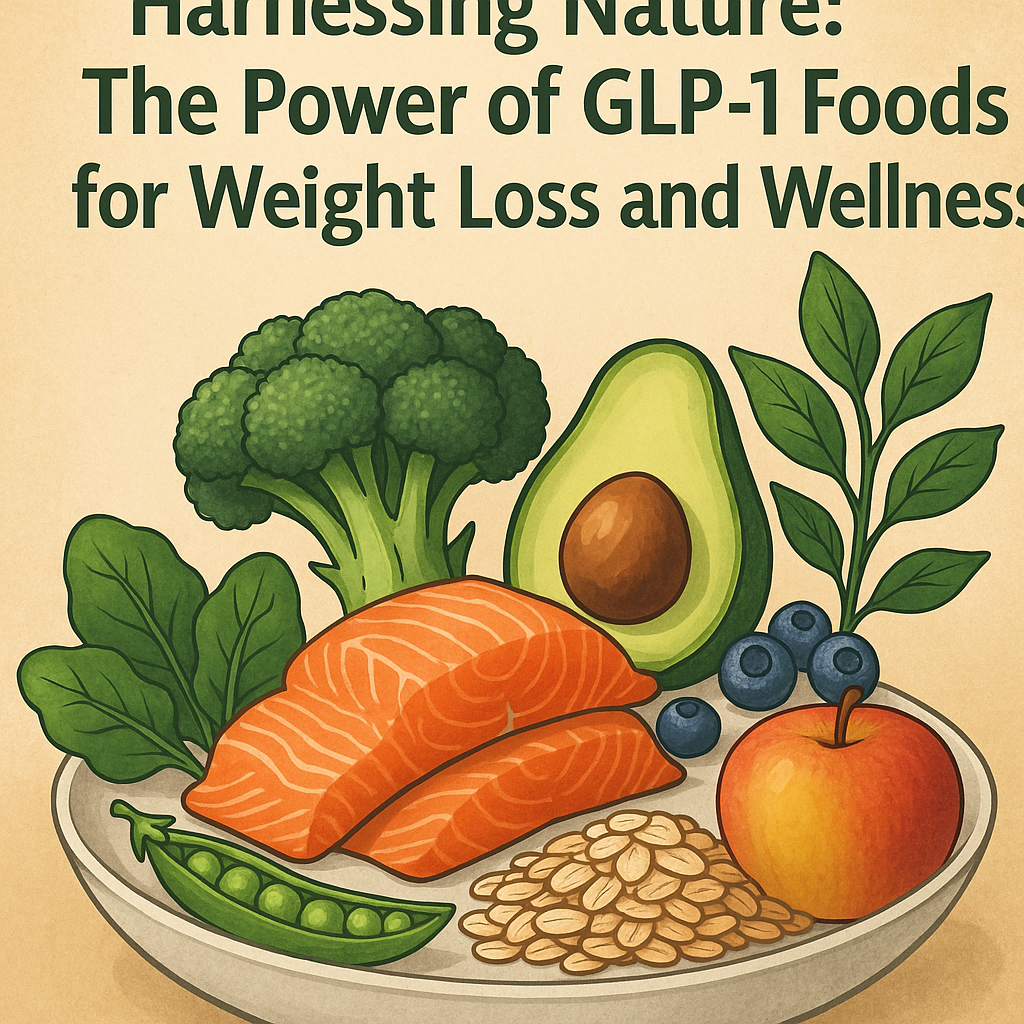
During your eating periods, prioritize whole, nutrient-rich foods. Foods high in fiber, such as fruits, vegetables, legumes, and whole grains, can naturally promote GLP-1 release. Additionally, incorporating healthy fats and lean proteins can enhance satiety and support stable blood sugar levels.
3. Stay Hydrated
Drinking ample water during fasting periods can help suppress hunger and support overall hydration. Consider herbal teas or black coffee, which are often encouraged during fasting, as they can enhance the fasting experience.
4. Consider GLP-1 Agonists
For some individuals, particularly those with obesity or type 2 diabetes, GLP-1 receptor agonists may be beneficial. These medications mimic the action of GLP-1 in the body, promoting weight loss and improving glycemic control. It’s essential to discuss this option with a healthcare provider.
Conclusion
Combining intermittent fasting with a focus on enhancing GLP-1 secretion presents a promising approach for weight loss and improved metabolic health. This dual strategy not only aids in reducing calorie intake but also supports insulin sensitivity, appetite regulation, and overall well-being. However, personal tolerance and individual health conditions should guide the adoption of intermittent fasting. It’s essential to consult with healthcare professionals to tailor the approach to your specific needs and ensure safety and effectiveness along the way.
Frequently Asked Questions (FAQs)
What is intermittent fasting?
Intermittent fasting is an eating pattern that alternates between periods of eating and fasting. It does not specify which foods to eat but rather when to eat them.
How does intermittent fasting promote weight loss?
Intermittent fasting can help reduce calorie intake, enhance fat burning, and improve metabolic parameters, all of which contribute to weight loss.
What is GLP-1 and why is it important?
GLP-1 is a hormone that plays a significant role in glucose metabolism, appetite regulation, and insulin secretion. It is crucial for maintaining blood sugar levels and promoting satiety.
Can I practice intermittent fasting if I have a medical condition?
It’s essential to consult with a healthcare provider before starting intermittent fasting, especially if you have a medical condition, are pregnant, or are taking medications.
Are there any side effects of intermittent fasting?
Some individuals may initially experience hunger, fatigue, irritability, or difficulty concentrating. These symptoms often diminish as the body adapts to the fasting routine.
How can I enhance GLP-1 levels naturally?
Eating a diet rich in fiber, healthy fats, and proteins, along with practicing intermittent fasting, can help enhance GLP-1 secretion naturally.