Category: Fitness Tips

  • Compounded Semaglutide: A New Frontier in Diabetes Management

    Compounded Semaglutide: A New Frontier in Diabetes Management

    Diabetes, particularly type 2 diabetes, has emerged as a significant global health issue, affecting millions of individuals worldwide. Traditional management strategies often include lifestyle changes, oral medications, and, in some cases, insulin therapy. However, as the understanding of this disease evolves, so too do the therapies available to patients. One such treatment that is garnering attention is compounded semaglutide, a medication that aims not only to improve glycemic control but also to aid in weight management—an important factor for many individuals with type 2 diabetes.

    Understanding Semaglutide

    Semaglutide is a glucagon-like peptide-1 (GLP-1) receptor agonist that has been used in the management of type 2 diabetes. It works by mimicking the action of GLP-1, a hormone that stimulates insulin secretion in response to meals while inhibiting glucagon release, thereby lowering blood sugar levels. Semaglutide has gained popularity due to its efficacy in not only managing glucose levels but also facilitating weight loss, a critical aspect for individuals struggling with obesity.

    What Does Compounding Mean?

    Compounding refers to the process of creating a medication tailored to the specific needs of an individual patient. This can involve altering the dose, form (such as liquid or tablet), and even the ingredients to avoid certain allergens. Compounded medications are often prepared by licensed pharmacists who follow strict guidelines established by the United States Pharmacopeial Convention (USP).

    The Role of Compounded Semaglutide in Diabetes Management

    While standard semaglutide is effective, compounded semaglutide offers several advantages that make it a compelling option for some patients. Here’s a closer look at these benefits:

    • Personalized Dosing: Not every patient requires the same dosage of medication. Compounding allows pharmacists to create custom doses tailored to an individual’s needs, ensuring optimal therapeutic effects.
    • Alternative Delivery Methods: Some patients may have difficulty with injections. Compounded semaglutide can potentially be provided in alternative forms—such as oral preparations—making it more accessible for those who struggle with needle phobia.
    • Allergy and Sensitivity Considerations: Compounding allows the exclusion of certain allergens or additives that might trigger reactions in some patients. This helps enhance medication adherence, as patients are more likely to take their medication if it does not cause side effects.
    • Accessibility for Patients: For some, commercial options of semaglutide may be expensive or not covered by insurance. Compounding can offer a more affordable solution while still delivering the needed therapeutic benefits.

    Research and Evidence

    The efficacy and safety of semaglutide as a GLP-1 receptor agonist have been established through numerous clinical trials. These studies demonstrate its ability to significantly lower HbA1c levels and promote weight loss. However, the specific research on compounded semaglutide is still developing. Given the variability in compounding practices, it’s essential that compounded medications are prepared by licensed, reputable pharmacies that adhere to strict regulations.

    Initial anecdotal evidence suggests that patients using compounded semaglutide report positive outcomes; however, larger-scale studies are needed to validate these findings comprehensively. Healthcare providers must weigh the benefits and potential risks of compounded medications when discussing diabetes management with their patients.

    Potential Risks and Considerations

    While compounded semaglutide presents an exciting new frontier, it is not without its potential risks and considerations:

    • Lack of Regulation: Compounded medications are subject to fewer regulations than commercially manufactured drugs, which can lead to variability in product quality.
    • Potential for Contamination: If not prepared under strict sterile conditions, compounded medications may risk contamination, leading to infections and other complications.
    • Insurance Coverage: Compounded medications may not always be covered by insurance plans, which could lead to higher out-of-pocket costs.
    • Limited Clinical Data: While semaglutide itself has ample clinical backing, compounded forms lack robust studies validating their efficacy and safety, making it essential for providers to stay informed.

    Integrating Compounded Semaglutide into Diabetes Care

    For patients considering compounded semaglutide, engaging in open dialogue with healthcare providers is crucial. Physicians can assess individual health profiles, help evaluate the suitability of compounded semaglutide, and monitor progress effectively.

    Moreover, it’s essential to implement this therapy as part of a comprehensive diabetes management plan. This should include lifestyle modifications, regular glucose monitoring, and educational resources to empower patients in their diabetes care journey.

    Conclusion

    Compounded semaglutide represents a new frontier in diabetes management, offering personalized treatment options for individuals with type 2 diabetes. With its potential advantages in dosing flexibility, alternative delivery, and consideration for allergies, compounded semaglutide could enhance patient adherence and outcomes. However, it also brings forth notable risks due to varying regulations and the need for further clinical validation.

    Ultimately, a collaborative approach between patients and healthcare providers will be essential to navigating the complexities of this new treatment landscape. Continued research and monitoring will be vital to ensure the safety and efficacy of compounded semaglutide as a viable option for managing diabetes.

    FAQs

    1. What is semaglutide?

    Semaglutide is a GLP-1 receptor agonist used in the management of type 2 diabetes. It mimics the hormone GLP-1, which helps regulate blood sugar and promotes weight loss.

    2. What does it mean for semaglutide to be compounded?

    Compounded semaglutide is a personalized medication prepared by a licensed pharmacist tailored to individual patient needs regarding dosage, delivery form, and ingredient preferences.

    3. Is compounded semaglutide safe?

    While many patients report positive outcomes, the safety of compounded semaglutide can vary based on the compounding pharmacy. It’s vital to choose a reputable pharmacy that adheres to strict regulations.

    4. Will my insurance cover compounded semaglutide?

    Insurance coverage for compounded medications varies widely. It’s essential to check with your insurance provider to determine if compounded semaglutide is covered under your plan.

    5. What should I do if I am interested in compounded semaglutide?

    If you’re considering compounded semaglutide, discuss it with your healthcare provider. They can assess your needs, monitor your treatment, and help you choose the right compounding pharmacy.
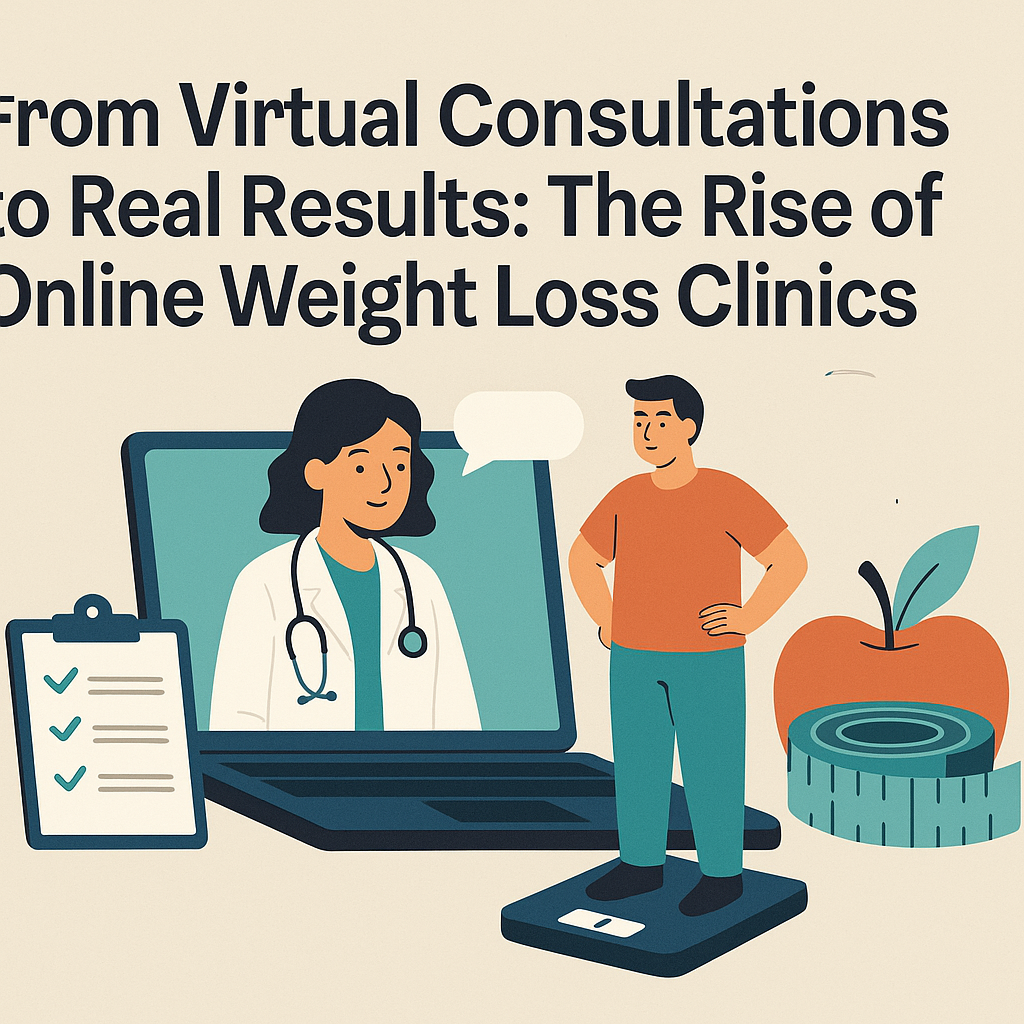
  • From Virtual Consultations to Real Results: The Rise of Online Weight Loss Clinics

    From Virtual Consultations to Real Results: The Rise of Online Weight Loss Clinics

    The landscape of healthcare has transformed dramatically in recent years, particularly with the advent of technology. One significant area of change has been seen in weight loss clinics, where virtual consultations and online services have surged in popularity. This shift not only reflects changing consumer preferences but also aligns with the current push for telehealth solutions, providing a unique intersection of convenience, accessibility, and personalized care.

    Understanding Online Weight Loss Clinics

    Online weight loss clinics are health services that provide expert guidance for individuals seeking to lose weight through virtual platforms. These services typically include nutritional counseling, personalized fitness plans, medication prescriptions, and continuous support from healthcare professionals—all accessible from the comfort of home.

    The Convenience Factor

    One of the most significant advantages of online weight loss clinics is convenience. Traditional weight loss programs often require in-person visits, which can be a barrier for many. With online clinics, patients can attend consultations and access resources from any location, at any time. This flexibility caters to busy lifestyles, allowing individuals to integrate their weight loss journey into their daily routines without the added stress of travel.

    The Role of Technology

    Technology plays a vital role in enhancing the effectiveness of online weight loss clinics. From mobile applications for tracking food intake and physical activity to virtual platforms that facilitate real-time consultations, cutting-edge tools make it easier to monitor progress and stay engaged. Many clinics utilize artificial intelligence and machine learning to deliver personalized recommendations based on users’ health data and preferences.

    Personalized Plans and Accountability

    Newer clients often seek customized solutions tailored to their unique needs, preferences, and lifestyle factors. Online weight loss clinics leverage advanced algorithms and qualified nutritionists to create individualized meal plans and exercise regimes. This degree of personalization can significantly enhance motivation and adherence to the program.

    Accountability is another crucial element of successful weight loss, and online clinics implement various methods to keep clients engaged. Regular check-ins via video calls or messaging apps allow healthcare providers to track progress and offer encouragement. Many platforms also enable peer support through community forums where individuals can share experiences, challenges, and victories.

    Medical Supervision and Support

    One of the key benefits of online weight loss clinics is the level of medical oversight they offer. Registered dietitians, nutritionists, and physicians are typically involved in client care, ensuring that patients receive comprehensive support tailored to their specific health needs. This medical supervision can be vital for individuals with pre-existing conditions or those who may require medication to assist with weight loss.

    Cost-Effectiveness

    Another appealing aspect of online weight loss clinics is the potential for cost savings. Traditional weight loss programs can involve gym memberships, in-person consultations, and meal delivery services that quickly add up. Many online clinics offer subscription-based services with varying price points that can be more affordable. Additionally, the reduction in travel costs adds to the overall savings.

    Motivational Tools and Resources

    Online weight loss clinics often provide a suite of digital resources designed to keep clients motivated. These can include video tutorials, exercise demonstrations, motivational podcasts, and nutritional workshops. Some clinics even integrate gamification elements, allowing clients to earn rewards for achieving certain milestones or engaging with the program consistently.

    Data Security and Privacy Concerns

    Despite the numerous benefits, it’s essential to consider data security and privacy concerns when using online weight loss clinics. Clients share sensitive health information that needs to be protected. Reputable clinics prioritize cybersecurity and comply with regulations like HIPAA to safeguard patient data. Prospective clients should always verify that the platform they choose uses secure communication channels and has established privacy policies.

    The Future of Online Weight Loss Clinics

    The evolving field of telehealth suggests that online weight loss clinics will continue to grow in prominence. As technology advances and societal attitudes shift towards remote care, more individuals will likely seek the convenience and personalization offered by these services. Additionally, as research continues to uncover the interconnectedness of mental health, physical health, and weight management, a more holistic approach will likely be adopted by online clinics.

    Conclusion

    The rise of online weight loss clinics marks a significant evolution in the way individuals approach weight management. By combining technology, convenience, personalized care, and medical supervision, these platforms provide a valuable alternative to traditional weight loss methods. As they continue to gain traction, it is crucial for both prospective clients and healthcare providers to stay informed about the developments in this growing field. With the right resources and support, individuals can achieve real results on their weight loss journeys without the barriers that in-person services often entail.

    FAQs

    1. How do online weight loss clinics work?

    Online weight loss clinics operate through digital platforms where clients can access consultations with healthcare professionals, receive personalized meal and exercise plans, and track their progress remotely.

    2. Is online weight loss effective?

    Yes, many studies indicate that online weight loss programs can be effective, particularly when they incorporate personalized plans, accountability measures, and support from healthcare providers.

    3. Are online weight loss clinics safe?

    Reputable online weight loss clinics prioritize client privacy and data security. It’s essential to choose clinics that comply with regulations like HIPAA and utilize secure communication channels to protect sensitive information.

    4. How much do online weight loss services typically cost?

    Costs vary by clinic and program, but online weight loss services often offer subscription models that may be more cost-effective than traditional weight loss options. It’s advisable to compare different clinics and their offerings.

    5. Can I receive medical support through online weight loss clinics?

    Most online weight loss clinics have registered dietitians, nutritionists, and physicians available to provide medical guidance and support, ensuring a comprehensive approach to weight management.

    6. How do I choose the right online weight loss clinic for me?

    Consider factors such as the clinic’s reputation, the qualifications of its staff, the types of services offered, client reviews, and privacy policies before making a decision. It’s also beneficial to engage in an initial consultation to gauge compatibility.

  • GLP-1 Treatments: Are They Worth the Cost?

    GLP-1 Treatments: Are They Worth the Cost?

    In recent years, GLP-1 receptor agonists have emerged as a popular class of medications for the management of type 2 diabetes and weight loss. Medications like semaglutide (Ozempic, Wegovy) and liraglutide (Saxenda) have garnered significant attention, both for their effectiveness and their notoriously high price tags. This article explores the mechanisms, benefits, drawbacks, and financial implications of GLP-1 treatments. Ultimately, we aim to determine whether these therapies are worth the substantial investment.

    Understanding GLP-1 and Its Role in Diabetes Management

    GLP-1, or glucagon-like peptide-1, is a hormone secreted in response to food intake. It plays a crucial role in glucose metabolism by:

    • Stimulating insulin secretion from the pancreas.
    • Inhibiting glucagon release, which prevents the liver from releasing too much glucose.
    • Slowing gastric emptying, leading to reduced appetite and food intake.

    GLP-1 receptor agonists are engineered to mimic the effects of naturally occurring GLP-1, providing a multifaceted approach to managing blood sugar levels while also facilitating weight loss.

    Benefits of GLP-1 Treatments

    GLP-1 receptor agonists have demonstrated multiple benefits that extend beyond glycemic control, particularly for individuals with type 2 diabetes and obesity. Some notable advantages include:

    1. Enhanced Glycemic Control

    Studies have shown that GLP-1 treatments effectively lower HbA1c levels, a key marker for long-term glucose control. Patients typically experience significant reductions in blood sugar, which can lead to fewer diabetes-related complications.

    2. Weight Loss

    Many patients on GLP-1 treatments report substantial weight loss. The mechanism involves reduced appetite and enhanced satiety, allowing for easier caloric restriction. This aspect is especially appealing for individuals struggling with obesity or overweight challenges.

    3. Cardiovascular Benefits

    Recent studies indicate that certain GLP-1 agonists may reduce the risk of major cardiovascular events in patients with diabetes. This is particularly vital considering the link between diabetes, obesity, and cardiovascular diseases.

    4. Convenience of Administration

    Most GLP-1 medications come in easy-to-use injectable forms—often requiring just once-weekly doses, thereby enhancing adherence compared to other regimens that may necessitate daily dosages.

    Drawbacks and Risks of GLP-1 Treatments

    Despite their promising benefits, GLP-1 treatments are not without their drawbacks. Patients considering these therapies must also weigh the potential side effects and risks.

    1. Cost

    The most significant drawback is often the cost. GLP-1 medications are among the most expensive diabetes treatments available. Many patients may face hefty out-of-pocket costs, especially if their insurance does not cover the full price, which can exceed $1,000 per month.

    2. Side Effects

    Common side effects can include:

    • Nausea
    • Vomiting
    • Diarrhea
    • Gastrointestinal discomfort

    While these symptoms often diminish over time, they can deter some individuals from continuing treatment.

    3. Long-Term Safety

    As with any medication, the long-term effects of GLP-1 receptor agonists are not entirely known. There’s ongoing concern surrounding potential risks, such as pancreatitis or thyroid cancer, although current research has not definitively confirmed these associations.

    Comparing Costs: Are GLP-1 Treatments Justifiable?

    The cost of GLP-1 treatments raises an essential question: are they worth the financial investment? The answer is complex and highly individualized. Here are some key considerations:

    1. Impact on Quality of Life

    For many patients, the substantial benefits of improved glycemic control and significant weight loss outweigh the high costs. Improved health can lead to a better quality of life, enhanced mental well-being, and lower long-term medical expenses associated with diabetes complications.

    2. Comparison with Other Treatments

    While GLP-1 therapies are expensive, their effectiveness may reduce the need for additional medications (like insulin or other diabetes drugs) that can also incur costs. Furthermore, their cardiovascular benefits may lead to lesser healthcare costs over time, offsetting the initial expense.

    3. Alternative Financing Options

    Patients can explore alternative financing options, such as manufacturer coupons, patient assistance programs, or discussing non-branded options with their healthcare provider. This can significantly mitigate the financial burden for those eligible.

    Conclusion

    In conclusion, GLP-1 receptor agonists represent a significant advancement in the management of type 2 diabetes and obesity. Their multiple benefits, including effective glycemic control, meaningful weight loss, and potential cardiovascular protection, make them an attractive option for many patients. However, the high cost coupled with potential side effects cannot be overlooked.

    Ultimately, the decision to pursue GLP-1 treatments should be made collaboratively with healthcare providers, considering individual health conditions, financial situations, and long-term health goals. For those who can afford them, GLP-1 treatments could very well be worth the cost, leading to improved health outcomes and enhanced quality of life.

    FAQs

    1. What are GLP-1 medications used for?

    GLP-1 medications are primarily used for managing type 2 diabetes and promoting weight loss in individuals who are overweight or obese.

    2. Are GLP-1 treatments safe?

    While generally considered safe, GLP-1 treatments can have side effects and potential risks. Patients should consult their healthcare provider for personalized advice.

    3. How much do GLP-1 treatments cost?

    The cost of GLP-1 treatments can exceed $1,000 per month. Insurance coverage varies, and it may be beneficial to explore manufacturer discounts or patient assistance programs.

    4. Can GLP-1 medications be used alongside other diabetes treatments?

    Yes, GLP-1 medications can often be combined with other diabetes medications. It’s crucial to work closely with a healthcare provider to create an effective treatment plan.

    5. How quickly can I expect results from GLP-1 treatments?

    Patients may begin to notice improvements in blood sugar levels within a few weeks, while significant weight loss may take longer and varies by individual.

    Disclaimer: This article is for informational purposes only and does not constitute medical advice. Always consult a healthcare professional for medical concerns.

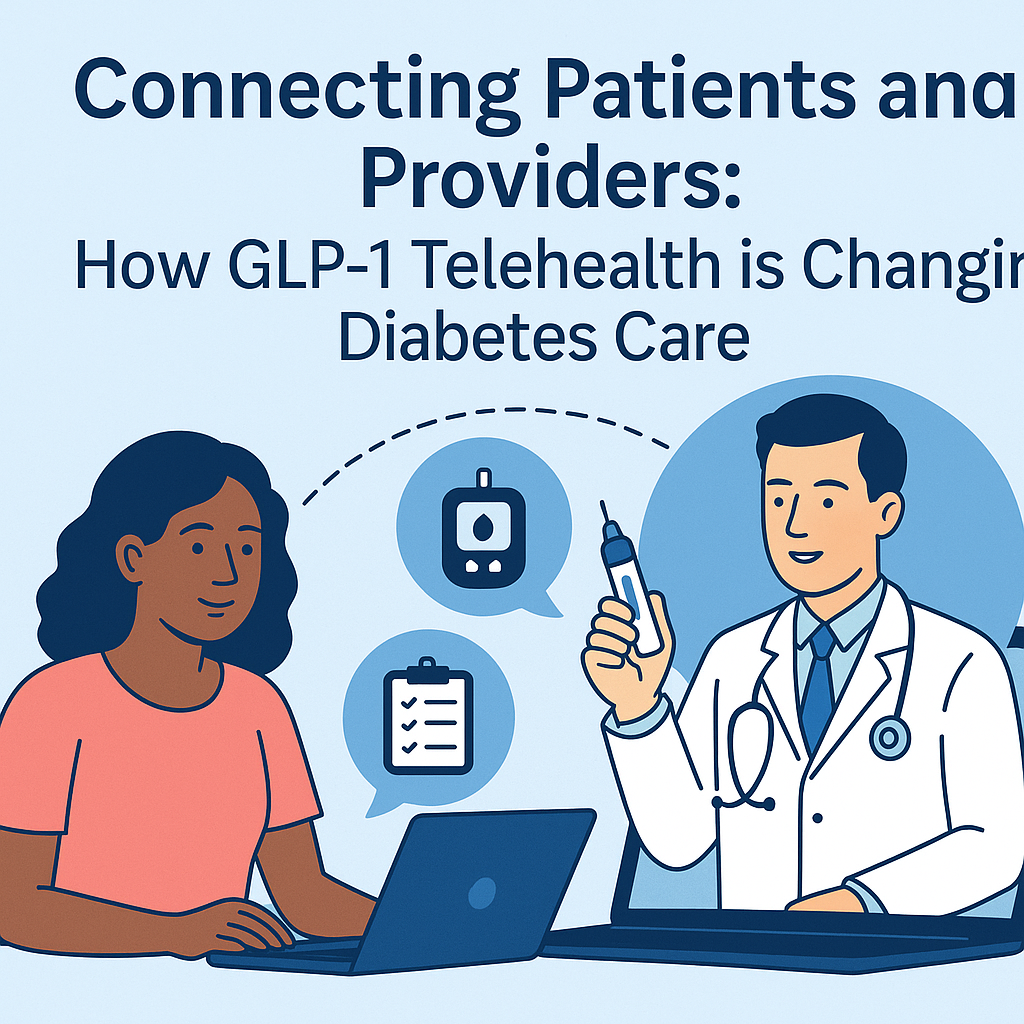
  • Connecting Patients and Providers: How GLP-1 Telehealth is Changing Diabetes Care

    Connecting Patients and Providers: How GLP-1 Telehealth is Changing Diabetes Care

    Diabetes has emerged as one of the most pressing health challenges of our time, with millions of people affected globally. In the face of these challenges, GLP-1 (glucagon-like peptide-1) receptor agonists represent a promising class of medications for managing type 2 diabetes. Along with this medical advancement, the rise of telehealth has transformed the landscape of diabetes care, allowing patients to access healthcare providers more easily than ever before. This article explores how GLP-1 telehealth is changing diabetes care by improving access, enhancing patient engagement, and providing a more tailored treatment experience.

    Understanding GLP-1 Medications

    GLP-1 receptor agonists are a class of medications that mimic the action of the GLP-1 hormone, which plays a crucial role in glucose metabolism. These medications help lower blood sugar levels, promote weight loss, and even improve cardiovascular health in people with type 2 diabetes.

    Some commonly prescribed GLP-1 agonists include:

    • Exenatide (Byetta, Bydureon)
    • Liraglutide (Victoza, Saxenda)
    • Dulaglutide (Trulicity)
    • Semaglutide (Ozempic, Wegovy)

    Given the effectiveness of these medications, patients often require thorough guidance and monitoring from healthcare providers to achieve optimal results. This is where telehealth comes into play.

    The Rise of Telehealth in Diabetes Management

    Telehealth has gained momentum in recent years, particularly due to its robust capabilities in providing remote consultations, monitoring, and education. The COVID-19 pandemic accelerated this trend as healthcare systems grappled with the need for social distancing and reduced in-person visits.

    Telehealth offers several benefits for diabetes care:

    • Convenience: Patients can consult healthcare providers from the comfort of their homes.
    • Accessibility: Remote consultations can bridge gaps for patients living in rural or underserved areas.
    • Continuity of Care: Patients can maintain regular check-ins, ensuring that their diabetes management plans are up-to-date.

    Connecting Patients with GLP-1 Therapies via Telehealth

    Enhanced Communication Channels

    One of the most significant impacts of telehealth on GLP-1 therapy is the enhanced communication between patients and providers. Virtual consultations allow patients to discuss their experiences with GLP-1 medications, including side effects and effectiveness, in real time. Providers can use these platforms to make swift decisions regarding treatment adjustments based on individual patient needs.

    Patient Education and Empowerment

    Education is pivotal in managing diabetes effectively. Through telehealth platforms, healthcare providers can offer tailored educational resources to patients. This includes guidance on medication adherence, dietary recommendations, and exercise regimens, thus empowering patients to take charge of their health.

    Personalized Treatment Plans

    GLP-1 therapy is not a one-size-fits-all solution. By utilizing telehealth, healthcare providers can create personalized treatment plans based on a patient’s lifestyle, preferences, and health objectives. Regular virtual consultations facilitate ongoing adjustments to treatment plans, ensuring that patients receive the most effective care.

    Monitoring and Data Collection

    Telehealth technology enables continuous monitoring of patients’ health data, which is invaluable for diabetes management. Providers can track blood sugar levels, weight changes, and other vital metrics. This data is crucial for making informed decisions regarding the effectiveness of GLP-1 therapy and the need for potential adjustments.

    Wearable devices and apps can also play a significant role in this data collection, allowing for real-time feedback during virtual consultations. The capacity to analyze this data aids in enhancing treatment outcomes and achieving better overall health for patients.

    Challenges and Considerations

    While the integration of GLP-1 medications and telehealth offers numerous advantages, it also presents specific challenges:

    Technology Barriers

    Not all patients have access to the necessary technology or reliable internet connectivity to utilize telehealth effectively. This digital divide can lead to disparities in diabetes care.

    Provider Training and Adaptation

    Healthcare providers must adapt to new technologies and approaches in telehealth. This requires training and resources, which may not always be readily available.

    Patient Engagement

    Ensuring sustained engagement in a virtual environment can sometimes be challenging. Patients may feel disconnected or less accountable in a telehealth context, hampering their adherence to treatment plans.

    Case Studies: Success Stories in GLP-1 Telehealth

    Numerous case studies illustrate the effectiveness of combining GLP-1 medications with telehealth. For instance, patients enrolled in remote diabetes management programs have reported significant improvements in their HbA1c levels, weight loss, and overall quality of life.

    One notable case involved a 55-year-old patient with type 2 diabetes who switched to remote telehealth consultations after experiencing burnout from traditional clinic visits. With regular virtual appointments, personalized care plans, and increased access to educational resources, the patient successfully lost weight and improved their blood sugar levels within just a few months.

    Future Directions for GLP-1 Telehealth

    The future of diabetes care is likely to become increasingly intertwined with technological advancements. As telehealth continues to evolve, we can expect to see enhanced integration of artificial intelligence, machine learning, and remote monitoring tools in the management of diabetes.

    These advancements will not only improve patient outcomes but also allow for more efficient healthcare delivery, ultimately reducing unnecessary visits to healthcare facilities. Furthermore, regulations and reimbursement policies will likely evolve in favor of telehealth, making it a sustainable option for chronic disease management.

    Conclusion

    GLP-1 telehealth is transforming diabetes care by providing a platform for enhanced patient-provider connections, personalized treatment plans, and ongoing monitoring. Although challenges persist, the benefits of telehealth in managing diabetes are clear. As technology continues to advance, we can expect even more significant improvements in patient outcomes and care delivery within the realm of diabetes management. It reflects a promising future where patients feel empowered to manage their diabetes effectively, with the right support at their fingertips.

    FAQs

    1. What are GLP-1 medications?

    GLP-1 medications are a class of drugs that mimic the GLP-1 hormone to help manage blood sugar levels in individuals with type 2 diabetes. They can also aid in weight loss.

    2. How does telehealth work for diabetes management?

    Telehealth allows patients to consult with healthcare providers remotely through video calls, phone calls, or messaging, making diabetes management more accessible and convenient.

    3. What are the benefits of combining GLP-1 therapy with telehealth?

    Benefits include enhanced communication, personalized treatment plans, improved patient engagement, and ongoing monitoring of health data.

    4. Are there any challenges associated with GLP-1 telehealth?

    Yes, challenges include technology barriers, provider training needs, and ensuring sustained patient engagement in a virtual context.

    5. What does the future look like for GLP-1 telehealth?

    The future may include greater integration of AI and machine learning, improved monitoring tools, and evolving regulations that support telehealth as a sustainable option for diabetes management.

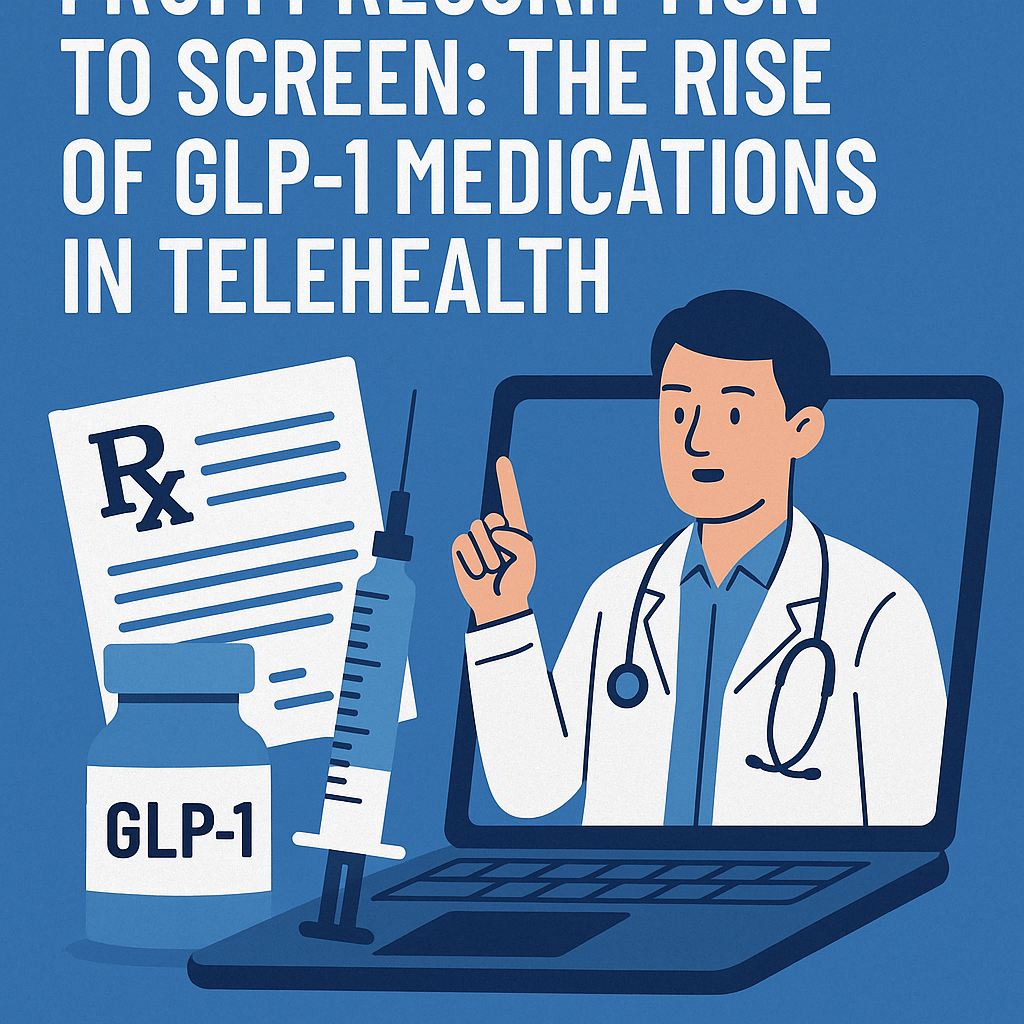
  • From Prescription to Screen: The Rise of GLP-1 Medications in Telehealth

    From Prescription to Screen: The Rise of GLP-1 Medications in Telehealth

    As the world adapts to groundbreaking digital solutions, healthcare is no exception. The rise of telehealth has transformed how patients receive care, aligning well with the growing prominence of GLP-1 (glucagon-like peptide-1) medications. Initially created for managing type 2 diabetes, these medications are now gaining more attention as effective weight-loss solutions. This article explores the seamless integration of GLP-1 medications into telehealth platforms and their implications for both patients and healthcare providers.

    Understanding GLP-1 Medications

    GLP-1 medications mimic the effects of the natural hormone GLP-1, which plays a role in glucose metabolism and appetite regulation. These medications include popular options like semaglutide (Ozempic, Wegovy) and liraglutide (Saxenda). Initially developed to manage diabetes, they have shown significant efficacy in promoting weight loss, leading to their increased off-label use in obesity treatment.

    The Role of Telehealth in Medication Management

    Telehealth has emerged as a vital tool for patient management, especially during the COVID-19 pandemic, when in-person visits were limited. Defined as remote healthcare services delivered via telecommunication technologies, telehealth offers numerous advantages:

    • Increased Accessibility: Patients can consult healthcare providers from the comfort of their homes, overcoming geographical barriers.
    • Convenient Follow-ups: Regular check-ins become more manageable, allowing for effective monitoring of treatment progress.
    • Reduced Healthcare Costs: Telehealth can lower the cost of care by minimizing travel and time-off from work.

    The Intersection of GLP-1 Medications and Telehealth

    As telehealth platforms become more sophisticated, they are increasingly well-suited to support the use of GLP-1 medications. Here’s how:

    1. Remote Assessments and Prescriptions

    Online consultations allow healthcare providers to evaluate patients’ suitability for GLP-1 medications without the need for in-person visits. Virtual assessments can effectively address patients’ medical history, current health status, and treatment goals. Once deemed appropriate, prescriptions can be issued electronically, streamlining the process.

    2. Continuous Monitoring and Feedback

    Telehealth enables continuous patient monitoring through secure messaging, video calls, and mobile health applications. Patients using GLP-1 medications benefit from regular contact with healthcare providers, which fosters accountability and encourages adherence to treatment plans.

    3. Educational Resources

    Patients often require extensive information to understand how to administer GLP-1 medications properly. Telehealth platforms can integrate educational modules and provide resources on diet, exercise, and managing side effects. This education empowers patients to take an active role in their health.

    4. Behavioral Support

    Weight loss is a complex journey that often requires behavioral changes. Telehealth services can offer virtual therapy sessions, support groups, and counseling to help patients navigate the psychological aspects of weight management alongside medication.

    The Benefits of GLP-1 Medications in a Telehealth Setting

    Combining GLP-1 medications with telehealth offers several advantages:

    • Convenient Access to Treatment: Patients can start their weight loss journey without the barriers associated with traditional healthcare systems.
    • Timely Adjustments: Providers can make prompt adjustments to dosages based on real-time feedback, optimizing treatment outcomes.
    • Increased Patient Engagement: Telehealth fosters a more engaged patient-provider relationship, which can enhance adherence and promote lifestyle changes.

    Challenges and Considerations

    Despite the numerous advantages, the integration of GLP-1 medications into telehealth is not without challenges:

    1. Regulatory Hurdles

    Telehealth regulations vary significantly between regions, affecting how medications can be prescribed and managed remotely. Providers must navigate these regulations to ensure compliance while meeting patients’ needs.

    2. Technological Barriers

    Not all patients have equal access to technology or the internet, which can hinder their ability to utilize telehealth services. Attention must be paid to bridging the digital divide.

    3. Patient Education and Self-Management

    Successful treatment with GLP-1 medications often relies on patients’ understanding of self-management techniques. Telehealth providers must invest time and resources into educating their patients effectively.

    The Future of GLP-1 Medications and Telehealth

    The trend of integrating GLP-1 medications into telehealth is only expected to grow. As healthcare systems continue adopting digital solutions, the following trends are anticipated:

    • Enhanced Personalization: Data analytics will enable providers to tailor treatments based on individual patient profiles.
    • Comprehensive Care Models: The move towards holistic treatment will see doctors, dietitians, and mental health professionals collaborating across telehealth platforms.
    • Research and Development: Further research may lead to the development of new GLP-1 medications and delivery methods, making treatments even more effective and accessible.

    Conclusion

    The rise of GLP-1 medications in telehealth represents a significant advancement in the management of obesity and type 2 diabetes. By bridging the gap between prescription medications and virtual healthcare, telehealth is revolutionizing patient experience and accessibility. However, challenges remain in regulation, technology access, and education. Addressing these challenges will be crucial for maximizing the potential of GLP-1 medications in telehealth settings and ensuring that all patients can benefit from this innovative approach to healthcare.

    FAQs

    1. What are GLP-1 medications used for?

    GLP-1 medications are primarily used to treat type 2 diabetes and have been shown to promote weight loss in individuals with obesity.

    2. How do GLP-1 medications work?

    GLP-1 medications mimic the incretin hormone, which regulates blood sugar levels and reduces hunger, leading to improved glycemic control and weight loss.

    3. Can I get GLP-1 medications through telehealth?

    Yes, many telehealth providers can assess, prescribe, and monitor GLP-1 medications through virtual consultations.

    4. Are there side effects associated with GLP-1 medications?

    Common side effects can include nausea, diarrhea, and vomiting. It’s critical to discuss any concerns with your healthcare provider during telehealth consultations.

    5. Is telehealth as effective as in-person consultations for managing GLP-1 medications?

    Telehealth has been shown to be highly effective for managing GLP-1 medications, offering convenience and accessibility while allowing for continuous patient monitoring and education.

  • The Science Behind GLP-1: A Revolutionary Approach to Appetite Regulation

    The Science Behind GLP-1: A Revolutionary Approach to Appetite Regulation

    In recent years, the scientific community has witnessed significant advancements in obesity management and appetite regulation. One notable breakthrough is the role of glucagon-like peptide-1 (GLP-1), a hormone that has garnered attention for its capabilities in regulating appetite and enhancing metabolic processes. Understanding GLP-1 can illuminate pathways toward effective weight loss treatments and greater metabolic health.

    What is GLP-1?

    GLP-1 is an incretin hormone produced in the intestines in response to food intake. It plays a multifaceted role in glucose metabolism and appetite regulation. Specifically, GLP-1 has the following functions:

    • Enhances insulin secretion in a glucose-dependent manner.
    • Inhibits glucagon secretion, which helps in reducing liver glucose production.
    • Slows gastric emptying, leading to prolonged feelings of fullness.
    • Affects central nervous system pathways that influence appetite.

    The Mechanism of GLP-1 Action

    GLP-1’s effectiveness stems from its interaction with various receptors in the body. The GLP-1 receptor (GLP-1R) is predominantly located in the pancreas, brain, and gastrointestinal tract. Here’s how it operates:

    • Appetite Regulation: GLP-1 crosses the blood-brain barrier and binds to GLP-1 receptors in the hypothalamus, a region of the brain responsible for hunger and satiety. This binding triggers signals that decrease appetite and promote feelings of fullness.
    • Insulin Secretion: When glucose levels rise after a meal, GLP-1 enhances the secretion of insulin, a hormone crucial for lowering blood glucose levels. This effect helps prevent post-meal hyperglycemia, supporting metabolic health.
    • Gastric Emptying: By slowing the rate at which food leaves the stomach, GLP-1 prolongs the sensation of fullness, allowing for better appetite control and weight management.

    GLP-1 and Weight Loss

    The weight loss potential of GLP-1 is a result of its combined effects on appetite suppression and metabolic regulation. Clinical studies have demonstrated that GLP-1 analogs, such as semaglutide and liraglutide, can significantly aid in weight loss for individuals with obesity. Some notable findings include:

    • Participants treated with GLP-1 receptor agonists experienced greater weight loss than those on placebo.
    • Improvements in clinical markers such as blood sugar levels and lipid profiles were also commonly observed.
    • Patients reported fewer cravings and more manageable eating patterns.

    Clinical Applications of GLP-1

    GLP-1-based therapies are not only beneficial for weight management but also play a role in treating type 2 diabetes. These therapies focus on:

    • Improving glycemic control by facilitating proper insulin response.
    • Reducing cardiovascular risks associated with obesity and diabetes.

    The success of GLP-1 receptor agonists in these applications has led to growing interest in developing more treatments targeting GLP-1 pathways. For individuals struggling with obesity, GLP-1 provides a promising avenue to achieve and maintain significant weight loss while concurrently enhancing overall health.

    Potential Side Effects and Considerations

    While GLP-1 therapies present several benefits, they are not without potential side effects. Common side effects experienced by patients include:

    • Nausea
    • Vomiting
    • Diarrhea
    • Potential risk of pancreatitis

    It is essential that patients considering GLP-1 therapies consult with healthcare providers to assess risks and benefits, particularly for those with a history of pancreatitis or other gastrointestinal disorders. Regular monitoring and adjustments in treatment may be necessary to ensure optimal outcomes.

    The Future of GLP-1 Research

    Research surrounding GLP-1 is still evolving, with several exciting avenues exploring its broader applications. Potential areas under investigation include:

    • Combination therapies with other weight management and diabetes medications for enhanced efficacy.
    • Studies examining GLP-1’s effects beyond appetite regulation, including neuroprotective properties and its influence on various metabolic disorders.

    As our understanding of GLP-1 deepens, it holds the potential to revolutionize how we approach obesity, diabetes, and related metabolic conditions.

    Conclusion

    The discovery and understanding of GLP-1 have paved the way for revolutionary approaches in appetite regulation and metabolic health. As an incretin hormone with multiple beneficial properties, GLP-1 offers promising therapeutic options for obesity and type 2 diabetes management. Future research directions suggest even more significant implications beyond current applications. Through a combination of clinical application and continued study, we stand at the forefront of potential breakthroughs in managing obesity and improving overall health outcomes.

    Frequently Asked Questions (FAQs)

    1. What is GLP-1?

    GLP-1, or glucagon-like peptide-1, is a hormone released by the intestines that plays a critical role in regulating appetite, insulin secretion, and gastric emptying.

    2. How does GLP-1 help with weight loss?

    GLP-1 aids weight loss by suppressing appetite, promoting feelings of fullness, enhancing insulin secretion, and slowing gastric emptying, resulting in improved calorie control.

    3. Are GLP-1 therapies safe?

    While generally considered safe, GLP-1 therapies can have side effects, including nausea and gastrointestinal discomfort. Consulting a healthcare provider is essential to determine individual suitability.

    4. Can GLP-1 peptides be used by everyone?

    Not everyone is a candidate for GLP-1 therapies. Individuals with a history of pancreatitis or specific gastrointestinal disorders should consult their healthcare provider before starting treatment.

    5. What’s the future of GLP-1 research?

    Future research may explore the combination of GLP-1 therapies with other treatments, as well as its potential impacts on metabolic disorders and neuroprotection.

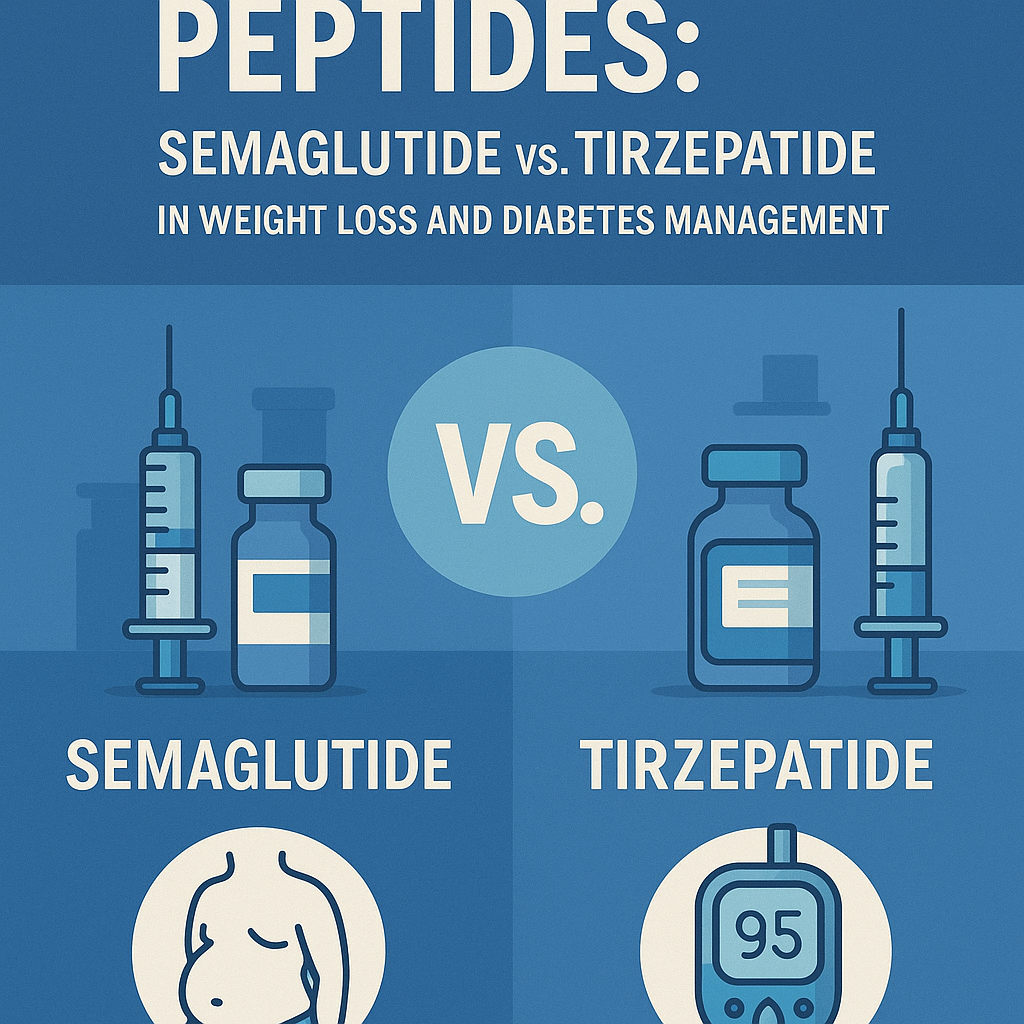
  • The Battle of the Peptides: Semaglutide vs. Tirzepatide in Weight Loss and Diabetes Management

    The Battle of the Peptides: Semaglutide vs. Tirzepatide in Weight Loss and Diabetes Management

    Introduction

    In the realm of weight management and diabetes treatment, the emergence of peptide-based medications has revolutionized how healthcare professionals approach these chronic conditions. Semaglutide and Tirzepatide are two such groundbreaking peptides that have garnered immense attention for their effectiveness. Understanding their mechanisms, benefits, potential drawbacks, and overall impact on patients is essential for anyone considering these treatments.

    Understanding Semaglutide

    Semaglutide is a GLP-1 (glucagon-like peptide-1) receptor agonist, initially approved for the treatment of type 2 diabetes and later for weight management in individuals with obesity. It functions by mimicking the action of incretin hormones, which help regulate blood sugar levels. By doing so, Semaglutide enhances insulin secretion, decreases glucagon levels, and slows gastric emptying, leading to reduced appetite and increased satiety.

    Mechanism of Action

    The primary mechanism through which Semaglutide operates is multi-faceted:

    • Insulin Secretion: Increases the secretion of insulin in response to meals.
    • Glucagon Inhibition: Reduces the production of glucagon, which can raise blood sugar levels.
    • Delayed Gastric Emptying: Slows down how quickly food leaves the stomach.
    • Appetite Regulation: Affects brain centers that manage hunger and fullness.

    Effectiveness in Weight Loss

    In clinical trials, Semaglutide has demonstrated significant weight loss benefits. Participants reportedly lost an average of 15% to 20% of their body weight over a year, achieving results that often surpass those of traditional weight loss medications and lifestyle interventions alone.

    Side Effects

    While Semaglutide is generally well-tolerated, potential side effects include nausea, diarrhea, vomiting, and abdominal pain. More severe risks include pancreatitis and kidney injury, making it essential for patients to discuss medical history and medications with healthcare providers.

    Understanding Tirzepatide

    Tirzepatide, a newer addition to the anti-diabetic arsenal, acts as a dual agonist for GLP-1 and GIP (gastric inhibitory polypeptide) receptors. This dual action is thought to enhance metabolic control further, combining the effects of GLP-1 receptor activation with GIP’s stimulating action on insulin secretion.

    Mechanism of Action

    Tirzepatide’s mechanism is groundbreaking due to its dual agonism:

    • GLP-1 Action: Similar to Semaglutide, it enhances insulin secretion, reduces glucagon, and slows gastric emptying.
    • GIP Action: Stimulates insulin secretion in response to food intake, enhances fat metabolism, and promotes weight loss.

    Effectiveness in Weight Loss

    Clinical trial findings for Tirzepatide are promising. Participants have experienced average weight loss rates higher than those reported for Semaglutide, with some studies showing reductions of 20% to 25% in body weight within the first year.

    Side Effects

    Similar to Semaglutide, Tirzepatide can lead to gastrointestinal side effects, including nausea and vomiting. However, some studies suggest it may have a more favorable side effect profile, including less risk for hypoglycemia because of its dual agonistic action.

    Head-to-Head Comparison

    Both peptides show efficacy and safety in managing diabetes and aiding weight loss, but crucial differences emerge when comparing the two.

    Weight Loss

    While both medications lead to notable weight reduction, Tirzepatide has shown potentially superior results in preliminary studies. Participants saw increased weight loss percentages compared to those taking Semaglutide, indicating that Tirzepatide may offer a more powerful tool for obesity management.

    Glycemic Control

    In studies, both drugs effectively lowered HbA1c levels, a key marker for long-term blood sugar control. However, the dual action of Tirzepatide may contribute to slightly better glycemic control, making it a robust option for patients struggling with high blood sugar levels.

    Side Effects and Tolerability

    Both medications share similar side effects; however, patients often report Tirzepatide as having fewer gastrointestinal side effects, making it potentially easier for some patients to tolerate. That said, individual responses can vary, and a patient’s medical history plays a considerable role in treatment choice.

    Conclusion

    As we navigate the complexities of weight management and diabetes management, both Semaglutide and Tirzepatide stand novelties in the biopharmaceutical arena. Semaglutide has established itself as a reliable option with substantial clinical support, while Tirzepatide offers intriguing new possibilities given its dual receptor activity and resulting efficacy.

    The choice between these two medications should be highly individualized, taking patients’ specific conditions, preferences, and medical histories into account. Consulting a healthcare provider is crucial for a tailored approach to treatment, ensuring that patients receive the most appropriate medication based on their unique health profiles.

    FAQs

    1. How do Semaglutide and Tirzepatide differ in their mechanisms?

    Semaglutide is a GLP-1 receptor agonist, while Tirzepatide activates both GLP-1 and GIP receptors. The dual action of Tirzepatide may lead to enhanced metabolic control.

    2. Which medication is better for weight loss?

    Research suggests that Tirzepatide may produce greater weight loss results than Semaglutide, with some participants experiencing reductions of up to 25% in body weight.

    3. Are there specific side effects associated with each medication?

    Both medications can cause gastrointestinal side effects, including nausea and vomiting. Tirzepatide may have a slightly more favorable side effect profile.

    4. Can I use these medications if I am not diabetic?

    Semaglutide is approved for weight management in patients without diabetes, while Tirzepatide is primarily approved for diabetes management. Consult with a healthcare provider for personalized advice.

    5. How are these medications administered?

    Both Semaglutide and Tirzepatide are administered via subcutaneous injections, typically once a week.

    © 2023 Health Insights

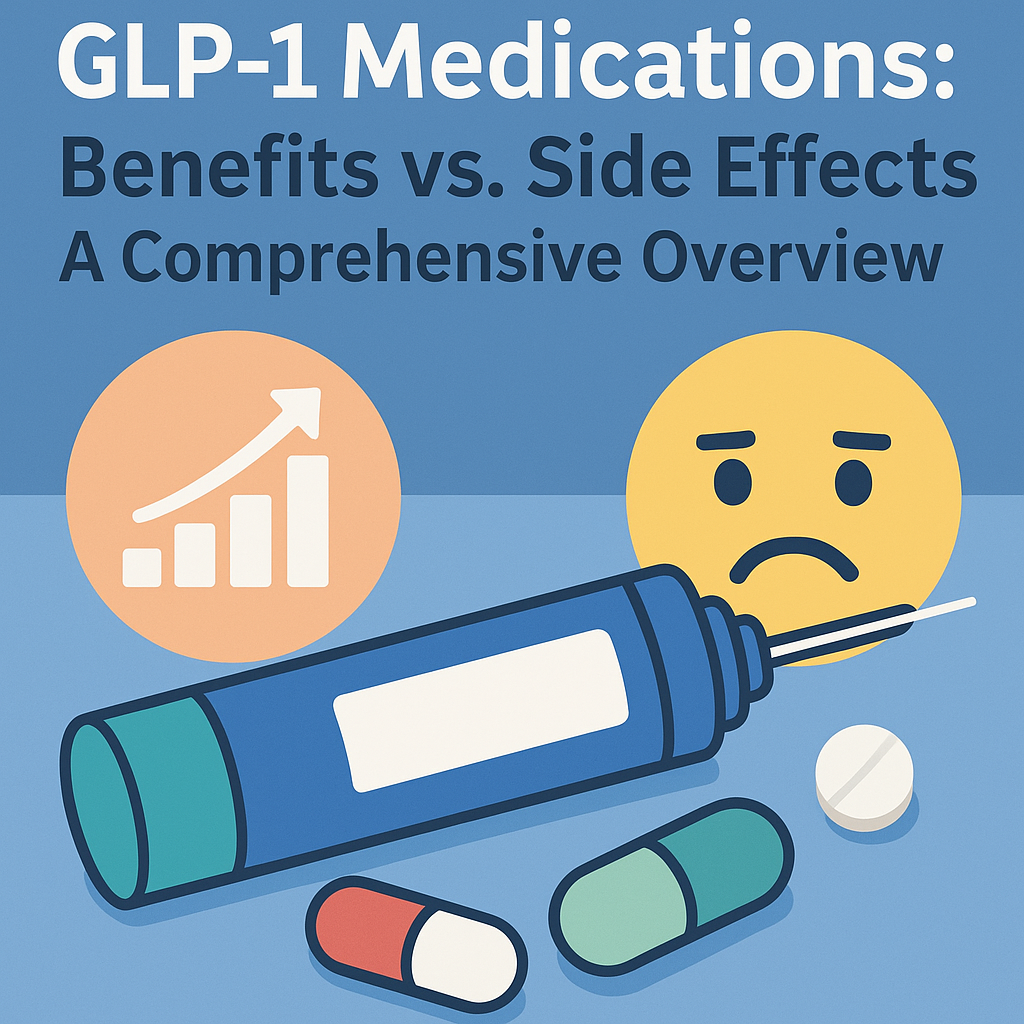
  • GLP-1 Medications: Benefits vs. Side Effects—A Comprehensive Overview

    GLP-1 Medications: Benefits vs. Side Effects—A Comprehensive Overview

    Glucagon-like peptide-1 (GLP-1) medications have gained significant attention for their role in managing type 2 diabetes and obesity. These drugs mimic the effects of the naturally occurring hormone GLP-1, which is involved in the regulation of insulin secretion, appetite, and gastric emptying. This article provides a comprehensive overview of the benefits and side effects of GLP-1 medications, helping patients make informed decisions about their treatment options.

    Understanding GLP-1 Medications

    GLP-1 medications include a class of drugs that primarily function to enhance insulin secretion from the pancreas in response to food intake and suppress glucagon release. Additionally, they promote feelings of fullness and slow gastric emptying, contributing to weight loss. Common GLP-1 medications include:

    • Liraglutide (Victoza, Saxenda)
    • Dulaglutide (Trulicity)
    • Semaglutide (Ozempic, Wegovy)
    • Exenatide (Byetta, Bydureon)

    Benefits of GLP-1 Medications

    GLP-1 medications come with a range of benefits that make them an attractive option for managing diabetes and obesity:

    1. Effective Blood Sugar Control

    One of the primary benefits of GLP-1 medications is their ability to help lower blood sugar levels. By stimulating insulin secretion and reducing glucagon levels, these drugs effectively manage postprandial glucose levels.

    2. Weight Loss

    Many individuals with type 2 diabetes struggle with weight management. GLP-1 medications promote weight loss by enhancing satiety and reducing overall caloric intake. Studies have shown that patients can lose a significant amount of weight when using these medications.

    3. Cardiovascular Benefits

    Certain GLP-1 medications have been shown to reduce cardiovascular risk factors, including lowering blood pressure and improving lipid profiles. This is particularly significant for diabetic patients who are at a higher risk for cardiovascular issues.

    4. Reduced Risk of Hypoglycemia

    Unlike some other diabetes medications, GLP-1 drugs carry a lower risk of causing hypoglycemia (dangerously low blood sugar levels). This makes them a safer option for many patients, especially in combination therapies.

    5. Convenience

    Many GLP-1 medications are administered via weekly injections rather than daily pills, enhancing adherence to the treatment regimen.

    Side Effects of GLP-1 Medications

    While the benefits of GLP-1 medications are compelling, they are not without potential side effects. Patients should be aware of the following:

    1. Gastrointestinal Issues

    Common side effects include nausea, vomiting, diarrhea, and abdominal pain. These issues usually decrease over time as the body adjusts. However, they can be significant enough that some patients discontinue medication.

    2. Risk of Pancreatitis

    There have been reports indicating an increased risk of pancreatitis in patients taking GLP-1 medications. Although this risk is relatively low, it’s vital for patients to recognize the symptoms of pancreatitis, such as severe abdominal pain and vomiting, and seek prompt medical attention if they experience them.

    3. Thyroid Tumors

    Some animal studies have suggested a possible link between GLP-1 medications and the development of thyroid tumors. While this has not been definitively proven in humans, the FDA advises caution, particularly in patients with a personal or family history of medullary thyroid carcinoma or multiple endocrine neoplasia syndrome type 2.

    4. Allergic Reactions

    Though rare, some individuals may experience allergic reactions to GLP-1 medications, which can manifest as rash, itching, or swelling. Anaphylaxis, although exceedingly rare, is a medical emergency that requires immediate attention.

    5. Injection Site Reactions

    As these medications are often administered via injection, some patients may experience local reactions at the injection site, including redness, swelling, or discomfort.

    Who Should Consider GLP-1 Medications?

    GLP-1 medications are particularly beneficial for individuals with type 2 diabetes who are struggling to achieve adequate glucose control through diet and exercise alone. They are also an option for overweight or obese individuals, as the weight-loss benefits may assist in improving their overall health. However, these medications are not recommended for everyone; those with a history of pancreatitis, certain thyroid conditions, or a personal history of medullary thyroid carcinoma should avoid them.

    Conclusion

    GLP-1 medications present a promising option for managing type 2 diabetes and obesity, offering a variety of benefits such as improved blood sugar control and weight loss. However, it’s crucial for patients to weigh these benefits against potential side effects like gastrointestinal issues and the risk of pancreatitis. Consulting a healthcare professional is essential to determine if GLP-1 medications are an appropriate choice based on individual health profiles and treatment goals.

    FAQs

    1. How do GLP-1 medications work?

    GLP-1 medications mimic the action of the hormone glucagon-like peptide-1, which enhances insulin secretion and reduces glucagon release, thus lowering blood sugar levels while promoting satiety.

    2. Can GLP-1 medications be taken with other diabetes medications?

    Yes, GLP-1 medications can be combined with other anti-diabetic drugs, including metformin and insulin, depending on individual treatment plans. Ensure your doctor is managing your therapy.

    3. Are there any dietary restrictions while taking GLP-1 medications?

    While there are no strict dietary restrictions, it is advisable to follow a balanced diet to maximize the effectiveness of the medication and mitigate gastrointestinal side effects.

    4. How long does it take to see results from GLP-1 medications?

    Results can vary; however, many patients may begin to see improvements in blood sugar control and weight loss within a few weeks of starting the medication.

    5. Is long-term use of GLP-1 medications safe?

    Studies suggest that long-term use is generally safe for most patients, but ongoing monitoring and consultation with your healthcare provider are crucial to ensuring the best outcomes.

  • Unlocking the Secrets of GLP-1: The Key to Melting Away Belly Fat

    Unlocking the Secrets of GLP-1: The Key to Melting Away Belly Fat

    In recent years, the spotlight has been shining brightly on GLP-1 (Glucagon-Like Peptide-1), a remarkable hormone that is making waves in the world of weight loss. Research has shown that GLP-1 plays a crucial role in regulating appetite, enhancing insulin sensitivity, and promoting fat loss, especially in the stubborn belly area. Understanding how GLP-1 works can provide valuable insights for those struggling with weight management, particularly in the context of obesity and metabolic health.

    What is GLP-1?

    GLP-1 is an incretin hormone produced in the intestines. Its primary function is to enhance insulin secretion from the pancreas in response to nutrient intake, thereby helping to regulate blood sugar levels. As an incretin, GLP-1 signals the body to reduce the production of glucagon, a hormone that raises blood glucose levels. This dual action aids not only in stabilizing blood sugar levels but also in controlling appetite.

    The Role of GLP-1 in Weight Loss

    With rising rates of obesity, effective weight management strategies are more critical than ever. Enter GLP-1, which has been shown to impact weight loss positively through several mechanisms:

    • Appetite Suppression: GLP-1 enhances satiety, making you feel full longer after eating. By minimizing hunger pangs, it naturally leads to reduced calorie intake.
    • Increased Energy Expenditure: Studies show that GLP-1 can boost metabolic rates, helping the body burn more calories even at rest.
    • Fat Oxidation: GLP-1 promotes the burning of stored fat for energy, targeting those stubborn fat deposits most notably found in the abdominal region.

    GLP-1 in Clinical Trials

    Numerous clinical trials have explored the efficacy of GLP-1 agonists—medications that mimic the effects of GLP-1—in promoting weight loss. These agonists have been associated with significant reductions in body weight, body mass index (BMI), and waist circumference. Here are a few notable findings:

    • Liraglutide: This GLP-1 agonist was shown to result in an average weight loss of 5-10% from baseline in obese individuals over a 56-week period.
    • Semaglutide: A newer GLP-1 agonist demonstrated even more impressive results, with participants losing an average of 15% of their body weight in a year.

    How GLP-1 Works in the Body

    GLP-1 exerts its effects via multiple biological pathways. When released after a meal, the hormone travels through the bloodstream to target various organs:

    • Brain: GLP-1 acts on appetite-regulating centers, such as the hypothalamus, to promote feelings of fullness and reduce hunger.
    • Pancreas: It stimulates insulin secretion while suppressing glucagon, leading to reduced blood sugar levels and enhancing energy availability.
    • Stomach: By slowing gastric emptying, GLP-1 prolongs the feeling of fullness, contributing to lower food intake.

    Dietary Influence on GLP-1 Levels

    Your diet can have a significant impact on GLP-1 levels. Foods that are high in fiber, protein, and healthy fats are known to promote GLP-1 secretion. Here are some dietary strategies to consider:

    • High-Protein Foods: Include lean meats, fish, dairy, legumes, and plant-based proteins to stimulate GLP-1 production.
    • Fibrous Vegetables: Incorporate a variety of vegetables, especially those high in fiber like spinach, broccoli, and carrots.
    • Healthy Fats: Foods like avocados, nuts, and olive oil can support GLP-1 levels and overall metabolic health.

    The Role of Exercise

    Physical activity is another vital component for enhancing GLP-1 levels. Regular exercise, particularly resistance training and aerobic workouts, has been shown to increase GLP-1 secretion. Incorporating physical activity into your routine can help optimize weight loss efforts in conjunction with dietary changes.

    Potential Side Effects and Considerations

    While GLP-1 agonists have shown remarkable efficacy for weight loss, they may not be appropriate for everyone. Common side effects can include:

    • Nausea
    • Diarrhea
    • Vomiting
    • Abdominal pain

    It’s essential to consult a healthcare provider before starting any GLP-1 medication, especially if you have underlying health conditions or are taking other medications.

    Conclusion

    In summary, GLP-1 is emerging as a revolutionary player in the realm of weight loss. Its ability to regulate appetite, enhance metabolic rate, and promote fat oxidation positions it as a key factor in combating obesity and achieving healthier body composition. By understanding the mechanisms at play and considering dietary and lifestyle strategies, individuals can take proactive steps toward leveraging GLP-1 for improved health outcomes. As the body of research continues to grow, so does the potential for GLP-1 to transform approaches to weight management.

    FAQs

    What are GLP-1 agonists?

    GLP-1 agonists are medications that mimic the effects of the naturally occurring GLP-1 hormone, helping to regulate blood sugar levels and promote weight loss.

    Can I increase GLP-1 levels naturally?

    Yes! Consuming a diet rich in protein, fiber, and healthy fats, along with regular exercise, can help enhance natural GLP-1 secretion.

    Are there any risks associated with GLP-1 medications?

    Some individuals may experience side effects like nausea, diarrhea, or abdominal pain. It’s essential to discuss potential risks with your healthcare provider.

    How long does it take to see results from GLP-1 medications?

    Results can vary based on individual factors, but many patients report significant weight loss within a few months of starting GLP-1 therapy.

    Is GLP-1 the future of weight management?

    As research continues to amplify our understanding of GLP-1 and its role in weight loss, it holds considerable promise as a part of integrated weight management strategies.

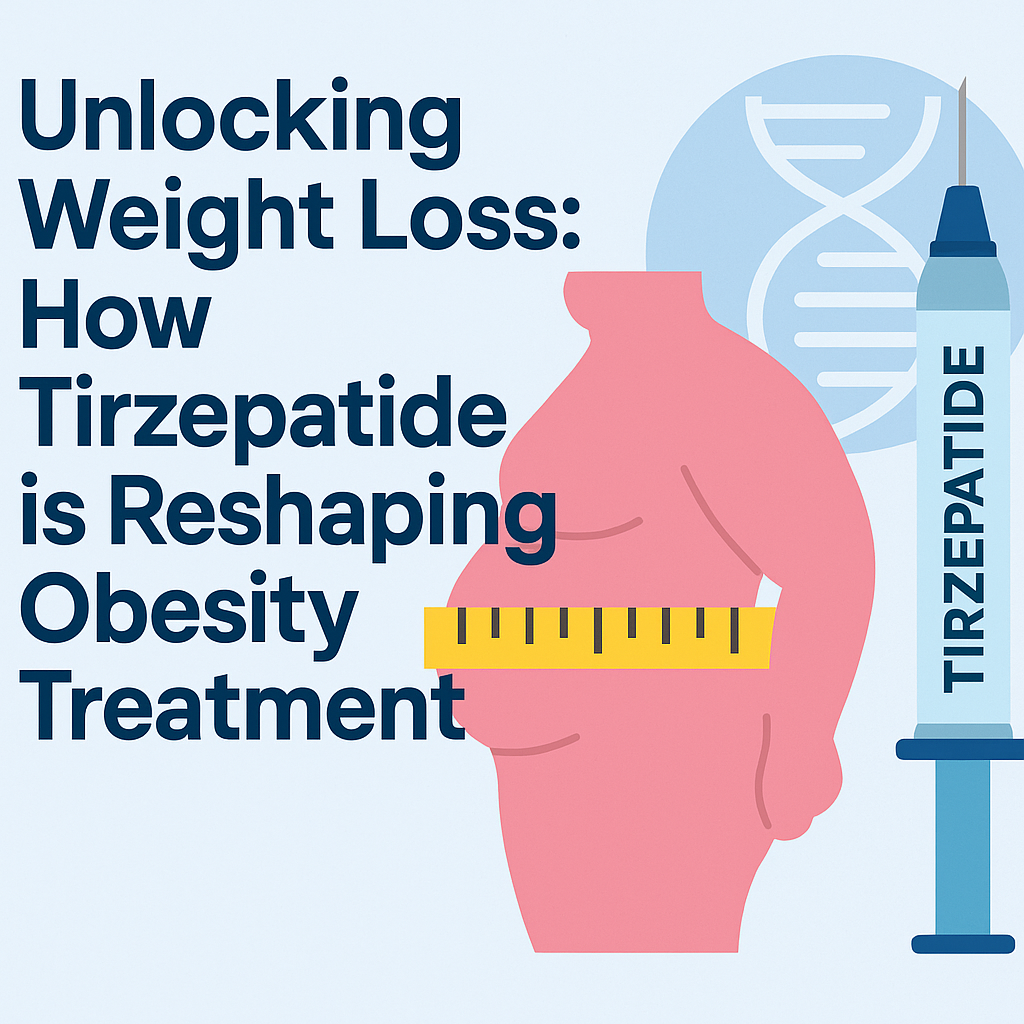
  • Unlocking Weight Loss: How Tirzepatide is Reshaping Obesity Treatment

    Unlocking Weight Loss: How Tirzepatide is Reshaping Obesity Treatment

    Obesity has become a global epidemic, affecting millions of individuals and significantly impacting public health. Traditional weight loss methods, including dietary changes and exercise, often fall short for those struggling with obesity. Recently, a new pharmaceutical intervention has entered the spotlight: Tirzepatide. This groundbreaking medication is not only reshaping the treatment landscape for obesity but also unlocking new possibilities in sustaining weight loss effectively.

    Understanding Tirzepatide

    Tirzepatide is a novel medication that was developed as a dual agonist, targeting the glucagon-like peptide-1 (GLP-1) and glucose-dependent insulinotropic peptide (GIP) receptors. Initially aimed at treating type 2 diabetes, its obesity-reducing effects have captured the attention of both researchers and healthcare providers.

    Mechanism of Action

    The mechanism of action for Tirzepatide is multifaceted:

    • Appetite Suppression: By activating the GLP-1 and GIP receptors, Tirzepatide significantly reduces appetite, leading to decreased caloric intake.
    • Enhanced Insulin Sensitivity: Tirzepatide improves insulin sensitivity, which is particularly beneficial for individuals with insulin resistance.
    • Increased Energy Expenditure: The drug may also help in boosting metabolic rate, aiding in further weight loss.

    The Clinical Evidence

    Clinical trials have demonstrated the effectiveness of Tirzepatide in promoting weight loss among individuals with obesity. The most notable study, the SURPASS-2 trial, highlighted significant weight reductions in participants treated with Tirzepatide compared to those receiving a placebo.

    Key Findings from Clinical Trials

    • Participants on Tirzepatide experienced an average weight loss of approximately 15% to 20% of their initial body weight over 72 weeks, a result that surpasses many existing weight loss pharmaceuticals.
    • The medication was well-tolerated, with common side effects including nausea and gastrointestinal discomfort, which were generally mild.
    • Participants reported improved quality of life measures, including reduced feelings of hunger and increased satisfaction with their weight loss journey.

    Advantages of Tirzepatide Over Traditional Interventions

    Tirzepatide offers several advantages over traditional obesity management strategies:

    1. Efficacy

    One of the primary challenges in weight management is achieving and maintaining significant weight loss. Tirzepatide provides a more potent solution that can lead to substantial and sustained weight reduction.

    2. Convenience

    Unlike many lifestyle interventions that require substantial behavioral changes, Tirzepatide provides a pharmacological solution that can be administered easily, thus lowering the barriers to success for obese individuals.

    3. Long-term Results

    The ongoing studies suggest that the weight loss effects can be maintained over extended periods, making it viable for long-term obesity management.

    4. Dual Benefit

    Simultaneous management of diabetes and obesity makes Tirzepatide a particularly attractive option for patients suffering from both conditions.

    The Role of Healthcare Providers

    For healthcare providers, the advent of Tirzepatide signifies a new chapter in obesity treatment. Prescribing this medication requires a nuanced understanding of its indications and potential side effects. Furthermore, it underscores the importance of a comprehensive patient management plan, integrating behavioral therapy with pharmacological intervention.

    Potential Drawbacks and Considerations

    While Tirzepatide presents many advantages, it is also essential to consider potential drawbacks:

    1. Side Effects

    As with any medication, there are risks involved. The common side effects include:

    • Nausea
    • Vomiting
    • Diarrhea
    • Gastrointestinal discomfort

    2. Cost

    The price of Tirzepatide may be a barrier for some patients, especially those without insurance coverage for the medication. Access to this treatment may be limited based on financial resources.

    3. Long-term Sustainability

    While the short-term results are promising, ongoing research is needed to ensure the long-term sustainability of weight loss and the long-term safety profile of the medication.

    Conclusion

    Tirzepatide is paving the way for a new approach to obesity management, combining efficacy, convenience, and the potential for long-term results. For many individuals who struggle with obesity, this medication could unlock the doors to a healthier lifestyle and improved quality of life.

    As with any treatment, it is critical for patients to engage in discussions with their healthcare providers about the most appropriate options for their individual circumstances. With ongoing advancements in obesity treatment, Tirzepatide marks a significant step forward in helping millions take control of their health.

    FAQs

    1. What is Tirzepatide used for?

    Tirzepatide is primarily used to treat obesity and type 2 diabetes. It aids in weight loss by reducing appetite and improving insulin sensitivity.

    2. How is Tirzepatide administered?

    Tirzepatide is usually administered as an injection, often on a weekly basis, depending on the physician’s guidance.

    3. What are the side effects of Tirzepatide?

    Common side effects include nausea, vomiting, diarrhea, and gastrointestinal discomfort. These symptoms are generally mild and may diminish over time.

    4. How much weight can I expect to lose with Tirzepatide?

    Clinical trials have shown that participants have achieved an average weight loss of 15% to 20% over approximately 72 weeks.

    5. Is Tirzepatide suitable for everyone?

    No, Tirzepatide is not suitable for everyone. It is essential to speak with a healthcare provider to see if this medication aligns with your health needs and conditions.

    6. Can I take Tirzepatide without making lifestyle changes?

    While Tirzepatide can aid in weight loss, it is recommended to combine it with lifestyle changes, such as diet and exercise, for optimal results.